

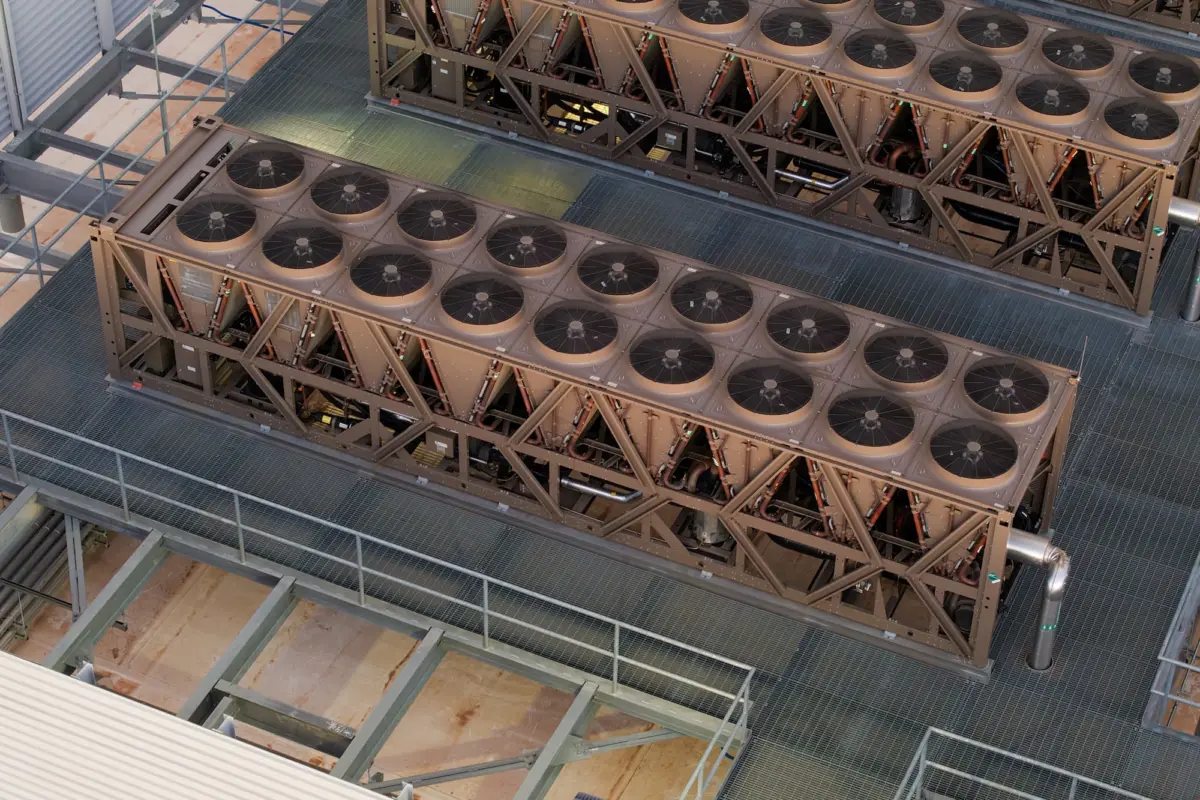
The rapid proliferation of hyperscale data centers has outpaced the ability of local governments to regulate them, creating a policy vacuum that is exacerbating the urban heat island effect and straining public infrastructure across the United States. As the 2026 midterm elections approach, the environmental and social consequences of this development boom have moved to the forefront of the political stage. In cities like Phoenix, Arizona—the hottest major metropolitan area in the country—the tension between technological advancement and public welfare has reached a breaking point. While data centers provide the backbone for the burgeoning artificial intelligence (AI) economy, their massive footprints, extreme energy requirements, and significant heat signatures are forcing a national reckoning over how, where, and if these facilities should be built in densely populated areas.
The Evolution of the Data Center Landscape
For decades, data centers were relatively inconspicuous components of the urban fabric. Historically, these facilities were smaller, serving localized needs for telecommunications and basic internet hosting. Developers sought out urban centers because they offered ready access to existing electrical grids, water lines, and transportation infrastructure. Local zoning boards often categorized these buildings as "light industrial," subjecting them to the same minimal oversight as a standard warehouse or a small manufacturing plant.
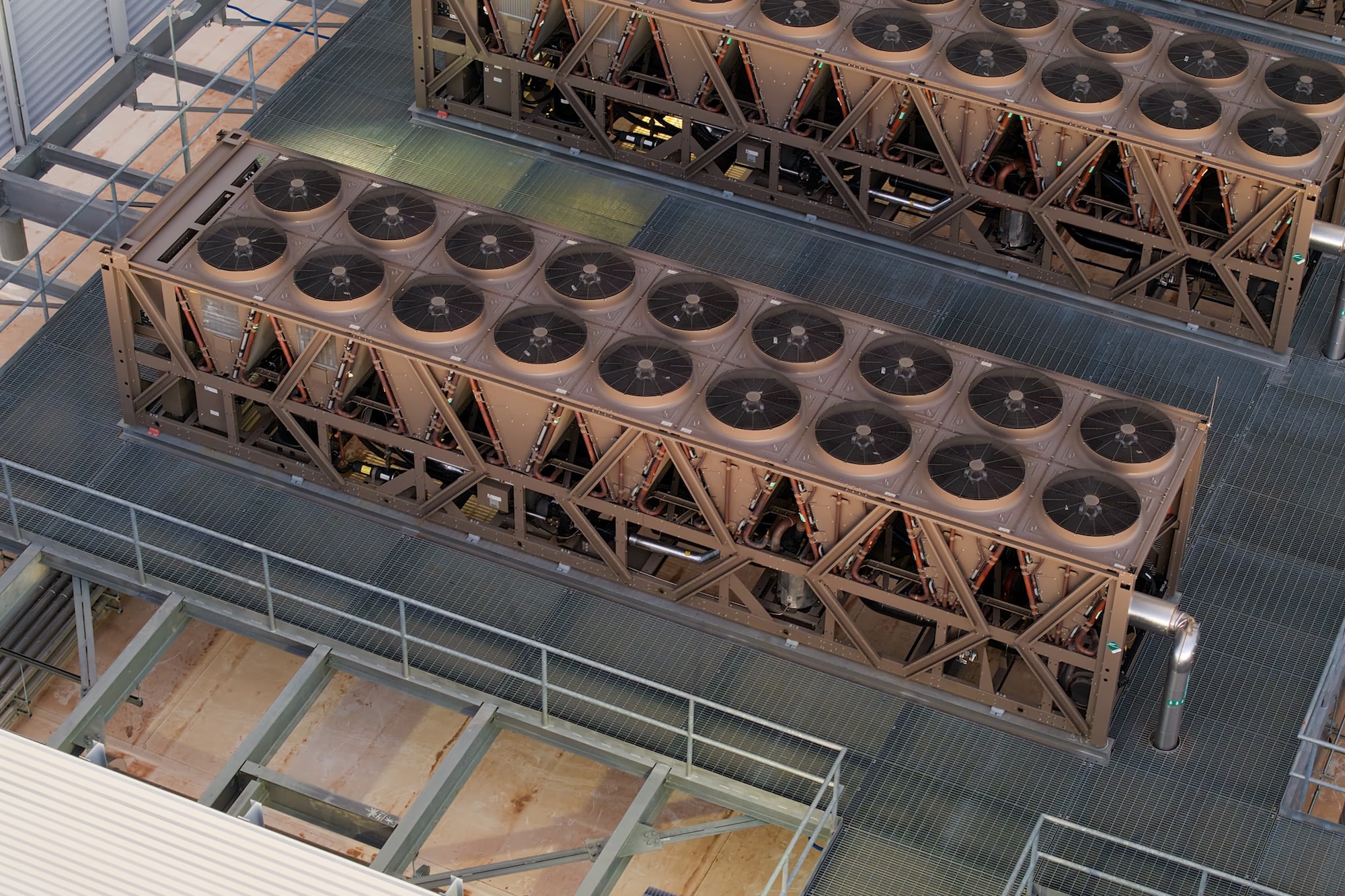
However, the advent of the AI era has fundamentally altered the scale and impact of these facilities. Modern "hyperscale" data centers are massive complexes housing tens of thousands of high-performance servers. Unlike their predecessors, a single AI-focused data center can consume as much electricity as a small city, often requiring hundreds of megawatts of power. This surge in demand has placed unprecedented stress on local power grids and municipal water supplies, while the cooling systems required to keep these servers operational are now identified as a major contributor to localized temperature spikes.
A 2026 report by the Bipartisan Policy Center highlighted this disconnect, warning that the pace and scale of data center development have far exceeded the planning frameworks, regulatory structures, and community engagement practices currently in place. The result is a chaotic landscape where developers move faster than the law, and residents are left to deal with the environmental fallout.
Phoenix as a Case Study for the Urban Heat Island Effect
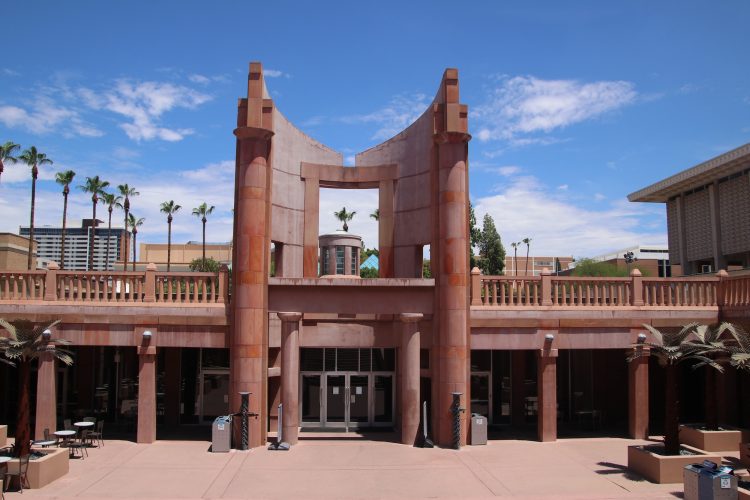
Phoenix serves as the epicenter of this crisis. The city is already grappling with the "urban heat island" effect, a phenomenon where buildings, roads, and other infrastructure absorb and re-emit the sun’s heat more than natural landscapes. Research from Arizona State University (ASU) indicates that the temperature at Phoenix Sky Harbor Airport is, on average, 10 to 14 degrees Fahrenheit hotter than rural areas just 50 miles away.
The introduction of massive data centers into this environment adds a new, artificial layer of heat. While traditional heat islands are caused by the absorption of solar energy, data centers generate their own internal "waste heat" through the continuous operation of servers. According to peer-reviewed research from ASU’s School of Geographical Sciences and Urban Planning, a single large data center produces waste heat equivalent to roughly 40,000 households.
Crucially, the ASU study provided the first precise, ground-level data on how this heat travels. Using air temperature sensors to measure conditions upwind and downwind of hyperscale facilities, researchers found that these buildings can raise the temperature of surrounding neighborhoods by as much as 4 degrees Fahrenheit. This heat is not stationary; it travels up to five city blocks, creating "thermal hazards" in residential areas that were previously undocumented. For a city like Phoenix, where the UV index frequently exceeds 11 and summer temperatures regularly surpass 110 degrees, an additional 4-degree increase represents a significant public health risk.
A Chronology of Regulatory Failure and Reaction
The current crisis in Arizona is the result of a multi-year lag between industrial growth and legislative response.
2013–2023: Arizona aggressively courted data center developers with substantial tax incentives. During this decade, the state’s incentive program received 123 applications, establishing the Phoenix metro area as one of the largest data center hubs in the world.

2024: As public concern over water usage and heat grew, state officials began discussing a moratorium on these incentives. This triggered a "gold rush" of applications from developers looking to lock in benefits before the window closed.
2025: Phoenix finally adopted a specific zoning ordinance for data centers, establishing design standards and requiring special permits for construction. The rules were intended to limit noise and ensure better integration into the urban landscape. However, the move was met with immediate legal backlash. Eleven landowners and developers filed claims under Arizona’s Proposition 207, a 2006 law that allows owners to sue for compensation if new zoning regulations diminish property values. The total demand for compensation reached a staggering $753 million, forcing the city to negotiate waivers that allowed many projects to bypass the new rules.
2026: In July, a three-year state moratorium on data center tax incentives finally went into effect. However, in the month leading up to the deadline, the state received 113 new applications—nearly as many as it had received in the previous 13 years combined. This surge ensures that the construction boom will continue for years, despite the moratorium.
The Displacement of Development: The "Peoria Effect"
The Phoenix experience demonstrates that local regulations often lead to "geographic displacement" rather than a reduction in total development. When Phoenix tightened its zoning laws, firms like Aligned Data Centers simply moved their projects to neighboring municipalities.
In one notable instance, Aligned dropped plans for a Phoenix site and filed for a 95-acre facility in the nearby city of Peoria. Peoria’s Legacy Point industrial zone allowed for large-scale water users and warehouses without the specific restrictions Phoenix had just implemented. While Peoria officials are now scrambling to update their own zoning rules—considering larger setbacks and noise assessments—these rules may not apply retroactively to projects already in the pipeline. This "whack-a-mole" style of regulation highlights the need for regional or state-level standards to prevent developers from exploiting the weakest links in local governance.
Broader Implications: Water, Noise, and Electricity Rates
While heat is the most visible impact in the desert Southwest, other regions are facing different but equally pressing concerns.
- Water Scarcity: Many data centers rely on evaporative cooling, consuming millions of gallons of water daily. In high-water-stress areas, this puts data centers in direct competition with residents and agriculture for a dwindling resource.
- Noise Pollution: The massive fans required for cooling systems produce a constant, low-frequency hum. In residential areas, such as the proposed Trident data center site in Aurora, Colorado, neighbors have reported that the noise is disruptive enough to impact sleep and mental health.
- Electricity Costs: The massive power draw of AI data centers is forcing utilities to invest in new generation and transmission infrastructure. In many jurisdictions, these costs are being passed down to consumers through higher monthly electricity rates, placing a financial burden on households that are already struggling with inflation.
- Air Quality: To ensure "five-nines" reliability (99.999% uptime), data centers maintain large arrays of industrial diesel backup generators. When these are tested or used during grid emergencies, they release significant amounts of nitrogen oxides and particulate matter into the local atmosphere.
National Pushback and the 2026 Midterms
The scale of public opposition is now reflected in the numbers. Connected Capital, a firm tracking the industry, has identified 399 local data center moratoriums in various stages of progress across 44 states. Additionally, 32 bills are currently moving through state legislatures aimed at curbing the industry’s growth or taxing its resource consumption more heavily.
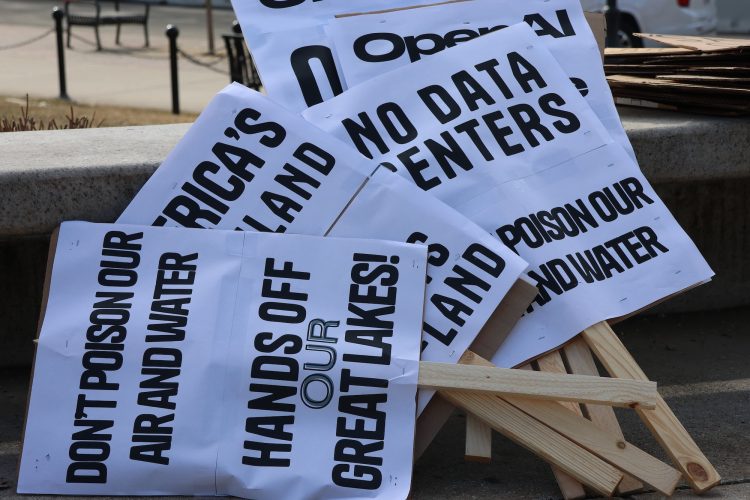
In Aurora, Colorado, the community reaction reached a fever pitch this week during a city council meeting regarding the state’s largest proposed data center. Residents ranging from teenagers to octogenarians provided three hours of public testimony, citing fears of noise from 28 emergency diesel generators and the impact on a nearby senior housing community. Such grassroots activism is becoming a standardized response to data center proposals nationwide, turning what was once a technical zoning issue into a central theme of local and state political campaigns.
The Global Search for Solutions
Recognizing that the problem is not unique to the United States, 42 cities—including Phoenix and 20 other U.S. municipalities—have joined the Global Urban Data Centres Pact. Formed in partnership with the C40 urban advocacy organization, the Pact aims to establish a set of "best practices" for sustainable development.
The Pact encourages a shift toward "climate-safe" solutions, such as:
- Waste Heat Recovery: Instead of venting heat into the atmosphere, some modern facilities are being designed to pipe that heat into municipal district heating systems, warming nearby homes or greenhouses.
- Closed-Loop Cooling: Moving away from evaporative cooling to systems that recycle water, significantly reducing the impact on local aquifers.
- Green Power Requirements: Mandating that developers invest in new renewable energy projects to offset their consumption, rather than simply drawing from the existing grid.
Conclusion: A Turning Point for Urban Planning
The research from Arizona State University and the subsequent political fallout in Phoenix serve as a warning to cities worldwide. The "previously undocumented urban thermal hazard" of data center waste heat is no longer a theoretical concern; it is a measurable reality that affects the quality of life for thousands of residents.
As voters head to the polls for the 2026 midterms, the direction of data center development is on the ballot. The choice is no longer between technological progress and stagnation, but between unregulated industrial expansion and a planned, sustainable approach that protects the urban environment. Without robust regional standards and a commitment to mitigating the "heat island" effect, the very infrastructure intended to power the future may make the cities of the present uninhabitable.
