

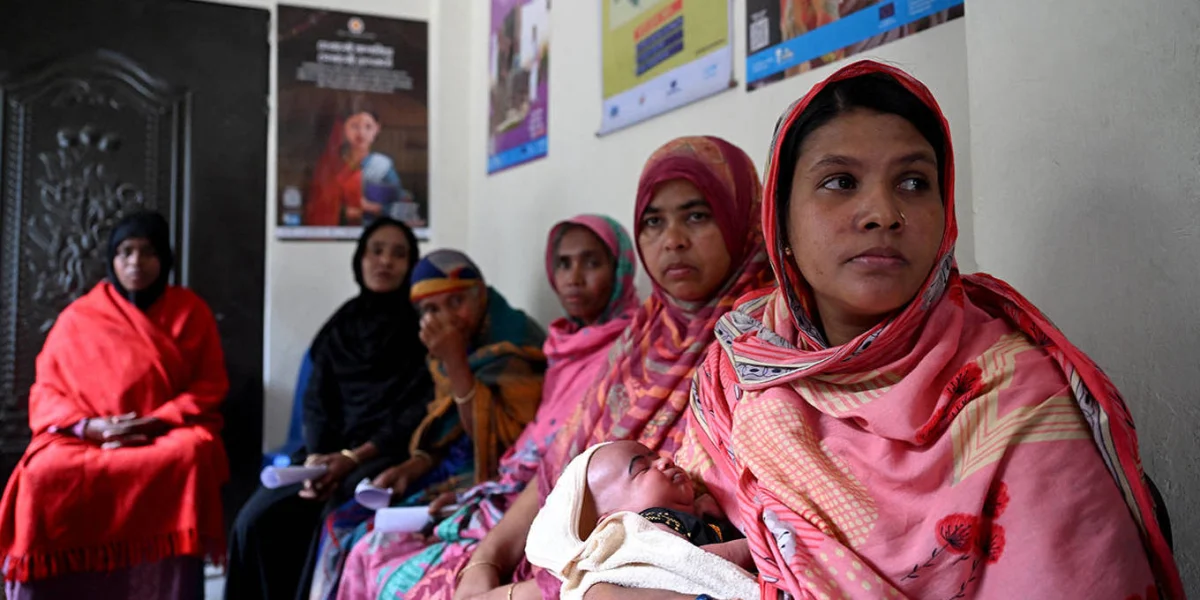
The escalating frequency and intensity of climate shocks are no longer abstract threats but stark realities impacting millions, particularly the most vulnerable. Yet, a critical component of human and societal resilience—care services—remains largely absent from national adaptation plans and funding frameworks. This oversight not only jeopardizes the well-being of individuals but also risks triggering cascading health and economic crises. Investing in climate-resilient care, however, presents a compelling opportunity to bolster resilience, create jobs, and alleviate pressure on public budgets.
The Growing Urgency of Climate Adaptation
The year 2025 has been unequivocally marked as one of the hottest on record, a trend underscoring the accelerating pace of climate change. From devastating heatwaves that crippled economies to torrential rainfall and powerful tropical cyclones that ravaged communities, the global impact of these extreme weather events is undeniable. As the international community gears up for COP31 in Turkey, the imperative to move beyond mere commitments and towards tangible implementation of climate action has never been more pronounced. Governments are facing increasing pressure to demonstrate concrete progress in adapting to the evolving climate landscape.
The financial chasm for adaptation remains a significant hurdle. The United Nations Environment Programme (UNEP) estimates that developing countries will require an annual sum of $310 billion to $365 billion through 2035 for adaptation measures. This translates to a staggering funding gap of approximately $280 billion annually. Beyond the sheer volume of funds, the challenge of effectively directing this capital to where it can yield the most impact is even more formidable. Many existing institutions struggle to identify adaptation investments that are project-ready, and to accurately assess and price the associated risks. This logistical and financial complexity necessitates innovative approaches to adaptation financing.
The Neglected Infrastructure of Care
A recent working paper from the Brookings Institution highlights a critical omission in current adaptation planning: the ecosystem of care services. These services are fundamental to helping families prepare for, cope with, and recover from climate-induced hazards. Just as early-warning systems and adaptive social protection measures are designed to bolster a nation’s response to climate shocks, properly designed care systems can significantly enhance household and community resilience. The absence of this crucial infrastructure means that the true cost of climate adaptation is likely underestimated, and effective solutions are being overlooked.
The devastating impact of extreme heat events serves as a stark illustration. Provisional estimates suggest that in Europe alone, the severe back-to-back heatwaves experienced during the summer of 2025 led to at least 35,000 excess deaths. Even nations with robust welfare systems found their capacity strained, with a lack of climate-adapted physical infrastructure and coordinated care services contributing significantly to this tragic mortality toll. This underscores that adaptation is not solely about physical infrastructure but also about the human support systems in place.
Cascading Crises Triggered by Care Breakdown
National climate adaptation plans frequently fail to account for the disruption of care services during climate emergencies. Events such as floods and wildfires can lead to the displacement of families, severing vital connections between caregivers and those who depend on them. When household-based care becomes impossible, formal care services can serve as an essential lifeline for the elderly and individuals with disabilities who are unable to evacuate or manage their needs independently. Without the reliable provision of these services, health issues can escalate, leading to preventable hospital admissions and placing immense strain on already overburdened healthcare systems.
In the absence of formal support, the burden of care invariably falls upon family caregivers, predominantly women and girls. These individuals often face physical injury and severe burnout during prolonged emergencies. The economic consequences can be equally devastating, with many caregivers forced to abandon paid employment at precisely the time their families are most vulnerable financially. When care systems falter, a climate shock can rapidly devolve into a multifaceted health and economic crisis. Conversely, robust and resilient care systems are instrumental in preventing such cascading failures, positioning care as an indispensable element of overall climate resilience.
Underestimating the Scope of Adaptation Needs
The exclusion of care from national adaptation plans leads to a fundamental underestimation of what climate resilience truly entails. The inherent difficulty in defining and quantifying adaptation needs, often based on sector-specific projects in conventional areas, allows care to be inadvertently sidelined. This piecemeal approach is further exacerbated by the current allocation of adaptation finance.
Analysis of global adaptation finance reveals a significant imbalance. Agriculture, forestry, fishing, water supply, and sanitation collectively absorb nearly 40% of global adaptation funding. The health sector, despite its direct link to climate impacts, receives an estimated 4% to 6%, while education garners around 2%. Crucially, long-term care and early-childhood care and education services are virtually absent from these financial flows, particularly in low- and middle-income countries where informal care arrangements are prevalent. This disparity represents a critical gap in ensuring comprehensive climate resilience.
The Unseen Workforce and the Economic Imperative
The estimated $310 billion to $365 billion annual funding need for adaptation, while substantial, is already being integrated into national plans and multilateral development bank targets. However, as climate shocks intensify, the demand for care services is set to rise, not diminish. When formal services fall short, the responsibility for filling this void will disproportionately fall upon unpaid caregivers, predominantly women and girls, who will be compelled to absorb the increased burden.
A proposed framework to address this omission suggests that investing in climate-resilient care infrastructure, using Bangladesh as an example, would require an investment equivalent to approximately 3% to 5% of its GDP. This figure is comparable to the investments needed for the health and education sectors, and notably, represents only a fraction of the estimated value of unpaid care work already being performed.
Job Creation and Economic Co-benefits
The development of robust care infrastructure would necessitate the creation of millions of jobs. In Bangladesh alone, estimates suggest that early-childhood care and education, along with long-term care services, could directly employ between 3.6 million and 7 million people. The ripple effect of job creation would extend further, encompassing sectors that provide food and other essential supplies, as well as those involved in the construction and retrofitting of childcare facilities and homes for individuals receiving long-term care.
Furthermore, investments in care services offer a tangible and evidence-based avenue for adaptation finance. These investments are supported by a well-established evidence base, including data on unit costs, staffing models, utilization rates, and outcomes, which facilitates a more rigorous risk assessment. Some of these investments can also generate economic returns, partially self-financing through tax revenues from increased employment and reduced future expenditures on health and social protection. The demographic reality of aging populations also guarantees a sustained and growing demand for care services, ensuring long-term viability.
Easing the Burden on Public Budgets
As adaptation financing becomes increasingly constrained, maximizing the impact of every dollar invested is paramount. This makes the strategic investment in care systems all the more crucial. By building community resilience to climate shocks, robust care systems can simultaneously alleviate the immense pressure on public budgets. They offer a dual benefit: strengthening societal capacity to withstand environmental challenges while improving fiscal sustainability.
The integration of care services into climate adaptation strategies is not merely a matter of social equity; it is an economic and pragmatic imperative. By recognizing and investing in climate-resilient care, nations can build more robust, equitable, and sustainable societies capable of navigating the complexities of a changing climate. The time to reframe adaptation plans to include this vital human infrastructure is now, ensuring that the most vulnerable are protected and that the full spectrum of resilience is addressed.
