


London to Paris Tops List for Discounted Private Aviation Journeys, But Risks Remain for Travelers
New research from SkyAccess, a prominent US-based private jet booking platform, has identified the most sought-after international "empty leg" routes for private jet travel. These flights, which occur when a private jet needs to reposition itself between bookings without passengers, offer significant cost savings for discerning travelers. The London to Paris corridor has emerged as the busiest international route for these discounted journeys, highlighting the enduring appeal of efficient and luxurious travel between two of Europe’s most dynamic capital cities.
The study, which analyzed a comprehensive dataset of private aviation activity over the past year, focused on "repositioning corridors" outside of the United States. These corridors represent the flight paths taken by private aircraft when they are not carrying revenue passengers, typically moving from a destination where a charter ended to a location where the next scheduled charter is set to begin. The findings reveal that beyond the busy London-Paris axis, other key European hubs like Geneva and Nice also feature prominently in the network of repositioning flights, underscoring their importance as both departure and arrival points for high-net-worth individuals and corporate clients.
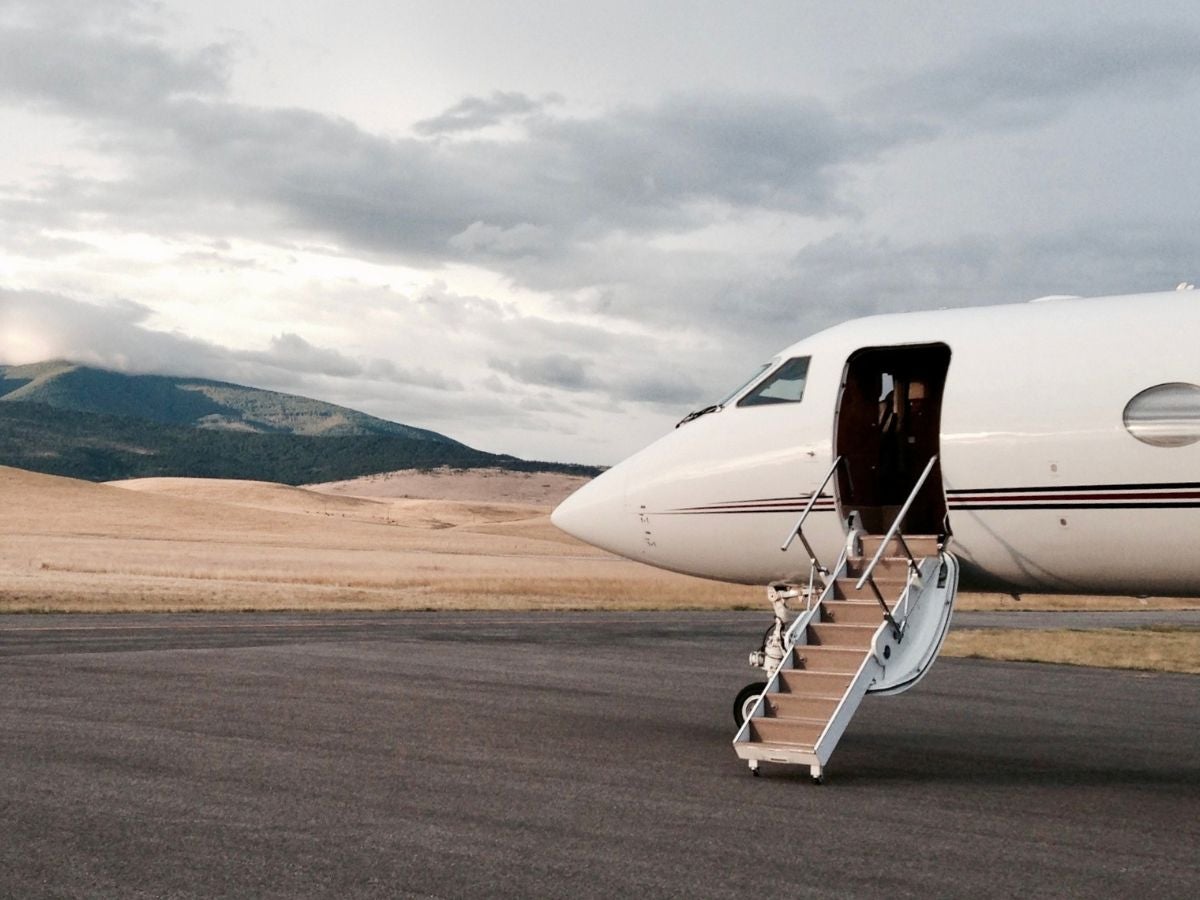
"Empty leg" flights can offer passengers substantial discounts, with savings typically ranging from 25% to as high as 75% compared to standard private jet charter rates. This significant price reduction makes private aviation accessible to a broader segment of the market, though it comes with inherent caveats that require careful consideration by potential passengers.
Understanding the Dynamics of Empty Leg Flights
The concept of an "empty leg" flight, often referred to as a "repositioning flight" or "deadhead flight" in the aviation industry, is fundamentally driven by the logistical demands of private jet operations. Unlike scheduled commercial airlines that maintain fixed routes and schedules, private jets are chartered on demand. When a client charters a jet for a one-way trip, the aircraft must then travel to its next point of operation. This repositioning journey, if not filled by another charter, becomes an "empty leg" opportunity.
SkyAccess’s research provides a valuable snapshot of the market’s most active routes. The exclusion of US domestic routes allows for a clearer focus on the international flow of private aviation traffic within Europe, a region that consistently ranks high in global private jet utilization. The dominance of routes connecting major financial and cultural centers like London and Paris is a testament to the ongoing demand for seamless travel between these global cities.
Key European Empty Leg Corridors
While London to Paris leads the pack, the research indicates a strong network of repositioning flights across several other European destinations:

- London – Paris: This route’s prominence is unsurprising, given the dense business and leisure travel between the UK and French capitals. The short flight time and high frequency of charters originating or terminating in these cities create numerous opportunities for repositioning.
- Geneva: As a major hub for international organizations, finance, and a gateway to popular ski resorts in the Alps, Geneva consistently sees a high volume of private jet movements. Its role in repositioning flights reflects its significance in both business and leisure travel.
- Nice: Situated on the French Riviera, Nice is a perennial destination for the ultra-wealthy, particularly during the summer months. The concentration of high-profile events and luxury tourism ensures a steady flow of private aircraft, leading to frequent repositioning needs.
- Other Notable Routes: While not explicitly detailed in the initial findings, it can be inferred that routes connecting other major European cities such as Zurich, Milan, Rome, and major hubs in Spain and Germany likely contribute significantly to the overall empty leg market.
Expert Insights: Balancing Savings with Flexibility
Matt Feldon, Sales Director at Smart Aviation, a company specializing in chartering aircraft across Europe, confirms that the trends identified by SkyAccess align with market realities. He emphasizes that while the cost savings associated with empty leg flights are attractive, they are not without their complexities and potential drawbacks.
"It’s not as simple as some brokers make out," Feldon stated. "We have clients asking all the time: ‘Can you get me empty legs?’ The answer is ‘yes, we can,’ but it depends heavily on how flexible the client can be with their schedule."
This flexibility is the cornerstone of securing an empty leg flight. Unlike pre-booked charters with fixed departure times and itineraries, empty leg availability is inherently unpredictable. The flight’s schedule is dictated by the prior or subsequent charter, meaning passengers must be prepared to adapt their travel plans at short notice.
The Inherent Risks of Empty Leg Travel
Feldon’s caution stems from the inherent volatility of empty leg bookings. The entire viability of an empty leg flight hinges on the successful completion of the preceding or succeeding charter. If the primary charter is delayed, canceled, or its passengers decide to alter their plans—perhaps by extending their stay or changing their departure time—the empty leg flight can be jeopardized.

"Empty leg flights are wholly dependent on the primary charter immediately before or after the repositioning flight," Feldon explained. "If the passengers involved in the primary charter change their plans, or decide to fly later or not at all – no empty leg."
He further elaborated on the potential for last-minute cancellations, a risk he has personally encountered several times in the past year. "We try not to do many [empty leg flights], I’ll be honest. There’s too much risk," he admitted, highlighting the operational challenges and the potential for client dissatisfaction when plans are disrupted. This candid assessment underscores the need for transparency and careful expectation management when considering empty leg options.
Historical Context and Market Evolution
The concept of repositioning flights has been a part of private aviation since its inception. However, the advent of sophisticated booking platforms and data analytics, as exemplified by SkyAccess, has brought greater visibility and accessibility to these opportunities. Historically, securing an empty leg flight often relied on informal networks and direct relationships between operators and brokers.
The growth of the ultra-high-net-worth (UHNW) demographic globally has also fueled demand for private aviation. As more individuals and corporations utilize private jets, the volume of repositioning flights has increased, creating a more robust market for empty leg opportunities. The past decade has seen a significant expansion in the global private jet fleet and a corresponding increase in charter activity, contributing to the dynamic described by SkyAccess.

Factors Influencing Empty Leg Availability and Demand
Several factors contribute to the ebb and flow of empty leg availability and demand:
- Seasonal Travel Patterns: As mentioned, popular holiday destinations experience increased charter activity during peak seasons. For instance, summer travel to the South of France and Spain, and winter ski trips to the Alps (Chambery and Sion are noted by Feldon), generate a higher volume of flights, thus increasing the likelihood of repositioning needs.
- Event-Driven Travel: Major international events, conferences, and sporting fixtures can create concentrated bursts of private jet activity, leading to numerous repositioning flights in and out of host cities.
- Fleet Size and Operator Strategies: The number of private jets operating in a given region and the business strategies of charter operators play a crucial role. Operators with larger fleets or those actively managing their aircraft utilization are more likely to offer empty leg options.
- Technological Advancements: Online platforms and sophisticated software allow for real-time tracking and listing of empty leg flights, making it easier for brokers and clients to find and book them.
Broader Implications for the Luxury Travel Market
The prominence of "empty leg" flights signifies a maturing luxury travel market that increasingly values both exclusivity and efficiency. The ability to access private jet travel at a significantly reduced cost democratizes, to some extent, the experience, allowing individuals to experience its benefits without the full financial commitment.
However, the inherent risks also highlight the importance of experienced aviation advisors. Professionals like those at Smart Aviation can navigate the complexities of empty leg bookings, manage client expectations, and offer alternative solutions when last-minute changes occur. Their expertise is crucial in mitigating the potential for disappointment and ensuring a seamless, albeit less predictable, travel experience.
The research by SkyAccess serves as a valuable resource for those seeking to optimize their private jet travel budgets. By understanding the busiest corridors and the inherent trade-offs, travelers can make more informed decisions. The continued growth of this segment of the market suggests that "empty leg" flights will remain a popular and significant component of the private aviation landscape for the foreseeable future. As the industry evolves, further innovations in data utilization and risk management are likely to enhance the appeal and reliability of these cost-effective travel opportunities, while maintaining the core principles of flexibility and opportunistic booking.
