

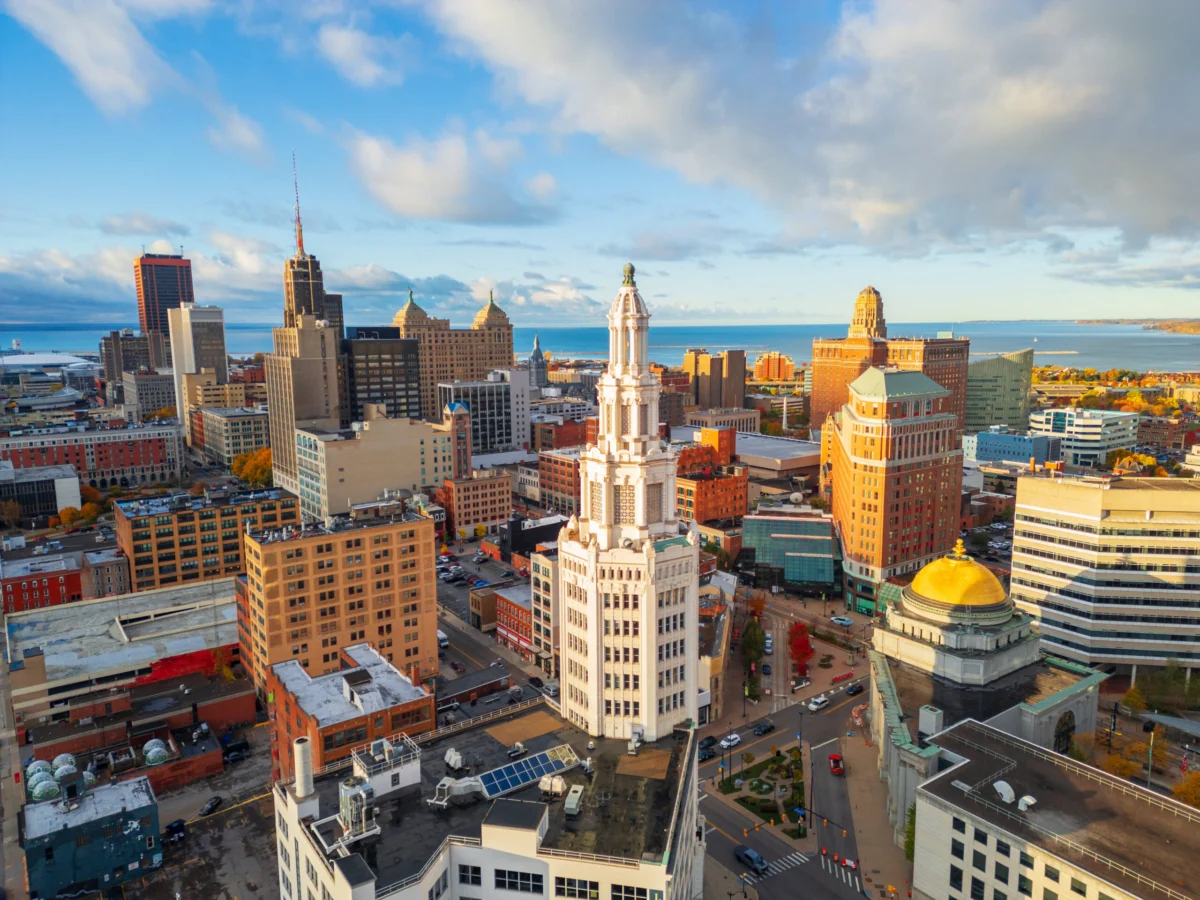
The landscape of the American housing market is undergoing a significant transformation, driven by persistent inflation, escalating home prices, and a resurgence in rental costs. A distinct migration pattern is emerging, with a growing number of renters, deterred from homeownership, opting to relocate to more affordable urban centers across the nation. This strategic move, highlighted by recent analyses from real estate platforms like Zillow, signals a developing pipeline of new residents for cities that offer greater economic accessibility.
The Affordability Squeeze: A Catalyst for Migration
For-sale housing prices have demonstrated remarkable resilience, showing no substantial signs of cooling, thereby pushing aspiring homeowners to the sidelines. This sustained upward trajectory in purchase prices has been compounded by rising mortgage rates, which have significantly increased the cost of homeownership. The national median price of an existing home sold in July, as reported by the National Association of Realtors (NAR), stood at $434,100. This figure represents a considerable barrier for many individuals and families, particularly first-time buyers who lack substantial equity or down payment savings.
Compounding this challenge, the rental market, which had experienced a period of easing in recent years due to increased supply in many metropolitan areas, is now witnessing a renewed upward trend. According to Apartment List data, August rents turned positive month-to-month for the first time in four years, although they remained slightly lower than the previous year’s figures. This twin pressure from both purchase and rental markets is forcing a re-evaluation of living costs and opportunities for a substantial segment of the population.
Emerging Destinations: The New Epicenters of Renter Interest
Analysis from Zillow’s real estate listing site reveals a clear shift in renter interest, with several cities experiencing significant growth in out-of-town searches. Buffalo, New York; Chicago, Illinois; and Houston, Texas, have emerged as the frontrunners in this trend, attracting the largest share of prospective renters from outside their respective metropolitan areas. Following closely behind are New Orleans, Louisiana, and Dallas, Texas, underscoring a broader movement towards markets that offer a more favorable cost of living.
These cities share a common characteristic: lower median home prices compared to the national average. For instance, while the national median price hovered above $430,000, Buffalo, Chicago, and Houston all boast median prices considerably below this benchmark, according to Realtor.com data. This disparity is a primary magnet for renters seeking to maximize their housing budget.
Mischa Fisher, chief economist at Zillow, emphasized the predictive power of rental demand in signaling future housing market shifts. "Renting is often how people try out a new community before committing. When we see a market with a growing share of rental searches coming from outside the metro, that tips us off to a developing pipeline," Fisher stated in a release. He further elaborated, "A year-over-year surge in out-of-town browsing in places like Buffalo and Chicago tells us a wave of newcomers may not be far behind." This suggests that current rental interest could foreshadow future home sales growth in these markets as new residents settle in.
Established In-Migration Hubs: Sustained Appeal
Beyond these emerging hotspots, several markets that have already experienced significant in-migration over recent years continue to attract out-of-town renters at an even greater rate. Salt Lake City, Utah; Raleigh, North Carolina; Hartford, Connecticut; and Nashville, Tennessee, now report that out-of-town searches for rental properties outnumber local searches on Zillow. These cities have historically benefited from a combination of job growth, quality of life, and relative affordability compared to coastal hubs, and they continue to serve as attractive destinations for those seeking new opportunities and a better cost-of-living balance.
The Sunbelt’s Enduring Lure: A New York City Exodus
While most out-of-town rental searches on Zillow originate from neighboring states, New York City stands out as a notable exception. Renters from the nation’s most expensive metropolitan area continue to cast a wide net, frequently looking for listings in the Sunbelt. Cities such as Raleigh, North Carolina, and the Florida hubs of Miami, Orlando, and Tampa, consistently see a large share of their out-of-town views originating from New York City. This trend highlights a persistent desire among New Yorkers to escape the city’s prohibitive costs, seeking warmer climates and more spacious living arrangements at a fraction of the price.
Fisher observed that such migration patterns often tell an "affordability story." "So renters in pricier places are choosing or discovering that they can get a lot more for their money somewhere new," he explained. Conversely, when the flow reverses into a major metro, it’s typically driven by "regional pull, people drawn to a big city’s job market or opportunities from nearby." This distinction underscores the nuanced motivations behind different migration flows.
Chronology and Context: A Post-Pandemic Realignment
The current migration patterns are a continuation and evolution of trends ignited during and after the COVID-19 pandemic. The initial surge in remote work capabilities untethered millions from traditional office locations, leading to a mass exodus from densely populated, high-cost urban centers to more suburban and exurban areas, as well as to regions offering lower costs of living and more space. The Sunbelt, with its favorable climate, lower taxes, and burgeoning job markets, became a primary beneficiary of this initial wave.
However, as interest rates began to climb in response to inflationary pressures from 2022 onwards, the cost of homeownership became increasingly prohibitive. The Federal Reserve’s aggressive rate hikes, aimed at cooling the economy, had a direct impact on mortgage rates, effectively pricing out a significant portion of potential buyers. This created a bottleneck in the housing market: fewer people could afford to buy, thus increasing demand for rentals. Simultaneously, supply chain disruptions and labor shortages continued to hamper new home construction, exacerbating the existing housing deficit.
The gradual return to in-office work models in some sectors has not fully reversed the migration trend but has rather refined it. Instead of purely seeking rural retreats, renters are now strategically targeting secondary and tertiary cities that offer a balance of urban amenities, job prospects, and, crucially, affordability. This represents a more considered, economically driven relocation rather than a spontaneous pandemic-induced flight.
Broader Impact and Implications
The implications of these shifting renter migration patterns are far-reaching, affecting both the sending and receiving markets.
For Receiving Markets (e.g., Buffalo, Houston, Raleigh):
- Economic Boost: An influx of new residents brings increased consumer spending, potentially stimulating local businesses and contributing to job growth.
- Housing Market Pressure: While initially beneficial, sustained in-migration can eventually put upward pressure on local rents and home prices, potentially eroding the very affordability that attracted newcomers. This necessitates careful urban planning and consideration of housing supply.
- Infrastructure Strain: A growing population requires expanded public services, including transportation, schools, utilities, and healthcare, posing challenges for city planners and budgets.
- Demographic Shifts: These cities may experience diversification in their demographics, bringing new perspectives and cultural richness.
For Sending Markets (e.g., New York City, San Francisco):
- Population Decline/Stagnation: While major metros often have robust economies, a continuous outflow of residents can lead to slower population growth or even decline, potentially impacting tax bases and workforce availability.
- Affordability Relief (Limited): While some outflow might theoretically ease housing demand, the sheer size and entrenched supply-demand imbalances in these super-expensive markets mean any relief is often minimal and slow to materialize.
- Brain Drain Concerns: If highly skilled professionals are consistently priced out, it could lead to concerns about a "brain drain," although major metros typically have strong magnets for talent.
The South’s Dominance in Affordability
Despite the significant migration to the South during and after the pandemic, these markets generally remain more affordable than the East and West coasts, ensuring the flow continues. Both lifestyle factors and affordability are playing pivotal roles in these decisions. In fact, RentCafe’s "Best Cities for Renters" ranking highlights this, with 37 of the top 50 cities located in the South. This ranking considers critical factors such as cost of living, renter income growth, and employment growth. The top three cities on this list—McKinney, Texas; Huntsville, Alabama; and Austin, Texas—further underscore the region’s enduring appeal. These cities represent diverse economic profiles, from rapidly growing tech hubs to established manufacturing and aerospace centers, all offering a compelling value proposition for renters.
Expert Outlook and Policy Considerations
Real estate economists and urban planners are closely monitoring these trends. The consistent pressure on housing affordability, driven by a confluence of high demand, limited supply, and elevated interest rates, is unlikely to dissipate quickly. While new construction is slowly picking up in some areas, it often struggles to keep pace with demand, particularly for entry-level and affordable housing units.
Policy responses could play a crucial role in mitigating the challenges arising from these migration patterns. Local governments in receiving cities may need to proactively address infrastructure needs and consider zoning reforms to encourage denser, more diverse housing development. Conversely, high-cost metros might explore strategies to retain residents, such as expanding affordable housing programs or investing in public transit to reduce commuting costs.
The current dynamics suggest a prolonged period where affordability will remain a primary determinant of residential mobility. Renters will continue to be resourceful, seeking out communities where their income stretches further, ensuring that cities like Buffalo, Chicago, and Houston remain firmly on the radar as America’s new, more accessible urban frontiers. This ongoing realignment of population distribution will undoubtedly shape the economic and social fabric of the nation for years to come.
