

The transition toward electric mobility in Australia has reached a critical juncture where the focus is shifting from urban centers to the vast regional landscapes that define the nation’s tourism industry. While the coastal fringes and major metropolitan hubs of Australia are increasingly well-serviced by high-speed charging networks, the inland "Great Dividing Range" and beyond remain a challenging frontier for electric vehicle (EV) owners. The recent EV advocacy event in Kingaroy, Queensland, has cast a spotlight on this infrastructure deficit, illustrating how the presence—or absence—of reliable high-speed charging is becoming a decisive factor in the economic health of regional townships.
Located approximately 218 kilometers northwest of Brisbane, Kingaroy serves as a vital transit hub at the intersection of the D’Aguilar and Bunya Highways. With a population of roughly 10,000, the town is more than just a rural center; it is the "Peanut Capital of Australia" and a gateway to the boutique wineries and national parks of the South Burnett region. For EV tourists traveling from the south, particularly those escaping the Victorian winter for the Queensland sun, Kingaroy represents a logical and necessary stop for replenishment. However, the experience of EV drivers in this region highlights a broader national struggle: the need to future-proof regional economies against the inevitable decline of internal combustion engine (ICE) tourism.
The Kingaroy Case Study: Infrastructure Reliability and Local Advocacy
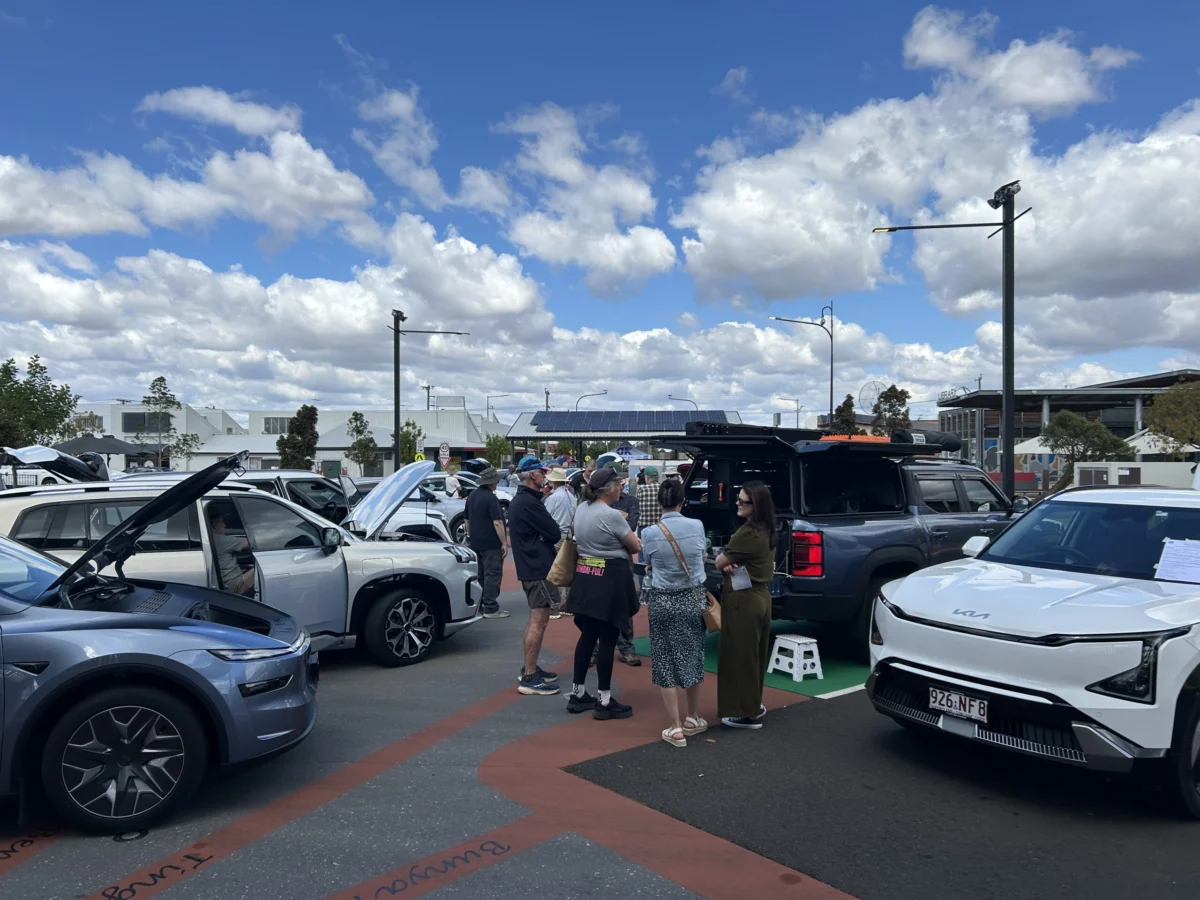
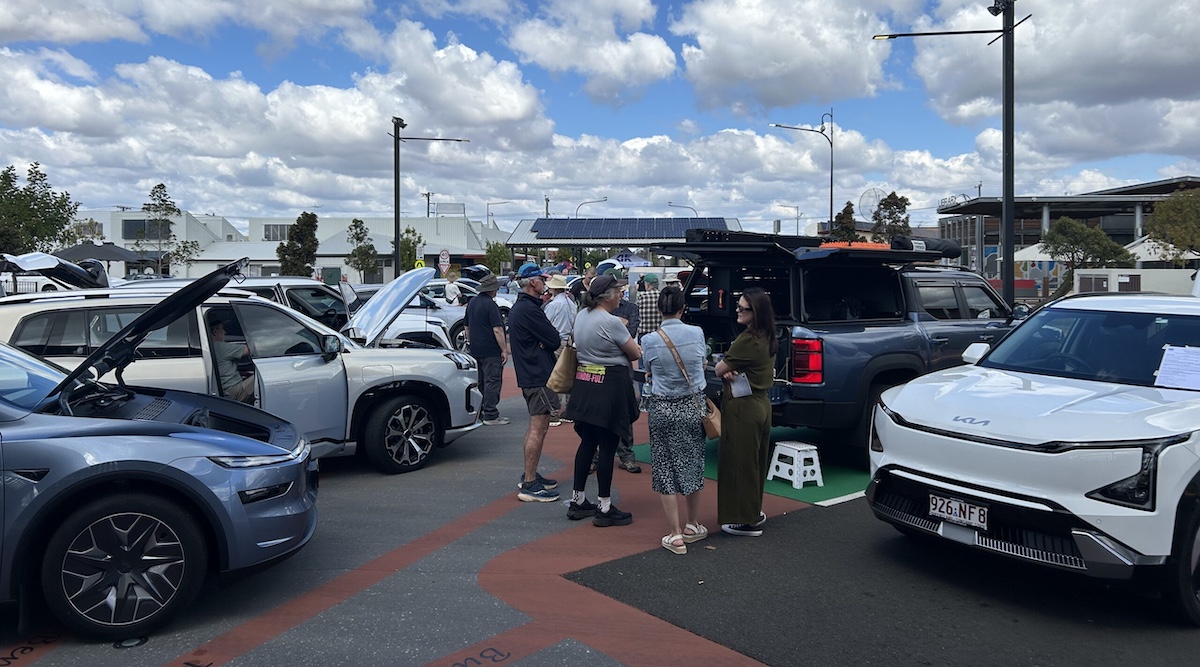
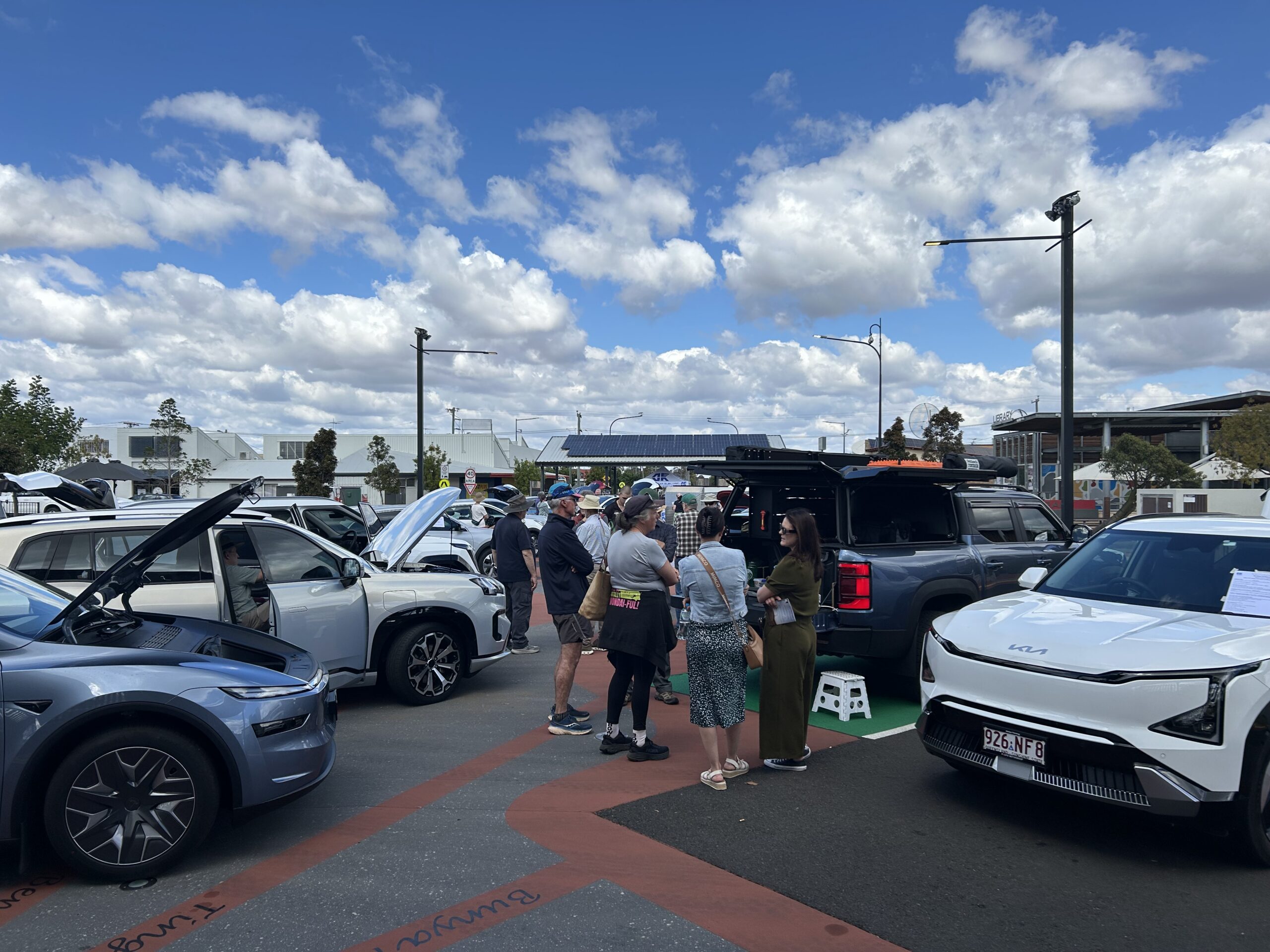
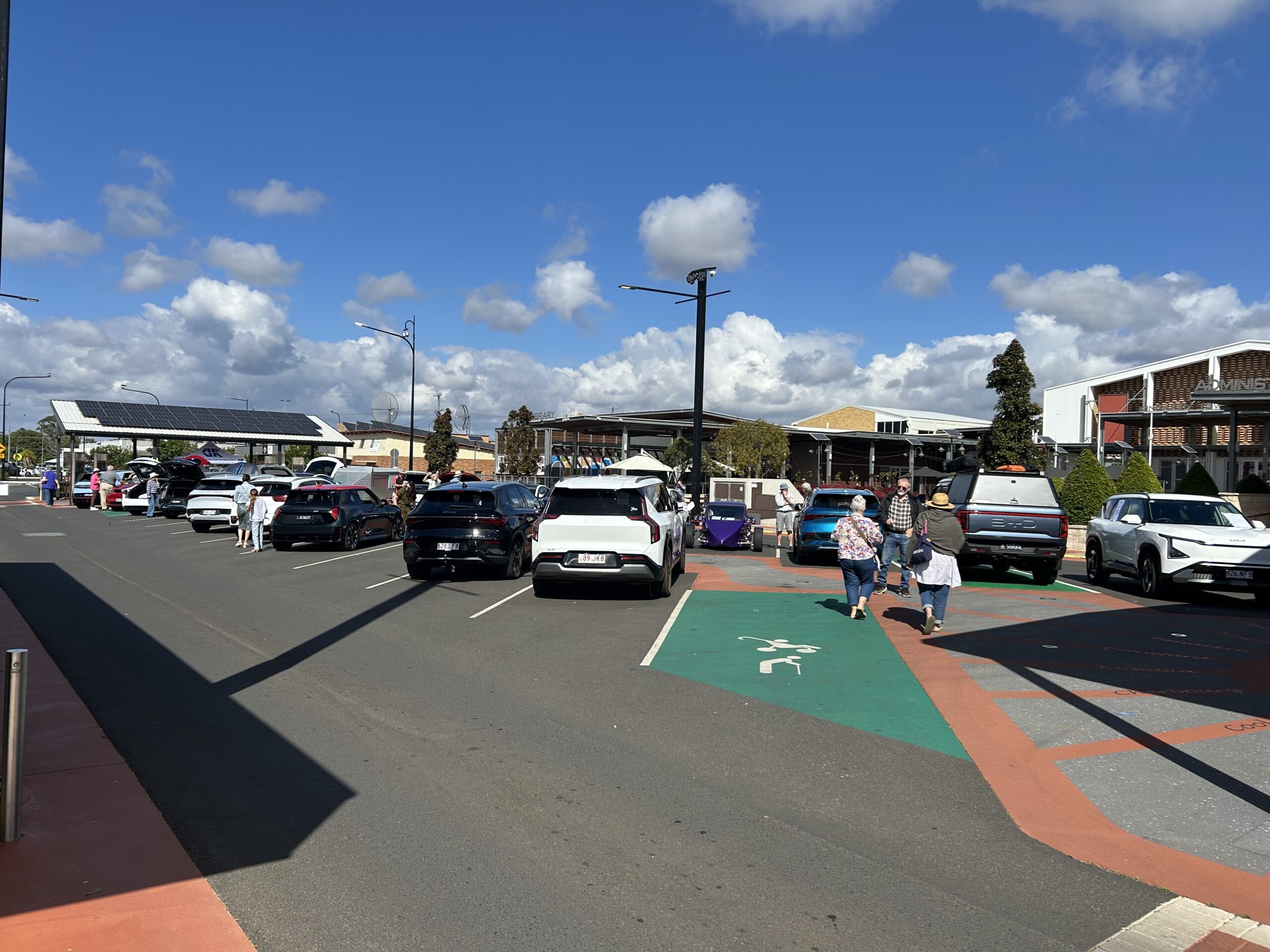
The importance of charging infrastructure was underscored by a recent "meet and greet" event organized by the Queensland branch of the Australian Electric Vehicle Association (AEVA). The event brought together more than 20 electric vehicles, with owners traveling from as far as Mackay, Gympie, the Sunshine Coast, and Toowoomba. The gathering was not merely a social club; it was a demonstration of the growing feasibility of long-distance EV travel and a call to action for local authorities.
Prior to the event, the local charging landscape in Kingaroy was precarious. While the town offered a few Level 2 chargers, the solitary high-speed DC charger had been out of commission for several months. This outage caused significant frustration for the South Burnett Sustainable Future Network (SBSFN), as a broken charger effectively removes a town from the digital maps used by EV drivers to plan their itineraries. In the EV ecosystem, a "red icon" on a charging app can result in hundreds of potential customers bypassing a town entirely.
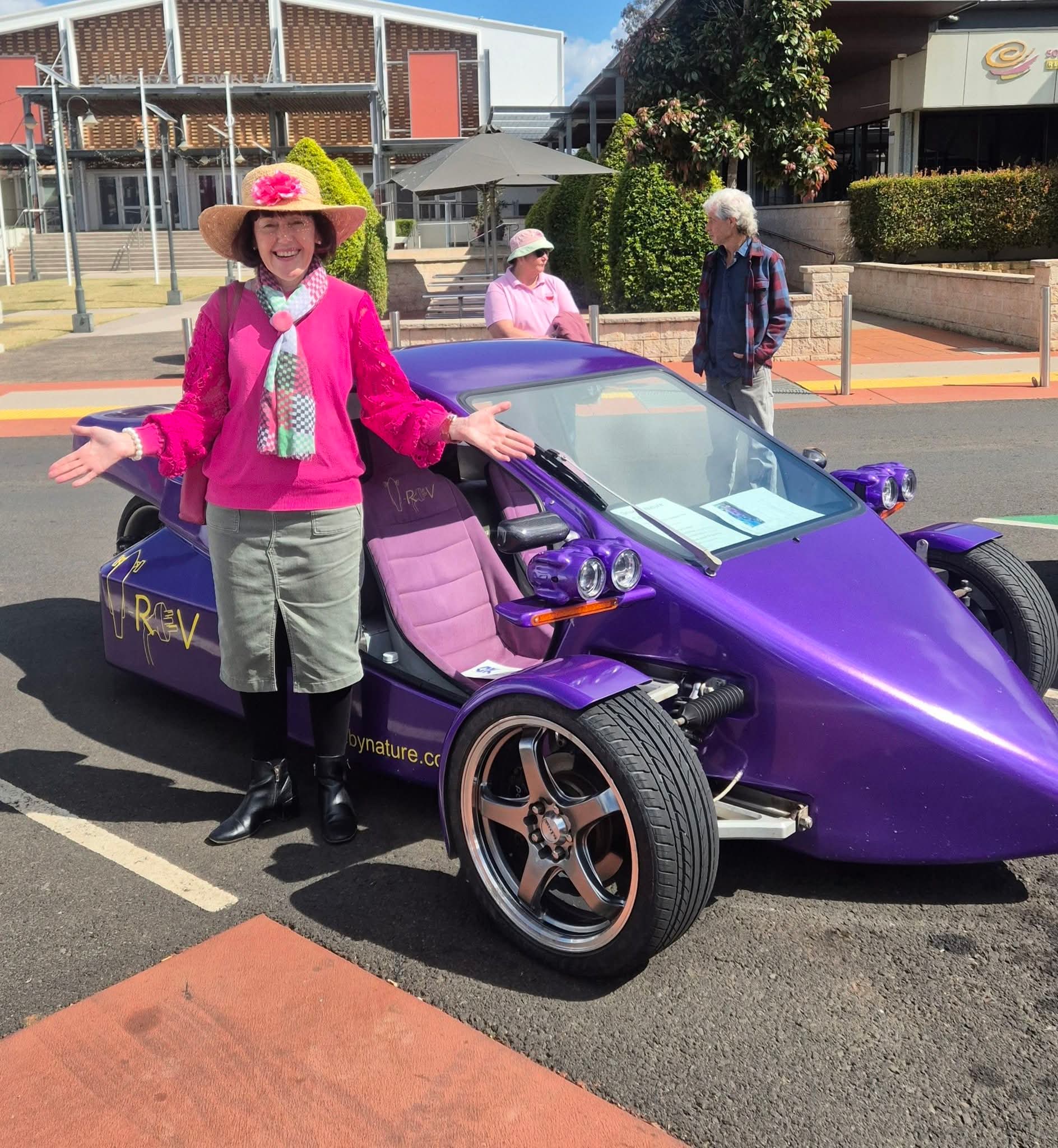
Fortunately, the charger was repaired shortly before the AEVA event. The presence of diverse models—including the Tesla Model 3 and Model Y, BYD Atto 3, Mini Cooper EV, Aion V, and various Hyundai and Kia models—demonstrated the breadth of the current market. Notably, the appearance of a Tesla towing a caravan served as a practical rebuttal to the common myth that EVs are unsuitable for the heavy-duty touring applications central to the Australian "grey nomad" lifestyle.
Regional Growth Outpacing Metropolitan Adoption
While regional areas are often perceived as laggards in technology adoption, recent data from the Royal Automobile Club of Queensland (RACQ) suggests a surprising trend. According to RACQ’s analysis of registration data between June 2025 and June 2026, the rate of EV growth in regional Queensland is significantly outstripping that of the state’s southeast corner.
The Western Downs region led the state with a staggering 97.8% increase in EV ownership over the twelve-month period. This was followed closely by Gladstone at 95.6% and the Somerset region at 87.2%. In contrast, Brisbane saw a more modest 43.4% lift, while the Gold Coast and Sunshine Coast recorded increases of 47.1% and 60.3%, respectively.
Dr. Michael Kane, RACQ’s Executive Manager of Public Policy, noted that while the absolute number of EVs remains higher in cities, the rapid percentage growth in the west necessitates an immediate pivot in infrastructure planning. The data suggests that regional residents are recognizing the fuel-saving benefits of EVs for long-distance commuting, even as the public charging network struggles to keep pace. For these regional owners, the majority of charging occurs at home, but for the tourism industry to survive, the network must accommodate "transient" charging.
The Mayor’s Perspective: The Practicality Gap
The challenges of regional EV adoption are perhaps best articulated by South Burnett Mayor Kathy Duff. While a vocal supporter of the AEVA event and the economic benefits of EV tourism, Mayor Duff highlighted a personal dilemma that many regional Australians face. Traveling approximately 1,200 kilometers per week across a sprawling electorate, she noted that a hybrid vehicle currently remains the most pragmatic choice for her specific needs.
This "practicality gap" is not a failure of EV technology, but a symptom of infrastructure density. For a mayor or a commercial traveler, the risk of a single high-speed charger being occupied or broken is a risk to their professional duties. Mayor Duff’s stance reflects a broader sentiment in conservative rural districts: there is a willingness to transition, but it is contingent upon a "no-compromise" reliability of the charging network.
Socio-Economic Implications and the "Tourist Dividend"
The economic argument for regional charging is grounded in "dwell time." An ICE vehicle driver might spend five minutes at a petrol station before departing. An EV driver, even at a high-speed 50kW or 150kW station, will typically spend 20 to 45 minutes in the vicinity. This creates a captive audience for local cafes, bakeries, and retail outlets.
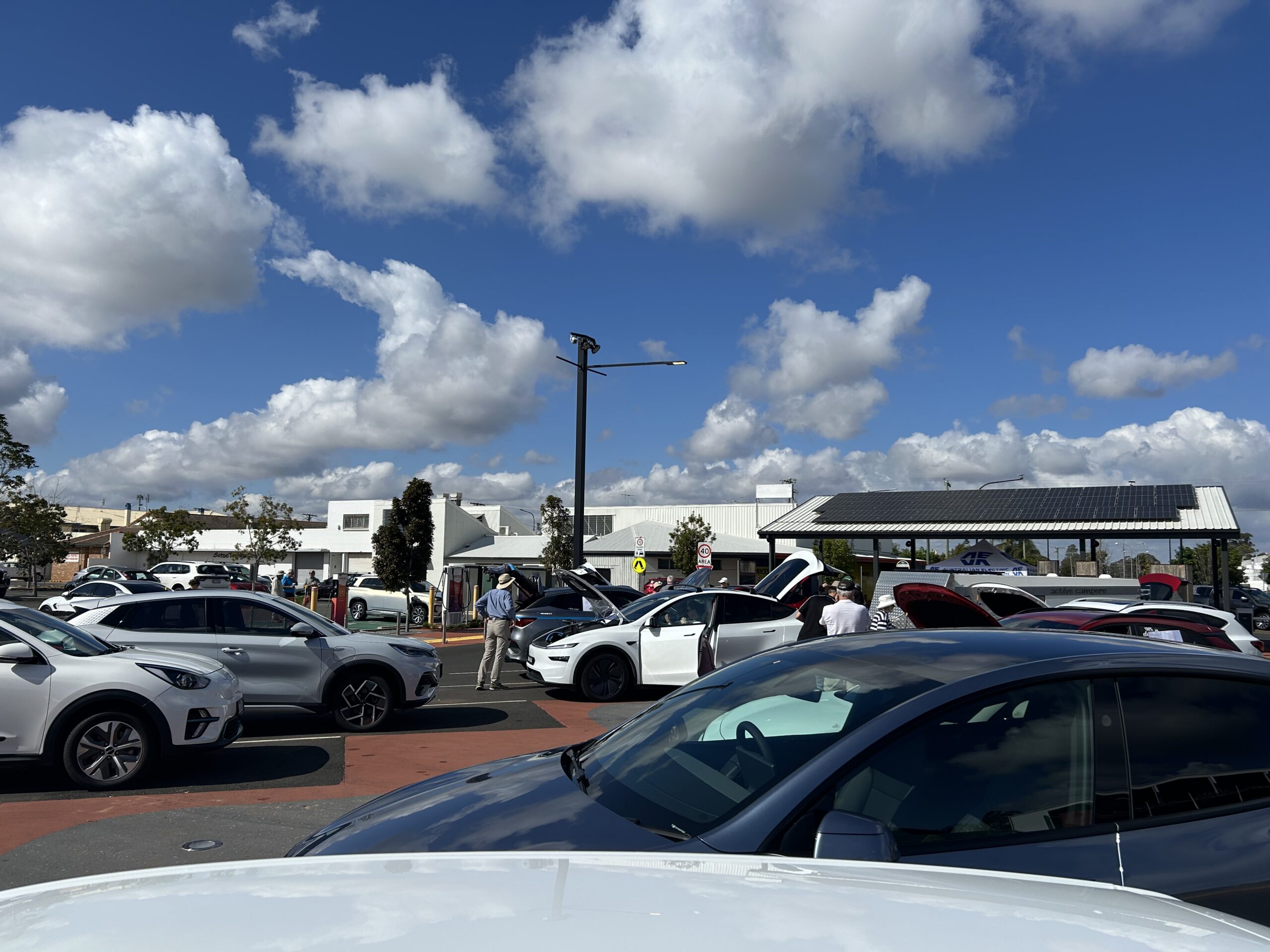
In Kingaroy, the influx of EV drivers during the AEVA event provided a glimpse into this potential. However, the town also faced the remnants of cultural resistance. Reports from the event mentioned a minority of "anti-EV" sentiment, including an incident involving a local motorist shouting abuse. While such instances are becoming rarer, they highlight the cultural friction that often accompanies technological shifts in conservative agricultural hubs.
The question of who should fund this infrastructure remains a point of debate. A proposed model involves a cost-sharing arrangement between local councils, state governments, and the federal government, alongside private enterprise. While EV drivers are generally willing to pay for the electricity consumed, the high upfront costs of installing 100kW+ DC fast chargers—often requiring significant electrical grid upgrades—are a barrier for small regional businesses.
Benchmarking Success: From Uluru to the Outback
To understand the potential for regional charging, one need only look at the "Red Centre." The installation of high-speed charging infrastructure at Uluru (Ayers Rock) has proven that if charging can be maintained in one of the most remote environments on Earth, it can certainly be achieved in the agricultural belts of Queensland.
The Queensland Electric Super Highway (QESH) has already made significant strides in connecting the coast. The next phase of development must prioritize "spurs" into the interior. The success of these inland routes depends on three factors:
- Redundancy: Ensuring towns have more than one high-speed unit to prevent "bricking" the route if one fails.
- Maintenance Protocols: Establishing service-level agreements that ensure chargers are repaired within days, not months.
- Strategic Placement: Positioning chargers in town centers where drivers can spend money, rather than isolated industrial outskirts.
Analysis of Future Outlook
As Australia moves toward its 2030 and 2050 emissions targets, the regional "charging desert" must be blooming. The Kingaroy event serves as a microcosm of the national challenge. The demand is present—as evidenced by the 20+ vehicles that arrived and the nearly 100% growth in some regional postcodes—but the infrastructure remains the primary bottleneck.
The transition to electric vehicles in regional Australia is not merely an environmental imperative but a strategy for economic survival. Towns that embrace high-speed charging will position themselves as preferred destinations for the next generation of travelers. Those that do not risk becoming "ghost towns" on the digital maps of the future.

The path forward requires a shift in perception: viewing EV chargers not as a luxury for city visitors, but as essential infrastructure akin to the town water supply or the local bridge. As the AEVA members dispersed from Kingaroy to their homes across the state, they left behind a clear message: the regional future is electric, provided the plugs are ready and the power is flowing. Through collaborative funding and a commitment to maintenance, regional Australia can secure its share of the "tourist dividend" and ensure that the "Peanut Capital" and its neighbors remain vital stops on the great Australian road trip.
