

The transition from internal combustion engine (ICE) vehicles to electric vehicles (EVs) is often precipitated by a moment of necessity rather than a gradual shift in preference. For the Warren family in Australia, this transition was triggered by the catastrophic mechanical failure of a 20-year-old Suzuki Swift, affectionately known as "Swifty." This event serves as a microcosm of a broader national trend, where aging ICE fleets are being replaced by more efficient, technologically advanced electric alternatives as the Australian automotive landscape undergoes a significant structural transformation.
The Anatomy of a Mechanical Failure
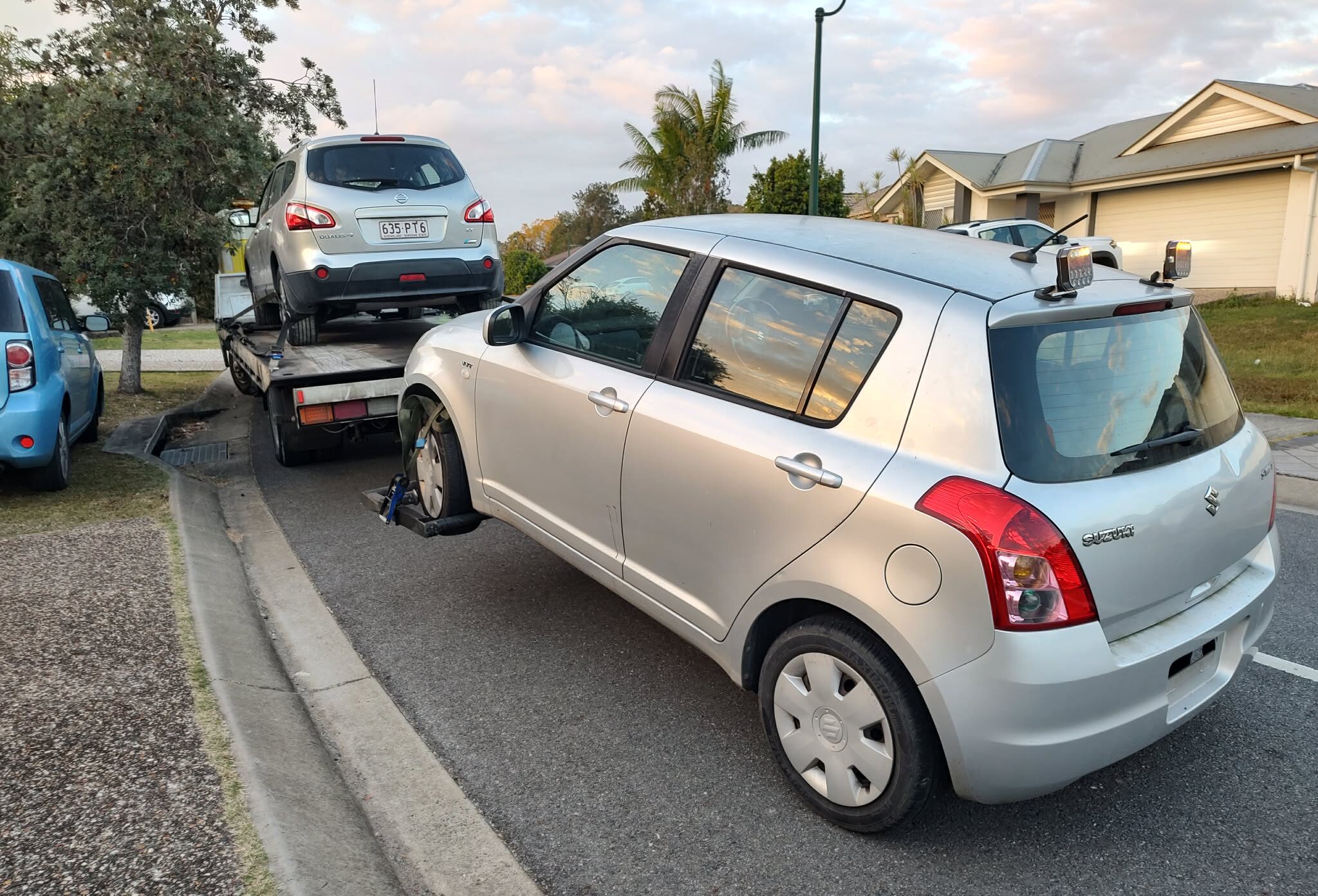
The demise of the Suzuki Swift began with subtle auditory warnings that are common in high-mileage ICE vehicles. For several months, the vehicle had produced a persistent rattling sound, which the owners initially attributed to "pinging" caused by dirty fuel injectors or a lean fuel-air mixture. During a routine trip to collect a family member from a Technical and Further Education (TAFE) institution, these symptoms escalated.
As the vehicle attempted to maintain highway speeds of 100 km/h on an uphill section, the engine’s performance degraded rapidly. Despite the driver applying full throttle, the vehicle lost momentum. The temperature gauge spiked into the danger zone, and smoke began infiltrating the cabin through the ventilation system. Upon pulling over, the family observed black smoke emanating from the rear of the engine block.
Subsequent technical inspections revealed a catastrophic failure. While the engine would eventually turn over after cooling, it possessed zero compression. The diagnostic consensus suggested that the engine had suffered from a severe coolant loss, leading to overheating that caused the piston ring seals to fail and the cylinder head to warp, ultimately blowing the head gasket. For a vehicle of its age and market value, the cost of a complete engine rebuild or replacement exceeded the residual value of the car, leading to its inevitable retirement to a salvage yard.
The Economic and Practical Evaluation of Alternatives
The sudden loss of a primary vehicle forced the family to evaluate three distinct paths: repairing the existing vehicle, purchasing a used "budget" ICE vehicle, or investing in a new or ex-demonstrator electric vehicle. The decision-making process was influenced by a desire to move away from the "throwaway" economic model of modern consumerism, yet tempered by the practical needs of a family with multiple tall, broad-shouldered drivers.
One immediate logistical hurdle following the breakdown was the disposal of 77 AUD worth of freshly pumped petrol remaining in the Suzuki’s tank. Because the family’s other vehicle was a diesel-powered Tunza—a Chinese-manufactured utility vehicle featuring a Cummins engine and BMW running gear—the salvaged fuel could only be repurposed for lawn maintenance equipment. This highlighted the inherent inefficiencies and risks of maintaining a multi-fuel household.
In the search for a replacement, the family prioritized interior ergonomics. Testing various models in the Australian EV market revealed significant discrepancies in cabin space for taller occupants:
- BYD Atto 1 and Dolphin: These models were found to be restrictive for occupants with broad shoulders, with the B-pillar encroaching on the driver’s comfort.
- BYD Atto 2: While offering improved front-row width, the rear-seat legroom was deemed insufficient for a growing family.
- Chery Models: While praised for dealership service, the seat ergonomics were found to be unsuitable for the primary driver’s comfort.
- MG ZS EV: Despite being a popular entry-level electric SUV, the seating and pillar placement did not meet the family’s specific physical requirements.
Navigating the Australian EV Sales Landscape
The purchasing journey highlighted a significant gap in the Australian automotive retail sector: the disparity between traditional "used car" sales tactics and the specialized knowledge required to sell EVs. At one dealership, sales representatives were unable to provide a State of Health (SoH) report for a used EV battery and appeared unfamiliar with the technical nuances of the technology.
This lack of transparency often deters potential EV adopters who are seeking data-driven assurances regarding battery longevity and charging efficiency. The Warren family eventually bypassed these "dodgy" tactics by seeking out a dealership—Hillcrest MG—where the staff demonstrated a functional and practical understanding of EV architecture. This experience underscores the importance of salesperson education in the successful rollout of electric mobility.
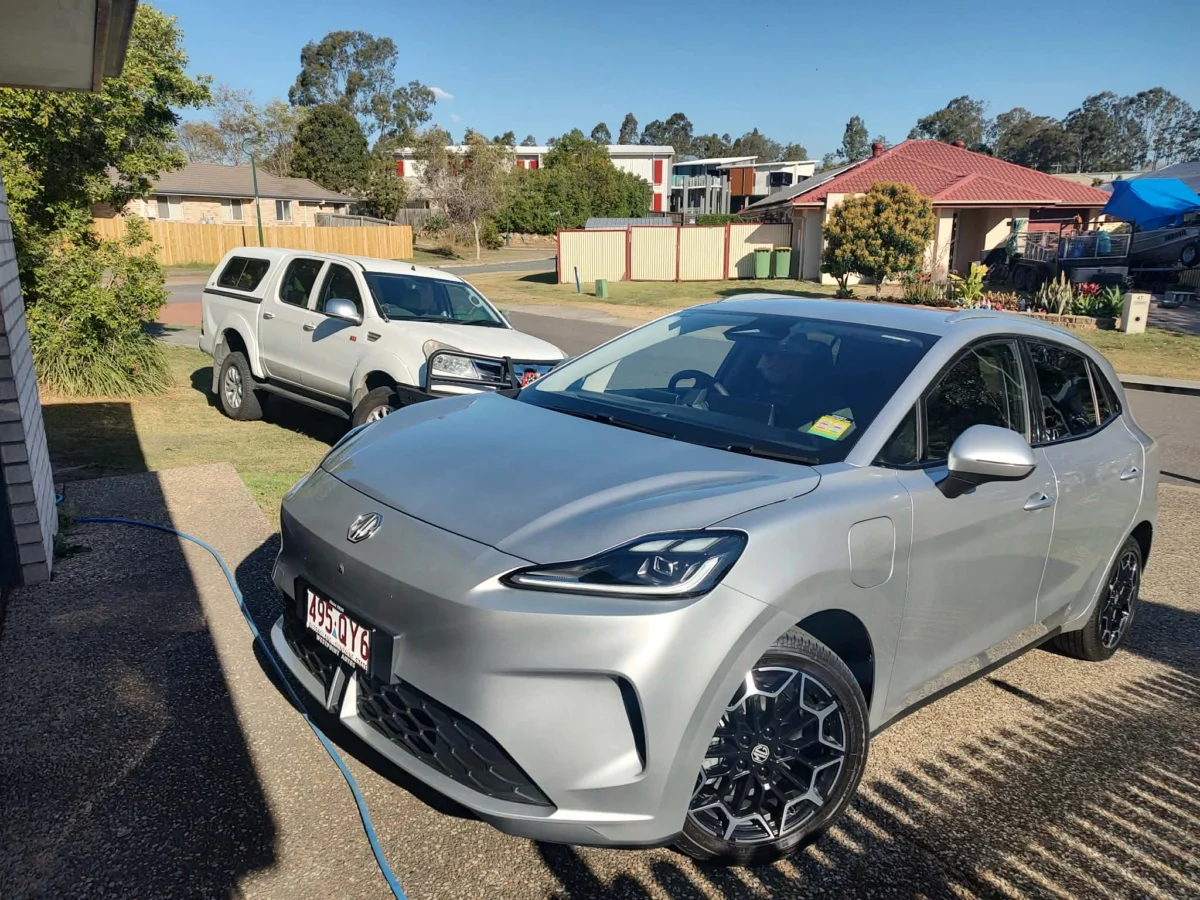
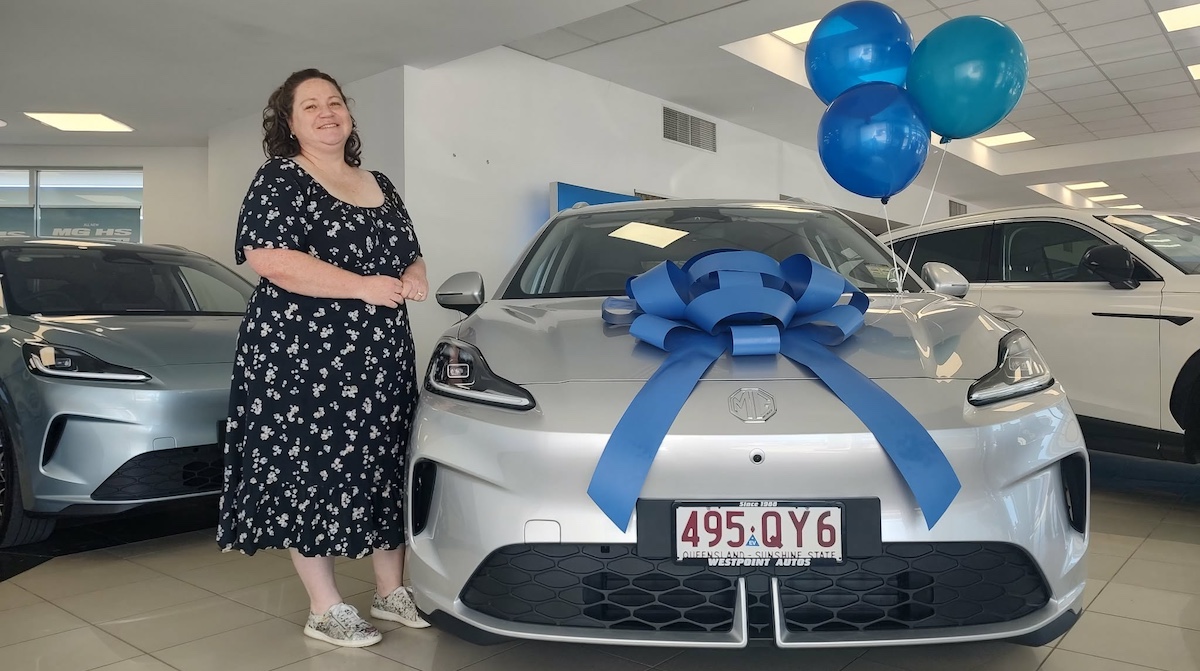
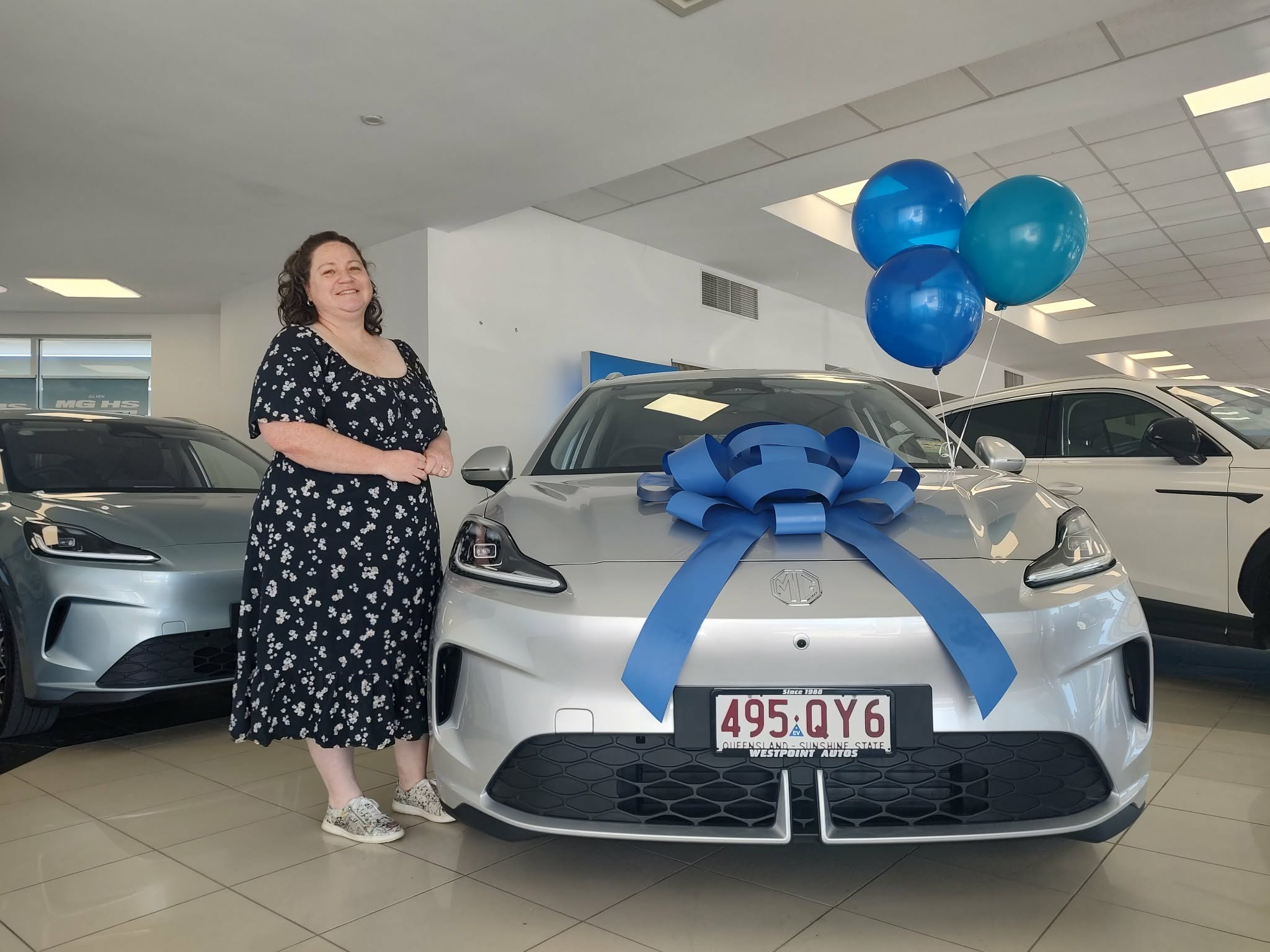
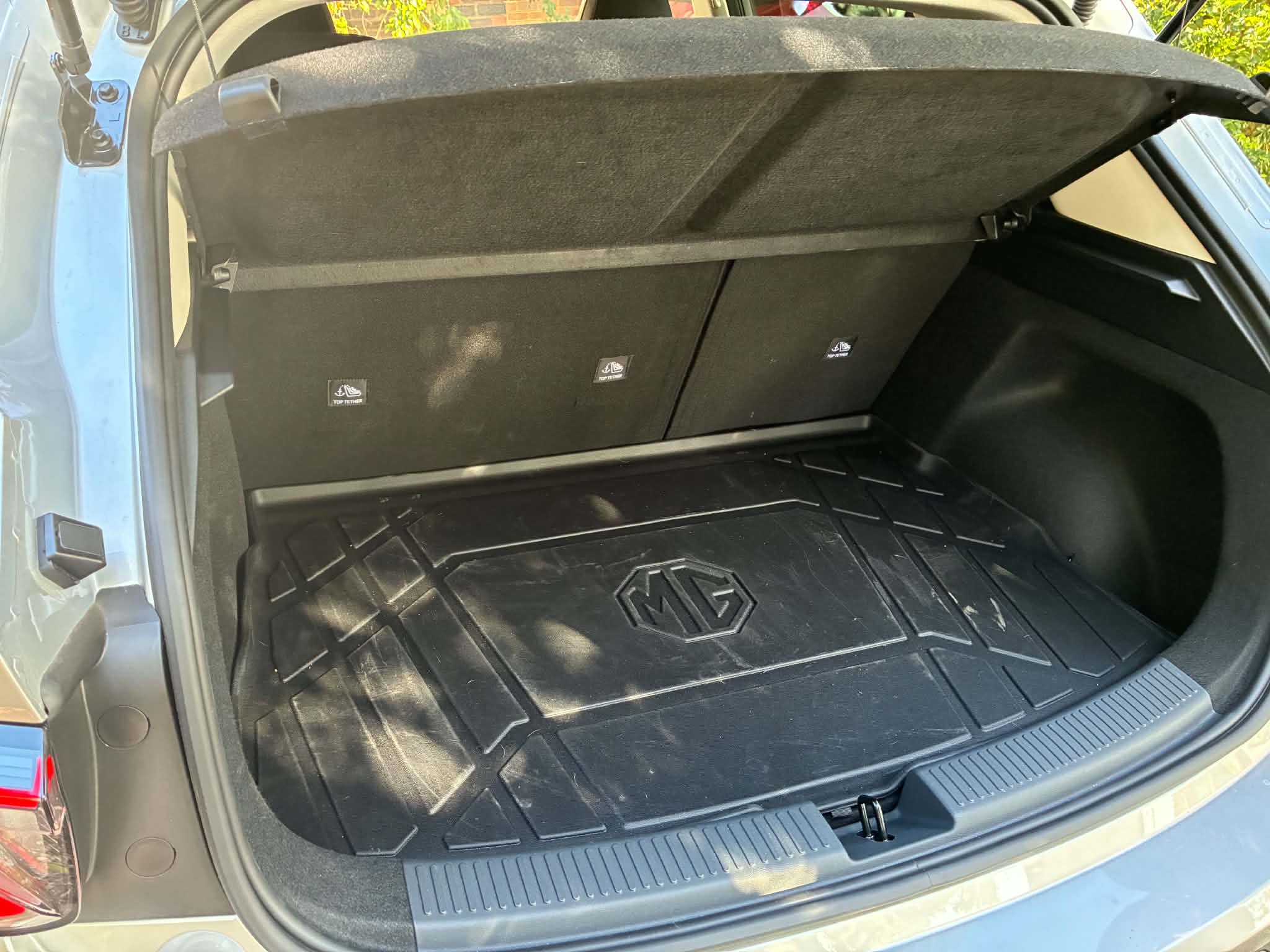
Ultimately, the family settled on an MG4 Urban ex-demonstrator model. The decision was driven by the vehicle’s superior interior packaging, which comfortably accommodated broad-shouldered occupants in the front and provided ample legroom in the rear. The purchase price was settled at $29,990 AUD, a competitive entry point for a modern EV in the Australian market, especially when compared to the rising costs of mid-range ICE hatchbacks.
Technical Analysis of the MG4 Urban Performance
The MG4 Urban represents a significant shift in driving dynamics compared to the 20-year-old Suzuki it replaced. Built on MG’s Modular Scalable Platform (MSP), the vehicle features a rear-wheel-drive configuration that provides a balanced weight distribution, often described as a "go-kart" feel.
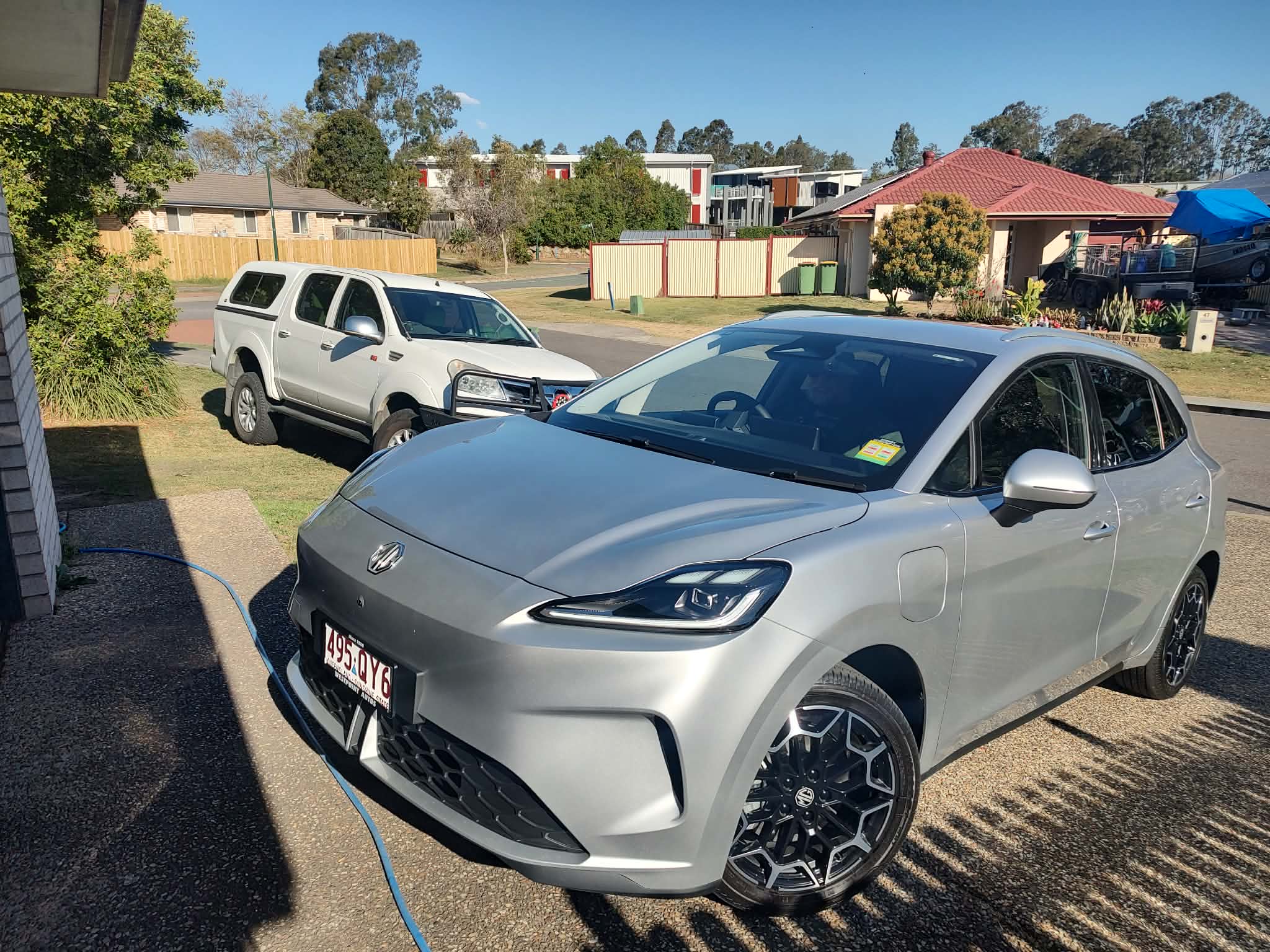
Key technical advantages noted by the owners include:
- Simplified Transmission: Unlike the multi-gear automatic or manual transmissions in ICE vehicles, the MG4 utilizes a single-speed reduction gear. This eliminates "gear hunting" and provides instantaneous torque, improving responsiveness during overtaking maneuvers and standing starts.
- Refined NVH (Noise, Vibration, and Harshness): The absence of an internal combustion engine, combined with advanced sound deadening, significantly reduces sensory input and driver fatigue.
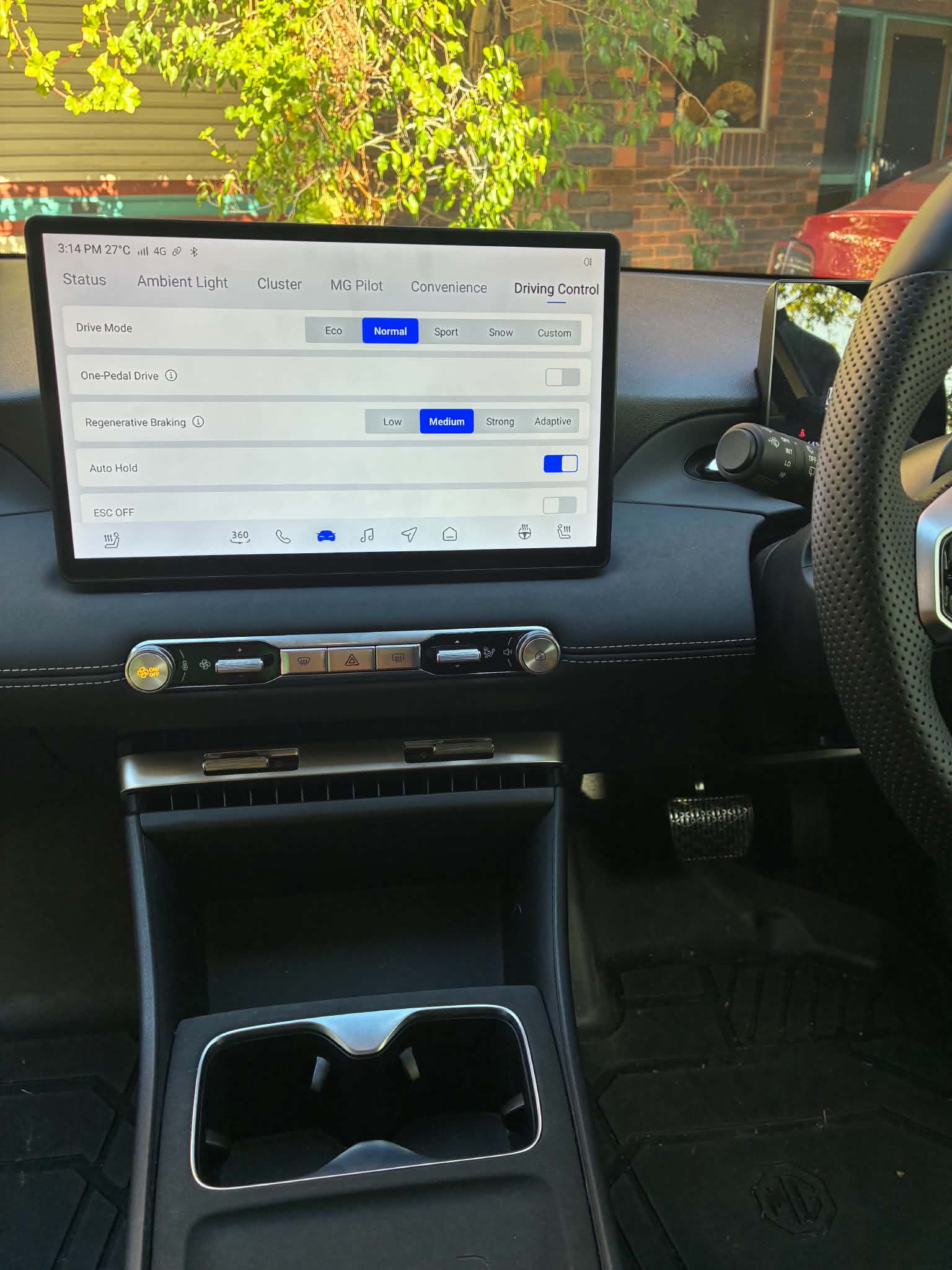
- Digital Integration: The vehicle’s companion app allows for remote climate control—a critical feature in the harsh Australian climate—and digital key sharing. The latter is particularly valuable for families, as physical replacement keys for modern vehicles can cost upwards of $700 AUD.
- Advanced Driver Assistance Systems (ADAS): The inclusion of a 360-degree "top-down" camera system was cited as a major improvement for urban maneuverability and parking safety.
Infrastructure and Energy Management
A critical component of the EV transition is the shift in fueling habits. The Warren family opted for a decentralized "trickle charging" strategy, utilizing a standard 240V wall socket (Level 1 charging) rather than installing a dedicated Level 2 wall box. By aligning their charging schedule with peak solar production (8:00 am to 3:00 pm), they were able to increase the battery state of charge from 70% to 90% using purely renewable energy generated by their home’s solar array.
This method effectively reduces the "fuel" cost to near zero, providing a stark contrast to the $77 AUD petrol bills associated with their previous vehicle. This synergy between residential solar systems and electric vehicles is a cornerstone of Australia’s strategy to reduce household carbon footprints and energy expenditures.
The Broader Impact on the Australian Automotive Market
The Warren family’s purchase of the MG4 Urban coincided with a period of robust growth for the model. In August, the MG4 ranked 12th on the Australian sales charts, with 514 units sold. Dealership data suggests that electric vehicles now account for over 50% of total sales for some MG franchises in Australia, indicating a tipping point in consumer sentiment.
Furthermore, the Australian market is bracing for the expansion of the electric utility segment. MG has confirmed the upcoming arrival of the MG U9, an electric "ute" (utility vehicle), which is expected to be showcased at major industry events such as the Everything Electric Show in Sydney. The introduction of electric utes is seen as the final frontier for EV adoption in Australia, a country where the Toyota HiLux and Ford Ranger have long dominated sales.
Conclusion: A Paradigm Shift in Personal Transport
The transition from a 2004 Suzuki Swift to a 2024 MG4 Urban represents more than just a 20-year jump in automotive technology; it represents a shift in the philosophy of personal mobility. By moving away from the maintenance-heavy and increasingly expensive ICE ecosystem, consumers are finding that EVs offer not only environmental benefits but also superior driving dynamics, lower operating costs, and enhanced digital utility.
As the Australian second-hand EV market matures and more ex-demonstrator models become available at sub-$30,000 price points, the barriers to entry are continuing to fall. For the Warren family, the catastrophic failure of an old car became the catalyst for a more sustainable and technologically advanced future, proving that the "dreaded phone call" regarding a broken-down car can occasionally lead to a significant upgrade in quality of life.
