

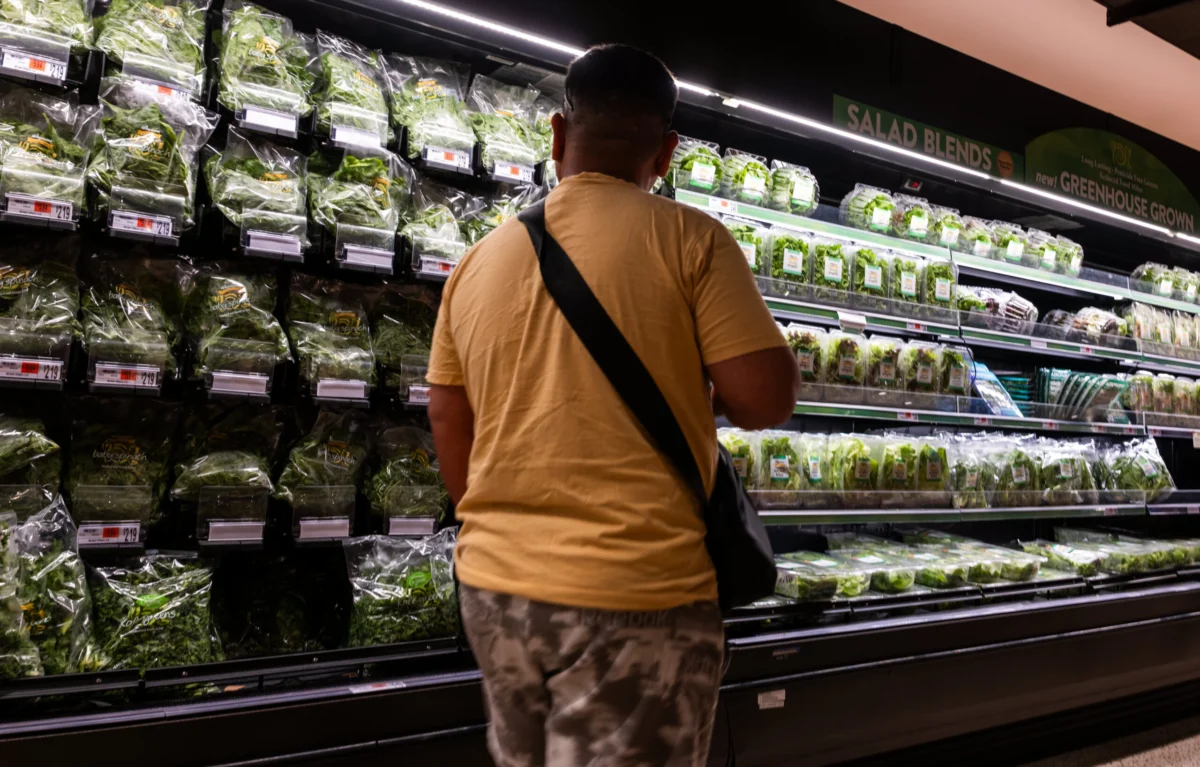
The unprecedented and most extensive outbreak of cyclosporiasis in the United States has officially concluded, the Centers for Disease Control and Prevention (CDC) announced on Friday. This severe public health event sickened an alarming 12,833 individuals across 21 states over recent months, with officials pinpointing shredded iceberg lettuce supplied by Taylor Farms of Mexico as the primary culprit for this dominant cluster. The outbreak has been unequivocally identified as the most significant cyclosporiasis season in U.S. history, contributing to a total of 19,595 reported cases of the parasitic illness. Tragically, the outbreak also resulted in two fatalities, both recorded in Michigan, which emerged as the epicenter of the largest and most impactful segment of this widespread contamination.
The Scope and Scale of the Outbreak
The sheer magnitude of the 2026 cyclosporiasis outbreak has prompted a deep dive into the vulnerabilities of the American food supply chain. The CDC’s final assessment confirmed that the outbreak’s reach extended to a significant portion of the nation, impacting a diverse range of demographics and geographic regions. The illness, caused by the microscopic parasite Cyclospora cayetanensis, is typically contracted by consuming food or water contaminated with the parasite’s oocysts. Symptoms often include diarrhea, loss of appetite, weight loss, cramping, bloating, gas, nausea, and fatigue. In severe cases, particularly among vulnerable populations, it can lead to prolonged illness and complications.
The identification of Taylor Farms’ shredded iceberg lettuce as the vehicle for this particular outbreak was a critical development, allowing public health officials to issue targeted recalls and advisement. However, the long incubation period of Cyclospora, which can span several weeks, presented significant challenges in tracing the source and preventing further spread. By the time the link was definitively established and the implicated produce was identified, much of it may have already been consumed or spoiled, underscoring the inherent difficulties in managing foodborne illness outbreaks originating from perishable goods.
A Chronology of the Crisis
The timeline of this significant public health event reveals a complex and often protracted investigation:
- Early 2026: Reports of an unusual increase in gastrointestinal illnesses begin to surface in various states. Initial symptoms are often misdiagnosed or attributed to common viral infections.
- Spring 2026: Public health agencies, including state and local health departments, notice a pattern in reported illnesses, with an increasing number of cases exhibiting symptoms consistent with cyclosporiasis. The CDC initiates epidemiological investigations to identify commonalities among affected individuals.
- Late Spring/Early Summer 2026: Investigations begin to focus on dietary histories, with a growing number of patients reporting consumption of salads or produce items. The scale of the outbreak becomes apparent as case counts rise rapidly across multiple states.
- July 2026: Health officials tentatively identify shredded iceberg lettuce as a likely source. Taylor Farms, a major supplier of produce to the U.S. market, emerges as a focal point of the investigation.
- Mid-July 2026: Taylor Farms initiates a voluntary recall of its shredded iceberg lettuce, acknowledging potential contamination. The recall encompasses products distributed to various retailers and food service establishments.
- Late July 2026: Major food retailers, including Walmart, are identified as having sold the recalled lettuce. Restaurants, notably Taco Bell, which utilized shredded iceberg lettuce from Taylor Farms in many of its popular menu items, also take immediate action to remove the product from their kitchens.
- August 2026: The CDC confirms the link between the recalled Taylor Farms lettuce and the widespread outbreak. The case count continues to climb, solidifying its status as the largest cyclosporiasis outbreak in U.S. history. The two fatalities in Michigan are reported.
- September 2026: As the outbreak subsides and the source is contained, public health agencies begin to release their final assessments. The CDC officially declares the outbreak over, while acknowledging the lingering questions and broader implications for food safety.
Data and Supporting Evidence
The statistical evidence paints a stark picture of the outbreak’s severity:
- Total Cases: 19,595
- Largest Cluster (linked to Taylor Farms lettuce): 12,833 cases
- States Affected by Largest Cluster: 21
- States Affected Overall: (Information not explicitly detailed for all 19,595 cases, but the 21 states represent the primary outbreak zone)
- Fatalities: 2 (both in Michigan)
- Incubation Period: Typically 1 to 2 weeks, but can extend to several weeks.
- Contributing Factor: Cyclospora cayetanensis parasite.
The economic impact of the outbreak was also significant, albeit harder to quantify with precise figures in the immediate aftermath. The widespread media coverage and public advisement led to a discernible downturn in sales for establishments heavily reliant on fresh lettuce. Taco Bell, a fast-food giant with a significant menu featuring items with shredded lettuce, experienced a noticeable dip in customer traffic and sales during the peak of the outbreak. Grocery stores also reported a dampening effect on lettuce sales as consumers became more cautious about purchasing fresh produce.
Official Responses and Industry Reactions
The response from various stakeholders was multifaceted, reflecting the gravity of the situation:
U.S. Food and Drug Administration (FDA): While the CDC led the epidemiological investigation, the FDA plays a crucial role in regulating food safety. The outbreak inevitably placed scrutiny on the FDA’s oversight capabilities, particularly concerning imported produce. Discussions surrounding the agency’s staffing levels, funding, and the effectiveness of its inspection protocols for foreign food suppliers intensified. The long incubation period of cyclosporiasis poses a persistent challenge for regulatory bodies, as it requires sophisticated traceback mechanisms and rapid response capabilities.
Taylor Farms: The company cooperated with health officials and initiated a voluntary recall of the implicated product. In a statement following the recall, Taylor Farms emphasized its commitment to food safety and stated it was working closely with authorities to understand the root cause of the contamination. The company’s role as a significant supplier meant that its actions had immediate and widespread consequences across the food industry.

Taco Bell: The fast-food chain acted swiftly to remove the contaminated lettuce from its restaurants, prioritizing customer safety. A spokesperson for Taco Bell stated, "The health and safety of our customers is our top priority. We are working closely with our suppliers and public health officials to ensure the integrity of our food supply." The company’s proactive measures helped to mitigate further exposure among its vast customer base.
Grocery Retailers (e.g., Walmart): Major retailers also responded by removing the recalled product from their shelves and informing customers about the recall. They played a vital role in communicating public health advisories to consumers and facilitating the return or disposal of affected products.
Broader Implications and Future Considerations
The 2026 cyclosporiasis outbreak has far-reaching implications that extend beyond the immediate health crisis:
Scrutiny of Food Safety Procedures
This event has intensified the ongoing debate about the robustness of U.S. food safety procedures, particularly for imported produce. The reliance on foreign suppliers for a significant portion of the nation’s food supply necessitates stringent oversight and verification processes. The outbreak has highlighted the need for enhanced monitoring, improved traceability systems, and potentially more frequent and rigorous inspections of facilities that supply the American market.
Corporate Consolidation in the Food Supply Chain
The outbreak has also brought to the forefront concerns about corporate consolidation within the food industry. When a single supplier like Taylor Farms is a primary source for a widely consumed product, any contamination event can have a disproportionately large impact. This raises questions about the resilience of a food system that relies heavily on a limited number of large-scale producers. Diversification of suppliers and a robust network of smaller, regional producers could potentially mitigate the impact of future outbreaks.
FDA Staffing and Funding Challenges
The long incubation period of Cyclospora and the scale of the outbreak have underscored the critical need for adequate staffing and funding at the FDA. The agency is tasked with a monumental responsibility to ensure the safety of the nation’s food supply, a task that requires significant resources for inspections, investigations, and regulatory enforcement. The challenges faced during this outbreak have reignited calls for increased investment in the FDA to bolster its capacity to respond to emerging public health threats.
Consumer Confidence and Dietary Habits
Foodborne illness outbreaks, particularly those that gain widespread media attention, can significantly erode consumer confidence in the safety of certain food products. The cyclosporiasis outbreak likely led to a period of heightened consumer vigilance, with many individuals re-evaluating their purchasing habits and potentially opting for foods perceived as safer. This can have ripple effects throughout the agricultural and food service industries.
The Role of Technology in Traceability
The difficulties in tracing the source of cyclosporiasis due to its incubation period emphasize the importance of advanced traceability technologies. Implementing comprehensive systems that allow for real-time tracking of produce from farm to fork is crucial for rapid response and effective containment of future outbreaks. Blockchain technology and other digital solutions are being explored as potential avenues to enhance food supply chain transparency and accountability.
In conclusion, the end of the nation’s largest cyclosporiasis outbreak marks a significant moment, but the lessons learned are profound. It serves as a critical reminder of the interconnectedness of our global food system and the paramount importance of robust food safety protocols, vigilant regulatory oversight, and a resilient supply chain. The public health and economic ripples of this event will likely continue to influence policy discussions and industry practices for years to come.
