

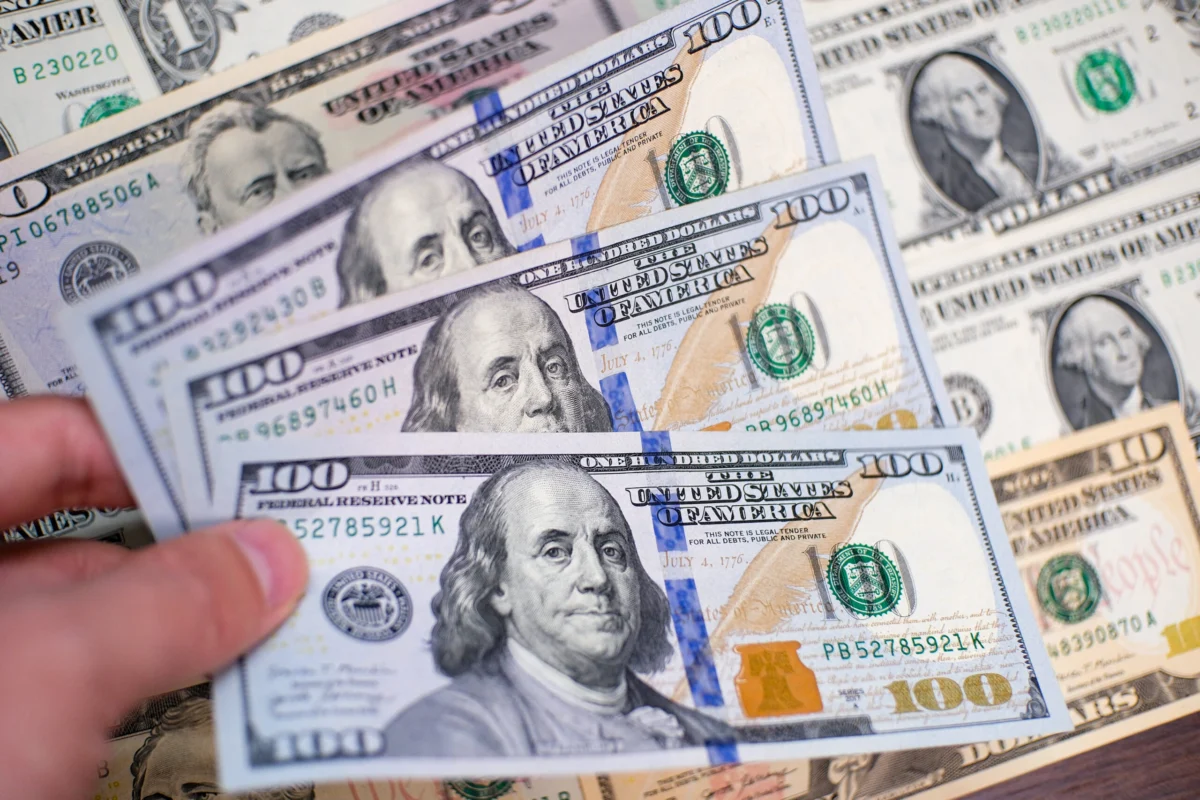
The recent summit of BRICS leaders, a pivotal gathering of emerging economic powerhouses, has underscored a potent aspiration: to diminish the global reliance on the U.S. dollar and foster greater trade in local currencies. This strategic objective, voiced with increasing urgency by member nations, signals a clear intent to recalibrate the international financial architecture and reduce exposure to the economic and geopolitical leverage wielded by the United States. However, while the rhetoric of de-dollarization gains momentum, a pragmatic assessment by experts reveals a complex web of challenges that will test the bloc’s ability to fundamentally alter the dollar’s entrenched dominance.
At the heart of this push lies a multifaceted concern. Geopolitical tensions, characterized by the imposition of economic sanctions and fluctuating tariff policies by the U.S., have created an environment of uncertainty for many nations. For energy-rich economies like Iran and Russia, whose access to dollar-denominated trade has been severely restricted by sanctions, the imperative to establish alternative payment and settlement systems within BRICS is particularly acute. Their calls for the development of robust intra-BRICS financial infrastructure—encompassing payment, settlement, and depository mechanisms—are not merely theoretical but born out of practical necessity.
The U.S. dollar’s preeminence in global finance is undeniable. For decades, it has served as the primary currency for international transactions, underpinning the vast majority of the world’s financial systems. This dominance is vividly illustrated by the fact that crucial global commodities like oil and gold are predominantly priced and traded in dollars. Data from the Bank for International Settlements (BIS) reinforces this reality, indicating that as of April, the U.S. dollar accounted for a staggering 89% of foreign exchange market turnover. While the euro and the Japanese yen hold significant positions at 29% and 17% respectively, they remain far behind the dollar’s pervasive influence. This concentration, as Iranian President Masoud Pezeshkian articulated, renders the current financial system "vulnerable to political shocks."
The concept of "de-dollarization" is not new; it has surfaced periodically, often gaining traction during periods of diminished confidence in the U.S. economy or its foreign policy. The underlying principle is straightforward: by reducing the universality of dollar transactions, countries aim to insulate themselves from the direct impact of U.S. economic decisions and geopolitical maneuvers. South African President Cyril Ramaphosa, a key host of the summit, encapsulated this sentiment by advocating for "greater use of local currencies, stronger cross-border payment systems and deeper financial interconnectivity" within the BRICS bloc.
The Long Road to Reduced Dollar Dependence
Despite the articulated desire for a shift away from the dollar, experts express considerable skepticism about the BRICS’ immediate capacity to achieve significant de-dollarization. The path forward is fraught with obstacles, including a lack of financial and macroeconomic integration among member states, pronounced trade imbalances, and deep-seated distrust between key players, most notably China and India. Jayant Krishna, a senior fellow at the Center for Strategic and International Studies, highlighted that the BRICS bloc currently lacks the "unified institutional, financial, and macroeconomic infrastructure" necessary to replicate the "inherent liquidity and trust" that the U.S. dollar commands on a global scale.
The historical context of de-dollarization efforts within BRICS is marked by both ambition and constraint. Former U.S. President Donald Trump, in a notable past statement, even threatened the bloc with substantial tariffs should they pursue the creation of a new BRICS currency or actively seek to replace the dollar. This stance underscores the significant political leverage the U.S. can exert in favor of maintaining the dollar’s status quo.
Collectively, the ten BRICS member countries represent a substantial portion of the global economy. A United Nations Trade and Development report from March indicated that in 2024, they accounted for 27% of world output, 24% of merchandise exports, and 22% of foreign direct investment inflows. This collective economic weight offers considerable potential for enhanced cooperation and trade diversification. However, the report also pointed out a significant disparity: intra-BRICS trade currently constitutes only about 5% of global trade. This figure underscores the nascent stage of economic integration within the bloc, despite the vast potential highlighted by their combined economic footprint.
Baby Steps Towards Alternative Mechanisms
While member countries have consistently spoken of expanding trade in their national currencies, concrete implementation has been notably slow. The BRICS 2026 declaration, for instance, made no mention of a common BRICS currency. Instead, the focus was on tasking the BRICS Payment Task Force with exploring "practical solutions for cross-border payments." This indicates a preference for incremental progress rather than a revolutionary overhaul of the existing financial system.
The shift observed in trade settlements between Russia and China, where approximately ninety percent of their trade is now conducted in rubles and yuan, is largely attributed to the imposition of U.S. sanctions following 2022, rather than a pre-meditated, coordinated BRICS policy. Reema Bhattacharya, head of Asia research at Verisk Maplecroft, explained that the limited liquidity of most BRICS currencies in markets outside their home economies discourages exporters from accepting them. This makes dollar invoicing the most convenient and least risky option for international commodity transactions.
The inherent competition of interests among BRICS nations further complicates the de-dollarization agenda. Each member state possesses distinct priorities and strategic objectives, making a unified approach challenging.
The China-India Rivalry: A Major Hurdle
Perhaps the most significant impediment to cohesive action within the BRICS bloc is the deep-seated rivalry between its two largest economies: China and India. While both Beijing and New Delhi share a common desire for greater strategic autonomy from Washington, they are direct competitors across a spectrum of critical sectors, including manufacturing, technology, investment, and regional influence.
This underlying tension, exacerbated by a widening trade imbalance between the two nations, erodes the trust necessary for the profound financial integration required to challenge dollar hegemony. China stands as one of India’s largest trading partners, with bilateral trade reaching a record $151.1 billion in the year ending March 2026. However, this robust trade relationship is marred by a significant trade deficit for India, which ballooned to a record $112.16 billion, an increase from $99.21 billion in the previous year.
Conversely, India’s trade with the United States presents a different dynamic. In 2025, goods and services trade between India and the U.S. reached approximately $239 billion. Crucially, India maintained a goods trade surplus of $58.4 billion and a services trade surplus of $4.7 billion with the U.S. This favorable trade balance with the U.S. makes a wholesale shift away from dollar-denominated trade less appealing for India, especially when contrasted with its substantial deficit with China and other nations.
Krishna Bhimavarapu, APAC Economist at State Street Investment Management, articulated the divergent priorities of BRICS members. Russia and Iran are primarily motivated by the need to mitigate sanctions risk. China seeks to enhance the international utilization of the renminbi while maintaining its capital controls. India, on the other hand, advocates for greater use of the rupee. This spectrum of national interests creates a complex mosaic that is difficult to harmonize into a singular, unified strategy for de-dollarization.
Ultimately, the fundamental challenge remains: no alternative system currently proposed or developed by the BRICS bloc can match the established liquidity, market depth, credibility, and global acceptance of the U.S. dollar. The international financial system, built over decades, is deeply intertwined with dollar-denominated assets and transactions. Any significant move away from this paradigm will require not only a willingness to change but also the creation of robust, reliable, and globally recognized alternatives.
A Timeline of De-Dollarization Discussions and Developments
The concept of de-dollarization has been a recurring theme in international economic discourse for years. However, its prominence within the BRICS context has grown significantly in recent times, particularly in response to escalating geopolitical tensions and U.S. foreign policy actions.
- Pre-2014: While the dollar’s dominance was recognized, discussions about alternatives were more academic and less politically charged. Emerging economies were largely focused on growth within the existing global financial framework.
- 2014 onwards: The formation of the New Development Bank (NDB) by BRICS nations marked a tangible step towards creating alternative financial institutions. The NDB was envisioned as a complementary source of funding to existing multilateral development banks, potentially reducing reliance on dollar-denominated loans from institutions like the World Bank and IMF.
- 2018-2019: The U.S. withdrawal from the Iran nuclear deal and the subsequent re-imposition of sanctions intensified discussions about the vulnerabilities of dollar dependence, particularly for countries engaging in trade with Iran.
- 2020: The COVID-19 pandemic and its economic fallout further highlighted the interconnectedness of global economies and the potential risks associated with a single dominant currency. Discussions within BRICS about increasing local currency trade gained traction.
- 2022: The Russian invasion of Ukraine and the subsequent sweeping sanctions imposed by the U.S. and its allies on Russia dramatically accelerated the de-dollarization debate. Russia’s exclusion from SWIFT and its assets being frozen underscored the power of dollar-based financial exclusion. This event served as a wake-up call for many nations concerned about their own economic security.
- 2023: At the BRICS summit in Johannesburg, leaders formally discussed measures to expand the use of local currencies in trade and investment. The establishment of a working group to explore payment systems was a key outcome.
- 2024 (Recent Summit): The latest BRICS summit has seen a reiteration of these goals, with leaders emphasizing the need for greater financial interconnectivity and the development of robust payment systems. The expansion of BRICS to include new members (Egypt, Ethiopia, Iran, Saudi Arabia, and the UAE) further amplifies the bloc’s collective economic weight and the potential for alternative currency usage, though it also introduces greater diversity in economic structures and priorities.
Data Insights: The Dollar’s Enduring Grip
While the ambition to de-dollarize is clear, the data paints a picture of the dollar’s deeply entrenched position:
- Foreign Exchange Market Turnover (BIS Triennial Survey): As of April, the U.S. dollar’s share in the global forex market was 89%, a slight increase from the previous year. This indicates that even as discussions of alternatives intensify, the dollar’s role in facilitating international currency exchange remains dominant.
- Reserve Currency Status: The U.S. dollar continues to be the world’s primary reserve currency, held by central banks globally. While its share has seen some fluctuations over the years, it remains the most widely held currency for foreign exchange reserves. Data from the IMF typically shows the dollar accounting for over 60% of global allocated reserves.
- Commodity Pricing: Major global commodities like oil and gold are predominantly priced in U.S. dollars. This creates a constant demand for dollars in international trade, irrespective of the origin or destination of the goods.
- Intra-BRICS Trade vs. Global Trade: As highlighted by UNCTAD data, intra-BRICS trade accounts for a relatively small percentage (around 5%) of global trade. This suggests that while member nations are significant global economic actors, their internal trade reliance is not yet sufficient to drive a substantial shift away from dollar invoicing.
Broader Impact and Implications
The pursuit of de-dollarization by BRICS nations, even if incremental, carries significant implications for the global financial landscape:
- Shifting Geopolitical Power Dynamics: A successful reduction in dollar dependence would diminish the U.S.’s economic leverage, potentially altering geopolitical power balances. Countries less reliant on the dollar might find themselves less susceptible to U.S. sanctions and foreign policy pressures.
- Increased Volatility in Emerging Markets: As BRICS members attempt to establish and promote their own currencies for international trade, there could be periods of increased volatility and uncertainty in their exchange rates and financial markets.
- Potential for Multipolar Financial System: The long-term vision for BRICS and other like-minded nations is a more multipolar financial system, where several major currencies play significant roles in international trade and finance, rather than a single dominant currency.
- Challenges for U.S. Economic Policy: A sustained decline in the dollar’s global role could impact U.S. borrowing costs, the cost of its imports, and its ability to finance its trade and budget deficits.
The BRICS summit has underscored a powerful ambition to reshape the global financial order. While the road to reducing dollar dominance is long and arduous, marked by significant economic and political hurdles, the collective resolve of these emerging economic giants suggests that the conversation around de-dollarization is no longer a fringe idea but a central tenet of their strategic economic planning. The coming years will reveal whether these aspirations can translate into concrete changes that redefine international finance.
