

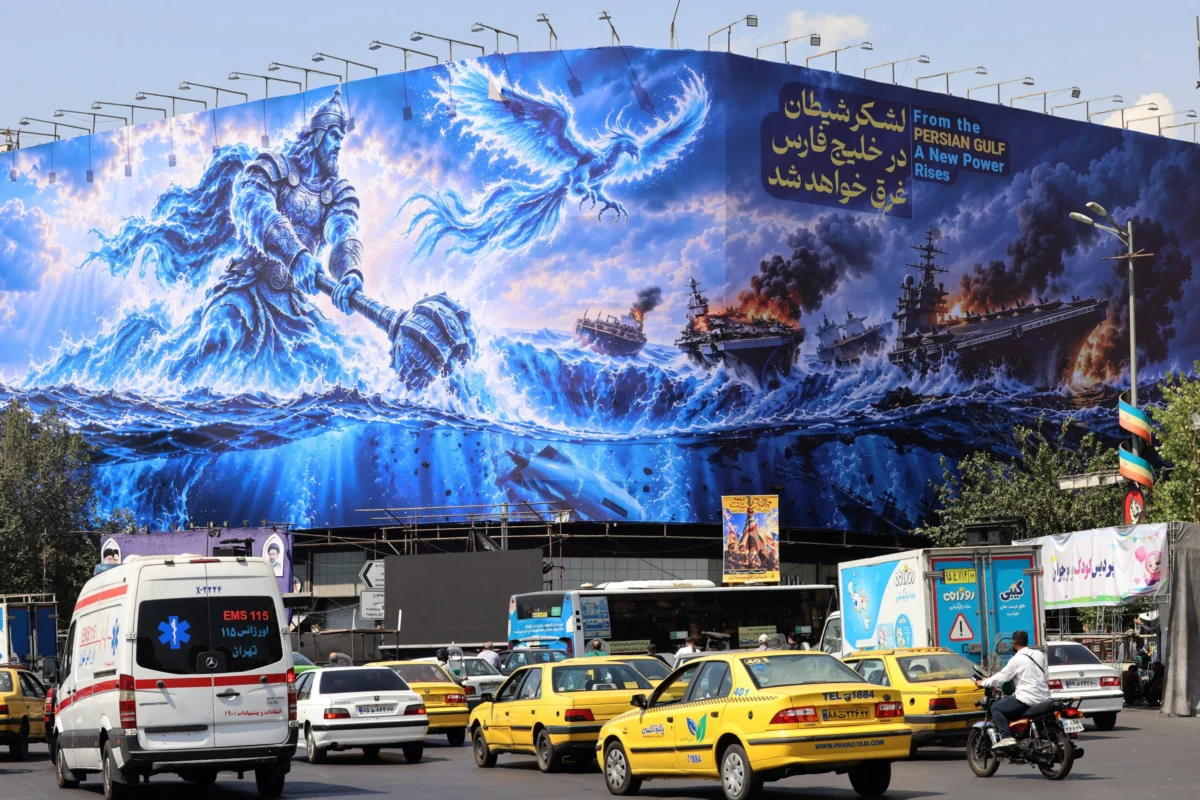
The cessation of oil loadings at Yanbu, a major Red Sea terminal, represents a substantial blow to global energy security. Yanbu is a cornerstone of Saudi Arabia’s oil export infrastructure, handling a significant portion of crude shipments, particularly those destined for European markets and bypassing the Strait of Hormuz. The decision to halt operations, coming shortly after the shutdown of the 1,200-kilometer East-West pipeline (also known as Petroline), which transports crude from the Kingdom’s eastern oil fields to the west coast, paints a grim picture for global supply chains. Saudi authorities have attributed these disruptions to a series of coordinated drone attacks, widely suspected to originate from Iran-backed Houthi rebels in Yemen, or other proxy groups operating within the region. While specific attribution often remains contested in the immediate aftermath of such incidents, the pattern of attacks on Saudi oil infrastructure has historically been linked to groups aligned with Tehran. The cumulative impact of these disruptions is expected to send ripples through international oil markets, potentially driving up crude prices and exacerbating inflationary pressures globally. Energy analysts are already forecasting a volatile period, with fears of supply shortages and increased geopolitical risk premiums.
Tehran’s Diplomatic Offensive: A Pivot to Beijing Amidst Conflict
Against this backdrop of regional conflict and economic disruption, Iranian Foreign Minister Hossein Amir-Abdollahian’s journey to Beijing is laden with strategic significance. The visit is widely interpreted as a concerted effort by Tehran to solidify its alliances and garner crucial economic and political support from a major global power as the "war" continues its relentless pace. China, a permanent member of the UN Security Council and the world’s largest energy consumer, has long maintained complex but robust ties with Iran, often serving as a critical lifeline for the Islamic Republic, particularly under international sanctions.
Iran’s outreach to China is not merely about shoring up existing relationships; it represents a strategic pivot towards the East, a calculated move to counterbalance Western pressure and sanctions. Tehran likely seeks Beijing’s diplomatic backing in international forums, especially concerning its nuclear program and regional security. Economically, China remains Iran’s largest trading partner, and Tehran will undoubtedly seek to expand trade, investment, and energy cooperation. This could include discussions on new oil export avenues, circumventing sanctions, and securing vital goods and technology for its economy and defense sectors. For China, maintaining a stable relationship with Iran is crucial for its energy security and its broader "Belt and Road Initiative," which envisions extensive infrastructure and trade networks across Eurasia. Beijing also seeks to exert its influence in the Middle East, positioning itself as a pragmatic alternative to Western powers. The visit, therefore, serves mutual strategic interests, albeit with different underlying motivations.
The Nuclear Impasse: IAEA and US Standoff
Further underscoring the depth of international friction, Iran’s nuclear chief was reportedly blocked from attending the annual general conference of the International Atomic Energy Agency (IAEA) in Vienna on September 14, 2026. According to Iranian state television, the denial of access was due to explicit opposition from the United States. This incident, occurring at the headquarters of the UN’s nuclear watchdog, highlights the persistent and profound disagreements surrounding Iran’s nuclear program.
The IAEA is tasked with monitoring Iran’s nuclear activities to ensure compliance with the Nuclear Non-Proliferation Treaty and any specific agreements, such as the Joint Comprehensive Plan of Action (JCPOA), if it were still in effect or subject to ongoing negotiations. The US’s alleged intervention to prevent Iran’s nuclear chief from attending such a critical forum signals a severe deterioration in diplomatic trust and underscores Washington’s deep-seated concerns regarding Tehran’s nuclear ambitions. These concerns typically revolve around Iran’s uranium enrichment levels, the transparency of its facilities, and the potential military dimensions of its program. The blocking of a senior official from an international conference is a rare and significant diplomatic snub, suggesting that the US believes Iran is either in significant violation of its commitments or is actively pursuing activities that undermine regional and global security. This incident further complicates any potential pathways for de-escalation or renewed negotiations on the nuclear issue, reinforcing Iran’s narrative of Western hostility and likely pushing it further into the arms of non-Western allies like China.
Escalation in the Gulf: Saudi Oil Under Siege
The drone attacks on Saudi oil infrastructure are not isolated incidents but rather the latest in a recurring pattern of assaults that have plagued the Kingdom for years. The East-West pipeline, critical for moving Saudi crude from its eastern fields to the Red Sea coast, allowing exports to bypass the Strait of Hormuz, has been a frequent target. The Yanbu port, located on the Red Sea, is equally vital, serving as a key export hub for crude oil and refined products. The repeated targeting of these strategic assets points to a deliberate campaign aimed at disrupting Saudi Arabia’s oil output and export capabilities, thereby impacting global energy markets and pressuring the Kingdom.
The perpetrators of these drone attacks, while not explicitly identified in the original report, are typically understood to be Iran-backed Houthi rebels in Yemen or other proxy groups operating from Iraq or within Saudi territory. These groups have demonstrated increasing sophistication in their drone and missile capabilities, posing a persistent threat to Saudi economic stability and regional security. Saudi Arabia’s Ministry of Energy, while confirming the operational pauses, has likely condemned these "terrorist acts" and reiterated its commitment to global energy market stability, even as it mobilizes its defenses and assesses the damage. The broader implications extend beyond immediate oil prices; they raise questions about the resilience of global energy infrastructure and the ability of states to protect their vital assets in an era of asymmetric warfare.
Chronology of Escalation (Hypothetical Context leading to September 14, 2026):
To understand the current crisis, it’s essential to consider a hypothetical timeline of escalating events that could have led to this point:
- Early 2020s: Continued breakdown of the JCPOA, with Iran accelerating its nuclear program in response to US sanctions and perceived lack of compliance from other signatories.
- Late 2023 – Early 2024: Increased proxy conflicts across the region. Escalation of Houthi attacks on Saudi Arabia and UAE, potentially using more advanced drones and missiles. Cyberattacks on critical infrastructure become more frequent.
- Mid-2024: Direct naval confrontations in the Persian Gulf or Red Sea, possibly involving Iranian naval forces or their proxies against US or allied vessels, raising alarm bells globally.
- Late 2024 – Early 2025: Significant drone and missile attacks directly targeting Saudi oil facilities, leading to temporary production cuts and a spike in oil prices. International condemnation of Iran, which denies direct involvement.
- Mid-2025: Western powers impose further rounds of sanctions on Iran, targeting its oil exports and financial sector, deepening its economic isolation. Iran responds by further advancing its nuclear program and increasing support for regional proxies.
- Late 2025: Heightened rhetoric between the US and Iran, with both sides conducting large-scale military exercises in the region. Calls for de-escalation from international bodies go largely unheeded.
- Early 2026: A major regional incident, perhaps a targeted strike or a significant cyberattack, pushes the region closer to an all-out war, leading to a "war drags on" scenario. Saudi Arabia experiences sustained attacks on its infrastructure.
- September 10, 2026: Reports emerge of drone attacks on the East-West pipeline, leading Saudi Arabia to pause operations for inspection and repairs.
- September 12, 2026: Further drone attacks target the vicinity of Yanbu port, prompting Saudi authorities to halt all oil loadings as a precautionary measure, citing security concerns.
- September 14, 2026: Iranian Foreign Minister embarks on his visit to China. Concurrently, news breaks that Iran’s nuclear chief was blocked from the IAEA conference in Vienna due to US opposition. The anti-US billboard in Tehran serves as a visible symbol of entrenched animosity.
Broader Impact and Implications
The ongoing "war" and these latest developments carry profound implications for regional stability and global affairs. Economically, sustained disruptions to Saudi oil exports could trigger a global energy crisis, pushing inflation higher and potentially tipping fragile economies into recession. Countries heavily reliant on Middle Eastern oil would face immediate challenges, while consumer prices for fuel and goods would inevitably rise worldwide.
Geopolitically, Iran’s intensified engagement with China signals a hardening of bloc divisions. It could strengthen a non-Western axis, further complicating efforts by the US and its allies to isolate Tehran. China’s increased role in the Middle East, while potentially offering a path for de-escalation through alternative diplomatic channels, could also exacerbate great power competition in a strategically vital region.
The diplomatic snub at the IAEA conference underscores the severe erosion of trust between Iran and Western powers. It sends a clear message that the US is unwilling to concede any diplomatic ground while Iran continues its nuclear advancements and regional destabilization activities. This could lead to a further entrenchment of positions, making future negotiations even more difficult and increasing the risk of miscalculation. The visual of the anti-US billboard in Tehran, declaring "The devil army will be drowned in the Persian Gulf," is a stark reminder of the deep ideological chasm and historical grievances that fuel the conflict, reflecting a public sentiment that complicates any leadership efforts towards reconciliation.
The humanitarian cost of a prolonged regional conflict, while not explicitly detailed in the provided snippet, would be immense, affecting millions through displacement, food insecurity, and the breakdown of essential services. International organizations would face overwhelming challenges in delivering aid and protecting civilians.
Official Responses and International Scrutiny (Inferred)
While no direct statements were provided, various parties would undoubtedly issue responses:
- Saudi Arabia: The Saudi Ministry of Energy or Foreign Ministry would likely issue strong condemnations of the drone attacks, labeling them as "acts of terrorism" and reaffirming their commitment to ensuring global energy supply, while taking all necessary measures to protect their infrastructure. They would likely call for international action against the perpetrators.
- United States: The US State Department would likely reiterate its concerns over Iran’s destabilizing activities in the region, condemning the attacks on Saudi infrastructure and supporting Saudi Arabia’s right to self-defense. Regarding the IAEA incident, Washington would likely justify its opposition by citing Iran’s non-compliance with international nuclear safeguards and its continued nuclear advancements, while urging Tehran to cooperate fully with the IAEA.
- China: The Chinese Foreign Ministry would likely confirm the visit of the Iranian Foreign Minister, emphasizing the long-standing friendly relations between the two countries. Beijing would likely call for de-escalation and dialogue in the Middle East, stressing its commitment to peace and stability, without explicitly endorsing or condemning specific actions by either side.
- Iran: The Iranian Foreign Ministry would likely portray the Foreign Minister’s visit to China as a success, highlighting the strengthening of bilateral ties and multilateral cooperation. Regarding the IAEA incident, Iranian state media would likely denounce the US’s "unilateral and hostile" actions, accusing Washington of politicizing international bodies and hindering diplomatic efforts, while asserting its right to peaceful nuclear technology.
- IAEA: The IAEA Director General would likely issue a statement expressing concern over the ongoing tensions and reiterating the agency’s commitment to verifying Iran’s nuclear program. While unlikely to directly comment on the blocking of an official, the agency would underscore the importance of full cooperation and access for its inspectors.
- Global Oil Markets: Analysts from institutions like the International Energy Agency (IEA) or OPEC would likely release reports assessing the impact of the Saudi oil disruptions on global supply, demand, and prices, urging producers and consumers to exercise caution and prepare for market volatility.
In conclusion, the confluence of Iran’s intensified diplomatic outreach to China, the severe disruption of Saudi oil exports due to drone attacks, and the diplomatic standoff at the IAEA conference paints a grim picture of a region teetering on the brink. The "war" continues to exact a heavy toll, reshaping geopolitical alliances, threatening global economic stability, and underscoring the urgent need for concerted international efforts to de-escalate tensions and find pathways towards a lasting peace, however distant that prospect may currently appear.
