

The retail landscape is undergoing a profound transformation, with specialty apparel chains like Destination XL and Torrid increasingly prioritizing digital channels and recalibrating their brick-and-mortar footprints. This strategic pivot is a direct response to evolving consumer behaviors, a heightened demand for online convenience, and the enduring quest for a seamless, discreet shopping experience that often eludes traditional physical stores. The decisions by these prominent retailers, catering to specific body types, underscore a broader industry trend where operational efficiency and digital prowess are becoming paramount for sustained growth and profitability.
The challenges confronting brick-and-mortar retailers are multifaceted, ranging from escalating operational costs to a fundamental shift in how consumers prefer to interact with brands. For specialty segments, the in-store experience can be particularly fraught with sensitivities. Consider, for instance, a recent incident at a popular tuxedo rental chain, illustrative of the delicate nature of customer interactions in apparel retail. A customer, having made significant progress in weight loss, sought a tuxedo. The initial jacket, while a good fit in some aspects, would not button. The clerk’s subsequent suggestion of a "husky" line, despite the official and more tactful "executive fit" designation, highlighted a critical point of friction. Even after a swift correction, the initial terminology created an immediate discomfort, undermining the customer’s confidence and potentially eroding the positive sentiment derived from personal achievements. Such instances, where a lack of sensitivity or outdated terminology can inadvertently alienate customers, serve as stark reminders of why the anonymity and expansive selection offered by online shopping are increasingly appealing to many Americans. This sentiment is particularly strong among consumers who may feel self-conscious or prefer privacy when shopping for apparel in specialized sizes.
Torrid’s Aggressive Digital Shift and Store Closures
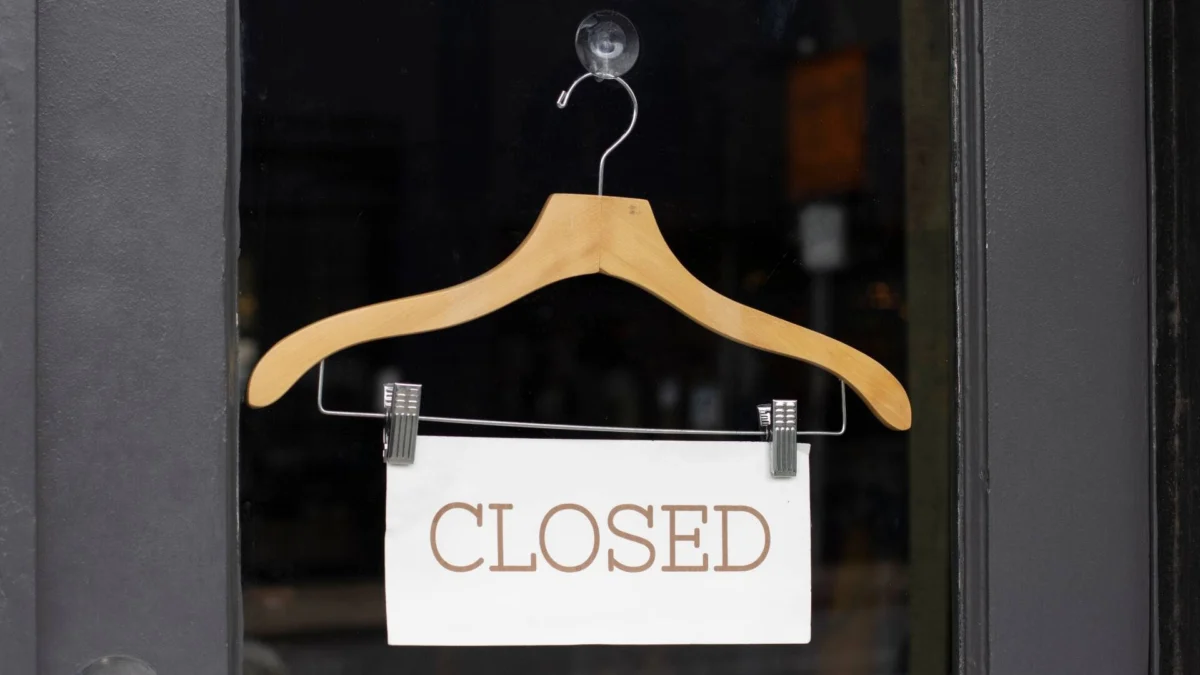
Leading the charge in this digital acceleration is Torrid, a prominent retailer specializing in plus-size women’s apparel. The company has made significant strides in optimizing its operational model to align with contemporary consumer preferences, a strategy that has included the closure of nearly 200 physical stores. This substantial reduction in its retail footprint reflects a strategic response to the undeniable surge in digital engagement.
During the company’s first-quarter 2025 earnings release, CEO Lisa Harper unequivocally articulated the company’s direction. "Digital continues to be our customers’ preferred channel, now approaching 70% of total demand. We’re accelerating our transformation to a more digitally-led business, which includes optimizing our retail footprint," Harper stated. This declaration signifies more than just a preference; it represents a dominant channel for customer interaction and sales generation. The statistic that nearly 70% of total demand originates from digital platforms illustrates a fundamental shift in where Torrid’s customers are choosing to shop. It implies that a significant portion of the customer base values the convenience, breadth of selection, and privacy that online platforms offer, often more than the traditional in-store experience.
Torrid’s journey to becoming a digitally-led enterprise is a testament to its agility in adapting to market dynamics. Historically, physical stores were crucial for customers to try on clothing, understand sizing, and engage with sales associates. However, advancements in online sizing guides, virtual try-on technologies, detailed product descriptions, and robust return policies have mitigated many of these traditional barriers. Furthermore, the company has likely invested heavily in its e-commerce infrastructure, mobile experience, and digital marketing campaigns to effectively capture and convert this burgeoning online demand. The decision to close a substantial number of stores, while challenging from an operational standpoint, is a calculated move to reduce occupancy costs, streamline supply chains, and reallocate resources towards bolstering its digital capabilities. This strategic divestment from less productive physical assets allows Torrid to invest more in areas like data analytics, personalized customer experiences, and efficient fulfillment, all critical components of a successful digitally-led business.
Destination XL’s Comprehensive Portfolio Review
Following a similar trajectory of strategic re-evaluation, Destination XL (DXL), a leading specialty retailer for "big and tall" men, has also embarked on a rigorous examination of its store portfolio. The company’s leadership has signaled a proactive approach to optimizing its physical presence, recognizing the imperative to enhance financial performance and asset utilization in a competitive retail environment.
During DXL’s second-quarter earnings call, CFO Peter Stratton provided insights into the company’s meticulous approach. "We continue to look very carefully at SG&A across the organization, reducing corporate expenses where appropriate and rationalizing our store base over the next several years as leases expire or kickout rights become available. The punchline here is we need to improve our return on assets. Targeting stores that have a high probability of transferring volume to another store allows us to make the total store portfolio more productive," Stratton elaborated. This statement outlines a sophisticated strategy that goes beyond simple store closures; it’s about intelligent portfolio management.
"Rationalizing our store base" involves a methodical review of each location’s performance, profitability, and strategic importance. DXL is not merely closing underperforming stores but is identifying locations where customer traffic and sales can be efficiently absorbed by other nearby stores within the same market. This minimizes customer disruption while maximizing the productivity of the remaining outlets. The mention of "leases expire or kickout rights become available" points to a financially prudent approach, avoiding costly early lease terminations and leveraging contractual flexibility to exit less desirable locations. Kickout clauses, common in commercial leases, allow tenants to terminate a lease early under specific conditions, often related to sales performance or market changes, providing DXL with an agile mechanism to adjust its physical footprint.
Stratton further clarified the timeline and anticipated impact of these measures. "In certain markets, we believe there are opportunities to rationalize high occupancy stores and redirect customers to other stores in the market. The store rationalization work will have limited impact in 2026, but it is expected to reduce occupancy and store operating costs beginning in 2027 and beyond." This phased approach suggests a careful planning process, allowing for smooth transitions for both employees and customers. The immediate financial impact in 2026 might be minimal due to the lead time required for lease negotiations and operational adjustments, but the long-term benefits in terms of reduced occupancy and operating costs from 2027 onwards are projected to be substantial, contributing directly to improved profitability and return on assets.
The Broader Context: A Digital Retail Revolution
The strategic adjustments by Torrid and Destination XL are not isolated incidents but rather symptomatic of a sweeping digital retail revolution that has been gaining momentum for over a decade and was significantly accelerated by global events in the early 2020s. E-commerce has fundamentally reshaped consumer expectations, offering unparalleled convenience, a vast array of choices, and competitive pricing often unattainable in physical stores.
For specialty retailers, the shift carries particular weight. Consumers seeking apparel in extended or specific sizing often face challenges in traditional department stores, where selection might be limited or the shopping experience less tailored. Online platforms, conversely, can host extensive inventories, allowing for a broader range of styles, sizes, and brands. Furthermore, for individuals who may feel self-conscious about their body size, the privacy of online shopping provides a comfortable alternative to potentially awkward in-store interactions. The personal anecdote regarding the "husky" line, while specific, reflects a broader concern among consumers for respectful and understanding service, particularly in sensitive product categories.
The rise of GLP-1 (Glucagon-Like Peptide-1) agonist drugs for weight management adds another interesting layer to this evolving dynamic. As more individuals achieve significant weight loss through these medical advancements, their confidence in fashion choices may increase, and their perception of "fitting in" with standard sizing might shift. This could lead to different shopping behaviors, potentially making them more discerning about both the in-store experience and the variety available online. Retailers must be attuned to these societal shifts, ensuring their messaging and service models are inclusive and empowering.
Financial and Operational Implications
The decisions to rationalize store bases are primarily driven by financial imperatives. Brick-and-mortar stores incur substantial fixed costs, including rent, utilities, property taxes, and staffing. In an environment where foot traffic is declining and a significant portion of sales are migrating online, these costs can disproportionately impact profitability. By strategically reducing their physical footprint, retailers can improve their selling, general, and administrative (SG&A) expenses, which directly translates to better margins and a healthier bottom line.
Moreover, a more productive store portfolio means that the remaining stores are generating higher sales per square foot, contributing more significantly to the overall profitability. The strategy of "transferring volume" to existing stores is crucial here; it aims to consolidate sales rather than lose them entirely. This requires robust data analytics to understand customer demographics and purchasing patterns within specific geographic markets.
Operationally, these transitions are complex. They involve managing lease terminations, relocating or laying off employees, liquidating inventory, and ensuring a seamless transition for loyal customers. Retailers must invest in enhanced online customer service, efficient fulfillment centers, and robust logistics to handle the increased digital demand. The goal is to create an omnichannel experience where the online and offline channels complement each other, offering flexibility and convenience to the consumer. For instance, services like Buy Online, Pick Up In Store (BOPIS) or Ship From Store (SFS) can leverage the remaining physical locations as mini-distribution hubs, blending the efficiency of digital with the immediacy of physical presence.
The Future of Specialty Retail: An Omnichannel Imperative
The future of specialty retail is undoubtedly omnichannel. While digital channels are becoming the preferred mode for transactions, physical stores still hold value as brand touchpoints, for product discovery, and for personalized services like alterations or style consultations. The model is shifting from an expansive network of large stores to a more curated and strategically placed footprint, potentially featuring smaller format stores, pop-up shops, or experiential showrooms that focus on brand engagement rather than solely on inventory.
For Torrid and Destination XL, success in this new era will hinge on their ability to continually innovate their digital platforms, refine their understanding of customer data, and deliver exceptional customer service across all touchpoints. This includes ensuring that their online sizing tools are accurate, their return processes are hassle-free, and their digital marketing is highly targeted. Simultaneously, their remaining physical stores must offer a compelling reason for customers to visit, perhaps through enhanced personal styling services, exclusive in-store events, or a more elevated shopping ambiance that overcomes the potential for uncomfortable interactions.
The shift observed with Torrid and Destination XL is a microcosm of a larger industry evolution. Retailers across all sectors are grappling with the dual challenge of optimizing their physical assets while aggressively expanding their digital capabilities. Those that can effectively blend the best of both worlds – the convenience and reach of e-commerce with the curated experience and human touch of physical retail – will be best positioned to thrive in this new, digitally-led retail landscape. The era of sprawling, undifferentiated physical footprints is waning, replaced by a more agile, data-driven, and customer-centric approach that prioritizes efficiency and a superior, holistic shopping journey.
