

The global economic landscape is once again approaching a critical juncture, echoing the circumstances that led to the landmark Plaza Accord of 1985. As then, the United States and its major trading partners are increasingly facing the necessity of coordinated policy action to address significant global economic imbalances, with China’s currency policy at the heart of the matter. The current situation, characterized by what many perceive as an undervalued Chinese Renminbi (RMB), is unsustainable and risks prolonged economic instability if left unchecked. This assertion, penned by veteran economist Jim O’Neill, suggests a potent parallel between the economic pressures of the mid-1980s and the challenges confronting the world economy today.
Historical Precedent: The Plaza Accord of 1985
To understand the urgency of the current call for action, it is crucial to revisit the events of 1985. The mid-1980s saw the United States grappling with a substantial trade deficit and a strong dollar, which made American exports expensive and imports cheap. This imbalance was largely attributed to the economic policies of Japan and West Germany, whose currencies were perceived to be undervalued relative to the dollar. The Reagan administration, facing mounting pressure from domestic industries, sought international cooperation to rebalance global trade flows.
On September 22, 1985, finance ministers and central bank governors from the G-5 nations – the United States, Japan, West Germany, France, and the United Kingdom – met at the Plaza Hotel in New York City. The resulting Plaza Accord was an agreement to depreciate the U.S. dollar in relation to the Japanese yen and the German Deutschmark through coordinated intervention in currency markets. The G-5 nations pledged to sell dollars and buy yen and Deutschmarks, thereby increasing the supply of dollars and decreasing the supply of these other currencies.
The impact of the Plaza Accord was swift and significant. The U.S. dollar depreciated sharply against the yen and the Deutschmark. For instance, the dollar fell from approximately 240 yen to around 150 yen within two years. This currency realignment aimed to make U.S. exports more competitive and imports less attractive, thereby reducing the U.S. trade deficit. While the accord achieved its primary objective of weakening the dollar, it also had profound, and in some cases unintended, consequences for the economies of Japan and Germany, contributing to asset bubbles in Japan and slower growth in Germany.
The Current Imbalance: China’s Role
Fast forward to the present, and the global economic architecture faces a different, yet similarly concerning, set of imbalances. China, now the world’s second-largest economy and a dominant global trading power, has been a central player in these discussions. For years, many international observers and trading partners have argued that China has maintained an artificially low exchange rate for its currency, the Renminbi (RMB), often referred to as the Yuan.
This strategy, proponents of this view argue, has served to make Chinese exports exceptionally cheap on the global market, while simultaneously making imports into China more expensive. This has fueled China’s massive trade surpluses and contributed to the trade deficits of many of its trading partners, particularly the United States. The economic theory behind this is straightforward: a weaker currency makes a country’s goods cheaper for foreign buyers and makes foreign goods more expensive for domestic consumers, leading to increased exports and decreased imports.
Economic Data Supporting the Claim
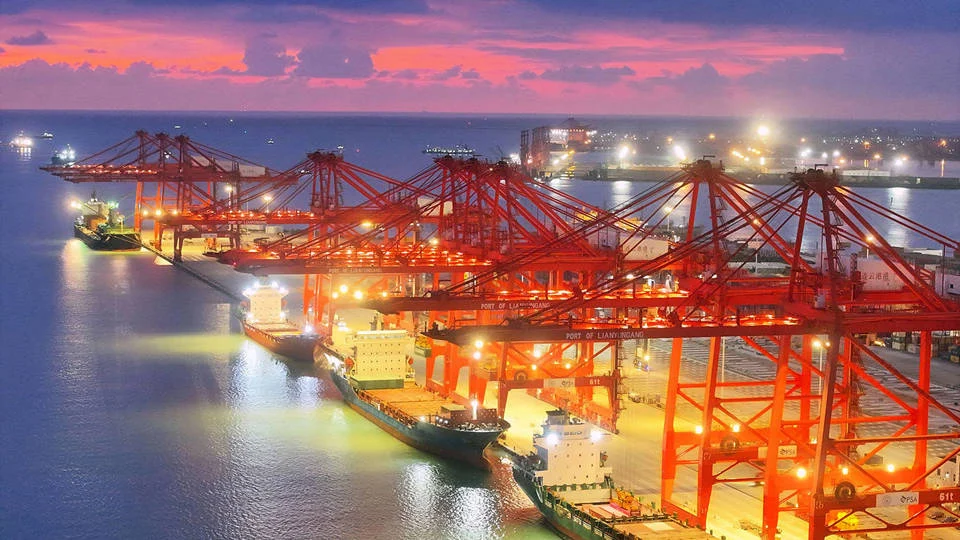
Supporting data underscores the scale of these imbalances. For decades, China has consistently run substantial trade surpluses. For example, in 2023, China’s trade surplus reached a record $823 billion, a significant increase from previous years. This surplus is not a fleeting phenomenon but a persistent trend, reflecting a structural advantage derived, in part, from its currency management.
Furthermore, the International Monetary Fund (IMF) and various economic research institutions have, at different times, assessed the RMB as being undervalued. While China has gradually allowed for more flexibility in its currency since 2005, moving away from a strictly pegged system to a managed float, critics argue that the pace of appreciation has been too slow to counteract the accumulated effects of years of undervaluation and to address current imbalances effectively. The sheer volume of goods flowing out of China and the persistent trade deficits experienced by many developed nations paint a stark picture of a global economy heavily influenced by China’s trade and currency policies.
The Unsustainability of the Status Quo
Jim O’Neill’s assertion that the situation “simply cannot be sustained indefinitely” is a sentiment echoed by many economists and policymakers. Prolonged and significant trade imbalances can lead to a variety of negative economic consequences:
- Protectionist Pressures: Persistent trade deficits can fuel protectionist sentiments in deficit countries, leading to calls for tariffs, quotas, and other trade barriers. This can escalate into trade wars, disrupting global supply chains and hindering economic growth for all involved.
- Currency Volatility: While China’s currency has been managed, market forces can eventually assert themselves. A sudden or uncontrolled depreciation or appreciation could trigger significant financial instability.
- Stagnation in Deficit Countries: Countries running large trade deficits may experience slower domestic economic growth as demand shifts towards cheaper imports. This can lead to job losses in domestic industries and a general weakening of their economic base.
- Global Economic Imbalances: Large and persistent imbalances can create a fragile global financial system, prone to shocks and crises.
The Case for Coordinated Action
The analogy to the Plaza Accord is compelling because it highlights the potential effectiveness of coordinated international action. Just as the G-5 nations came together to address the dollar’s strength, a similar concerted effort today could aim to rebalance global trade flows and foster a more stable economic environment.
A new agreement would likely involve a multifaceted approach, potentially including:
- Currency Revaluation: China could be encouraged or pressured to allow for a more significant and rapid appreciation of the RMB, making its exports more expensive and imports cheaper.
- Fiscal Policy Coordination: Major economies could coordinate their fiscal policies to stimulate demand in deficit countries and temper it in surplus countries, thereby reducing trade imbalances.
- Structural Reforms: China might be encouraged to implement structural reforms that boost domestic consumption and reduce its reliance on exports. Similarly, deficit countries might be urged to implement reforms that enhance their export competitiveness.
- Market Intervention (Less Likely): Direct intervention in currency markets, as seen in the Plaza Accord, is less likely to be the primary tool today, given the complexity of global capital flows and the size of the Chinese economy. However, coordinated statements and policy signals could still exert significant influence.
Potential Reactions and Implications
If such a coordinated effort were to materialize, the reactions from various parties would be varied and complex.
- China: Beijing would likely resist any overt pressure to significantly revalue its currency, emphasizing its right to manage its own economic policies and highlighting the potential negative impacts of rapid currency appreciation on its export-oriented industries and employment. However, China is also a major beneficiary of global economic stability and would likely engage in diplomatic efforts to find a mutually acceptable path.
- United States: The U.S. government, particularly if facing significant trade deficits, would likely be a strong proponent of such an accord, seeing it as an opportunity to address long-standing grievances regarding China’s trade practices.
- European Union and Other Trading Partners: Other major economies, such as the EU and Japan, would likely be cautious but interested. They would seek assurances that any agreement would not unduly harm their own economies and would aim for a broad-based rebalancing that benefits the global system.
- International Financial Institutions: The International Monetary Fund (IMF) would likely play a crucial role in facilitating discussions, providing analysis, and monitoring compliance with any agreed-upon measures.
The implications of a new accord would be far-reaching:
- Global Trade Dynamics: A rebalancing of currencies and trade flows could lead to a more equitable distribution of global economic benefits and a reduction in trade tensions.
- Commodity Prices: Changes in currency values and trade patterns could impact global commodity prices, as demand and supply dynamics shift.
- Investment Flows: Investment patterns could change as countries adjust their economic strategies and currency valuations.
- Economic Growth: Ultimately, the goal of such an accord would be to foster more sustainable and balanced global economic growth, reducing the risk of crises and promoting shared prosperity.
The Path Forward: A Need for Dialogue and Action
The call for a new "Plaza Accord" is not merely a historical echo but a recognition of the urgent need to address fundamental global economic imbalances. While the specifics of any such agreement would differ significantly from its 1985 predecessor, the underlying principle – that coordinated international action is necessary to maintain global economic stability – remains as relevant as ever. The continued undervaluation of the Renminbi, coupled with persistent trade deficits, poses a significant risk to the global economy. Whether policymakers can muster the political will and diplomatic finesse to forge a new consensus remains to be seen, but the economic imperative for action is becoming increasingly clear. The rhyming of history, as O’Neill suggests, may be a warning as much as an observation, signaling that inaction could lead to a repetition of past economic disruptions, albeit in a new and potentially more complex global setting.
