

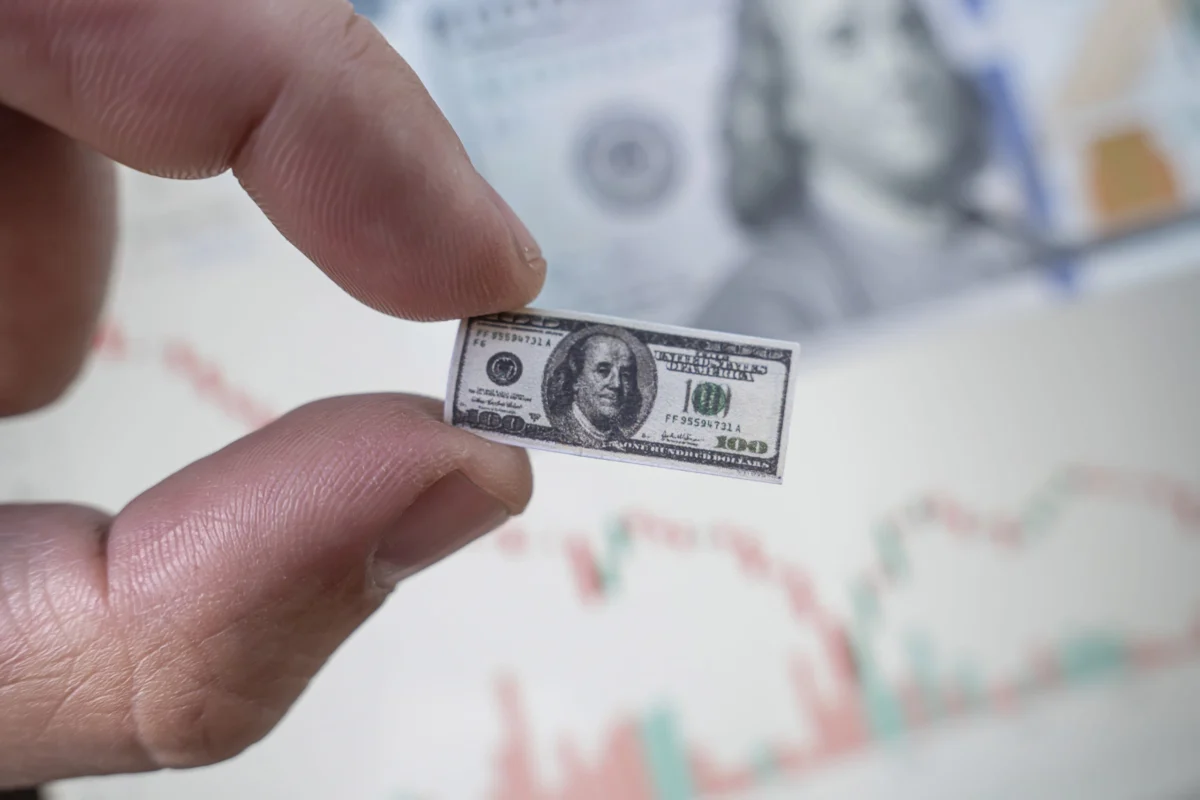
Americans are once again facing a significant squeeze on their household budgets, as inflation has begun to outpace wage growth, eroding the purchasing power of their hard-earned money. This trend, a stark reversal from a period of relative parity, is adding considerable pressure to consumer wallets and signals a challenging economic landscape ahead.
"A substantial number of Americans are worse off; their incomes are not keeping up with the price increases right now," Heather Long, chief economist at Navy Federal Credit Union, stated in a recent interview, highlighting the widespread impact of this economic shift.
Recent data from the U.S. Bureau of Labor Statistics (BLS) paints a clear picture of this widening gap. In August, consumer prices rose by 3.4% compared to the same month a year prior. This figure, while a slight moderation from earlier peaks, remains stubbornly elevated. In contrast, average hourly earnings, a key indicator of worker compensation, saw an increase of just 3.1% over the same twelve-month period. This disparity means that, in real terms, adjusted for the rising cost of living, average hourly earnings actually fell by 0.3% from August 2023 to August 2024. Furthermore, a month-over-month comparison revealed a 0.1% decline in real average hourly earnings from July to August, underscoring the immediate impact on consumers’ day-to-day spending power.
This divergence between inflation and wage increases is a direct indication that workers are losing ground in their ability to afford goods and services. "The basics are that inflation is wiping out wage gains," Long explained, pinpointing April as a significant turning point. Prior to this month, for an extended period, wage growth had generally kept pace with, or even slightly exceeded, inflation.
A Brief Respite and the Return of Pressure
From May 2023 through approximately April of the current year, American workers had been slowly but surely regaining lost purchasing power. This period offered a welcome reprieve after the intense inflationary pressures experienced in the aftermath of the COVID-19 pandemic. Long herself had previously charted this positive trend, emphasizing that despite lingering consumer frustrations over the overall price level, wages were gradually catching up, providing some economic relief.
However, this progress began to reverse in the spring, largely driven by a significant surge in energy costs. "That’s what’s just hard to watch. Things were getting better, and now that improvement has blown up," Long lamented, articulating the disappointment felt by many as their financial stability appears to be unraveling once again.
The Lingering Impact of Energy Prices and Geopolitical Factors
Energy prices have emerged as a primary driver of the renewed inflationary pressures. In August alone, gasoline prices climbed by 3.9%, contributing to more than one-third of the total increase in the Consumer Price Index (CPI) for that month. The ripple effect of these energy costs is being felt across the economy, impacting transportation, manufacturing, and ultimately, consumer goods.
Adding to the complexity of the energy market, diesel fuel prices touched $6 per gallon on a recent Friday. This milestone underscores the ongoing fuel supply disruptions that are being exacerbated by geopolitical conflicts, specifically the wars in Iran and Ukraine. These international tensions have created significant uncertainties in global energy markets, leading to price volatility and contributing to the inflationary headwinds faced by American consumers.
Navy Federal Credit Union has previously highlighted the impact of these energy price shocks on household finances. Their research indicated that gasoline prices surged by an estimated 21% in March, a development that significantly contributed to a record high in their measure of car ownership costs. This increased cost of personal transportation directly impacts a large segment of the population, particularly those who rely on vehicles for their daily commute and essential errands.
A Grim Outlook for the Near Future
Looking ahead, economists like Heather Long express concerns about the immediate future, suggesting that a substantial decline in inflation is unlikely as long as geopolitical pressures persist and wage growth continues to decelerate. "It’s going to be tough for a long time," she stated, offering a somber outlook for household finances.
The most optimistic scenario, according to Long, involves wage growth and inflation converging once again, potentially around the beginning of 2027. However, even in this best-case scenario, she cautions that a situation where inflation merely matches wage growth would still feel "pretty miserable on Main Street," as it implies a lack of real income gains and continued strain on affordability.
The prolonged period of reduced purchasing power is already beginning to manifest in consumer spending patterns. Consumer spending is a critical component of the U.S. economy, accounting for roughly two-thirds of all economic activity. As households find their paychecks buying less, a more cautious approach to spending is anticipated. This shift in consumer behavior can have significant implications for businesses across various sectors, potentially leading to reduced demand for non-essential goods and services.
Consumers Adjusting Their Spending Habits
The economic squeeze and the resulting changes in consumer behavior are increasingly evident in available data. Research from YouGov indicates a notable shift in grocery shopping habits, with higher-income shoppers more inclined to frequent warehouse clubs like Costco. Conversely, middle- and lower-income households are demonstrating a preference for discount retailers such as Walmart Supercenter for their grocery needs.
This trend towards seeking greater value and stretching every dollar is also being observed in Navy Federal’s internal spending data, which analyzes the transactions of approximately 15 million members. Long noted a discernible pattern of consumers trading down to more affordable options. "People who used to shop at Whole Foods are now at Costco, Aldi, and so you can see that people are still really trying to stretch every dollar," she observed. This behavior, she added, is appearing "almost across the income spectrum," indicating that the affordability challenge is not confined to a single demographic.
The frustration and anxiety surrounding inflation and the cost of living are palpable among consumers. This sentiment underscores the significant psychological impact of economic uncertainty and the daily struggle to maintain a comfortable standard of living. As the gap between income and expenses widens, consumers are forced to make difficult choices, prioritizing essential needs and cutting back on discretionary spending.
Broader Economic Implications and Potential Policy Responses
The current economic climate raises several questions about the broader implications for the U.S. economy. A sustained period of reduced consumer spending could lead to slower economic growth, potentially impacting employment figures and business investment. Policymakers at the Federal Reserve will be closely monitoring these trends as they consider their next steps regarding interest rates. While higher interest rates can help curb inflation, they also tend to dampen economic activity.
The current situation presents a delicate balancing act for economic authorities. They must find ways to bring inflation under control without triggering a significant economic downturn. The interplay of global events, such as ongoing conflicts and supply chain vulnerabilities, adds another layer of complexity to this challenge.
Analysts suggest that a multifaceted approach may be necessary to address the current economic pressures. This could include efforts to stabilize global energy markets, invest in domestic energy production to reduce reliance on volatile international sources, and implement targeted policies to support low- and middle-income households disproportionately affected by inflation. Furthermore, fostering an environment that encourages sustained and meaningful wage growth will be crucial for restoring consumer confidence and ensuring long-term economic prosperity. The coming months will be critical in determining whether the current trend of eroding purchasing power can be reversed, offering a path towards greater financial stability for American families.
