

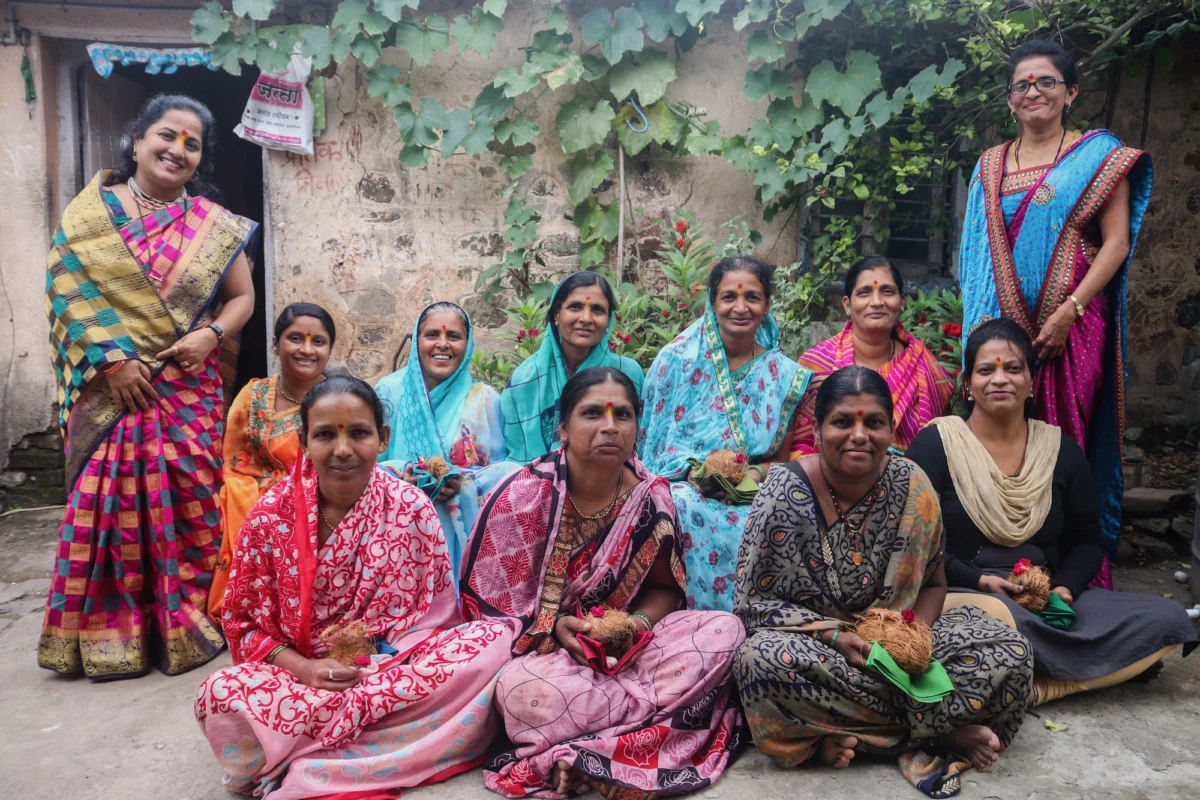
In the sprawling landscape of India’s public healthcare system, a silent crisis is unfolding within the aging female population, often obscured by cultural taboos and a medical framework that prioritizes maternal health over geriatric or midlife care. Menopause, a natural biological transition typically occurring between the ages of 45 and 55, is increasingly being recognized not just as a reproductive milestone, but as a period of significant mental health vulnerability. In India, where access to specialized mental healthcare is a luxury reserved for the urban elite, a network of over one million community health workers known as Accredited Social Health Activists (ASHAs) has begun to fill a critical void. Despite having no formal training in menopause management, these women are stepping into the roles of counselors and advocates, challenging the normalization of menopausal suffering and preventing a burgeoning mental health epidemic among rural and semi-urban women.

The Human Cost of Unrecognized Transition
The experience of Sanjivani Patil, a resident of Badlapur in Maharashtra, serves as a poignant case study for the systemic failures surrounding menopausal care. At age 42, Patil began experiencing the classic physiological markers of perimenopause: irregular and excessive bleeding, night sweats, and a slowed metabolism. However, it was the psychological toll that proved most devastating. Patil reported feeling restless, suicidal, and deeply depressed—symptoms that were consistently dismissed by her social circle and family as "normal" consequences of aging.
This normalization of pain is a pervasive issue in Indian society. When Patil’s blood pressure spiked, leading to hospitalization, the underlying cause—the hormonal upheaval of the menopausal transition—remained unaddressed. The lack of a support system pushed her to the brink of suicide. Her story is far from unique; an analysis of over 28,000 women in India revealed that nearly 20 percent of postmenopausal women aged 50 and older live with clinical depression. Yet, because menopausal mental health is not routinely monitored, these figures are likely underestimations of the true scale of the problem.

The intervention that saved Patil’s life did not come from a clinical psychologist or a specialized menopause clinic. Instead, it came from a phone call from Netradipa Patil, a fellow ASHA worker and union leader located 370 kilometers away. This peer-to-peer support, born out of the solidarity of the ASHA network, highlights a grassroots evolution in healthcare delivery where workers are expanding their mandates to meet the real-world needs of their communities.
The ASHA Network: From Maternal Care to Mental Health
The ASHA program was established in 2005 under India’s National Rural Health Mission. Originally designed to bridge the gap between the community and the public health system, ASHAs were tasked primarily with improving maternal and child health outcomes, such as increasing institutional deliveries and immunization rates. They are classified as "voluntary" workers, receiving performance-based incentives rather than a fixed salary, a status that has led to widespread protests and unionization efforts for better pay and working conditions.

Over the last two decades, the responsibilities of ASHAs have expanded exponentially. They were the frontline of India’s COVID-19 response, they manage tuberculosis care, screen for non-communicable diseases, and lead family planning initiatives. The unofficial addition of menopause counseling to their workload is a testament to their deep integration into the lives of the women they serve. Netradipa Patil, representing 3,000 health activists, recognized that Sanjivani’s withdrawal and subsequent diagnosis of depression were likely linked to her hormonal changes.
In the absence of a formal government curriculum for menopause, Netradipa utilized psychosocial support techniques, advising meditation and deep-breathing exercises. This informal care network is often the only defense Indian women have against the "medical gaslighting" that frequently occurs when they present menopausal symptoms to general practitioners who may lack specific training in neuro-endocrinology.

The Medical Misconception: Why Standard Treatments Fail
A significant barrier to effective menopausal care is the prevailing medical view that menopausal depression is identical to other forms of clinical depression. Dr. Jayashri Kulkarni, director of health education and research at Monash University’s Women’s Mental Health Center, emphasizes that the fluctuating nature of hormones during the transition requires a specialized approach.
Standard blood tests often measure hormone levels in the peripheral blood, which Kulkarni argues is a poor indicator of the hormonal fluctuations occurring within the brain. When women are prescribed standard antidepressants without consideration for these hormonal shifts, the treatments often prove ineffective. Sanjivani Patil experienced this firsthand, growing frustrated with a regimen of antidepressants that failed to address the root cause of her symptoms.

Furthermore, the "disease model" of menopause—viewing it as an illness to be cured rather than a life stage—contributes to the stigma. Professor Martha Hickey of the University of Melbourne suggests that framing menopause as a period of "decline and decay" prevents women from seeking help and stops society from valuing the contributions of older women. This cultural framework often leads to extreme medical interventions in India, such as the overuse of hysterectomies. National Family Health Surveys indicate that 10 percent of Indian women have undergone a hysterectomy by age 50, often as a "quick fix" for menstrual irregularities that could be managed with less invasive, hormone-based treatments.
Art Therapy and the Path to Flourishing
As the medical community grapples with the limitations of pharmacological interventions, alternative therapies are gaining empirical support. Sanjivani Patil’s recovery was significantly aided by her return to poetry and the creation of "rangolis"—intricate floor designs made from colored powders. Netradipa Patil encouraged these creative outlets as a form of mindfulness and a way to rebuild lost self-confidence.

This approach is mirrored in international research. A randomized trial in Turkey found that mandala coloring significantly reduced menopausal anxiety. Similarly, music therapy—specifically listening to calming melodies—has been shown to improve sleep quality and reduce depressive symptoms in menopausal women. A review of 30 randomized trials involving over 3,500 women confirmed that psychosocial interventions, including cognitive-behavioral therapy (CBT) and support groups, are essential components of holistic menopause care.
These findings suggest a shift in how researchers view the menopausal transition. Instead of focusing solely on symptom management, there is a growing movement to explore how women can "flourish" during this stage. For Sanjivani, the process of healing transformed her into an advocate. She now maintains a registry of women in her community experiencing similar symptoms, ensuring they receive proper treatment and counseling.

Broader Implications and the Need for Policy Reform
The efforts of ASHAs like Netradipa and Sanjivani Patil are heroic, but they also expose a systemic failure. India has fewer than 4,000 clinical psychologists for a population of 1.4 billion. In this vacuum, the burden of mental health care falls on underpaid, overworked women who are themselves often navigating the same health challenges.
The implications for public health policy are clear. There is an urgent need for the Indian government to:

- Formalize Menopause Training: Incorporate menopause-related mental health into the formal training curriculum for ASHA workers and primary health center (PHC) doctors.
- Standardize Compensation: Recognize the expanded role of ASHAs by providing fair, fixed salaries that reflect their contribution to mental health and non-communicable disease management.
- Integrated Care Models: Develop "Midlife Clinics" that offer a combination of hormonal therapy, psychosocial counseling, and art-based interventions.
- Public Awareness Campaigns: Launch national initiatives to de-stigmatize menopause, moving the conversation away from "decline" and toward "transition and growth."
The "chain of healing" initiated by Sanjivani Patil, where survivors become advocates, offers a scalable model for community-based mental health. However, without institutional support, this model remains fragile. As India’s demographic profile shifts and the number of women in the menopausal age bracket grows, the country cannot afford to overlook the mental health of its "backbone" workforce.
The story of the ASHA workers in Maharashtra is not just a story of medical intervention; it is a story of resistance against the invisibility of aging women. By reclaiming the narrative of menopause through poetry, rangoli, and peer support, these women are proving that while the biological transition is inevitable, the accompanying suffering is not. They are building a future where menopause is recognized as a stage of life that deserves dignity, specialized care, and the opportunity for personal flourishing.
