

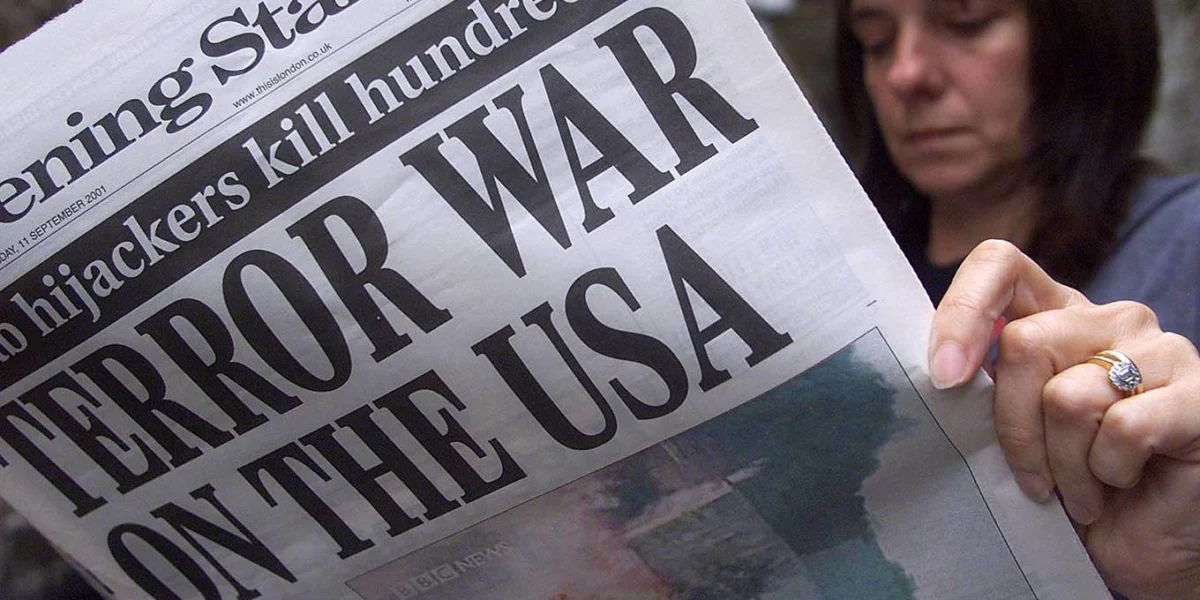
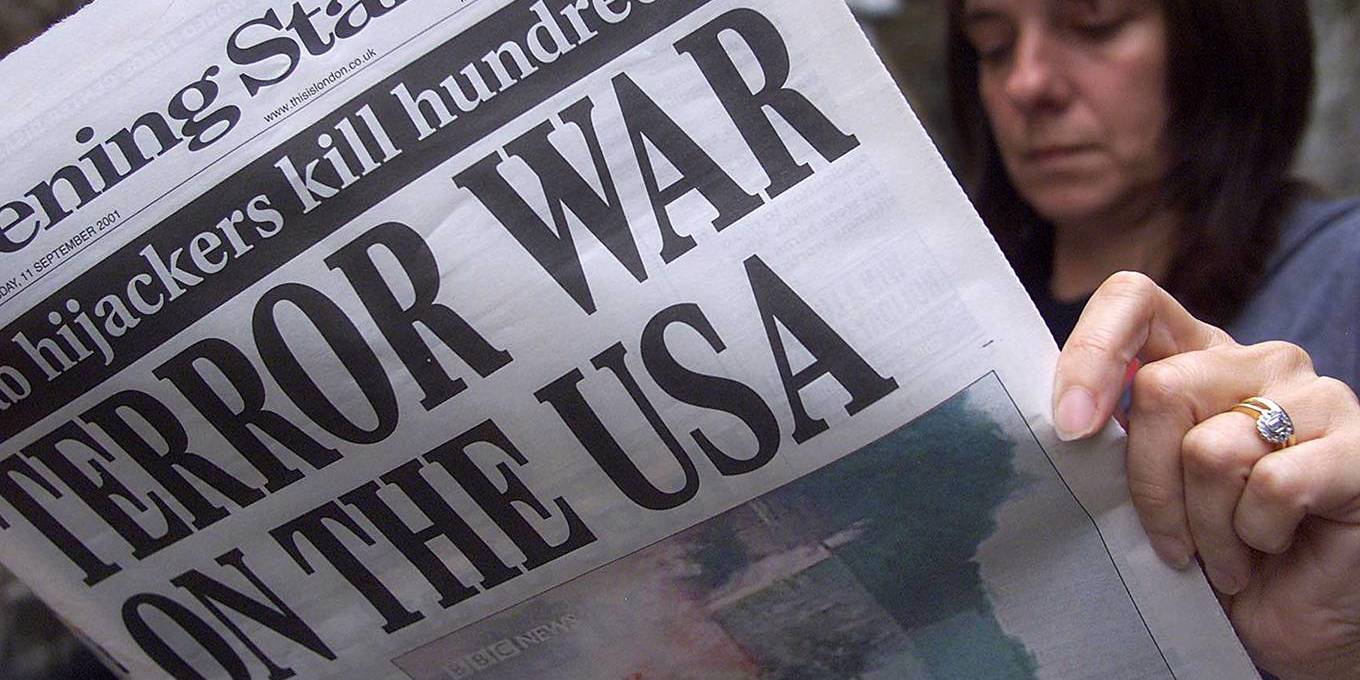
The terrorist attacks of September 11, 2001, were a watershed moment in modern history, forever altering the geopolitical landscape, domestic security measures, and the collective consciousness of nations worldwide. While the immediate devastation wrought by the hijacked planes remains etched in memory, the profound and far-reaching consequences of America’s response have continued to shape global affairs for over two decades. As the world grappled with the aftermath of this unprecedented assault on American soil, the United States embarked on a path that, in the view of many analysts, led to an abandonment of core principles that had been poised to foster a more stable and prosperous global order in the post-Cold War era.
The Genesis of a New Era: Pre-9/11 Hopes and Post-9/11 Realities
The late 1990s and early 2000s presented a unique global panorama. The collapse of the Soviet Union had ushered in an era often described as a "unipolar moment," with the United States emerging as the sole superpower. This period was characterized by burgeoning globalization, increased interconnectedness, and a widespread optimism about the potential for democratic expansion and international cooperation. Institutions like the World Trade Organization were solidifying, and a belief in the "end of history," a concept popularized by Francis Fukuyama, suggested a convergence towards liberal democracy and market capitalism as the ultimate form of human government.
However, beneath this veneer of optimism, a new and insidious threat was taking root: transnational terrorism. Groups like al-Qaeda, led by Osama bin Laden, were developing capabilities and ideologies that sought to undermine Western influence and destabilize governments perceived as hostile to their agenda. The bombings of U.S. embassies in Kenya and Tanzania in 1998, and the attack on the USS Cole in Yemen in 2000, served as stark warnings of this growing menace, though their full implications were perhaps not adequately grasped by all policymakers.
The Unfolding Tragedy: September 11, 2001
On the morning of Tuesday, September 11, 2001, nineteen terrorists associated with al-Qaeda hijacked four commercial airplanes. Their coordinated attacks targeted iconic symbols of American economic and military power.
- 8:46 AM EDT: American Airlines Flight 11, en route from Boston to Los Angeles, crashed into the North Tower of the World Trade Center in New York City.
- 9:03 AM EDT: United Airlines Flight 175, also departing from Boston for Los Angeles, struck the South Tower of the World Trade Center. The impact and subsequent fires led to the catastrophic collapse of both towers.
- 9:37 AM EDT: American Airlines Flight 77, flying from Washington Dulles to Los Angeles, crashed into the Pentagon in Arlington, Virginia, causing significant damage to the western side of the building.
- 10:03 AM EDT: United Airlines Flight 93, originating from Newark, New Jersey, and bound for San Francisco, crashed into a field near Shanksville, Pennsylvania. Passengers and crew, alerted to the unfolding events by phone calls, heroically fought back against the hijackers, preventing the plane from reaching its intended target, believed to be in Washington D.C.
The immediate death toll from the attacks was staggering, with nearly 3,000 people killed, including passengers and crew on the planes, workers in the World Trade Center and the Pentagon, and the first responders who rushed to the scene. The economic impact was also immense, with the destruction of the World Trade Center complex representing billions of dollars in lost property and business disruption.

America’s Response: The War on Terror and its Ramifications
The immediate aftermath of 9/11 was marked by a profound sense of shock and a unified resolve within the United States to retaliate against those responsible. President George W. Bush declared a "War on Terror," a broad and ambitious campaign that would redefine U.S. foreign policy for years to come. This response, while driven by a desire for justice and security, also triggered a cascade of geopolitical shifts and domestic policy changes with enduring consequences.
The Invasion of Afghanistan (October 2001): Within weeks of the attacks, U.S. forces, supported by an international coalition, launched Operation Enduring Freedom in Afghanistan. The primary objective was to dismantle al-Qaeda and remove the Taliban regime, which had harbored the terrorist organization. The initial phase of the war was swift and successful in overthrowing the Taliban, but it evolved into a protracted insurgency that lasted two decades, costing trillions of dollars and thousands of lives.
The Invasion of Iraq (March 2003): Citing concerns about weapons of mass destruction and alleged links to terrorism, the Bush administration expanded the War on Terror to Iraq, a decision that remains highly controversial. The invasion led to the swift overthrow of Saddam Hussein’s regime, but the absence of weapons of mass destruction and the subsequent power vacuum fueled sectarian violence and instability, creating fertile ground for new extremist groups and prolonging regional conflict.

Domestic Security Overhaul: In the United States, the attacks prompted a sweeping reorganization of national security apparatus. The creation of the Department of Homeland Security in 2002 consolidated various federal agencies responsible for border security, emergency preparedness, and critical infrastructure protection. The Patriot Act, signed into law in October 2001, significantly expanded government surveillance powers, raising concerns about civil liberties and privacy. Airport security was dramatically enhanced, with the establishment of the Transportation Security Administration (TSA) and stricter passenger screening protocols.
Deeper Issues and Broader Impacts: A World Transformed
The legacy of 9/11 extends far beyond military interventions and security measures. It profoundly impacted international relations, democratic ideals, and the very fabric of societal trust.
Geopolitical Realignment and the Erosion of Trust
The War on Terror, particularly the invasion of Iraq, strained relationships with traditional allies and fueled anti-American sentiment in many parts of the world. The assertion of preemptive action and the expansion of unilateral foreign policy initiatives led to accusations of American exceptionalism and a disregard for international law. This shift in diplomatic approach, some argue, weakened multilateral institutions and created opportunities for rival powers to gain influence.

Furthermore, the extensive surveillance programs and the rhetoric surrounding the War on Terror contributed to a growing distrust between governments and their citizens, as well as between different cultural and religious communities. The portrayal of certain populations as inherently suspect or threatening exacerbated social divisions and contributed to a climate of fear and suspicion.
The Shifting Sands of Global Power
While the U.S. focused on counter-terrorism operations, other global powers continued their economic and diplomatic ascent. The prolonged engagements in Afghanistan and Iraq diverted significant resources and attention away from other pressing global challenges, potentially allowing other nations to gain strategic advantages. The rise of China, in particular, occurred during this period of intense focus on the Middle East, leading to a rebalancing of global economic and political power.
The Undermining of Democratic Principles
The initial surge of national unity following 9/11 eventually gave way to partisan divisions over the direction of U.S. foreign and domestic policy. The expansion of executive power, the use of enhanced interrogation techniques, and the erosion of certain civil liberties in the name of security sparked intense debates about the balance between freedom and safety. Critics argue that the sustained focus on security and the justification of extraordinary measures in response to a perceived existential threat led to a weakening of democratic norms and a normalization of practices that were once considered outside the bounds of acceptable governance.

As the abstract of the article suggests, it is difficult to pinpoint every development directly caused by 9/11. However, the following areas are widely considered to have been significantly influenced or compounded by the event and the subsequent U.S. response:
- Rise of Non-State Actors and Asymmetric Warfare: The success of al-Qaeda demonstrated the potential for non-state actors to inflict significant damage and disrupt global order. This led to a proliferation of similar tactics and strategies by other extremist groups, forcing militaries and security agencies to adapt to a new form of warfare.
- Increased Global Instability: The interventions in Afghanistan and Iraq, and the broader destabilization of the Middle East, contributed to significant refugee crises and regional conflicts that continue to have global repercussions. The rise of ISIS, in part a successor to al-Qaeda in Iraq, can be directly linked to the post-invasion chaos in the country.
- The Surveillance State: The technological advancements in data collection and analysis, coupled with the post-9/11 security imperative, led to the development of a sophisticated global surveillance apparatus. Revelations by whistleblowers like Edward Snowden highlighted the vast reach of these programs, sparking widespread concern about privacy and government overreach.
- Shifts in Public Discourse and Media Narratives: The focus on terrorism and national security heavily influenced public discourse and media coverage for years. This often led to a securitized worldview, where international events were frequently framed through the lens of threat and counter-threat.
Conclusion: A Lingering Legacy
The tragic events of September 11, 2001, irrevocably altered the course of history. While the immediate response was a necessary demonstration of resolve, the subsequent twenty-five years have seen a complex and often contentious evolution of U.S. foreign policy and domestic security. The pursuit of security, while paramount, appears to have come at a cost, potentially diverting the nation from its earlier aspirations of shaping a more peaceful and cooperative global future. The long shadow of 9/11 continues to be felt, prompting ongoing reflection on the choices made, their consequences, and the enduring challenge of balancing security with the fundamental principles of freedom and human rights. The world that emerged from the ashes of that fateful day is one that continues to grapple with its legacy, seeking to understand how to navigate the complexities of a world forever changed.
