

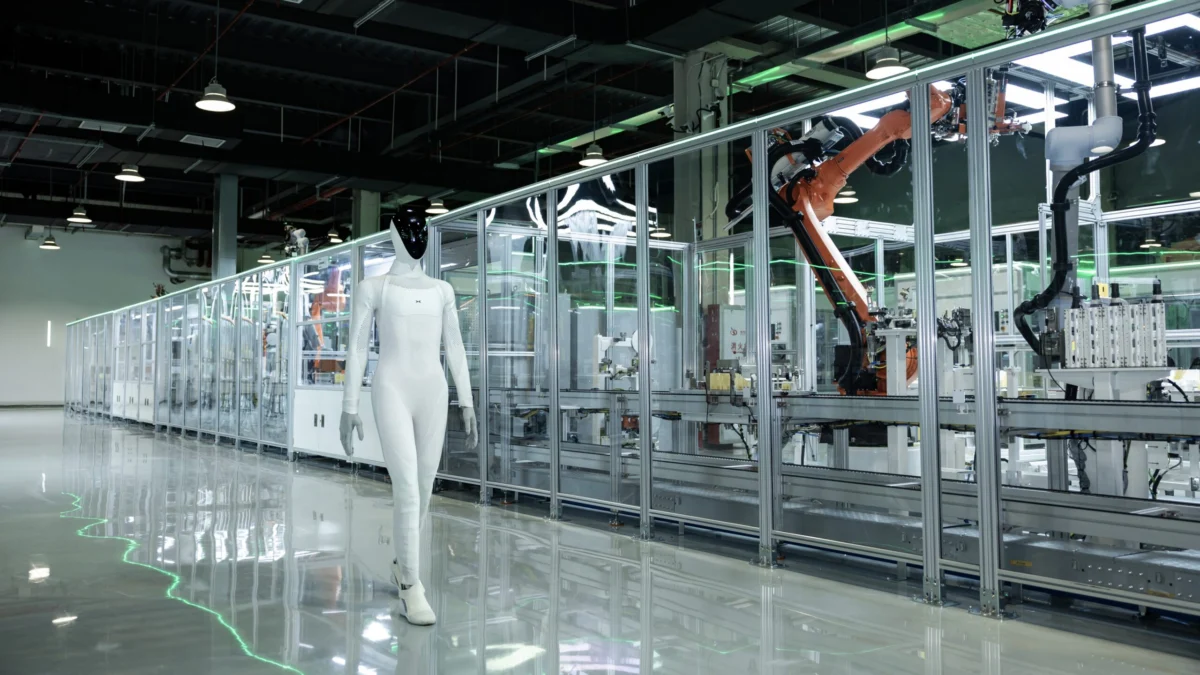
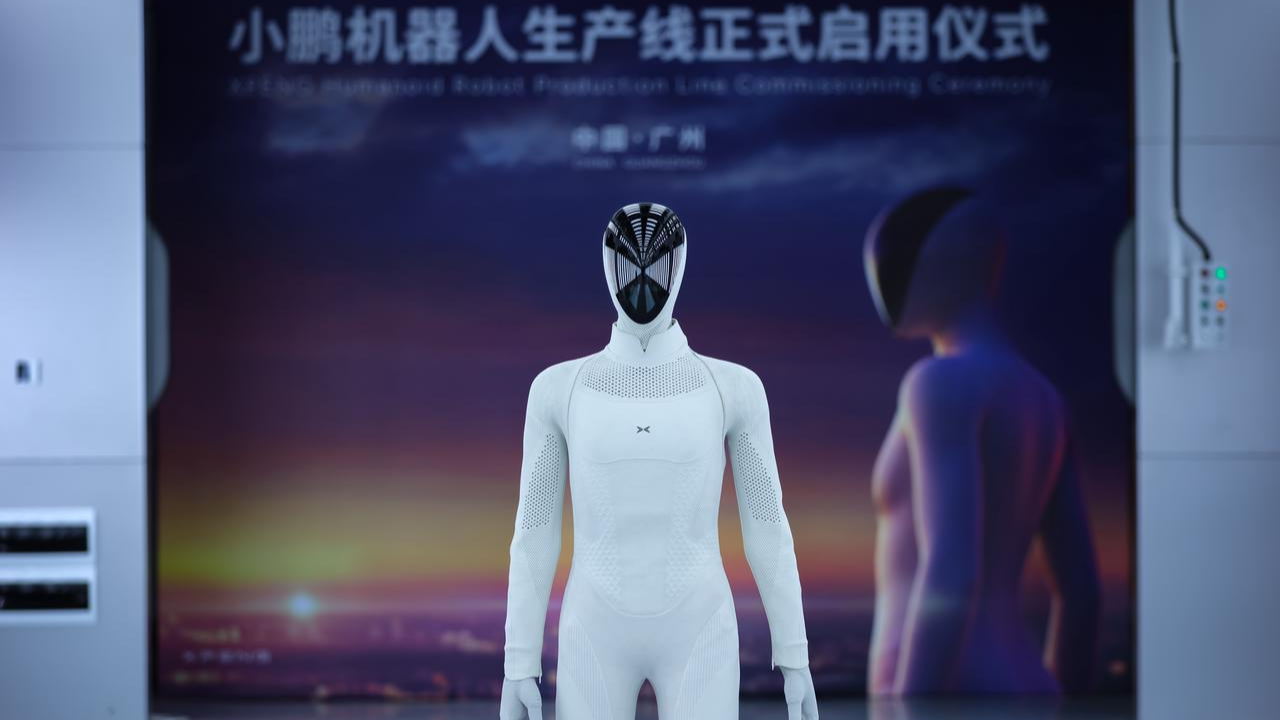
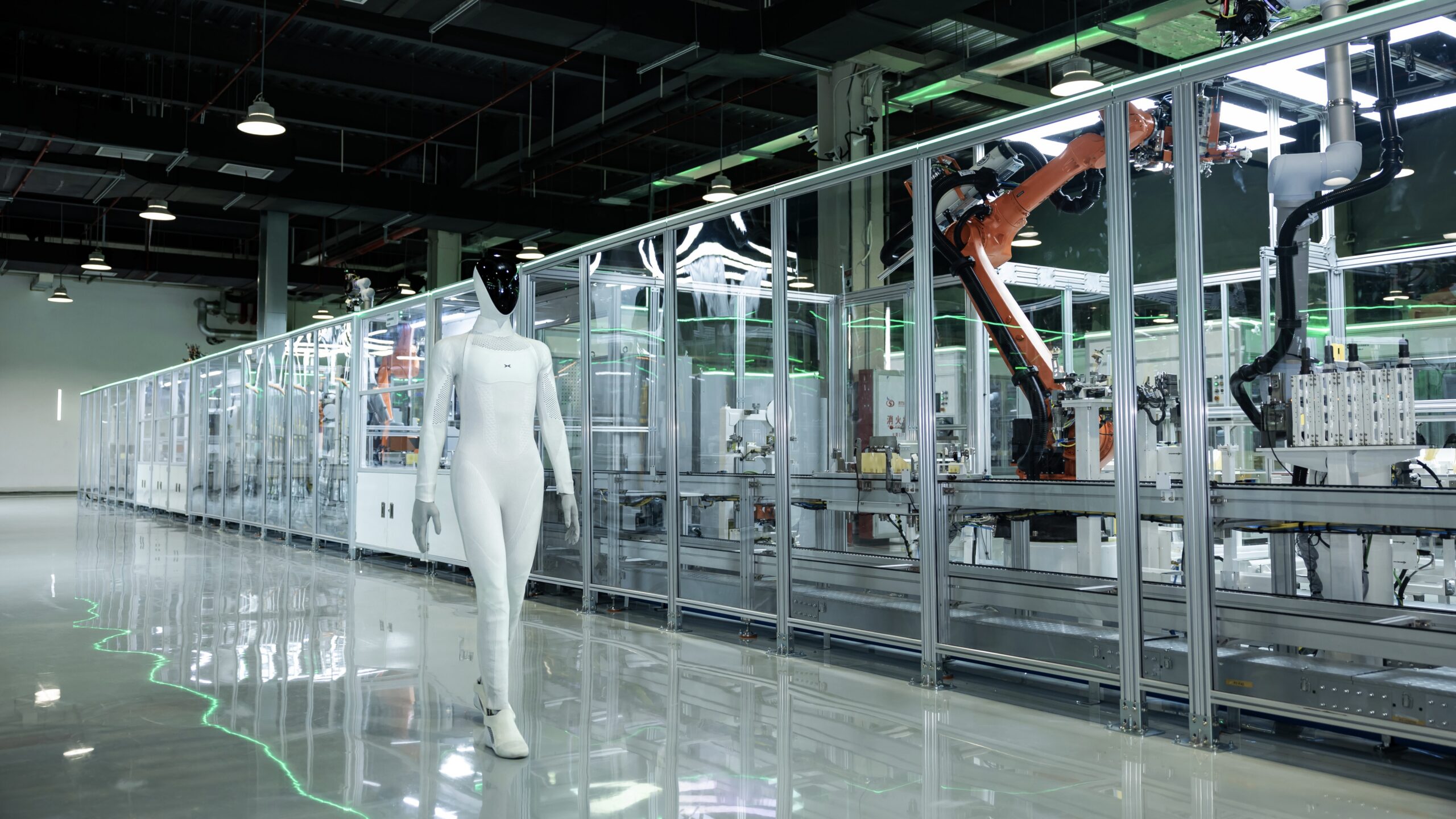
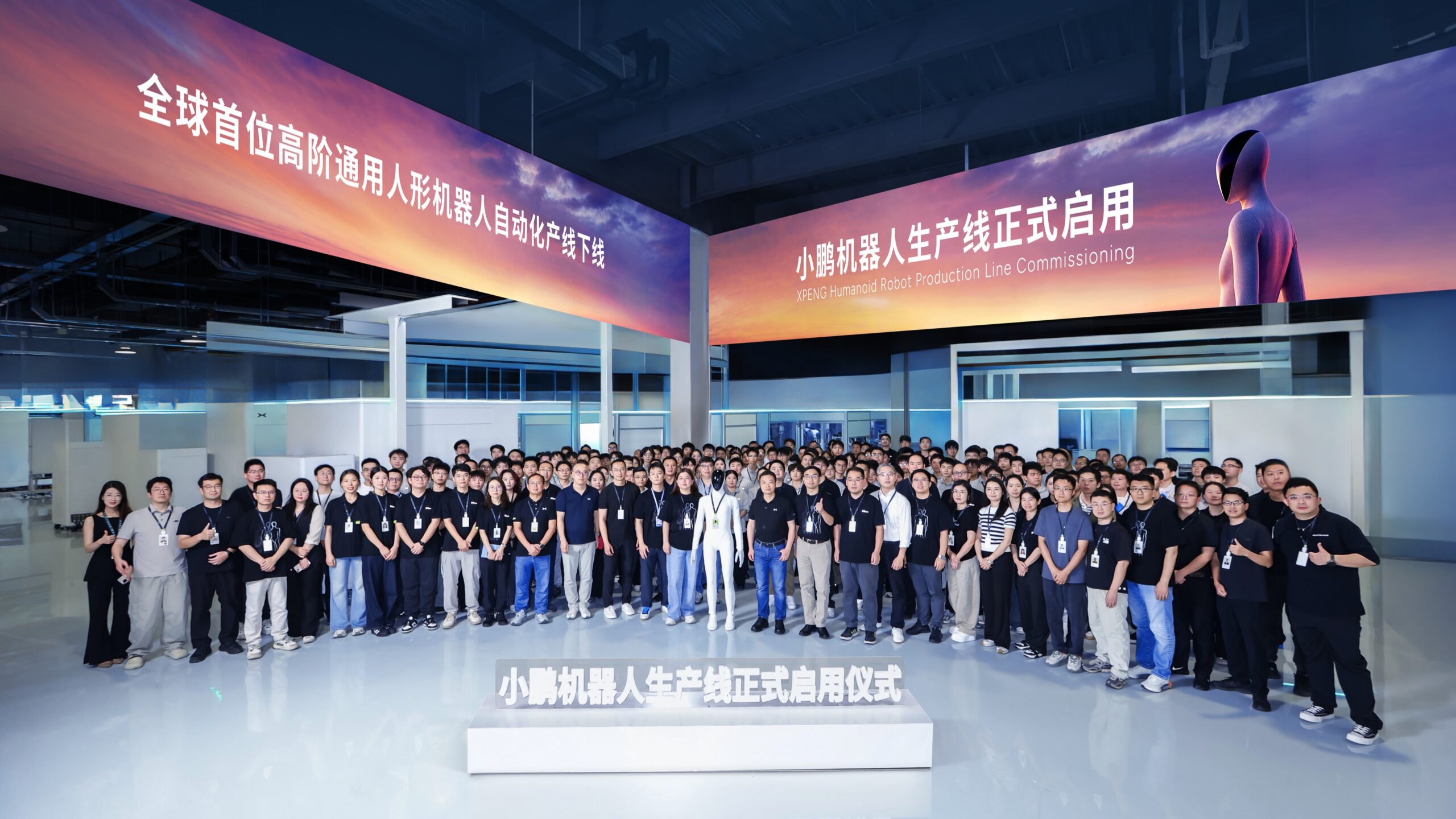
GUANGZHOU, China — In a significant development for the global robotics and artificial intelligence sectors, XPENG’s IRON humanoid robot autonomously walked off its production line in Guangzhou on the morning of September 8. This event marks a transition for the Chinese technology firm from the research and development (R&D) prototyping phase to industrial-scale manufacturing. XPENG has identified the IRON as the world’s first high-level, general-purpose humanoid robot to be manufactured on a dedicated production line and to exit that line without human assistance or remote control.
The milestone occurs as the global race for "embodied AI"—AI that interacts with the physical world through a robotic body—intensifies. While previous demonstrations of humanoid robots, such as those recently showcased at IFA Berlin, have often relied on pre-programmed sequences or teleoperation, the IRON operates using an end-to-end autonomous system from the moment its assembly is complete. This achievement signals a maturation of XPENG’s broader "Physical AI" strategy, which seeks to unify the technological foundations of intelligent electric vehicles (EVs), flying cars, and humanoid robotics.
Industrial-Scale Manufacturing and Automotive Synergies
The production of the IRON robot leverages XPENG’s existing expertise in high-volume automotive manufacturing. According to the company, the assembly process utilizes automotive-grade quality control and precision robotics, achieving an automation rate exceeding 80%. This high level of automation is rare in the nascent humanoid robot industry, where most units are still hand-assembled in laboratory settings.
A critical factor in the scalability of the IRON is its supply chain integration. XPENG reports that over 85% of the robot’s supply chain is shared with its EV business. This synergy allows the company to significantly reduce costs by utilizing the same high-precision motors, sensors, and structural components developed for its automotive fleet. By applying the "intelligent manufacturing" principles used in car production, XPENG aims to establish a foundation for rapid capacity expansion as the market for humanoid robots grows.
He Xiaopeng, Chairman and CEO of XPENG, emphasized the unprecedented nature of the project. "The robot production lines were created from scratch with no precedent to follow," He stated during the event. "Today’s step is small, but XPENG is building the production lines for an entirely new product category. Looking ahead, XPENG will continue to explore faster production rhythms and greater scale in robot manufacturing, charting a new path toward a leading robot manufacturing industry in China and globally."
Technical Specifications: Computing Power and Physical Design
The IRON is designed to mirror human proportions and range of motion to facilitate its integration into environments built for people. It stands at 173 centimeters (approximately 5’8”) and weighs 65 kilograms (143 lbs.). To achieve human-like dexterity, the robot features 76 degrees of freedom (DOF) across its entire body. Each hand is equipped with 21 degrees of freedom, a specification intended to allow for the manipulation of delicate objects and the performance of complex manual tasks in retail or industrial settings.
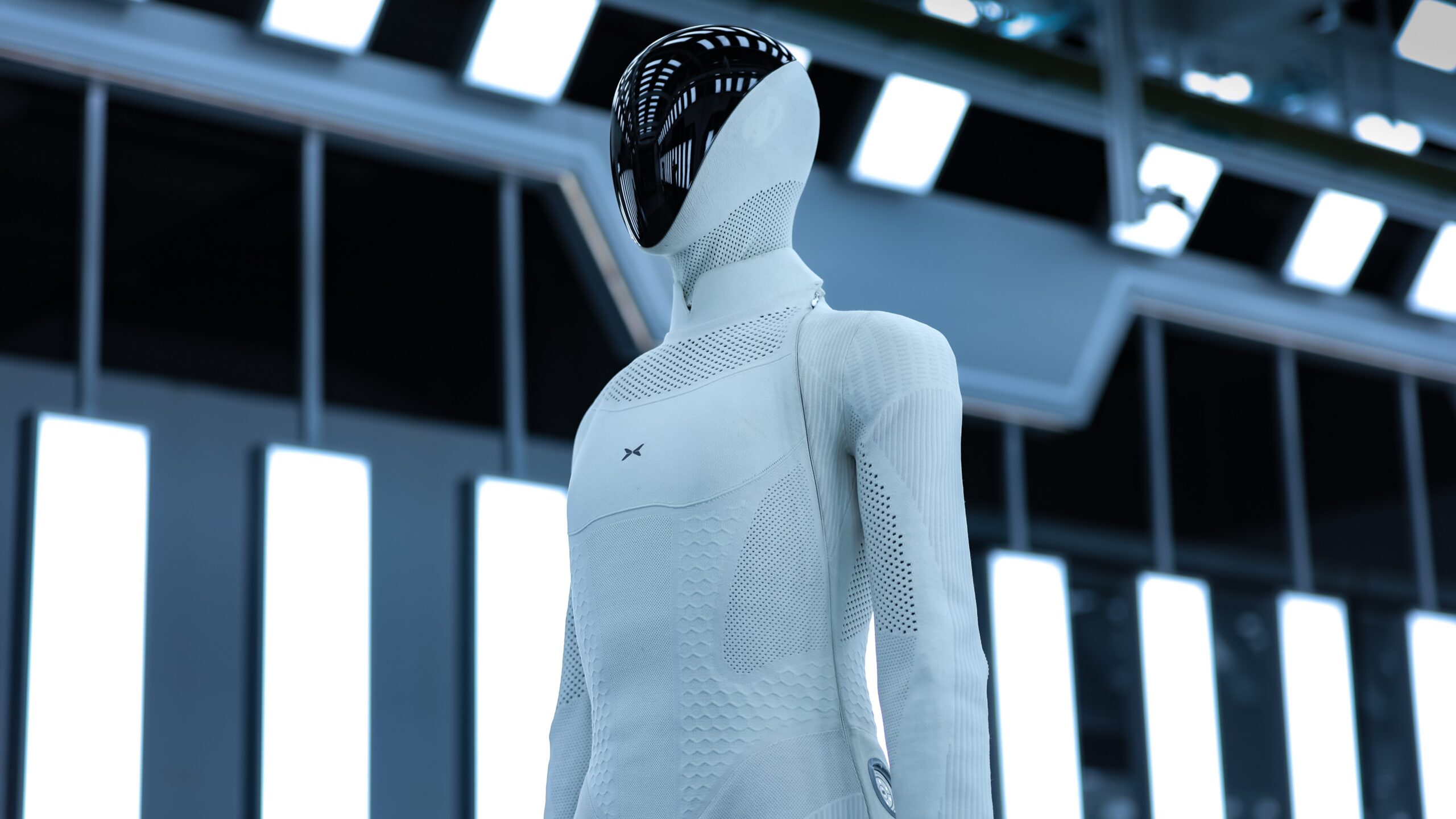
The robot’s movement is supported by a bio-inspired spinal structure in the waist, which provides the flexibility required for natural walking and balancing. To ensure safety during human-robot interaction, the IRON features a fabric skin with a soft mesh underlay. This design choice is intended to prevent damage in the event of accidental contact with obstacles or people while providing a more approachable, human-like aesthetic.
At the core of the IRON’s intelligence are three in-house developed Turing AI chips. These chips provide a combined computing power of 2250 TOPS (Tera Operations Per Second). This massive onboard processing capability allows the robot to run XPENG’s VLA 2.0 (Vision-Language-Action) model directly on the device. On-device deployment is critical for reducing latency in decision-making and ensuring data security, as the robot does not need to rely on a continuous cloud connection to execute tasks or navigate its environment.
AI Integration and Multi-Modal Interaction
The IRON utilizes a multi-modal Large Language Model (LLM) that enables it to perceive and interact with its surroundings in a sophisticated manner. This system supports long-term memory and facial recognition, allowing the robot to identify and remember specific human faces over time. Furthermore, the IRON is capable of bilingual interaction in Chinese and English, with the ability to switch between languages seamlessly during a conversation.
Safety and navigation are handled by an AI-driven autonomous obstacle avoidance system. The robot can receive verbal or digital instructions, plan its own routes, and navigate complex environments while avoiding dynamic obstacles. Through self-reinforcement learning, the robot is designed to improve its performance the more it interacts with the real world.
The autonomous capabilities extend to the robot’s maintenance. The IRON supports autonomous charging, meaning it can independently locate a charging station, plug itself in, and unplug once the cycle is complete. XPENG notes that the system is designed to maintain stable operation even if minor equipment faults occur during the charging process, ensuring high reliability for 24/7 operations.

Development Timeline and Commercialization Strategy
XPENG’s entry into the humanoid robot market has been backed by significant financial investment. Recently, the company’s robotics division raised over $900 million USD in a private financing round, resulting in a post-money valuation of more than $6.3 billion. This represents the largest single-round investment in China’s embodied AI sector to date.
The roadmap for the IRON’s deployment is structured in three distinct phases:
- Initial Deployment (Late 2024 – 2025): The IRON will first be deployed within XPENG’s own showrooms and corporate campuses. In these environments, the robots will assist sales staff, offer tours to visitors, and perform administrative support tasks. This phase will serve as a "live lab" to gather data and refine the robot’s social interaction capabilities.
- Internal Validation (Q4 2026): Based on data from the initial rollout, XPENG plans to deploy the IRON across more intensive in-house scenarios, including logistics and manufacturing assistance within their own factories.
- Global Commercialization (2027 and beyond): External deliveries to customers in China and international markets are scheduled to begin in 2027. The primary focus will initially be on the retail and service industries, followed by an evolution into commercial, industrial, and eventually home environments.
Competitive Landscape and Market Analysis
The unveiling of the IRON’s production line places XPENG in direct competition with global tech giants like Tesla and Boston Dynamics. Tesla’s Optimus (Gen 2) has been the subject of significant media attention, with CEO Elon Musk suggesting that humanoid robots could eventually represent a larger portion of Tesla’s value than its automotive business. However, XPENG’s successful demonstration of an autonomous walk-off from a mass-production line suggests that the Chinese automaker may be moving faster toward commercial viability.
Financial analysts have noted that XPENG’s recent performance—including a 20.7% gross margin in the last quarter—has provided the capital necessary to fund these capital-intensive R&D projects. While Tesla’s margins have faced pressure from EV price wars, XPENG has aggressively reinvested its earnings into AI and global expansion. The company expects that gross margins for humanoid robots could eventually exceed those of its EV business as production scales and the technology matures.
The broader implications of this technology are vast. In China, where the aging population is creating labor shortages in the service and manufacturing sectors, the government has designated humanoid robots as a "disruptive technology" similar to computers or smartphones. XPENG’s end-to-end technology stack—covering everything from the AI model and data infrastructure to the physical robot body—positions it as a central player in China’s "New Quality Productive Forces" initiative.
The Human Element of Innovation
Despite the focus on silicon and steel, XPENG executives have highlighted the human effort required to bring the IRON to fruition. The development of the robot involved multidisciplinary teams spanning AI research, mechanical engineering, and automotive manufacturing. By utilizing the same "Turing" chip architecture that powers their "Ultra" trim vehicles and flying cars, XPENG has created a unified ecosystem where improvements in automotive self-driving directly benefit the robot’s navigation, and vice-versa.
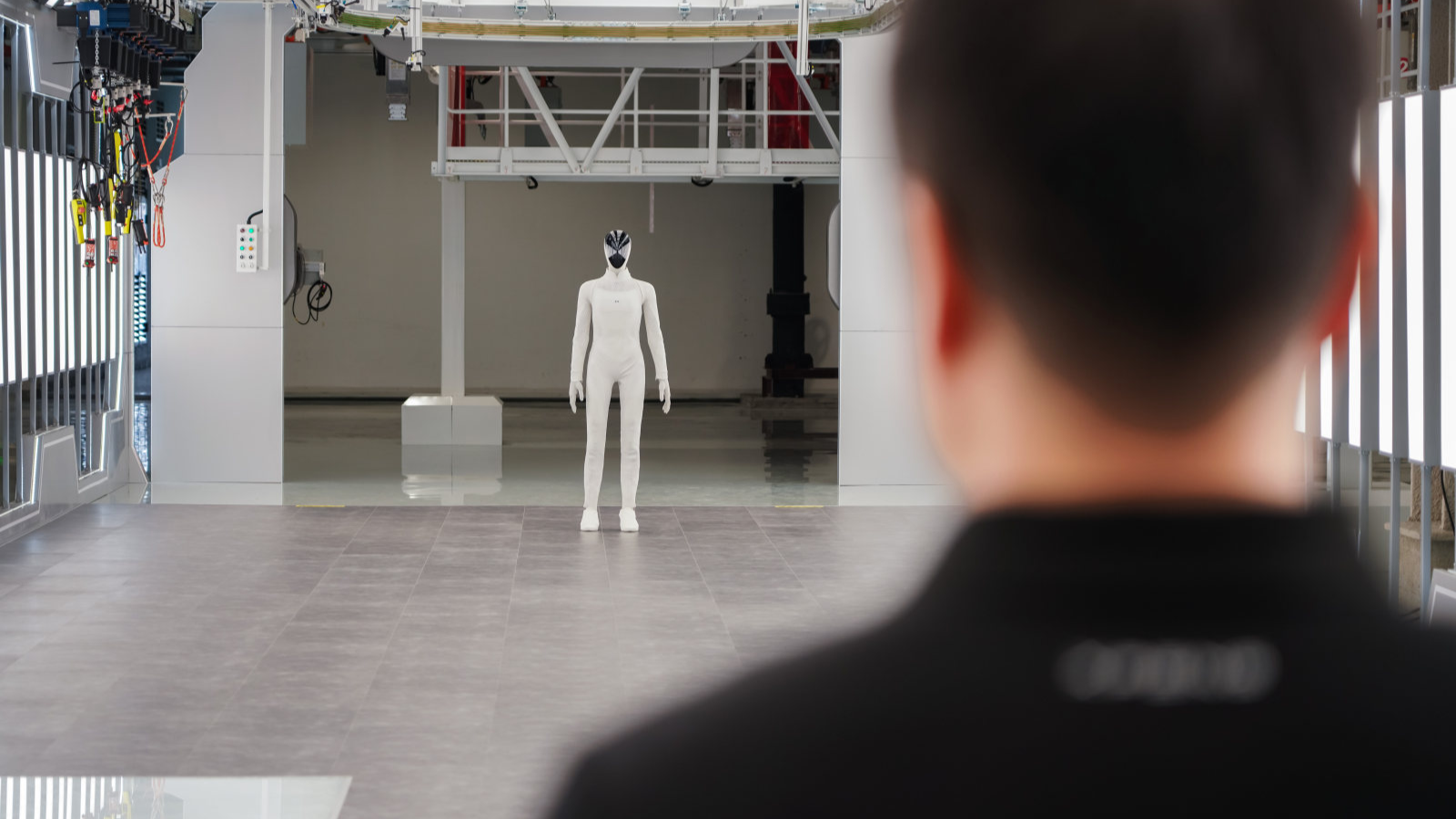
As the IRON begins its initial duties in Guangzhou, the technology community is watching closely to see if the robot can move beyond being a high-tech novelty to becoming a functional tool in the global economy. If XPENG meets its 2027 target for external deliveries, it could mark the beginning of a new era in which humanoid robots are common fixtures in shopping malls, offices, and factories.
The success of the IRON is not just a milestone for XPENG, but a proof of concept for the "Physical AI" philosophy. By proving that a humanoid robot can be manufactured with the same rigor and scale as a modern automobile, XPENG has challenged the industry to move past prototypes and toward the mass-market reality of autonomous machines. The next few years will determine whether the IRON can live up to its promise of revolutionizing how humans interact with technology in every facet of their lives.
