

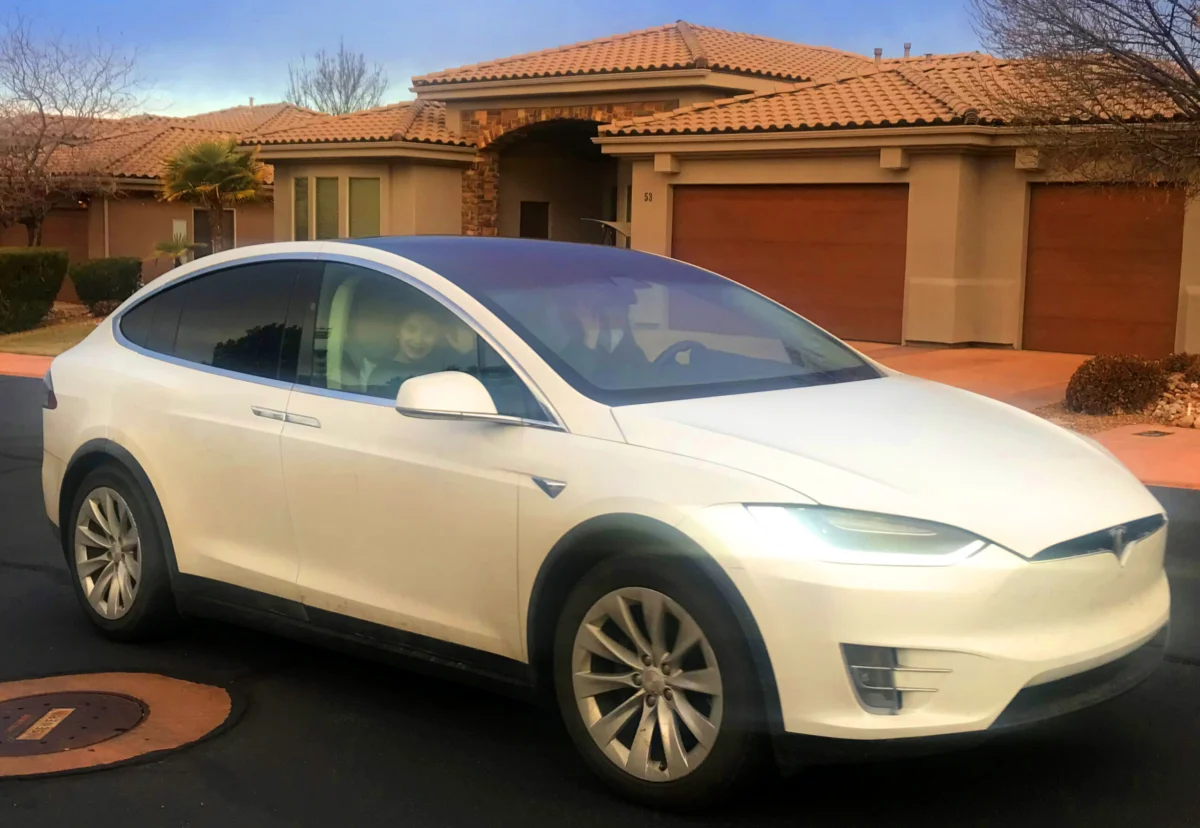
The global automotive industry is currently navigating a pivotal transition as consumers weigh the benefits of various electrified drivetrains, specifically comparing the long-term utility of Battery Electric Vehicles (BEVs) against the versatility of Plug-in Hybrid Electric Vehicles (PHEVs). While the environmental and mechanical arguments for pure battery electric power remain robust, real-world use cases—ranging from long-distance recreation to rural infrastructure limitations—continue to sustain the market for dual-propulsion systems. This tension is exemplified by recent consumer shifts within the mid-2020s automotive market, where even veteran electric vehicle (EV) early adopters are finding that specific lifestyle demands, such as heavy-duty hauling and remote regional living, may necessitate a move toward the plug-in hybrid model.
The Dual-Path Strategy of Modern Electrification
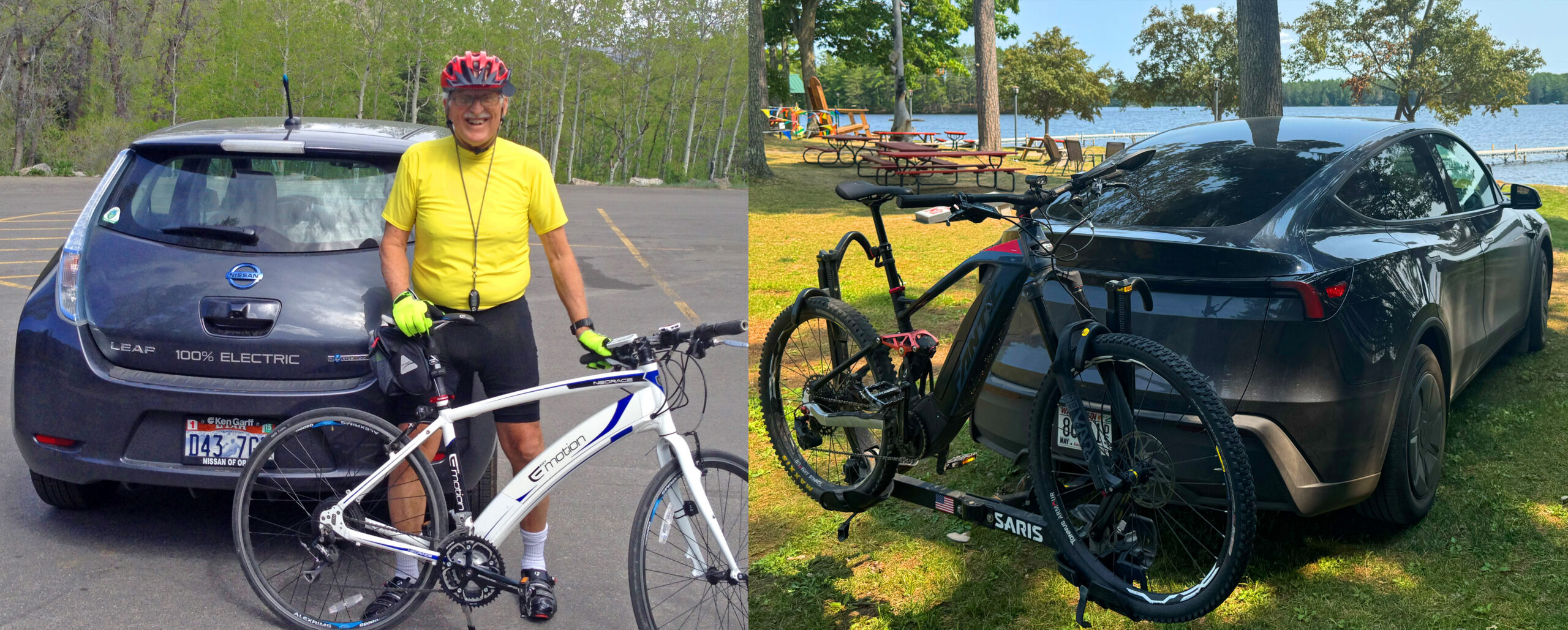
As of 2026, the distinction between BEVs and PHEVs has become a central theme in the automotive discourse. Proponents of BEVs, such as the Tesla Model Y and the Nissan Leaf, argue that the simplicity of the electric drivetrain offers unparalleled reliability. A standard BEV lacks a traditional multi-speed transmission, exhaust system, and complex emissions control hardware, which significantly reduces the total cost of ownership. Industry data suggests that a high-quality electric motor can sustain operations for up to one million miles, while modern battery chemistry has advanced to the point where 500,000-mile lifespans are increasingly common.
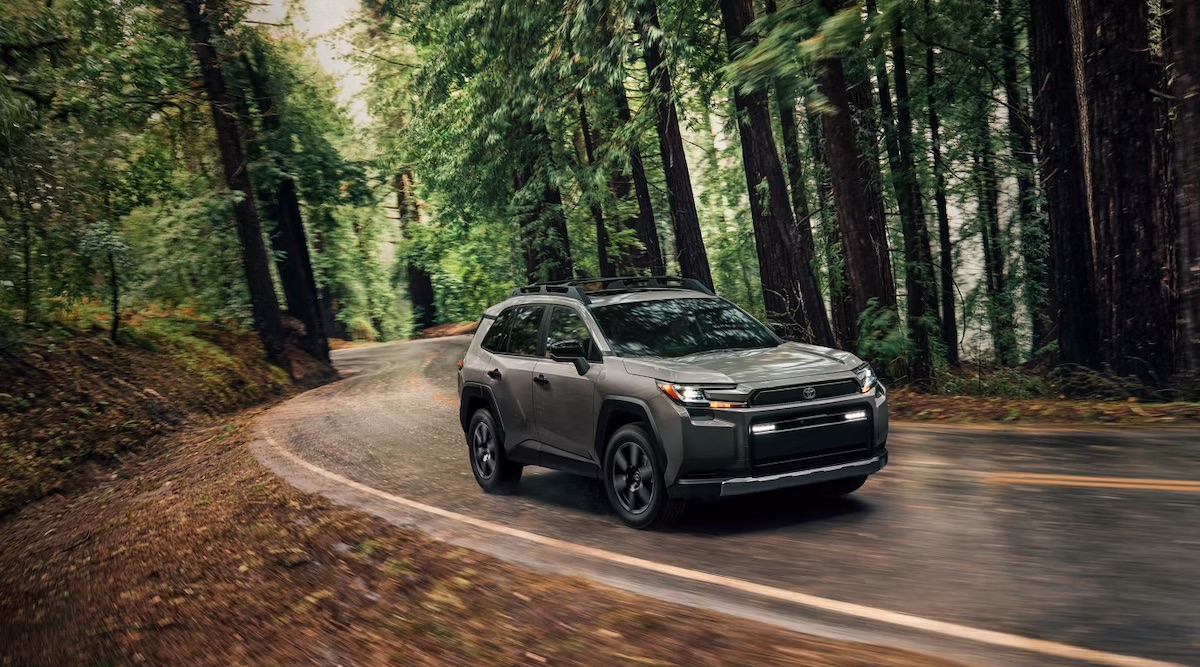
Conversely, the PHEV market, led by stalwarts like the Toyota RAV4 Plug-in Hybrid, offers a compromise designed to mitigate "range anxiety" and the specific aerodynamic penalties associated with external cargo. For many users, the PHEV represents a pragmatic bridge. By providing enough electric-only range—typically between 40 and 55 miles—to cover daily commutes, these vehicles allow owners to operate as BEV drivers for the majority of the year while retaining a high-efficiency internal combustion engine for long-distance travel where charging infrastructure may be sparse or inconvenient.
A Chronology of Adoption: From the Nissan Leaf to the 2026 RAV4 PHEV
The evolution of the electric car market over the last fifteen years provides critical context for current consumer behavior. In the early 2010s, the market was bifurcated between limited-range BEVs like the original Nissan Leaf, which offered roughly 80 miles of range, and early PHEVs like the Chevrolet Volt, which provided 40 miles of electric range before a gasoline generator took over. At that time, the choice was often dictated by a consumer’s willingness to commit to a single-car household or their need for a dedicated long-distance vehicle.
By 2018, the landscape shifted with the proliferation of Tesla’s Supercharger network and the introduction of long-range SUVs like the Tesla Model X. With ranges exceeding 300 miles, these vehicles made cross-country travel feasible for the first time for many families. However, as the market matured into 2024 and 2025, a new set of challenges emerged. Long-term users began to report significant range degradation when vehicles were subjected to "non-standard" loads—such as rear-mounted bike racks or towing—which can reduce electric efficiency by as much as 40% to 50% due to increased aerodynamic drag.

In 2026, this has led to a notable "re-hybridization" among certain demographics. Toyota, responding to this trend, rebranded its "Prime" lineup to simply "Plug-in Hybrid" to clarify its offerings for the general public. The 2026 Toyota RAV4 PHEV, particularly in its Woodland Edition, has emerged as a primary alternative for those who find the limitations of current BEV charging speeds or cold-weather range loss incompatible with an active, outdoor-oriented lifestyle in rural regions.
Comparative Analysis of Range and Efficiency
The performance metrics of the 2026 model year vehicles highlight the technical gap between these two philosophies. A standard BEV, like the Tesla Model Y, excels in urban and suburban environments where home charging is available. Its regenerative braking system ensures that brake pads can last the lifetime of the vehicle, and the absence of oil changes simplifies maintenance to tire rotations and cabin air filter replacements.
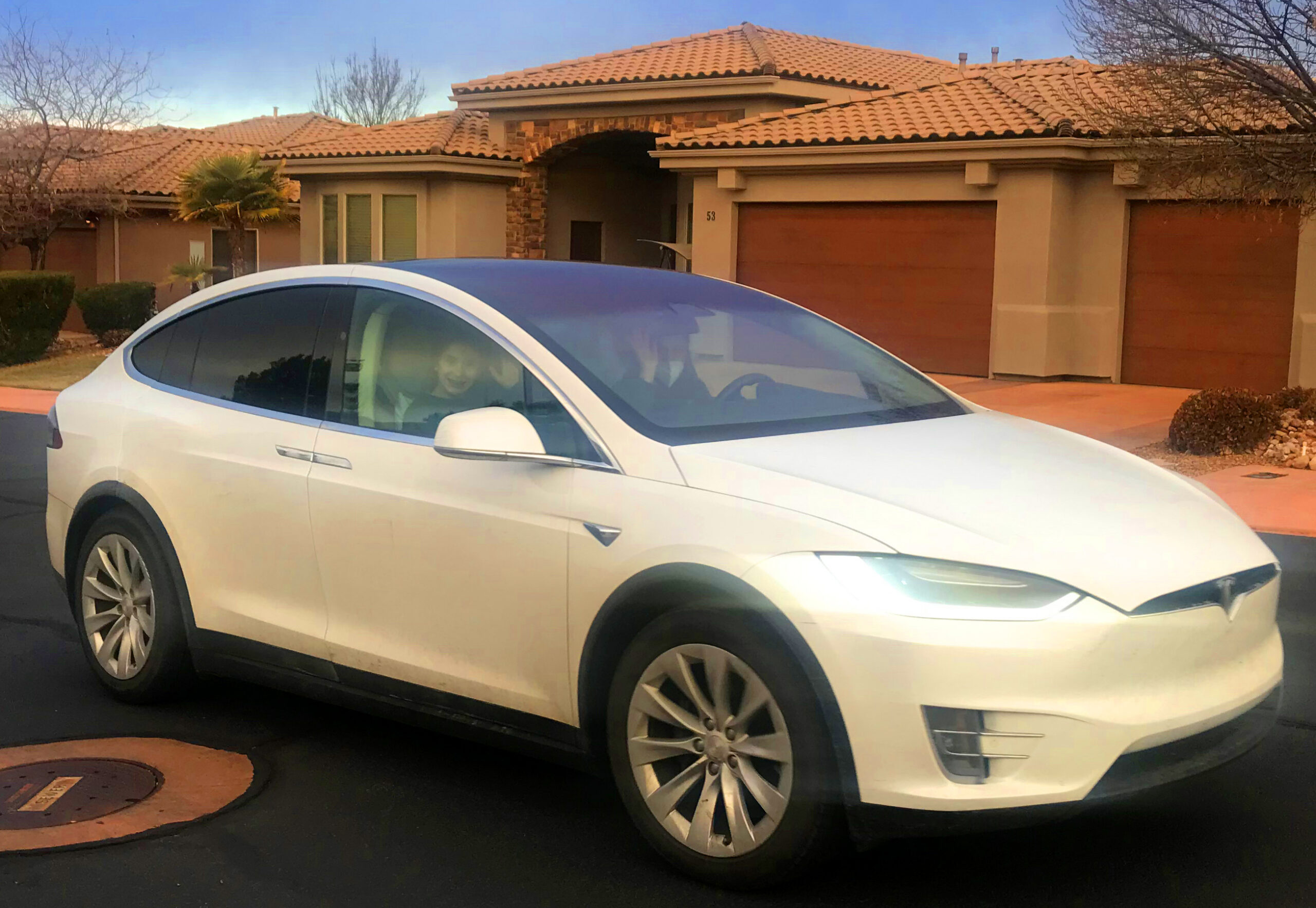
However, the data changes significantly when external factors are introduced. For example, a Tesla Model X carrying two mountain bikes on a rear rack may see its 300-mile nominal range drop to an effective 150 to 180 miles at highway speeds. In regions like the Intermountain West or the Northwoods of Wisconsin, where high-speed DC fast chargers can be over 100 miles apart, this necessitates frequent, hour-long stops, drastically extending travel times.
In contrast, the 2026 Toyota RAV4 PHEV offers:
- Electric-Only Range: 50–54 miles per charge, sufficient for 90% of American daily commutes.
- Total Combined Range: Over 500 miles using both the 18.1 kWh battery and the gasoline fuel tank.
- Charging Requirements: An Level 2 (240V) charger can replenish the battery in approximately 2.5 hours, making it easy to maintain "EV mode" for local driving.
- Aerodynamic Resilience: While the gasoline engine also suffers efficiency losses with a bike rack, the ability to refuel in five minutes at any standard gas station eliminates the "time penalty" associated with frequent charging stops during long-haul trips.
Infrastructure and Regional Disparities
The viability of a BEV-only lifestyle is heavily dependent on regional infrastructure. While the federal National Electric Vehicle Infrastructure (NEVI) Formula Program has significantly increased the density of chargers along major U.S. interstates, "dead zones" remain a reality in 2026. Northern Wisconsin, the Upper Peninsula of Michigan, and parts of the rural Northwest still lack the redundant, high-reliability charging stations found in California or the Northeast Corridor.
For residents in these areas, the PHEV serves as a risk-mitigation tool. The ability to utilize existing Level 2 home charging for daily chores—thereby avoiding the "smelly gas station" for months at a time—combined with the security of a 500-mile gasoline range for emergency or long-distance travel, creates a compelling value proposition. This is particularly true for users moving from infrastructure-rich areas (like Salt Lake City, Utah) to infrastructure-poor regions, where the lack of Superchargers can turn an eight-hour trip into a twelve-hour ordeal.
Industry Reactions and Market Implications
Automotive analysts have noted that Toyota’s decision to move away from the "Prime" branding is a tactical move to capture the "pragmatic majority" of car buyers. By labeling vehicles as "Plug-in Hybrids," the company directly addresses consumers who are interested in electric driving but are wary of the perceived "all-or-nothing" nature of BEVs.
Market reports from early 2026 indicate that PHEV sales are growing in the SUV and crossover segments, where utility and versatility are prioritized over absolute mechanical simplicity. However, the BEV market continues to dominate the premium sedan and compact car sectors. The "Hasler Case Study"—where a father remains 100% committed to BEVs while his daughter transitions back to a PHEV—is a microcosm of the broader market. It suggests that the "correct" choice is increasingly subjective, based on specific geographic and logistical needs rather than a universal standard of "better" technology.
Broader Impact and Environmental Considerations
From an environmental standpoint, the BEV remains the gold standard. Even when accounting for the carbon-intensive process of battery manufacturing, a BEV typically "breaks even" with an internal combustion engine vehicle within 15,000 to 20,000 miles of driving. A PHEV, while significantly cleaner than a standard hybrid or gasoline car, still carries the weight and complexity of an engine that requires periodic maintenance, oil changes, and emissions inspections.

A significant concern regarding PHEVs is the "compliance gap." Historical data has shown that a percentage of PHEV owners rarely plug their vehicles in, effectively driving them as heavy, less efficient standard hybrids. However, for the disciplined owner who utilizes home charging, a PHEV can achieve nearly the same carbon reduction as a BEV for local use.
As we move toward the 2030s, the industry’s goal remains a fully decarbonized fleet. In the interim, the 2026 market demonstrates that the path to zero emissions is not linear. The coexistence of high-range BEVs for the "purists" and high-utility PHEVs for "adventurers" ensures that more consumers can participate in the electrified economy, regardless of their zip code or their hobby. The ultimate success of the transition will depend on continued battery density improvements for BEVs and the continued expansion of charging infrastructure to the "boondocks," eventually rendering the internal combustion backup obsolete. Until then, the plug-in hybrid remains a vital, if complex, component of the global effort to phase out fossil fuel reliance.
