

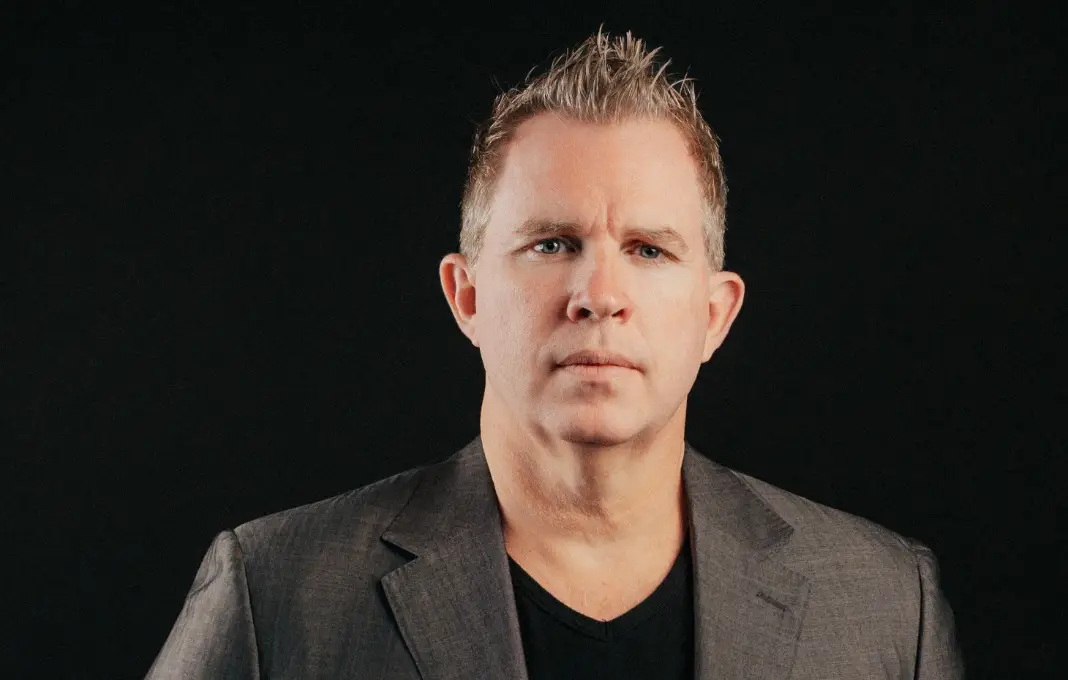
In the heart of Texas, a new wave of domestic solar manufacturing is taking root, driven by a mission that extends far beyond profit margins. U.S. Modules, a nascent solar panel manufacturer, is meticulously building its infrastructure with a focus on disciplined execution, a robust team culture, and the creation of meaningful American jobs. The company’s founder, Charles Carey, envisions U.S. Modules not merely as a producer of solar technology, but as a cornerstone for strengthening national energy independence and bolstering the country’s manufacturing capabilities.
Carey, who also leads CIG Companies, a developer and financier of renewable energy initiatives, articulated his vision for U.S. Modules as a strategic imperative. "We are building domestic capability that supports American energy independence, strengthens infrastructure and creates meaningful U.S. jobs," Carey stated in a recent interview. "For me, that matters." This foundational principle is steering the company’s operational strategy and its approach to workforce development.
Building Domestic Capability: A Strategic Imperative
The genesis of U.S. Modules is deeply intertwined with a broader national conversation about reshoring manufacturing and reducing reliance on foreign supply chains, particularly in critical sectors like renewable energy. The global solar market has long been dominated by Asian manufacturers, leading to concerns about supply chain vulnerabilities and national security. U.S. Modules aims to directly address these concerns by establishing a significant domestic production capacity.
The company’s initial operational footprint includes a 400 MW production line, with a facility engineered for scalability to approximately 1.4 GW as additional lines are brought online. This phased expansion strategy is designed to manage growth effectively while ensuring consistent quality and operational efficiency. As production scales, U.S. Modules anticipates growing its workforce to around 250 employees, a significant commitment to job creation in the region.
A distinctive aspect of U.S. Modules’ hiring strategy is its deliberate prioritization of veterans. Carey believes that the discipline, leadership acumen, and resilience honed through military service translate exceptionally well into the demands of a manufacturing environment. This commitment is not merely symbolic; it is integrated into the company’s executive and leadership development programs, aiming to leverage the unique skill sets and mindsets that veterans bring to the workforce.
Operational Excellence: The Core of U.S. Modules’ Strategy
U.S. Modules’ manufacturing process is built upon a foundation of rigorous standards and a forward-thinking operational model. The company commissioned its first production line in March of the current year, marking a significant milestone in its journey. The facility itself has been designed with cutting-edge, utility-scale solar module manufacturing in mind, with an unwavering emphasis on safety, quality, and operational stability.
At the commencement of Production Line 1, the U.S. Modules team comprised approximately 50 individuals, encompassing a diverse range of roles including production support, engineering, quality assurance, supervision, and operational personnel. The physical layout of the site has been strategically planned to accommodate the seamless integration of two production lines as the company expands its capacity.
Carey elaborated on the operational philosophy, stating, "Operationally, our focus is simple: build a manufacturing environment where process control is strong, standards are clear and the team can be successful." While the company is still in its early growth phase and continues to refine technical details concerning process flow, equipment, and line optimization, the overarching model emphasizes safe, repeatable production with a long-term perspective. This disciplined approach is crucial for establishing a reputation for reliability and quality in the competitive solar market.
The Veteran Advantage: Cultivating a Culture of Leadership
The veteran-led nature of U.S. Modules is a key differentiator, influencing how teams are built and managed. Carey emphasizes that this translates into tangible leadership qualities on the manufacturing floor: clarity of communication, unwavering accountability, composure under pressure, and profound respect for established standards and for one another. These attributes are considered paramount in a dynamic manufacturing setting.
A cornerstone of this approach is the company’s robust leadership development program. This program draws heavily on lessons learned from military service, fostering discipline, clarity, and resilience – essential traits for leading effectively in demanding work environments. Furthermore, the program incorporates a "grit-based" approach to development, empowering leaders and team members to define their goals, cultivate persistence, and maintain long-term commitment.
The practical implications of this veteran-centric leadership model on the shop floor are significant. It fosters steadier leadership, enhances follow-through on tasks and objectives, cultivates stronger trust among team members, and ensures that teams possess a clear understanding of both the operational standards and the underlying mission they are working to achieve.
Scaling with Excellence: The Impact of Veteran Hiring
The decision to prioritize veteran hiring at U.S. Modules has yielded demonstrable advantages, particularly as the company scales its production capacity. Veterans frequently possess inherent qualities that are highly transferable to manufacturing roles, including discipline, adaptability, a strong sense of accountability, and a deep-seated team orientation. As production volumes increase, these qualities become even more critical, as rapid growth can place significant strain on both operational processes and company culture.
U.S. Modules has been intentional in its efforts to support veteran integration through targeted leadership development and recruitment initiatives. The company’s leadership model, informed by military principles of persistence, clarity, and commitment, has significantly shaped its approach to team building. This is not merely about meeting diversity quotas; it is about recognizing the tangible benefits that veterans’ habits of execution and resilience bring to the workplace, thereby strengthening the overall operational fabric of the company.
Addressing Workforce Gaps: Building a Sustainable Talent Pipeline
Despite the strengths brought by veteran hires, U.S. Modules acknowledges existing gaps in building a reliable manufacturing workforce within the United States. The challenge extends beyond simply acquiring technical skills; it encompasses fostering a workforce that possesses the readiness and capacity to sustain high operational standards over extended periods.
The company is actively working to address this by building a comprehensive talent pipeline. This includes developing technical proficiency, ensuring consistency in performance, cultivating strong leadership capabilities, and fostering long-term employee retention. This holistic approach underscores U.S. Modules’ "culture-first" hiring philosophy. While technical skills can be taught, core attributes like hunger for improvement, humility in service, and zeal for the work are harder to instill. The synergy between these innate qualities and acquired skills is seen as the key to a robust workforce.
Strategic Location: The College Station Advantage
The selection of College Station, Texas, as the site for U.S. Modules’ operations was a deliberate and strategically important decision. Proximity to a significant pool of engineering and technical talent was a primary consideration, particularly with Texas A&M University, a renowned institution with a strong track record in engineering, manufacturing, and practical problem-solving, located nearby. This access to a highly skilled workforce is considered vital for a company focused on scaling its advanced manufacturing operations.
Beyond the academic and talent advantages, Carey expressed a genuine affinity for the College Station community. The company views its presence in the area as an opportunity to grow alongside local residents, businesses, and leadership, fostering meaningful relationships and contributing to the region’s economic vitality. The enthusiastic "Go Aggies!" reflects a commitment to becoming an integral part of the local fabric.
Nurturing Talent: Bridging Early-Career and Experienced Hires
U.S. Modules employs a dual strategy for talent acquisition, recognizing the distinct value of both early-career talent emerging from engineering programs and experienced manufacturing professionals. Early-career hires bring fresh perspectives, innovative thinking, and long-term potential to the organization. Conversely, experienced hires contribute invaluable judgment, pattern recognition abilities, and operational maturity. The company’s objective is to create an environment where this diverse talent pool can thrive collaboratively.
The overarching priority remains a strong cultural fit. U.S. Modules seeks individuals who are passionate, eager to learn, effective team players, and driven by a desire to contribute to something meaningful. This cultural foundation is then augmented by comprehensive training programs. Carey expressed confidence that the training initiatives U.S. Modules is developing and will continue to enhance will set new industry benchmarks, thereby creating genuine opportunities for professional growth at all levels of the organization.
Identifying and Cultivating Specialized Skill Sets
As production capacity expands, U.S. Modules acknowledges the ongoing challenge of identifying individuals who possess a rare combination of technical competence, leadership potential, and ingrained manufacturing discipline. This realization reinforces the understanding that local hiring alone cannot fully address the company’s evolving needs. Therefore, the strategy involves integrating local talent with experienced professionals from outside the region, supported by a robust development system designed to help employees grow into more significant roles over time. The ultimate goal is not merely to fill vacant positions but to systematically build and enhance the company’s overall capability.
The Road Ahead: Expanding Production and Powering America
The immediate future for U.S. Modules is centered on the launch of its second production line. This expansion represents a substantial increase in production capacity and a significant opportunity for further growth. The successful commissioning of the first production line (PL1) was crucial for validating the company’s quality standards and operational capabilities, setting the stage for future endeavors.
The introduction of the second production line (PL2) will significantly enhance U.S. Modules’ production capabilities, bringing the company closer to achieving the scale necessary to make a substantial impact on the domestic solar market. From this point forward, the company’s objective is clear, even as the execution remains complex: to manufacture more solar panels, facilitate their installation, and contribute to powering America with dependable, domestically produced energy infrastructure. This commitment positions U.S. Modules as a key player in the nation’s transition towards a more secure and sustainable energy future.
