

The rapid proliferation of automated license plate reader technology across the United States has reached a critical inflection point as a bipartisan coalition of civil liberties advocates, legal experts, and local governments begins to push back against the pervasive reach of private surveillance networks. At the center of this burgeoning controversy is Flock Safety, a Georgia-based tech firm that has successfully integrated its hardware into thousands of police departments, only to face an accelerating wave of contract cancellations and allegations of constitutional overreach. Last month alone, the company saw nearly one community per day terminate its relationship with the service, signaling a potential shift in how the American public balances the promise of technological security against the fundamental right to privacy.
While Flock Safety has become the most visible face of modern law enforcement technology, the company is merely one component of a vast and largely unregulated ecosystem of surveillance. Critics argue that the company’s network of approximately 120,000 automated license plate readers (ALPRs), operating across 7,000 communities, constitutes a violation of the Fourth Amendment, which protects citizens against unreasonable searches and seizures. As these systems transition from simple vehicle identification tools to sophisticated artificial intelligence platforms capable of tracking pedestrians and identifying specific vehicle characteristics like bumper stickers and roof racks, the legal and ethical questions surrounding their use have grown increasingly urgent.
The Evolution of ALPR Technology and the Rise of Flock Safety
The use of license plate readers is not a novel concept in American policing; however, the scale and sophistication of the current infrastructure represent a significant departure from previous iterations. In the early 2000s, ALPRs were largely mobile units mounted on patrol cars, used primarily to identify stolen vehicles or those associated with active warrants in the immediate vicinity of an officer. The current model, championed by Flock Safety and competitors like Vigilant Solutions and Rekor Systems, utilizes a stationary, cloud-based network that creates a permanent, searchable record of vehicle movements across entire regions.
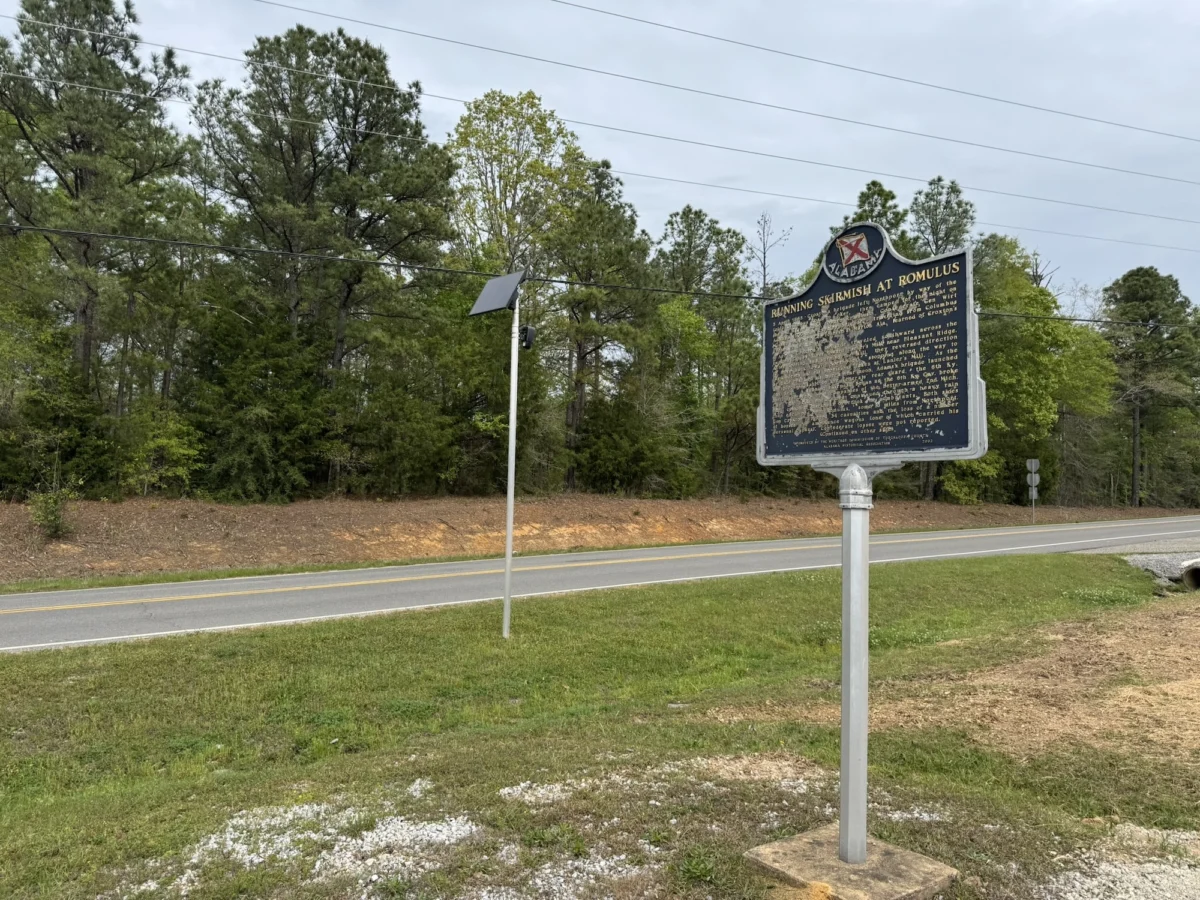
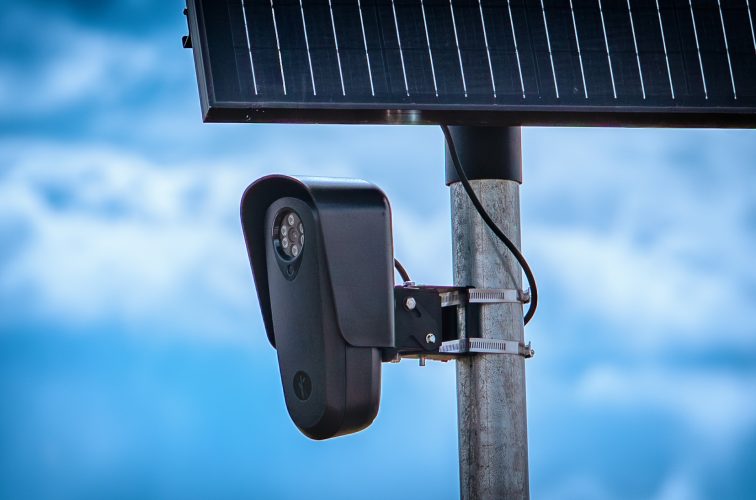
Founded in 2017, Flock Safety marketed itself as a solution for neighborhood associations and small municipalities that lacked the budget for traditional high-end surveillance. By offering a subscription-based "Surveillance-as-a-Service" model, the company allowed local law enforcement to bypass the high upfront costs of hardware. The cameras, often powered by solar panels and connected via cellular networks, could be deployed almost anywhere. This ease of deployment led to exponential growth, with Flock’s cameras now capturing more than 20 billion license plate reads every month.
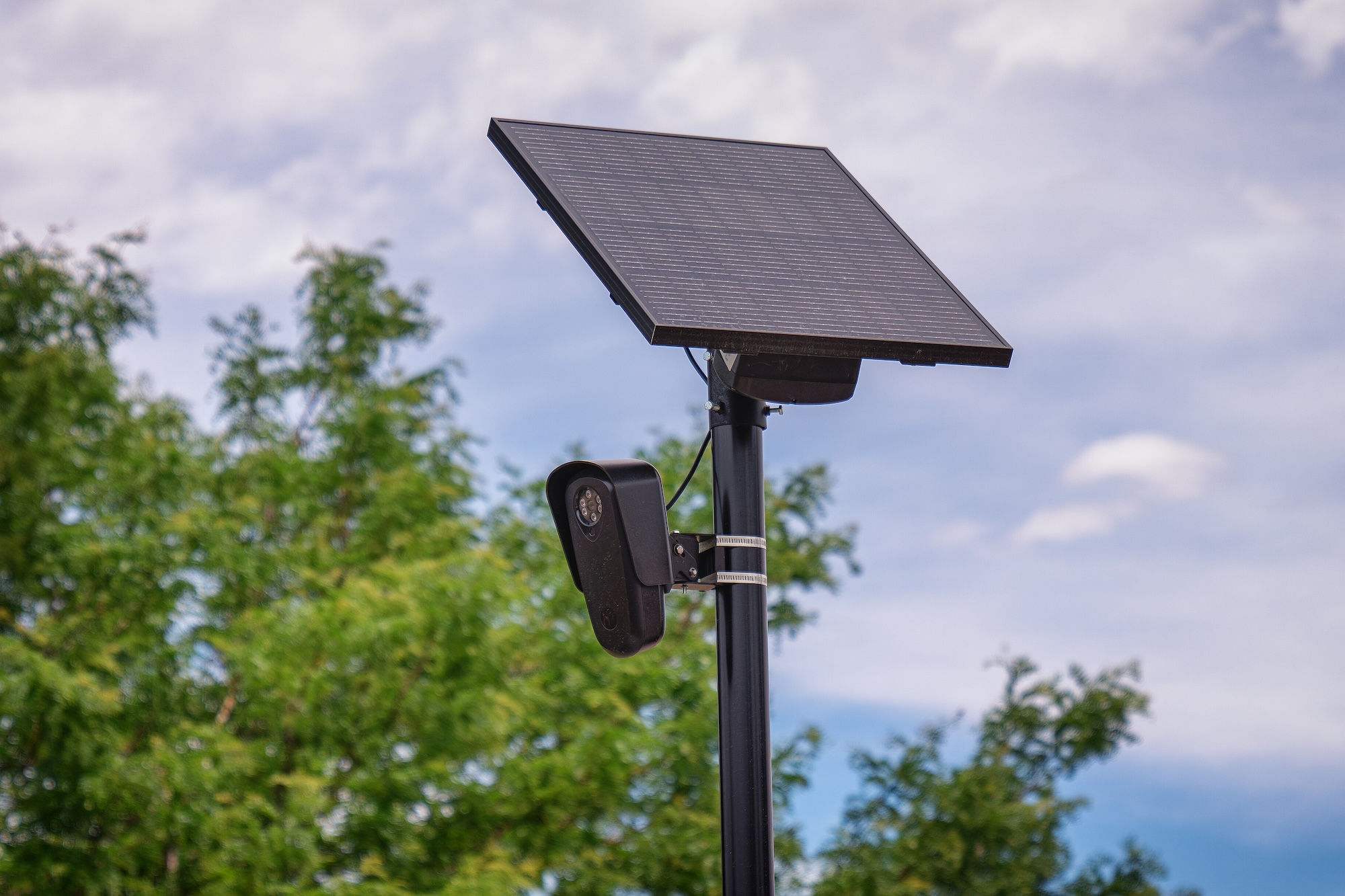
The technological leap that defines Flock’s current dominance is its "Vehicle Fingerprint" technology. Unlike older systems that only read alphanumeric characters on a plate, Flock’s AI identifies the make, model, and color of a car, as well as unique identifiers such as dents, window stickers, or custom rims. Recently, the company has expanded its capabilities to include pedestrian tracking, a move that civil rights advocates warn moves the technology closer to a de facto facial recognition system for public spaces.
A Pattern of Error and High-Stakes Consequences
The primary argument in favor of ALPR systems is their purported accuracy and efficiency in solving crimes. Flock Safety frequently cites a 93 percent accuracy rate in its marketing materials. However, in a system that processes 20 billion data points monthly, a seven percent error rate translates to 1.4 billion potential misidentifications every month. These errors are not merely administrative inconveniences; they frequently result in high-risk police encounters that put lives at risk.
A recent analysis by the Institute of Justice (IJ) examined 24 traffic stops linked to ALPR errors and found a harrowing trend: in two-thirds of those encounters, police officers drew and pointed their firearms at innocent motorists. The "high-risk" or "felony" stop protocol, often triggered by a stolen vehicle alert, mandates that officers treat the driver as an armed and dangerous threat.
Specific incidents underscore the human cost of these technological failures. In Wisconsin, a woman was recently surrounded by police with guns drawn after a Flock camera erroneously linked her vehicle to a homicide investigation. It was the second time in two weeks she had been detained at gunpoint due to a system error. In another case in Ohio, an erroneous alert led to a Black driver being pulled over and subsequently attacked by a police dog, resulting in permanent, life-changing injuries. In Minnesota, automotive journalist Joel Feder reported being surrounded by armed officers while test-driving a vehicle that the system had incorrectly flagged as stolen.
In jurisdictions like Roseville, California, internal audits revealed that a customized Flock system generated 1,427 alerts over a one-year period, more than 70 percent of which were later determined to be erroneous. Flock attributed these failures to the use of older equipment or specific configurations requested by local officials, but for the residents of Roseville, the data highlighted a fundamental unreliability in a system used to justify armed intervention.
Systemic Abuse and the Failure of Reactive Auditing
Beyond the technical limitations of the hardware, the centralized nature of Flock’s database has proven vulnerable to intentional misuse by law enforcement personnel. Because the system allows for broad, searchable access to the movements of millions of people, it provides a powerful tool for stalking, harassment, and unauthorized surveillance.
In Georgia, where Flock is headquartered, a string of arrests and resignations has highlighted this vulnerability. A former police officer in Polk County was charged with accessing the system multiple times for non-enforcement purposes. In other jurisdictions, sheriff’s employees have resigned or been terminated after audits revealed they used the ALPR network to track ex-partners or acquaintances.
Flock Safety recently introduced a new auditing tool designed to catch such abuses by requiring officers to provide a reason for every search. While the company touts this as a solution to privacy concerns, civil liberties groups point out that auditing is inherently reactive. An audit can only identify an abuse of power after the privacy of a citizen has already been violated and the data has been exploited. For many communities, the risk of "insider threats" within police departments outweighs the theoretical benefits of the surveillance network.
The Constitutional Conflict and Legal Grey Areas
The legal debate surrounding Flock Safety centers on the Fourth Amendment’s protection against warrantless searches. Historically, the Supreme Court has held that individuals have a diminished expectation of privacy while traveling on public roads. However, legal scholars argue that the "mosaic theory" applies here: while a single observation of a car on a road is public, the aggregate data of every movement a person makes over weeks or months creates a comprehensive profile of their private life—including their place of worship, medical visits, and political affiliations.
In the landmark 2018 case Carpenter v. United States, the Supreme Court ruled that the government generally needs a warrant to access cell site location information, noting that "the progress of science" has afforded law enforcement a tool that is "otherwise impossible" to achieve through traditional surveillance. Advocates argue that the searchable, long-term databases maintained by Flock Safety are functionally identical to cell phone tracking and should require the same judicial oversight.
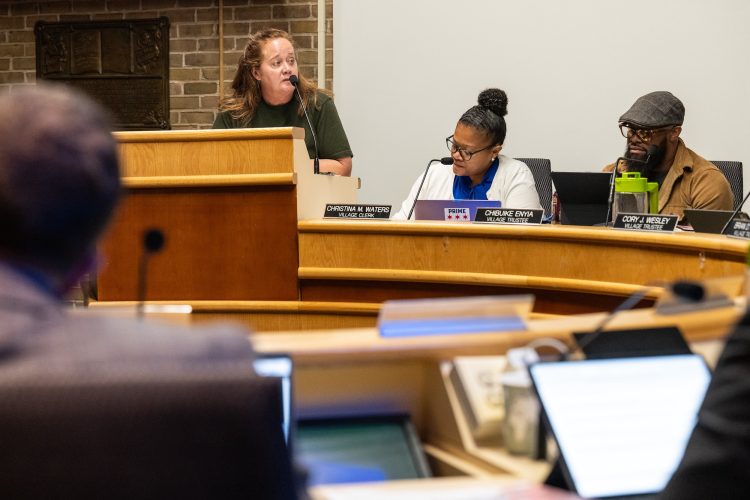
Currently, surveillance companies operate in a legal grey area. Because Flock is a private entity contracting with the government, it occupies a space where traditional public oversight is often obscured by proprietary trade secrets and non-disclosure agreements. This lack of transparency has prompted organizations like the ACLU to release "advocacy toolkits" to help residents demand accountability and push for local ordinances that restrict the use of ALPRs.
Broader Implications: Immigration, Reproductive Rights, and Gender-Affirming Care
The concerns surrounding Flock Safety extend beyond general privacy and into the targeting of specific vulnerable populations. While Flock maintains that it does not work directly with federal immigration agencies, documentation has surfaced showing that local law enforcement agencies frequently share their ALPR data with Immigration and Customs Enforcement (ICE). This creates a "digital border" that can be used to track and apprehend undocumented individuals who are otherwise law-abiding residents.
Furthermore, in the post-Roe v. Wade legal landscape, the ability to track interstate travel has become a flashpoint for reproductive rights. In Texas, a sheriff’s deputy reportedly used a network of 83,000 Flock cameras to search for a woman suspected of seeking an abortion. Similarly, advocates for the LGBTQ+ community have raised alarms about the potential for ALPR data to be used by states to prosecute individuals traveling across state lines to receive gender-affirming care.
The intersection of private data collection and state-level criminalization creates a scenario where a person’s daily commute can be weaponized against them by authorities in a different jurisdiction. This "interstate surveillance" is a primary driver behind the recent surge in bipartisan opposition, as both civil libertarians on the right and social justice advocates on the left find common ground in opposing centralized movement tracking.
The Future of Community Surveillance
As of 2024, more than 100 municipalities have canceled their contracts with Flock Safety, with a significant spike in terminations occurring in the last six months. This trend suggests that the initial "honeymoon phase" of AI-driven policing is ending, replaced by a more skeptical evaluation of the technology’s true cost-to-benefit ratio.

However, the departure of Flock Safety from a community does not necessarily mean the end of surveillance. Competitors like Rekor Systems and Vigilant Solutions continue to expand, and the rise of drone-based surveillance—led by companies like Skydio—presents a new frontier for automated tracking. The challenge for legislators and the judiciary will be to develop a framework that keeps pace with these rapid technological shifts.
Experts like Anne Toomey McKenna of Penn State University suggest that the solution lies in comprehensive data privacy legislation that treats location data as a protected class of information, regardless of whether it is collected by a private company or a government agency. Without such protections, the "lifestyle of continuous personal data collection"—fed by smart phones, Ring cameras, and automotive sensors—will continue to erode the traditional boundaries of American privacy.
The growing movement to "get the Flock out" of American cities is a testament to a public that is becoming increasingly literate in the risks of AI surveillance. Whether this leads to a permanent shift in policing or merely a rebranding of the surveillance state remains to be seen, but the current wave of cancellations serves as a clear warning to the tech industry: public safety cannot be sustained at the expense of public trust and constitutional integrity.
