

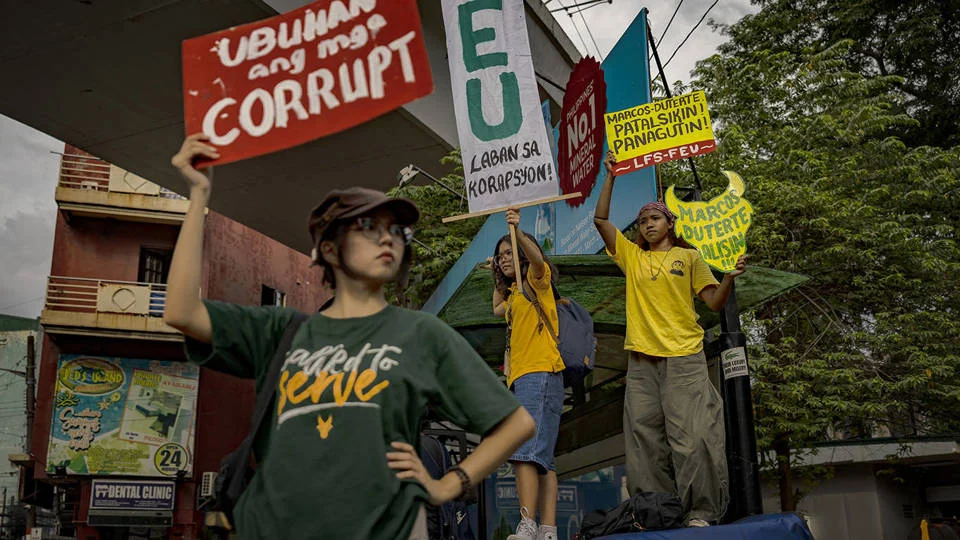
NEW DELHI – The past half-decade has witnessed a seismic shift in South Asia’s political terrain, driven by a wave of six potent youth-led, anti-establishment uprisings. These movements, united by the shared aspirations of a digitally native generation grappling with profound economic frustrations and a deep-seated disillusionment with entrenched governing elites, have fundamentally reshaped the region’s political landscape. While their motivations and initial sparks may share commonalities, the diverse political systems within which these grievances have unfolded have processed them in markedly different ways, leading to sharply divergent outcomes. These uprisings are not merely ephemeral protests; they are potent forces with the potential to sculpt their respective nations’ political trajectories for decades to come.
The Economic Crucible of Youth Discontent
The bedrock of these youth-led movements lies in a pervasive sense of diminished economic prospects. For a generation that has come of age in an era of globalization and digital connectivity, the promise of upward mobility and a secure future often feels like a distant mirage. Instead, many young South Asians perceive not just flawed institutions requiring gradual reform, but rather predatory systems actively robbing them of their potential. This feeling is amplified by rising unemployment rates, stagnant wages, and the widening chasm between the wealthy elite and the struggling masses.
Data from various regional economic reports paints a stark picture. For instance, the World Bank’s "South Asia Economic Focus" reports have consistently highlighted challenges in job creation, particularly for young people entering the workforce. In countries like Pakistan, youth unemployment has often hovered in double digits, with a significant portion of educated youth struggling to find relevant employment. Similarly, in Bangladesh, while the economy has seen growth, concerns persist about the quality and sustainability of jobs, and the unequal distribution of economic benefits. India, despite its economic dynamism, faces the monumental task of absorbing millions of new job seekers each year, a challenge exacerbated by automation and evolving industry demands.
This economic precarity fosters a deep-seated distrust in established political and economic structures. The perception is that these systems are rigged, designed to benefit those already in power and their favored networks, rather than fostering equitable opportunities for all. This sentiment is a powerful accelerant for protest, transforming individual frustrations into collective action.
A Tapestry of Uprisings: Common Threads, Divergent Fates
While the specific contexts and triggers for each uprising vary, several common threads bind them together:
- Digital Savvy and Online Mobilization: These movements have masterfully leveraged social media and digital platforms to organize, disseminate information, and mobilize large numbers of people. Hashtags become rallying cries, and online activism translates into on-the-ground demonstrations, creating a powerful synergy.
- Aspirations for a Better Future: At their core, these protests are driven by a yearning for a more just, equitable, and prosperous future. Young people demand accountability, transparency, and genuine opportunities to thrive.
- Economic Frustration: As discussed, the inability to secure stable, well-paying employment, coupled with rising living costs, forms a significant grievance.
- Disillusionment with Governing Elites: A profound sense of betrayal and alienation from political leaders who are perceived as out of touch, corrupt, or unwilling to address the pressing needs of the populace fuels these movements.
However, the political systems in which these uprisings have occurred have responded and evolved in fundamentally different ways, leading to divergent outcomes:
Case Study 1: The Iranian Green Movement (2009) – Suppression and Resilience
While the article mentions "six youth-led, anti-establishment uprisings" within the last five years, the Green Movement, though predating this specific timeframe, serves as a crucial precursor and a stark example of how deeply entrenched authoritarian systems can respond to such challenges. Triggered by widespread allegations of fraud in the 2009 presidential election, the Green Movement, largely led by young, urban professionals, saw massive street protests across Iran.
- Background Context: The Green Movement emerged from a complex socio-political environment in Iran, characterized by internal political factions, international sanctions, and a desire for greater social and political freedoms among a growing segment of the population.
- Chronology: Following the disputed June 12, 2009 election, protests erupted on June 13th and intensified over several weeks. The movement adopted the color green as its symbol.
- Supporting Data: Millions of Iranians took to the streets, and widespread documentation of the protests emerged through social media, showcasing the scale of dissent.
- Official Response: The Iranian government, under Supreme Leader Ayatollah Ali Khamenei, responded with a swift and brutal crackdown. Security forces used tear gas, batons, and live ammunition against protesters, leading to numerous deaths and arrests. Opposition leaders were detained, and media access was severely restricted.
- Broader Impact and Implications: The Green Movement, despite its suppression, left an indelible mark. It exposed the deep divisions within Iranian society and the government’s authoritarian tendencies. While it did not lead to immediate regime change, it fostered a lasting spirit of dissent and highlighted the power of digital communication in circumventing state control, influencing subsequent activism.
Case Study 2: The Arab Spring (2010-2012) – Revolution and Counter-Revolution
While not exclusively South Asian, the Arab Spring’s ripple effects and lessons are profoundly relevant to the region’s youth movements. This wave of protests across the Middle East and North Africa, ignited by a Tunisian fruit vendor’s self-immolation, demonstrated the potent force of popular uprisings against authoritarian regimes.
- Background Context: Decades of autocratic rule, economic stagnation, corruption, and rising youth unemployment provided fertile ground for widespread discontent.
- Chronology: Beginning in December 2010 in Tunisia, protests rapidly spread to Egypt, Libya, Yemen, Syria, and Bahrain, among other nations.
- Supporting Data: Millions participated in protests, leading to the ousting of leaders in Tunisia, Egypt, Libya, and Yemen.
- Official Response: Responses varied dramatically, from relatively peaceful transitions in some nations to brutal civil wars and counter-revolutions in others.
- Broader Impact and Implications: The Arab Spring led to the fall of long-standing dictatorships, but also to instability, civil conflict, and the rise of new forms of authoritarianism in some regions. It served as a powerful, albeit cautionary, tale for youth movements globally, highlighting the complex and often unpredictable nature of political transition.
Case Study 3: Hong Kong Protests (2019) – Democratic Aspirations and Autocratic Backlash
The 2019 Hong Kong protests, sparked by an extradition bill that would have allowed fugitives to be sent to mainland China, evolved into a broader movement demanding greater democratic freedoms and autonomy.
- Background Context: Hong Kong’s unique "one country, two systems" framework, established after its handover from the UK to China in 1997, was increasingly seen by many as being eroded by Beijing’s growing influence.
- Chronology: The protests began in June 2019 and continued for months, characterized by massive, often peaceful, demonstrations, but also by escalating clashes with police and acts of civil disobedience.
- Supporting Data: Millions participated in protests at their peak, and extensive photographic and video evidence documented the scale and intensity of the demonstrations and the police response.
- Official Response: The Hong Kong government, under Beijing’s direction, initially resisted calls for dialogue but eventually withdrew the extradition bill. However, the protests were met with increasing police force. In 2020, Beijing imposed a sweeping National Security Law, which has significantly curtailed freedoms and led to the arrest of numerous pro-democracy activists and politicians.
- Broader Impact and Implications: The Hong Kong protests represented a powerful assertion of democratic aspirations against encroaching authoritarianism. The subsequent crackdown has fundamentally altered Hong Kong’s political landscape, diminishing its autonomy and raising international concerns about human rights.
Case Study 4: The Belarus Protests (2020) – Stolen Election and State Repression
Following a disputed presidential election in August 2020, massive, sustained protests erupted in Belarus, challenging the 26-year rule of Alexander Lukashenko.
- Background Context: Decades of authoritarian rule, economic stagnation, and a desire for political change had been simmering beneath the surface in Belarus. The 2020 election was widely seen as fraudulent.
- Chronology: Protests began immediately after the election results were announced and continued for months, with hundreds of thousands of people taking to the streets.
- Supporting Data: Large-scale demonstrations, documented through social media and independent media reports, showed the breadth of opposition to Lukashenko’s regime.
- Official Response: The Belarusian government, with significant support from Russia, responded with extreme brutality. Thousands of protesters were arrested, and widespread reports of torture and ill-treatment in detention emerged. Independent media was suppressed, and opposition leaders were forced into exile or imprisoned.
- Broader Impact and Implications: The Belarus protests highlighted the resilience of authoritarian regimes and the challenges of achieving democratic change in the face of overwhelming state repression. While the protests were ultimately suppressed, they exposed the fragility of Lukashenko’s grip on power and galvanized international condemnation.
Case Study 5: The Sudan Protests (2018-2019 and subsequent) – Overthrowing a Dictator, Navigating Transition
The Sudanese protests, which began in December 2018, were primarily driven by economic hardship and discontent with the autocratic rule of Omar al-Bashir.
- Background Context: Sudan had been under al-Bashir’s rule for nearly three decades, marked by internal conflicts, economic mismanagement, and international isolation.
- Chronology: Protests initially focused on rising bread prices but quickly broadened to calls for al-Bashir’s resignation. The movement culminated in the military overthrow of al-Bashir in April 2019. A transitional government was established, but Sudan has since faced ongoing political instability and a military coup in October 2021.
- Supporting Data: Large-scale street demonstrations, sit-ins, and civil disobedience characterized the movement.
- Official Response: The government’s initial response was violent, with security forces killing protesters. However, the sustained pressure led to the military’s intervention. The subsequent transitional period has been fraught with challenges, including internal power struggles and a military takeover.
- Broader Impact and Implications: The Sudanese uprising demonstrated the power of popular movements to unseat long-standing dictators. However, it also underscored the immense difficulties of navigating a peaceful and democratic transition in a country with deep-seated political and economic challenges. The ongoing instability highlights the fragility of democratic gains.
Case Study 6: The Myanmar Uprising (2021) – Coup and Resistance
The military coup in Myanmar in February 2021, which ousted the democratically elected government of Aung San Suu Kyi, triggered widespread protests and civil disobedience.
- Background Context: Myanmar had been undergoing a complex democratic transition after decades of military rule. The February 2021 coup was seen as a significant setback for democracy.
- Chronology: Protests began immediately after the coup and involved widespread strikes, demonstrations, and acts of civil disobedience. The military junta responded with extreme violence.
- Supporting Data: Massive protests, documented through social media and international media, showed the broad opposition to the coup.
- Official Response: The military junta has responded with extreme brutality, killing thousands of protesters and arbitrarily detaining thousands more. The country has descended into widespread conflict.
- Broader Impact and Implications: The Myanmar uprising highlights the persistent threat of military intervention in nascent democracies. The youth-led resistance continues, but the situation remains dire, with the country facing a humanitarian crisis and ongoing civil conflict.
The Unfolding Implications for South Asia
The divergent outcomes of these youth-led movements offer critical lessons for the future of South Asia. Where political systems are more open and responsive, albeit imperfectly, the energy of these movements can be channeled into constructive reform and political evolution. However, in systems characterized by deep authoritarianism and a willingness to suppress dissent through force, these uprisings can lead to prolonged instability, violence, and the entrenchment of repressive measures.
The rise of digitally empowered youth as a political force is undeniable. Their ability to organize, articulate grievances, and demand change presents both an opportunity and a challenge for governments across the region. Ignoring these voices risks further alienation and the potential for more radicalized forms of dissent.
The future trajectory of South Asia will, in large part, depend on how its established political systems adapt to this new reality. Will they embrace dialogue, implement meaningful reforms, and create pathways for youth participation? Or will they resort to repression, thereby sowing the seeds for future, potentially more volatile, conflicts? The answers to these questions will shape the political, economic, and social destinies of millions in this dynamic and rapidly evolving region. The legacy of these six uprisings, and indeed of countless others yet to emerge, will be written in the choices made today by both the governed and those who govern.
