

In the vast stretches of rural America, where the distance between a home and the nearest grocery store or medical clinic can span dozens of miles, the traditional model of public transportation often fails to meet the needs of the population. While urban centers boast intricate subway systems and frequent bus routes, rural residents have historically been left to rely almost exclusively on personal vehicles. However, a shifting landscape in transportation technology and policy is bringing "microtransit" to the forefront of rural development. These on-demand, flexible transit services are increasingly seen as a vital bridge for communities in Northern Vermont, Western Washington, and Southwestern Virginia, though they face significant economic hurdles that threaten their long-term viability.
Defining the Microtransit Framework
Microtransit represents a hybrid between traditional public busing and modern ride-hailing services like Uber or Lyft. While the concept of "demand-response" transit has existed since the 1970s, the integration of smartphone applications, real-time GPS tracking, and sophisticated routing algorithms has revitalized the model. In a typical rural microtransit setup, a rider uses an app or a traditional phone call to request a pickup. A professionally driven van or shuttle then retrieves the passenger from their location—or a nearby "virtual stop"—and transports them to their destination within a specific service zone.
Unlike taxis, microtransit is a shared-ride service. The software optimizes the route to pick up other passengers heading in the same direction, maximizing the utility of the vehicle. These programs are generally designed to serve one of three purposes: "first-mile/last-mile" connectivity to larger transit hubs, point-to-point travel within a localized zone, or specialized paratransit for individuals with disabilities and the elderly.
The Critical Need for Rural Connectivity
The push for rural microtransit is driven by stark demographic and economic realities. According to a 2025 report from the American Public Transportation Association (APTA), less than 2 percent of all public transportation rides in the United States occur in rural areas. Despite this low percentage, the impact of these rides is disproportionately high. The majority of rural transit trips are for "life-sustaining" purposes, including commuting to work, attending medical appointments, and purchasing essential supplies.
The vulnerability of rural populations further underscores the need for these services. Approximately 20 percent of the rural U.S. population consists of older Americans, a demographic that is growing as the "silver tsunami" of aging Baby Boomers continues. Additionally, data from the U.S. Census Bureau indicates that disability rates are significantly higher in rural areas than in urban centers. For these individuals, the inability to drive a personal vehicle often results in total isolation, leading to poorer health outcomes and economic instability. Microtransit offers a lifeline, providing the mobility necessary to maintain independence in aging-in-place scenarios.
Regional Case Studies: From Pilot Programs to Permanent Fixtures
Several states have become testing grounds for the efficacy of rural microtransit, with varying degrees of success and different operational models.
Vermont: The Volunteer and Nonprofit Model
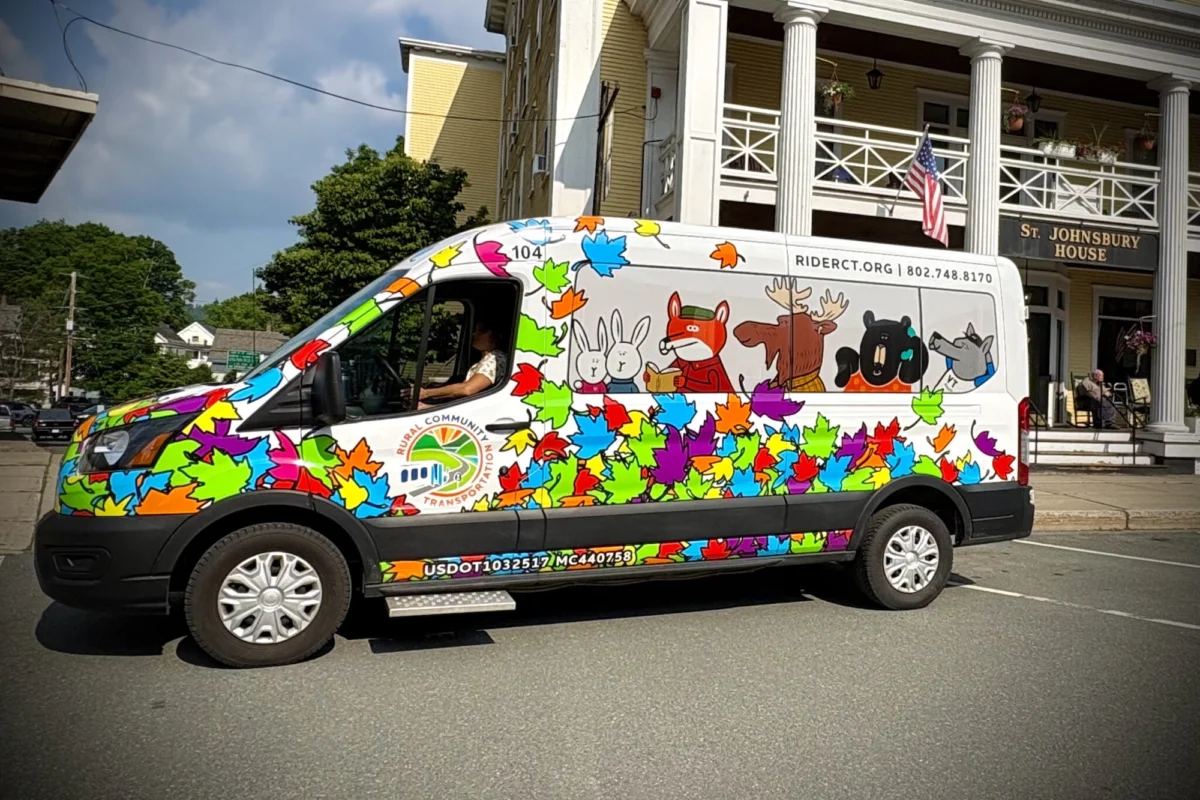
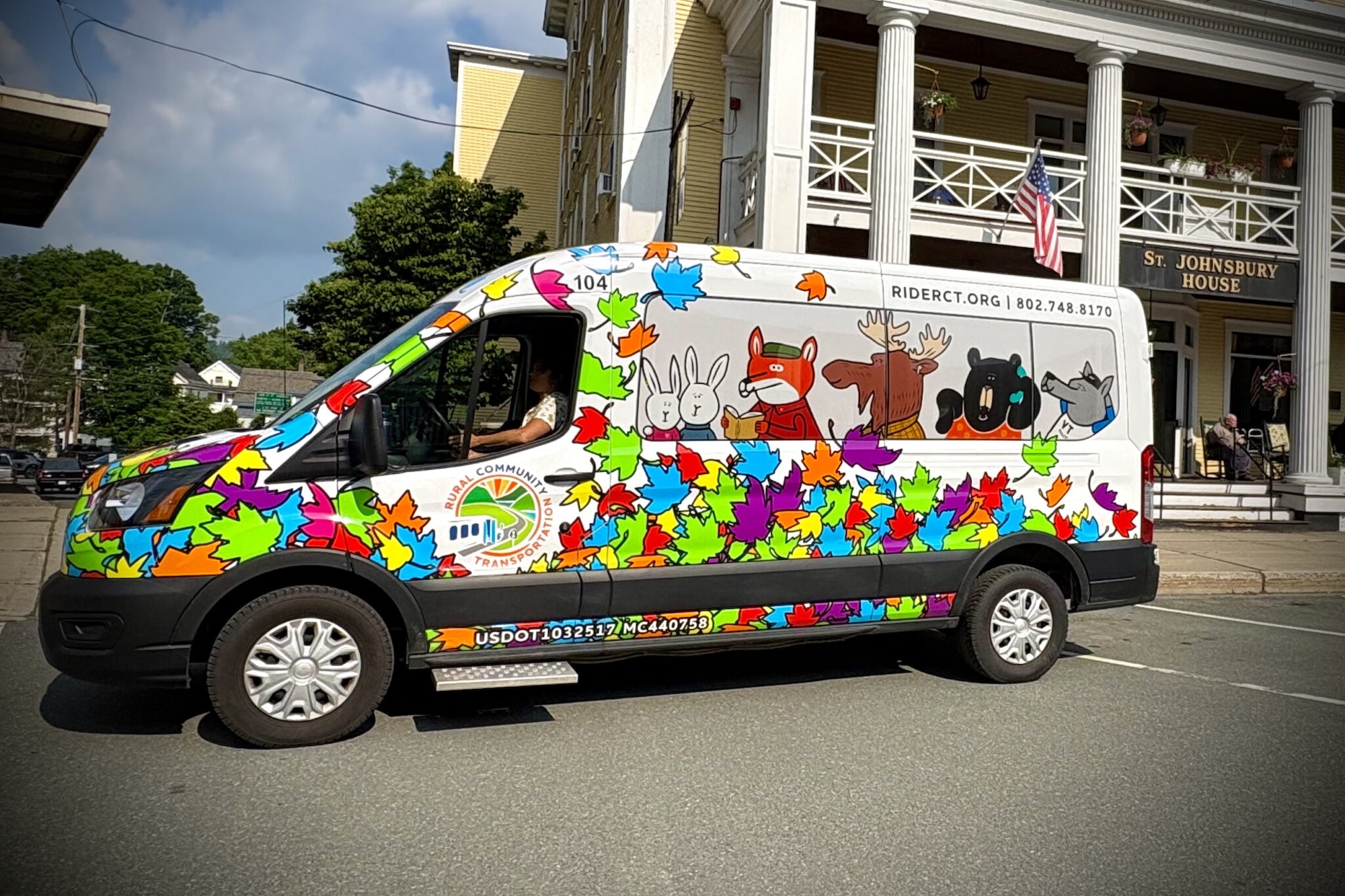
In Northern Vermont, the private nonprofit Rural Community Transportation (RCT) has pioneered a fare-free microtransit system across several counties. RCT’s model is unique because it relies heavily on a network of volunteer drivers who use their own vehicles, supplemented by a fleet of dedicated electric vans. This hybrid approach allows the organization to cover gas and maintenance while minimizing the overhead costs associated with a full-time professional staff.
According to RCT’s 2025 annual report, microtransit and point-to-point medical transportation account for nearly 75 percent of the agency’s total rides. When the service expanded into Newport—a town with a population of roughly 4,400—monthly ridership surged by 200 people almost immediately. The success in Vermont highlights the importance of "fare-free" access, which removes the financial barrier for low-income residents who might otherwise be unable to afford the cost of a private ride-share.
Virginia: State-Led Innovation
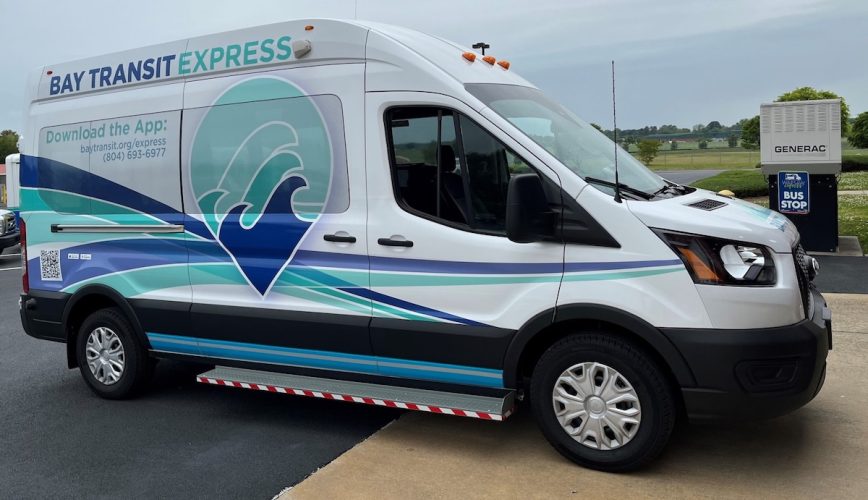
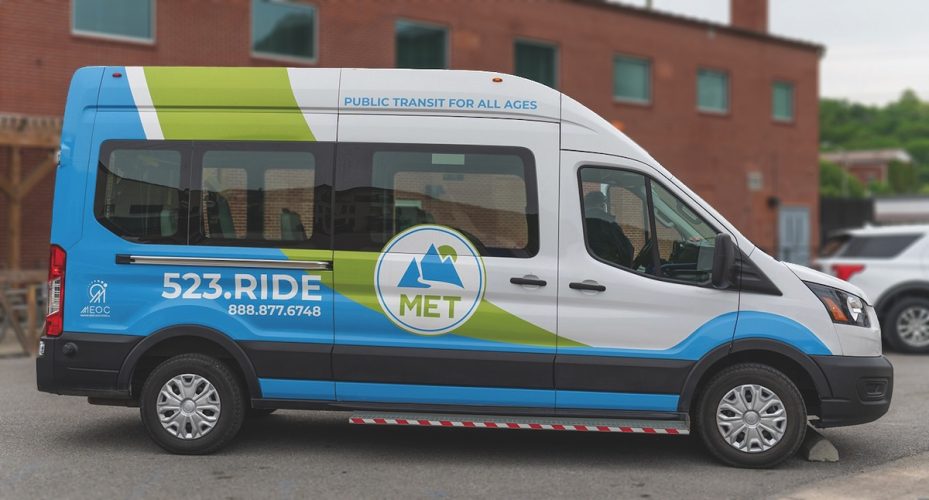
The Virginia Department of Rail and Public Transportation (DRPT) took a more centralized approach by launching an 18-month pilot program in 2023. The pilot was so successful—facilitating over 48,000 trips—that it was transitioned into a permanent service. Today, agencies like Bay Transit and Mountain Empire Transit provide on-demand rides across more than 10 rural counties.
Mountain Empire Transit’s service area is particularly challenging, covering nearly 1,400 square miles of rugged terrain in southwestern Virginia. The state’s study found that a high percentage of riders were "super-users," hailing vans multiple times a week for routine tasks. This consistent demand suggests that once a reliable transit option is introduced, rural residents quickly integrate it into their daily lives, shifting away from total car dependency.
Washington: The HarborFlex Initiative
On the west coast of Washington, Grays Harbor Transit operates "HarborFlex," a program designed specifically for areas where the population density is too low to justify a fixed bus route. HarborFlex allows residents to schedule rides across several small towns for free. Local officials have noted that the service is a primary mode of transport for seniors attending community events and for patients requiring specialized medical treatments like dialysis, which are often located in larger regional centers.
The Economic Paradox: Why Microtransit Programs Fail
Despite the clear social benefits, the financial sustainability of microtransit remains a significant concern for policymakers. Research conducted in 2020 and updated with data through 2026 reveals a troubling trend: approximately 40 percent of microtransit programs fail within the first three years of operation. By the seven-year mark, that failure rate climbs to 50 percent.
The primary culprit is the high cost per passenger. In a traditional bus system, a single driver can transport dozens of people along a set route, resulting in a low cost-per-ride. In a microtransit model, a driver may spend 20 minutes traveling to a remote location to pick up a single passenger, only to drive another 30 minutes to the destination. This phenomenon, known as "deadheading"—where a vehicle is moving without any fare-paying passengers—erodes the budget of transit agencies.
A 2026 study of rural microtransit in California found that flexible, door-to-door services are significantly more expensive to maintain than those that follow a modified fixed-route or "hub-and-spoke" model. With transit agencies across the country facing a "fiscal cliff" as pandemic-era federal subsidies expire, many are forced to choose between maintaining traditional bus routes and funding experimental microtransit programs.
Optimizing for the Future: Data-Driven Solutions
To address these financial challenges, researchers and urban planners are proposing a shift in how microtransit is structured. A 2025 study from the University of California, Berkeley’s Transportation Sustainability Research Center suggests that the most sustainable microtransit programs are those that move away from pure door-to-door service.
Instead, researchers recommend "corner-to-corner" models or services that only operate between set locations at specific times. By limiting the flexibility of the service, agencies can increase "ride-pooling" efficiency, ensuring that more seats in the van are filled at any given time. Furthermore, the Berkeley study argues that the success of these programs should not be measured solely by profit or cost-per-ride. Instead, metrics such as "social return on investment" (SROI)—which accounts for improved health outcomes, increased employment rates, and reduced carbon emissions—provide a more accurate picture of a program’s value to the community.
Policy Implications and Broader Impact
The future of rural microtransit will likely depend on continued federal and state support. The Federal Transit Administration (FTA) has increasingly signaled a willingness to fund "innovative mobility" grants, recognizing that the one-size-fits-all approach of big-city transit does not work for the 60 million Americans living in rural areas.
As microtransit evolves, it may also become a testing ground for autonomous vehicle (AV) technology. In the long term, the removal of the labor cost—the largest expense in any transit operation—could make rural microtransit not only socially beneficial but also economically profitable. However, until the technology and infrastructure catch up, rural communities will remain dependent on the current model of vans, apps, and dedicated drivers.
The broader implication of these programs is a fundamental shift in the "right to mobility." By treating transportation as a public utility rather than a luxury, rural microtransit programs are addressing the root causes of rural poverty and isolation. Whether these programs can survive the current era of fiscal instability will depend on the ability of local governments to articulate their value beyond the balance sheet, focusing instead on the essential connections they provide for the nation’s most isolated citizens.
