

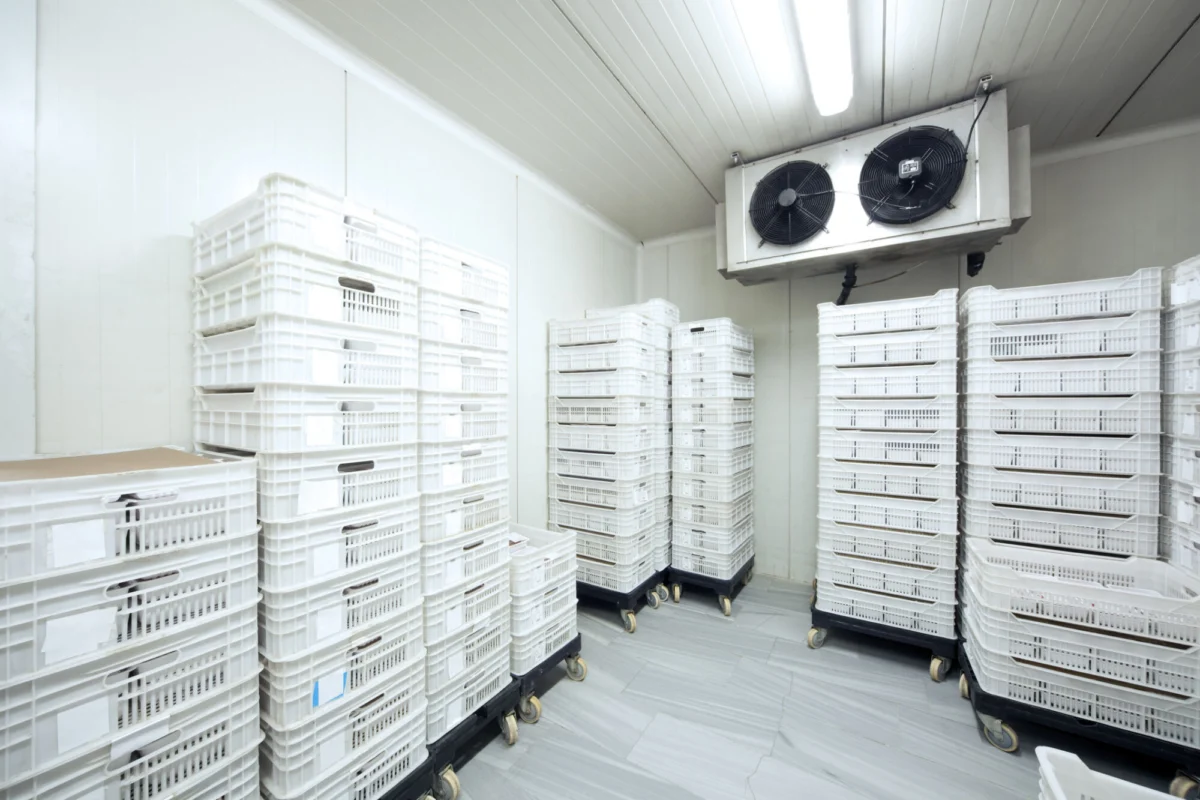
Senior analyst Xinnan Li has identified a significant emerging trend within the cold storage sector: family-owned operations are strategically positioned to leverage the burgeoning demand for nutrient-dense foods. This demand, encompassing products such as Greek yogurt, high-protein milk, meat, and seafood, is creating substantial opportunities for specialized cold storage solutions. Li’s insights suggest that the agility, long-term vision, and often deeply ingrained operational expertise characteristic of family-run businesses make them particularly well-suited to adapt and thrive in this evolving market landscape.
The cold chain, a critical component of modern food distribution, ensures that temperature-sensitive products maintain their quality, safety, and nutritional integrity from farm to fork. As consumer preferences shift towards healthier, more protein-rich food options, the requirements for efficient and reliable cold storage are escalating. This isn’t a sudden phenomenon but rather a culmination of several interwoven trends that have been developing over the past decade.
The Shifting Consumer Plate: A Driver of Cold Storage Demand
The growing global emphasis on health and wellness has directly translated into a surge in demand for foods perceived as being more nutritious. Greek yogurt, for instance, has moved from a niche product to a mainstream staple, celebrated for its higher protein content and probiotic benefits. Similarly, the market for high-protein milk, often fortified or derived from sources like almond or soy, has expanded considerably. In the realm of animal protein, the consumption of lean meats and a wider variety of seafood, valued for their protein, omega-3 fatty acids, and essential minerals, continues to grow.
According to data from Grand View Research, the global cold chain market was valued at USD 161.2 billion in 2022 and is projected to expand at a compound annual growth rate (CAGR) of 15.8% from 2023 to 2030. This growth is significantly fueled by the increasing demand for frozen foods, pharmaceutical products, and, crucially, fresh produce and dairy. The specific segment catering to nutrient-dense foods is a particularly dynamic sub-sector within this larger market.
The proliferation of these specific food categories necessitates sophisticated cold storage infrastructure. This includes not only maintaining consistent low temperatures but also ensuring precise humidity control, specialized handling procedures, and rapid turnaround times to minimize spoilage and preserve nutritional value. The complexity of these requirements can be a barrier for larger, more bureaucratic organizations.
Why Family-Owned Operations Are Well-Positioned
Family-owned businesses, often characterized by their deep-rooted commitment to their industry and a generational perspective on growth, possess inherent advantages in this environment. Unlike publicly traded companies that may be driven by quarterly earnings, family enterprises can often afford to invest in long-term strategies, including the development of specialized cold storage facilities. This allows them to build relationships with suppliers and customers based on trust and reliability, rather than solely on transactional metrics.
"Family-owned operations often have a more patient capital approach," commented Li in a recent industry briefing. "They are more likely to see cold storage as a strategic asset that can support their core business for decades, rather than just a cost center. This long-term outlook is crucial for investing in the advanced technologies and infrastructure required for modern cold chain management."
Furthermore, family businesses can often be more agile in their decision-making processes. When faced with the need to adapt to new market demands, such as the increased need for blast freezing or multi-temperature warehousing, they can often pivot more quickly than larger corporations. This responsiveness is invaluable in a sector that is constantly being reshaped by evolving consumer tastes and technological advancements.
The inherent dedication of family members to the success of their enterprise can also translate into a higher level of service and operational excellence. There is a personal stake in maintaining quality and reputation, which can foster a culture of meticulousness and attention to detail that is vital in the cold chain.
A Timeline of Evolving Cold Storage Needs
The demand for temperature-controlled storage has a long history, dating back to the early days of ice houses and mechanical refrigeration. However, the modern cold chain as we know it began to take shape in the latter half of the 20th century with advancements in refrigeration technology and the globalization of food supply chains.
1970s-1980s: The rise of supermarkets and the increased availability of frozen foods began to drive demand for larger, more centralized cold storage facilities. This era saw the initial development of dedicated cold storage warehouses.
1990s-2000s: Globalization accelerated, and the demand for a wider variety of perishable goods, including imported fruits and vegetables, grew significantly. This period saw investments in more sophisticated temperature and humidity control systems. The emergence of e-commerce also began to introduce new logistical challenges for temperature-sensitive products.
2010s-Present: The health and wellness movement gained significant traction, leading to a surge in demand for specialized nutrient-dense foods. Simultaneously, advancements in automation, data analytics, and IoT (Internet of Things) technology started to revolutionize cold chain management, enabling greater precision and efficiency. The COVID-19 pandemic also highlighted the critical importance of a robust cold chain for the distribution of vaccines and other temperature-sensitive medical supplies, further underscoring its strategic value.
The current phase, characterized by the specific focus on nutrient-dense foods, represents a further evolution. It demands not just generalized cold storage but highly specialized environments tailored to the unique preservation needs of products like Greek yogurt, which requires precise temperature control to maintain its texture and probiotic viability, or high-protein milk, which can be susceptible to off-flavors if not stored correctly. Meat and seafood, in particular, require rigorous temperature management to prevent bacterial growth and maintain freshness, often involving blast freezing capabilities and specialized packaging.
Supporting Data and Industry Projections
The growth in the cold storage sector is underpinned by robust data. The International Association of Refrigerated Warehouses (IARW) consistently reports on the expansion of cold storage capacity globally. While specific data for the "nutrient-dense food" sub-segment within cold storage is still emerging, industry analysts are observing a clear correlation.
For example, the global Greek yogurt market, a key driver of this trend, was valued at approximately USD 9.5 billion in 2022 and is projected to reach USD 14.8 billion by 2028, growing at a CAGR of 7.6%. High-protein milk products are also experiencing similar growth trajectories, with the global plant-based milk market, a significant contributor to high-protein alternatives, expected to reach USD 65.5 billion by 2030. The demand for meat and seafood, while more mature, continues to grow, particularly in developing economies and with a focus on premium and sustainably sourced products.
These figures translate directly into a need for more refrigerated warehousing space. According to a report by Statista, the global cold storage market is expected to add over 100 million cubic meters of capacity by 2027. A significant portion of this expansion is anticipated to occur in regions with high consumer spending and a growing middle class, which are also the areas where demand for nutrient-dense foods is most pronounced.
The investment in cold storage is not limited to new construction. Existing facilities are also undergoing upgrades to incorporate advanced technologies. These include:
- Automated Storage and Retrieval Systems (AS/RS): These systems increase efficiency, reduce labor costs, and minimize human error in temperature-sensitive environments.
- Advanced Refrigeration Technologies: Including natural refrigerants and more energy-efficient systems, driven by both cost savings and environmental concerns.
- Real-time Monitoring and Data Analytics: IoT sensors provide continuous data on temperature, humidity, and other critical parameters, allowing for proactive management and rapid response to deviations.
- Blast Freezing Capabilities: Essential for rapidly freezing products like meats and seafood to preserve quality and extend shelf life.
Potential Reactions and Inferred Statements from Related Parties
While direct quotes from family-owned operations specifically addressing their strategic moves in cold storage are not publicly available in the context of this article’s initial information, industry logic allows for inferred perspectives.
Dairy Producers: A hypothetical statement from a multi-generational family dairy farm transitioning to higher-protein milk or Greek yogurt production might read: "Our commitment to quality has always been paramount. As consumer demand shifts, we recognize the absolute necessity of a robust cold chain to ensure our products reach our customers in peak condition. Investing in specialized cold storage isn’t just a business decision; it’s an extension of our legacy of providing wholesome, nutritious food."
Seafood Processors: A family-owned seafood processing company might express: "The freshness and safety of our seafood are non-negotiable. We’ve seen a growing appreciation for high-quality, sustainably sourced fish. This means we need cold storage solutions that can handle rapid freezing and maintain precise temperatures throughout the distribution process. Our family has been in this business for decades, and we understand the long-term value of investing in the infrastructure that guarantees the integrity of our catch."
Cold Storage Providers: A third-party logistics (3PL) provider specializing in cold chain solutions, likely serving a mix of clients, might articulate: "We are seeing a clear demand for more sophisticated cold storage services. Clients focused on premium products, like specialty yogurts and high-protein dairy, require more than just standard refrigeration. They need tailored solutions, and we are investing in the technology and expertise to meet these evolving needs. We anticipate that family-owned food producers, with their focus on long-term brand reputation, will be key partners in this growth."
Broader Impact and Implications
The trend identified by Xinnan Li has several significant implications for the broader food industry and the economy:
- Enhanced Food Safety and Quality: As more specialized cold storage comes online, the overall safety and quality of nutrient-dense foods are likely to improve, reducing spoilage and waste.
- Economic Development: Investment in cold storage facilities creates jobs, not only in construction and operation but also in related sectors like logistics and technology.
- Support for Local and Regional Food Systems: Family-owned operations are often deeply embedded in their local communities. Their growth in cold storage can bolster regional food supply chains and support local agricultural producers.
- Innovation in Cold Chain Technology: The increasing demand for specialized storage will likely spur further innovation in refrigeration technology, automation, and data management within the cold chain sector.
- Competitive Landscape: The agility of family-owned businesses in adapting to these specific demands could lead to increased competition for larger, less adaptable players in the cold storage market. Their ability to offer specialized services may give them a competitive edge.
In conclusion, the convergence of growing consumer demand for nutrient-dense foods and the inherent strengths of family-owned businesses points towards a significant opportunity within the cold storage sector. As these enterprises continue to invest in specialized infrastructure and advanced technologies, they are set to play a pivotal role in ensuring the efficient, safe, and high-quality delivery of these essential food products to consumers worldwide. The long-term perspective and dedication characteristic of family operations are precisely what the evolving demands of the cold chain require.
