

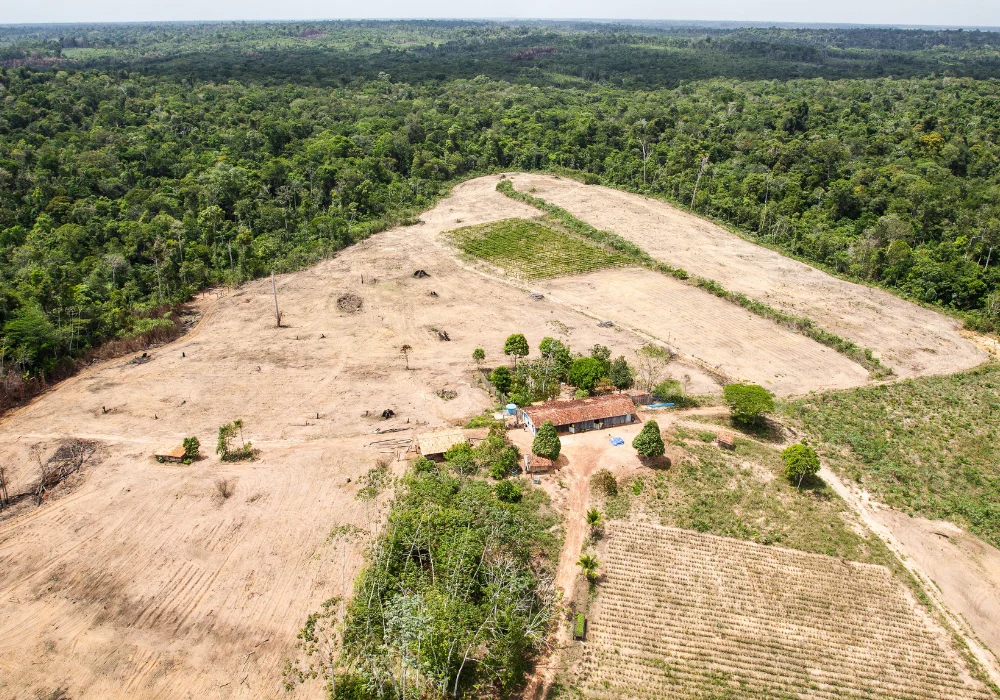
As nations scramble to meet the increasingly urgent targets of the Paris Agreement, a fundamental disconnect remains between industrial decarbonization and the management of the Earth’s natural ecosystems. Governments worldwide have established approximately 60 to 70 regulated compliance carbon markets designed to force industrial polluters to reduce their greenhouse gas emissions. These systems, such as the European Union’s Emissions Trading System (EU ETS) or Canada’s industrial carbon pricing systems, operate by setting a rigid cap on total allowable pollution. Within these frameworks, companies can buy and sell emissions allowances, creating a financial mechanism that identifies the most cost-effective methods for reduction. However, despite their success in transforming the energy and manufacturing sectors, these regulatory schemes have largely ignored the role of nature.
Chris Costello, the chief economist at the Environmental Defense Fund (EDF), argues that the exclusion of nature from compliance markets represents the world’s largest untapped opportunity in the fight against climate change. While industrial smokestacks are the traditional targets of regulation, Costello highlights that mismanaged forests, degraded peatlands, and agricultural soils act as "natural smokestacks" that release billions of tons of carbon annually. By bringing nature—including reforestation, wildfire prevention, and landscape restoration—into the mandatory compliance architecture, experts believe the global community could unlock between 8 and 14 gigatons of carbon mitigation per year. This potential dwarfs the current impact of compliance markets, which currently account for only one to two gigatons of reductions out of the 53 billion tons emitted globally each year.
The Evolution of Carbon Markets: Compliance vs. Voluntary Systems
To understand the push for nature’s integration, it is necessary to distinguish between the two primary types of carbon markets. Compliance markets are government-mandated systems where entities are legally required to account for their emissions. These markets are defined by a "cap-and-trade" structure: the government sets a limit (the cap) on total emissions, which decreases over time to meet climate goals, such as Canada’s net-zero target for 2050. Because the cap is absolute, the environmental outcome is guaranteed, and the market’s role is simply to find the cheapest way to achieve that outcome.
In contrast, voluntary carbon markets (VCMs) consist of individual contracts between private parties. These have historically been the primary home for nature-based solutions, such as forest conservation projects in the Amazon or Southeast Asia. However, the VCM sector has been plagued by skepticism and high-profile exposés involving corruption and "phantom credits." These scandals often stem from the "additionality problem"—the difficulty of proving that a specific payment actually changed behavior on the ground, rather than paying for a forest that was never at risk of being cut down in the first place.
Costello and the EDF propose shifting nature-based solutions away from these isolated, voluntary projects and into the robust architecture of compliance markets. By applying a jurisdictional approach—measuring emissions and sequestration across entire provinces or countries rather than single plots of land—governments can ensure that carbon reductions are real, permanent, and additional.
Nature as a Source of Pollution: The 2023 Wildfire Case Study
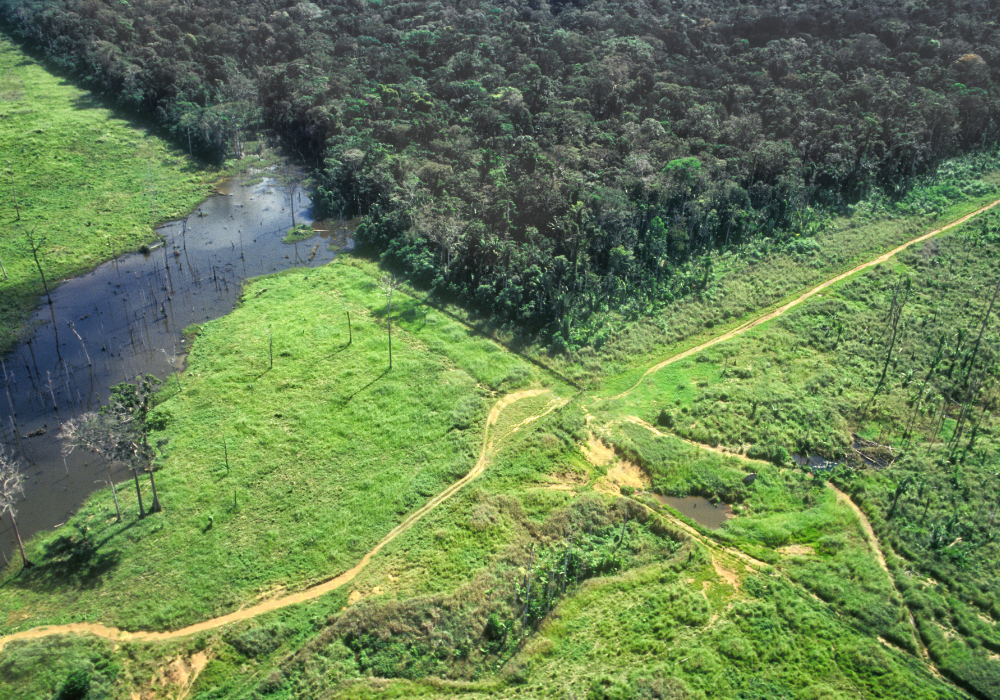
One of the most compelling arguments for regulating nature is the realization that ecosystems are currently major sources of emissions due to mismanagement. In a traditional view, nature is seen only as a victim of climate change; in an economic view, it is a significant contributor to the atmospheric carbon load.
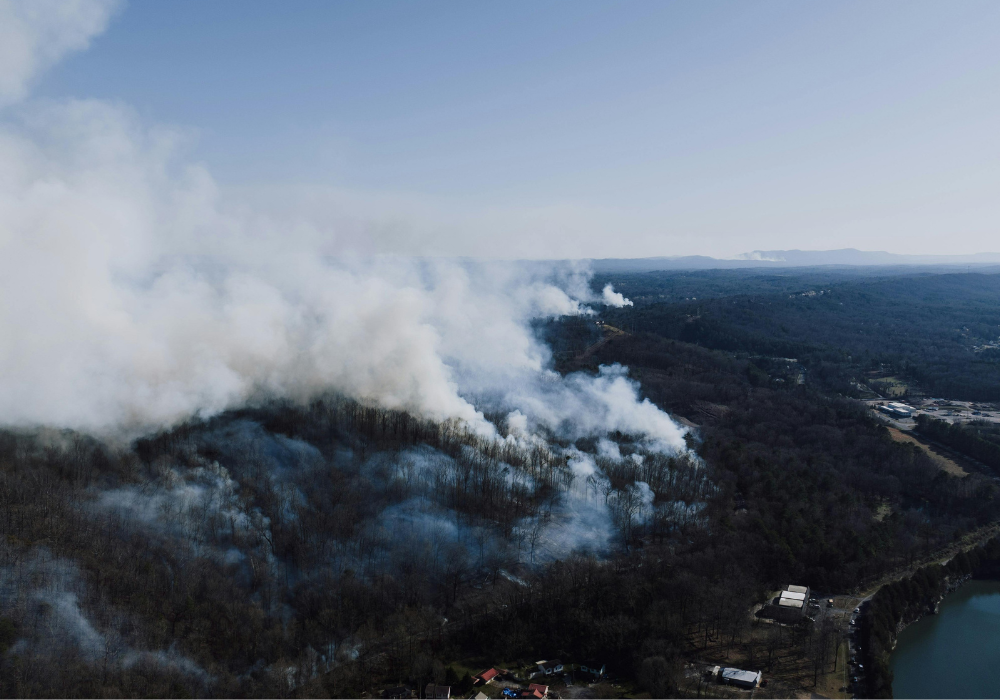
The 2023 wildfire season in Canada serves as a stark data point for this perspective. During that year, megafires released approximately three billion tons of carbon dioxide—a figure that significantly exceeded the combined emissions from all of Canada’s industrial, transportation, and residential sectors. From an atmospheric standpoint, a wildfire is functionally identical to a coal-fired power plant. Similarly, deforestation for agriculture in tropical regions releases stored carbon immediately, often through burning.
By excluding these events from carbon accounting and incentive structures, governments miss the opportunity to reward proactive forest management that could prevent such "natural smokestacks." If forest managers or Indigenous communities were financially incentivized through a compliance market to reduce the risk of megafires, the resulting carbon savings could be integrated into the national ledger, providing a low-cost alternative to more expensive industrial retrofits.
The Economic Logic of Lowering Abatement Costs
A central tension in the debate over carbon pricing is the impact on the price per ton. In Canada and Europe, policymakers often struggle to keep carbon prices high enough to force heavy industry to switch to expensive green technologies. Critics of nature-based offsets argue that if "cheap" nature-based tons are allowed into the market, the price of carbon will drop, potentially allowing industrial polluters to continue using fossil fuels by simply buying inexpensive forest credits.
However, Costello challenges this logic, suggesting that the goal of climate policy should be to find the most affordable path to net-zero. If a ton of carbon can be removed from the atmosphere for $30 through mangrove restoration or improved soil management, while it costs $80 to remove it through industrial carbon capture, the $30 option is objectively more efficient.
Furthermore, lower abatement costs allow governments to be more politically and environmentally ambitious. If the cost of reducing emissions is high, governments may face public backlash and set conservative targets. If the cost is lowered through the integration of credible nature-based solutions, those same governments can legally mandate much steeper declines in the overall carbon cap, accelerating the timeline to reach net-zero.
Technical Hurdles: The Challenge of MRV
The primary barrier to integrating nature into compliance markets is the difficulty of Monitoring, Reporting, and Verification (MRV). In an industrial setting, measuring the carbon output of a factory is relatively straightforward through fuel consumption proxies or direct sensors. Nature is more complex. Measuring the exact amount of carbon sequestered by a kelp forest in the Pacific or stored in the soil of a prairie farm requires advanced technology and rigorous modeling.
Currently, the international community is at varying stages of readiness for different ecosystems:
- Forestry: Satellite imaging and ground-based data have made forest carbon flux measurement highly reliable, making this the most likely entry point for compliance markets.
- Agriculture: Methods for measuring soil organic carbon are improving, but they remain more variable than forestry data.
- Blue Carbon: The measurement of carbon sequestration in oceans, mangroves, and kelp forests is still in its infancy. While the physics and chemistry confirm these ecosystems are massive carbon sinks, the ability to quantify that sequestration to a degree of precision required for a regulated market (e.g., distinguishing between 7 and 8 tons) remains a challenge.
Despite these hurdles, proponents argue that the perfect should not be the enemy of the good. New Zealand has already blazed a trail by including forestry in its national emissions trading scheme, providing a living laboratory for how nature-based integration can function within a regulatory framework.
Global Reactions and the Path Forward
The proposal to bridge nature and compliance markets comes at a time of significant transition in global climate policy. While the voluntary market is currently experiencing a "flight to quality" as buyers demand higher standards, the real movement is occurring at the state level. Organizations like the Environmental Defense Fund are working with jurisdictions to design "compliance-grade" nature credits that meet the same rigorous standards as industrial allowances.
The broader implications of this shift are profound. If nature is successfully integrated into global compliance markets, it would represent a massive transfer of wealth toward the stewards of the land, including Indigenous peoples and rural landowners, who would be paid to preserve and restore ecosystems. It would also transform the global carbon market from a niche industrial regulatory tool into a comprehensive economic system that values the Earth’s biological capacity to regulate the climate.
As the math of the 53-gigaton problem becomes increasingly difficult to solve through energy transitions alone, the integration of nature appears less like an optional add-on and more like a mathematical necessity. The transition from the "snake oil" reputation of early voluntary offsets to the "gold standard" of jurisdictional compliance markets will require transparency, technological innovation, and political will. However, if successful, the management of nature could move from being a climate liability to becoming the world’s most effective machine for atmospheric restoration.
