

Contemporary Amperex Technology Co., Limited (CATL), the world’s preeminent manufacturer of lithium-ion batteries for electric vehicles (EVs) and energy storage systems, has officially announced the successful carbon-neutral certification of all 20 of its primary battery production facilities. This achievement marks the realization of the company’s ambitious 2025 climate target for core operations, positioning the Chinese energy giant as a leader in industrial decarbonization within the global battery sector. Alongside this milestone, CATL has released a comprehensive "action roadmap" designed to extend these sustainability gains across its entire value chain, aiming for total carbon neutrality by 2035.
The announcement comes at a pivotal moment for the global automotive and energy industries, as regulatory bodies in Europe and North America increasingly demand transparency regarding the environmental impact of battery production. By meeting its 2025 goal on schedule, CATL has demonstrated that large-scale industrial manufacturing can align with stringent climate objectives through a combination of technological innovation, digital oversight, and a shift toward renewable energy procurement.
The Path to Operational Neutrality: 2022–2025
CATL’s journey toward carbon-neutral operations was formalized in 2022 with the launch of the CATL Carbon Chain Management System (CCMS). This sophisticated digital infrastructure was developed to monitor, calculate, and manage carbon emissions across the company’s sprawling production lines in real-time. Unlike traditional manual reporting, the CCMS utilizes IoT (Internet of Things) sensors and big data analytics to provide a granular view of energy consumption at every stage of the manufacturing process.
The system currently tracks carbon data across the company’s battery production operations and encompasses core upstream suppliers, having generated over 1,000 distinct product and raw material carbon models. This data-driven approach has allowed CATL to identify inefficiencies and embed decarbonization strategies into the very architecture of its battery designs and manufacturing processes.
According to the company’s latest performance data, CATL achieved a 100% zero-carbon electricity consumption rate across its core operations in 2025. Since 2023, the company has consumed more than 18 billion kWh of zero-carbon power cumulatively. This transition to green energy was supported by massive investments in renewable energy projects and Power Purchase Agreements (PPAs). Furthermore, the company reported that its energy consumption per unit of product at its battery manufacturing bases has dropped significantly, falling below the industry average. Most notably, CATL’s carbon emission intensity has decreased by approximately 77% compared to 2022 levels, resulting in a cumulative carbon reduction of over 10 million tons of CO₂e (carbon dioxide equivalent) between 2023 and 2025.
Expanding the Scope: The 2035 Value Chain Roadmap
While achieving carbon neutrality in Scope 1 (direct emissions) and Scope 2 (indirect emissions from purchased energy) is a significant feat, the vast majority of a battery’s carbon footprint lies in Scope 3—the upstream supply chain and downstream recycling processes. Recognizing this, CATL’s 2035 roadmap shifts the focus toward full value-chain neutrality.
To address the complexities of the supply chain, CATL has already established baseline carbon data for more than 100 of its core Tier 1 suppliers. The company’s objective is to progressively achieve 100% data coverage across all key upstream links, ensuring that every component of a CATL battery, from the lithium mine to the final assembly line, is accounted for in the company’s carbon ledger.
The decarbonization strategy for 2035 is built upon four strategic pillars:
- Material and Process Innovation: Focusing on low-carbon alternatives for energy-intensive components.
- Manufacturing Excellence: Continuing the evolution of "Zero-Carbon Factories."
- Green Logistics: Transitioning to electric and hydrogen-powered transport for raw materials and finished goods.
- Battery Recycling: Creating a closed-loop system where minerals are recovered and reused, drastically reducing the need for virgin mining.
Green Procurement and Supplier Accountability
One of the most significant components of the new roadmap is the introduction of CATL’s "Green Procurement Guidelines." Beginning in 2027, all new suppliers will be required to provide comprehensive product carbon footprint data as a prerequisite for partnership. This mandate is intended to force a "trickle-down" effect of decarbonization throughout the global battery supply chain.
CATL has stated that renewable electricity usage and energy efficiency will become core metrics in its annual supplier reviews. Under the new guidelines, suppliers who demonstrate superior low-carbon performance will be prioritized for order allocation and may be offered long-term strategic agreements. Conversely, those failing to meet the company’s escalating environmental standards may face reduced orders or disqualification.
To support its partners in this transition, CATL has launched the "Zero-Carbon Supply Chain Empowerment Initiative." This program involves in-depth, joint decarbonization projects with an initial cohort of 30 core suppliers, where CATL shares its technical expertise and CCMS tools to help smaller entities reduce their environmental impact.
Technological Leaps in Materials and Logistics
To tackle the energy-intensive nature of raw material production, CATL is advocating for process upgrades in anode and cathode manufacturing. A specific focus has been placed on promoting low-carbon materials for anodes, such as raw petroleum coke with lower moisture and volatile content, which requires less energy to process.
In the realm of logistics, CATL is leveraging its own battery technology and its "EVOGO" battery-swapping network to promote 100% zero-carbon transport solutions. By utilizing electric heavy-duty trucks and a network of swapping stations, the company aims to eliminate tailpipe emissions from its internal and external logistics chains.
Furthermore, the company is accelerating the development of its global battery recycling network. Through its subsidiary, Brunp Recycling, CATL has already achieved high recovery rates for key minerals like nickel, cobalt, and manganese. The company envisions a future where recycled materials form the backbone of new battery production, significantly lowering the carbon intensity of the "cradle-to-gate" lifecycle.
Leadership and Global Context
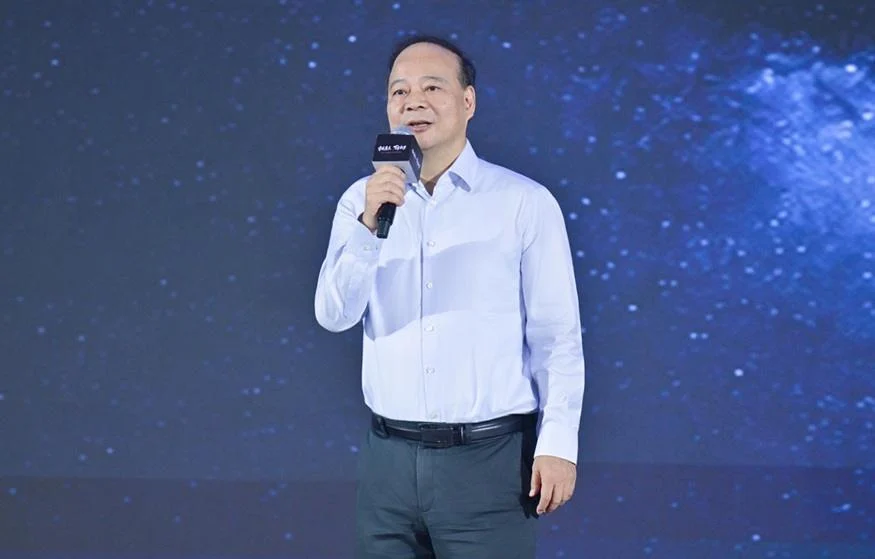
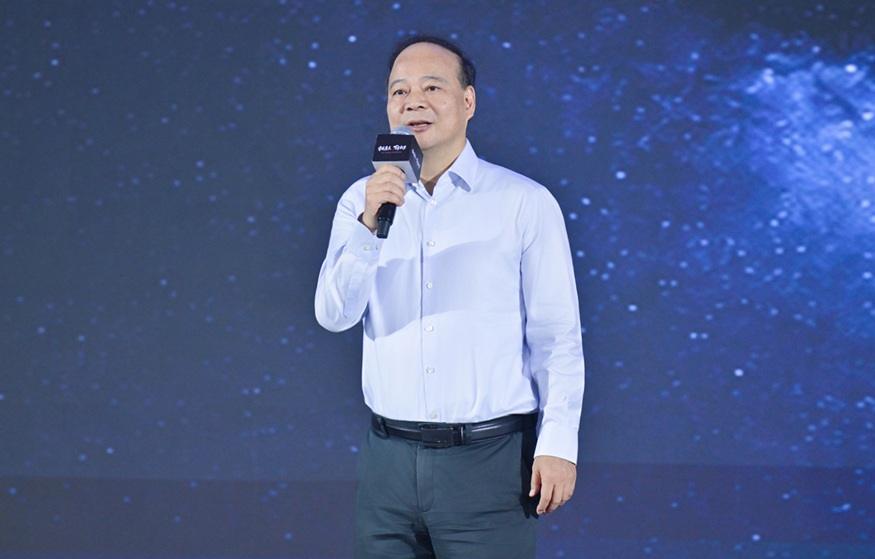
Robin Zeng, Chairman and CEO of CATL, emphasized the company’s role as a standard-setter in a rapidly changing global market. “Before contributing to global carbon rules and standards, CATL must first prove what is possible through our own industrial practice,” Zeng stated. “As the world ramps up efforts toward net-zero, zero-carbon batteries will not be a choice but a necessity in the near future. We are ready to share our technologies and experience with partners across the industry, helping to shape global carbon standards and advance industry-wide decarbonization.”
Zeng’s comments reflect the growing pressure on battery manufacturers to comply with new international regulations. The European Union’s Battery Regulation, for instance, requires mandatory carbon footprint declarations and will eventually set maximum carbon thresholds for batteries sold in the EU market. By achieving carbon neutrality in its plants and setting a 2035 target for its supply chain, CATL is positioning itself to maintain its dominant market share (which stood at approximately 36.8% globally in 2023) while mitigating the risks associated with carbon tariffs and trade barriers.
Industry Implications and Analysis
Industry analysts suggest that CATL’s aggressive timeline could spark a "green arms race" among battery manufacturers. Major competitors such as LG Energy Solution, BYD, and Panasonic are also pursuing sustainability goals, but CATL’s scale and its successful 2025 certification of 20 plants set a high bar for the rest of the industry.
The economic implications of this transition are twofold. In the short term, the investment in zero-carbon electricity and carbon management systems represents a significant capital expenditure. However, in the long term, CATL’s focus on energy efficiency and material recycling is likely to lower operational costs and protect the company from fluctuating fossil fuel prices and carbon taxes. Moreover, as automotive OEMs (Original Equipment Manufacturers) like Tesla, BMW, and Volkswagen strive to reach their own net-zero targets, they will increasingly favor suppliers who can provide certified zero-carbon components.
The achievement of carbon neutrality across 20 plants is not merely a symbolic victory; it is a technical validation of the "Zero-Carbon Factory" concept. By proving that high-volume manufacturing can be decoupled from carbon emissions, CATL provides a blueprint for other heavy industries to follow.
Looking Ahead: The Challenges of Scope 3
Despite the optimism, the path to 2035 remains fraught with challenges. Achieving 100% green electricity usage across a global value chain involves navigating different national energy grids, some of which remain heavily reliant on coal. Furthermore, ensuring data accuracy from thousands of sub-tier suppliers in diverse jurisdictions will require unprecedented levels of transparency and international cooperation.
CATL’s commitment to providing "favorable terms" to low-carbon suppliers suggests a move toward a more collaborative, rather than purely transactional, supply chain model. This approach may be essential for overcoming the technical and financial hurdles of deep-tier decarbonization.
As the 2027 deadline for supplier carbon data approaches, the industry will be watching closely to see how CATL’s partners adapt. If successful, CATL’s roadmap will not only secure its place at the top of the battery market but also serve as a critical catalyst for the broader transition to a sustainable, low-carbon global economy. The transition from 2025’s operational success to 2035’s value-chain ambition represents one of the most significant industrial undertakings of the decade, signaling that the "green battery" is no longer a concept, but a commercial reality.
