

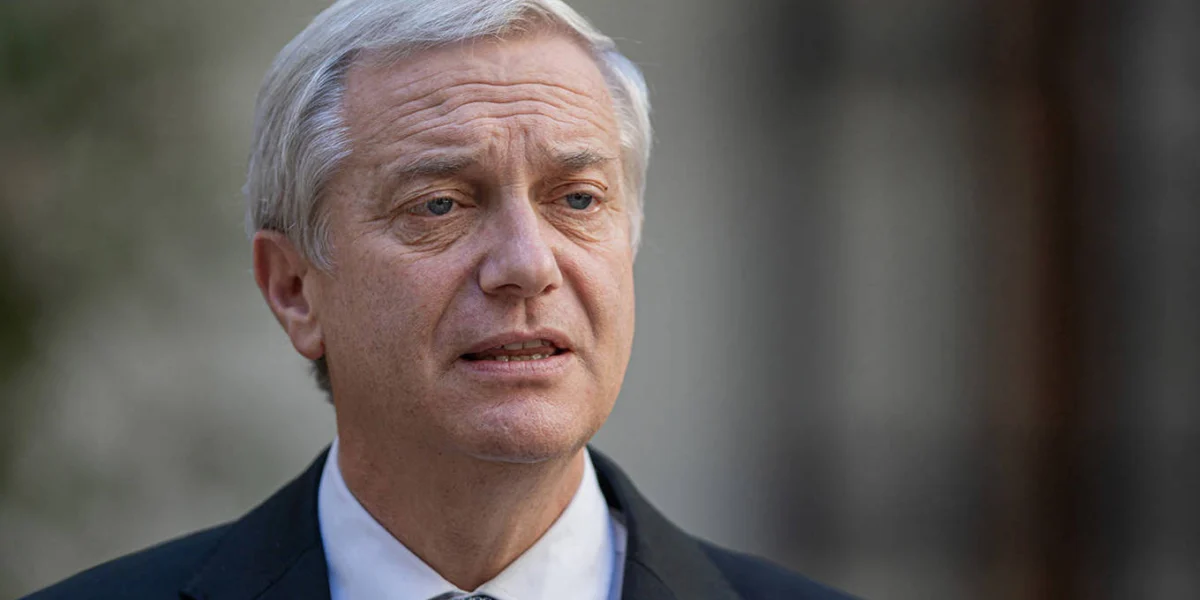
LONDON – Six months into his presidency, Chile’s conservative leader, José Antonio Kast, has defied expectations by eschewing the fiery populism predicted by many, opting instead for a more traditional, center-right governing style. This unexpected turn, reminiscent of political approaches from the 1980s, has introduced a degree of stability but also carries its own set of inherent risks and challenges for the South American nation. The initial question upon Kast’s inauguration was whether he would emulate the combative rhetoric of former US President Donald Trump or the seemingly more pragmatic, albeit still right-leaning, stance of Italian Prime Minister Giorgia Meloni. Instead, his tenure has been characterized by a deliberate, and some observers might say, understated, approach to governance, drawing comparisons to figures like former UK Prime Ministers Keir Starmer and Theresa May – leaders known for their less flamboyant, more policy-focused styles.
The Unfolding of Kast’s Presidency: A Shift from Provocation to Pragmatism
When José Antonio Kast secured victory in Chile’s presidential election, the nation and international observers alike were bracing for a significant ideological shift. His campaign rhetoric, which had often touched upon themes of law and order, economic liberalism, and a conservative social agenda, had painted a picture of a potentially disruptive leader. Many anticipated a presidency marked by sharp policy changes and a confrontational political style, mirroring the populist wave that had reshaped politics in other Western democracies.
However, the early months of Kast’s administration have revealed a different strategy. Rather than aggressively dismantling existing social programs or engaging in frequent public spats, Kast has focused on consolidating his political base through a more conventional center-right agenda. This involves a careful recalibration of economic policies, a measured approach to fiscal management, and a strong emphasis on restoring public order and security – issues that resonated deeply with his electorate.
Background: Chile’s Political Landscape and Kast’s Rise
Chile has a complex political history, marked by periods of both significant social progress and economic liberalization. The country experienced a period of intense social unrest in 2019, which highlighted deep-seated inequalities and led to widespread calls for constitutional reform. This unrest, followed by the COVID-19 pandemic, created a volatile environment that contributed to the political fragmentation seen in subsequent elections.
José Antonio Kast, a lawyer and former congressman, emerged as a prominent figure on the right by articulating a clear and often uncompromising vision. He positioned himself as an alternative to the left-leaning coalition that had governed for much of the previous decade, promising to restore stability and economic growth. His electoral success was a significant moment, signaling a conservative resurgence in a country that had, in recent years, leaned towards more progressive policies. The initial narrative surrounding his victory was one of potential radical change, driven by his strong stance on immigration, crime, and the economy.
A Return to Traditional Center-Right Principles
Kast’s current governing approach can be characterized as a return to what might be termed "old-school" center-right politics. This involves a focus on fiscal discipline, fostering private investment, and implementing reforms aimed at boosting productivity. While he has not shied away from addressing contentious issues, his method of engagement has been less about ideological confrontation and more about building consensus and demonstrating a commitment to practical governance.
For instance, instead of immediately initiating sweeping privatization reforms or drastic cuts to social spending, his administration has prioritized a more incremental approach. This involves reviewing existing policies, identifying areas for efficiency improvements, and proposing reforms that are framed within a broader context of sustainable economic development. This strategy aims to avoid alienating moderate voters and to build broader support for his agenda.
Data and Economic Indicators: Assessing the Impact
To understand the impact of Kast’s approach, it is crucial to examine relevant economic and social data. Chile’s economy, while robust compared to some of its neighbors, has faced headwinds from global inflation and fluctuating commodity prices. The government’s fiscal policy under Kast has been observed to be cautiously managed.
- Inflation: Like many countries globally, Chile has grappled with rising inflation. The Central Bank of Chile has implemented monetary policy adjustments to curb price increases. Kast’s administration has signaled its support for these measures, emphasizing fiscal responsibility as a key component in combating inflation. Recent data from the National Institute of Statistics (INE) indicates a gradual moderation in the year-on-year inflation rate, though it remains a significant concern for households.
- Economic Growth: Projections for Chile’s GDP growth have been subject to revision by international financial institutions such as the International Monetary Fund (IMF) and the World Bank. While initial forecasts might have been tempered by global economic uncertainties, the government’s focus on attracting investment and promoting stability is intended to foster a more predictable environment for businesses. Reports suggest that foreign direct investment has shown resilience, a positive sign for long-term economic prospects.
- Fiscal Deficit: Managing the national budget is a central tenet of center-right governance. Kast’s administration has been observed to be working towards fiscal consolidation, aiming to reduce the budget deficit. This involves careful expenditure control and efforts to enhance revenue collection through efficient tax administration, rather than broad tax increases that could stifle economic activity.
Security and Social Order: A Core Priority
A cornerstone of Kast’s appeal and a significant focus of his presidency has been the restoration of security and social order. The widespread social unrest of 2019 left a lasting impression, and concerns about rising crime rates have been a persistent issue. Kast’s administration has taken a firm stance on these matters.
- Law Enforcement and Justice Reform: The government has increased resources for police forces and has advocated for stricter penalties for certain crimes. This includes legislative proposals aimed at enhancing the capacity of law enforcement agencies and streamlining the judicial process.
- Immigration Policy: Kast’s administration has also introduced more stringent immigration policies, aiming to gain greater control over border security and to manage irregular migration flows. This policy shift is a direct response to public concerns about the social and economic impacts of uncontrolled immigration, a sentiment that resonated strongly during the election campaign.
Reactions and Analysis: A Mixed Bag of Responses
The shift in Kast’s governing style has elicited varied reactions from different political factions and commentators.
- Supporters: Those who voted for Kast often express satisfaction with his measured approach, seeing it as a sign of responsible leadership. They appreciate that he is not engaging in disruptive policies that could destabilize the economy or society. For them, the focus on law and order and economic prudence is exactly what Chile needs.
- Opposition: Left-leaning political parties and social movements have expressed concerns that Kast’s focus on traditional center-right policies might neglect pressing social inequalities. While acknowledging the absence of overtly populist pronouncements, they argue that the underlying economic framework may not adequately address the needs of marginalized communities. Some critics suggest that this "boring" approach is a deliberate tactic to consolidate power and gradually implement a more conservative agenda without triggering immediate widespread opposition.
- International Observers: International financial institutions and diplomatic circles have generally welcomed the perceived stability and predictability of Kast’s administration. This is often seen as conducive to foreign investment and economic partnerships. However, there remains an undercurrent of observation, with many keen to see how long this pragmatic approach can be sustained in the face of potential internal pressures and the evolving global economic landscape.
The Risks and Costs of a "Safer" Approach
While Kast’s current strategy may appear more stable, it is not without its own set of risks and costs.
- Complacency and Unmet Expectations: By adopting a more moderate stance, Kast risks alienating the more radical elements of his own base who expected a more transformative presidency. This could lead to internal political friction and a potential weakening of his mandate over time. Furthermore, if the underlying social and economic challenges that fueled the 2019 unrest are not adequately addressed, discontent could resurface, potentially leading to renewed instability.
- Slow Pace of Reform: A deliberate, consensus-building approach, while commendable, can also lead to a slower pace of reform. In a country eager for change, the perception of stagnation could foster frustration. The challenge for Kast will be to balance the need for careful deliberation with the urgency of addressing critical national issues.
- Global Economic Volatility: Chile’s economy is intrinsically linked to global markets. Any significant downturn or unexpected event on the international stage could place considerable strain on Kast’s carefully managed economic policies, forcing difficult choices that could test his pragmatic approach.
The Road Ahead: Navigating a Complex Political Terrain
As José Antonio Kast continues his presidency, the nation watches to see if his chosen path of old-school center-right governance will prove to be a sustainable model for Chile. His success will likely hinge on his ability to balance fiscal prudence with social progress, to maintain public order without sacrificing civil liberties, and to navigate the complexities of both domestic politics and the volatile global economic environment. The initial "boring" phase may be a strategic maneuver, but the true test will lie in the tangible outcomes and the long-term impact on the lives of ordinary Chileans. The narrative of his presidency is still being written, and whether it will be remembered as a period of quiet consolidation or a missed opportunity for more substantive change remains to be seen.
