

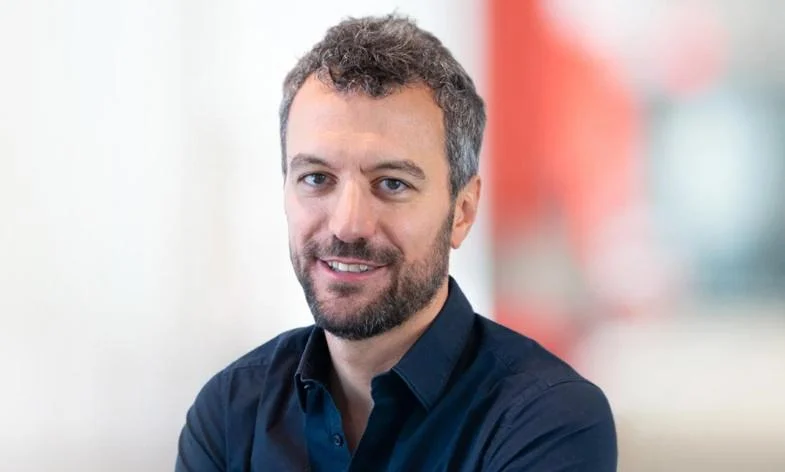
Bain & Company, the global management consulting firm, has officially announced the appointment of Matteo Capellini as the Global Head of its Sustainability Value Creation Solution. This strategic move signals a significant evolution in the firm’s approach to environmental, social, and governance (ESG) consulting, moving beyond the traditional frameworks of compliance and risk management toward a more integrated model of financial and operational value creation. Capellini, a seasoned consultant with extensive experience across the retail and luxury sectors, will lead a practice designed to help global corporations transform their sustainability commitments into tangible, measurable assets that drive long-term profitability.
The appointment comes at a critical juncture for the global business community. As corporations face mounting pressure from regulators, investors, and consumers, the focus of ESG initiatives is shifting from "doing less harm" to "creating more value." Bain’s Sustainability Value Creation Solution is positioned at the heart of this transition, aiming to weave sustainability into the fabric of core business strategies rather than treating it as a peripheral or philanthropic endeavor.
A Strategic Mandate for Value-Driven Sustainability
The primary objective of Capellini’s new role is to oversee the integration of sustainability strategies into the overarching business models of Bain’s global clientele. In recent years, many organizations have struggled to bridge the gap between high-level ESG pledges and the day-to-day execution of business operations. Capellini’s mandate is to eliminate this friction, ensuring that sustainability becomes a driver of competitive advantage.
According to internal communications from Bain, the firm recognizes that sustainability expectations are evolving at an unprecedented speed. In this environment, the ability to translate a green strategy into operational execution is no longer just a "nice-to-have" but a fundamental requirement for market leadership. The Sustainability Value Creation Solution focuses on identifying specific levers—such as supply chain optimization, circular product design, and energy efficiency—that simultaneously lower a company’s carbon footprint and improve its bottom line.
The Professional Trajectory of Matteo Capellini
Matteo Capellini brings a unique blend of consulting expertise and real-world executive experience to his new role. His career at Bain & Company has been characterized by a deep focus on industries where consumer sentiment and supply chain complexity intersect, namely retail, fashion, and luxury goods.
Capellini’s history with the firm dates back to 2008. After an initial five-year tenure, he departed in 2013 to take on a significant leadership role in the corporate sector, serving as the Global Product Marketing Director at Moleskine. This period provided him with invaluable "client-side" experience, allowing him to understand the internal pressures of brand management, product development, and global marketing within a major consumer-facing enterprise.
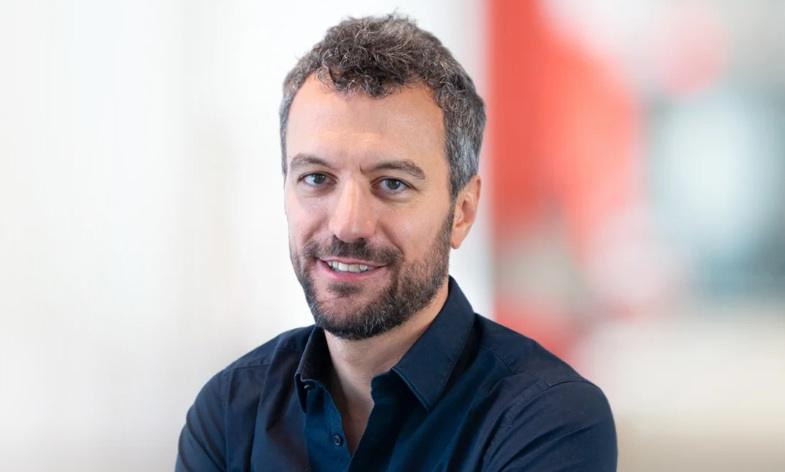
Returning to Bain in 2018, Capellini quickly ascended through the leadership ranks. Most recently, he led the firm’s sustainability practice in Italy, a region that has been at the forefront of European ESG regulation and luxury sector innovation. Furthermore, he served as the global connector between Bain’s sustainability and retail teams, acting as the firm’s primary point of reference for sustainability initiatives within the retail industry. His ability to navigate the complexities of global supply chains and consumer behavior made him the natural choice for a global leadership role.
Leadership Perspectives on the Appointment
The leadership at Bain & Company has expressed strong confidence in Capellini’s ability to guide clients through the current period of economic and regulatory uncertainty. Federica Levato, Senior Partner and Head of Talent for Italy at Bain & Company, emphasized the practical necessity of Capellini’s background in the current market.
"At a time when sustainability priorities are being challenged by markets, uncertainty, and regulation, Matteo’s experience—gained in fashion and luxury, food, and retail, and now extending across multiple industries—is exactly what our clients need to transform sustainability commitments into measurable results," Levato stated. Her comments reflect a broader industry trend where stakeholders are demanding more than just "green" rhetoric; they are looking for data-driven evidence of impact and ROI.
Capellini himself has been vocal about the need for a fundamental shift in how sustainability is perceived within the C-suite. In a statement following his appointment, he critiqued the historical tendency to treat ESG as an isolated department.
"I’ve watched plenty of sustainability programs get built as side projects, sitting next to the business rather than inside it, and then disappear the moment budgets tighten or the geopolitical picture shifts," Capellini remarked. "The ones that survive, that actually scale, were never side projects to begin with. They were part of the strategy from day one."
The Economic Context: From Compliance to Competitive Advantage
The expansion of Bain’s sustainability leadership occurs against a backdrop of tightening global regulations and shifting capital flows. The European Union’s Corporate Sustainability Reporting Directive (CSRD) and the evolving SEC climate disclosure rules in the United States are forcing companies to treat ESG data with the same rigor as financial data.
However, the "value creation" aspect of Capellini’s role addresses a more proactive economic reality. Recent data suggests that companies with high ESG ratings often enjoy lower costs of capital and higher valuations. According to research conducted by Bain in collaboration with EcoVadis, companies that successfully integrate ESG into their operations see a direct correlation with improved financial performance, particularly through increased employee retention and supply chain resilience.

The consulting industry as a whole is responding to this shift. The global ESG consulting market is projected to grow at a compound annual growth rate (CAGR) of over 10% through the end of the decade, reaching several billion dollars in value. Bain’s decision to appoint a global head specifically for "Value Creation" is a strategic move to capture this demand by offering a service that aligns with the CFO’s priorities as much as the Chief Sustainability Officer’s.
Timeline of Bain’s Sustainability Evolution
Bain & Company has been steadily building its sustainability credentials over the last decade. A brief timeline of the firm’s recent milestones includes:
- 2012: Bain achieves carbon-neutral status for its own global operations, a commitment it has maintained annually.
- 2020: The firm launches a formal Global Sustainability & Responsibility practice, centralizing its various environmental and social consulting efforts.
- 2021: Bain enters into a strategic partnership with EcoVadis to integrate ESG ratings into its due diligence processes for private equity and corporate M&A.
- 2022: The firm commits to investing $1.1 billion in pro bono consulting work over ten years to help non-profits and social enterprises tackle climate and equity issues.
- 2026 (Current): The appointment of Matteo Capellini signifies the transition into a "Value Creation" era, focusing on the financial viability of green transformations.
Implications for the Consulting Industry and Global Clients
Capellini’s appointment is likely to influence how other "Big Three" firms (McKinsey and BCG) structure their sustainability offerings. By focusing on "Value Creation," Bain is positioning itself as a partner for business transformation rather than just a reporting or auditing assistant.
For global clients, particularly those in carbon-intensive or consumer-facing industries, this move suggests that the era of "greenwashing" or superficial ESG reporting is effectively over. Companies are now being asked to demonstrate how their sustainability goals will survive economic downturns or geopolitical shifts. Under Capellini’s leadership, Bain is expected to push for more radical "circular" business models—where products are designed for reuse and recycling—and more aggressive decarbonization of the supply chain that doesn’t sacrifice margin.
Furthermore, the appointment highlights the growing importance of the "S" (Social) and "G" (Governance) in ESG. While climate change remains a dominant topic, Capellini’s background in retail and luxury suggests a continued focus on ethical labor practices, fair wages, and transparent governance, all of which are increasingly tied to brand equity and consumer trust.
Future Outlook: Sustainability as the New Digital
In the early 2010s, "digital transformation" was the buzzword that reshaped the consulting world. Today, many industry analysts believe sustainability is undergoing a similar trajectory. Just as digital technology moved from a specialized IT function to the core of every business unit, sustainability is now moving from the compliance office to the boardroom.
Matteo Capellini’s role will be to guide this integration. Success will be measured not just by the reduction of metric tons of CO2, but by the growth of EBITDA, the resilience of supply chains, and the long-term viability of business models in a resource-constrained world. As Bain & Company doubles down on this "Value Creation" approach, the corporate world will be watching closely to see if the firm can truly turn sustainability into a profit engine for the 21st century.
