

The landscape of athletic recovery has undergone a seismic shift over the last decade, transitioning from the exclusive domain of professional sports training rooms into the living rooms of everyday fitness enthusiasts. At the forefront of this revolution is the rise of intermittent pneumatic compression (IPC) technology, commonly known as compression boots. These devices, which utilize sequential air pressure to mimic the physiological benefits of a manual massage, have become a staple for marathon runners, cross-fitters, and even professionals who spend long hours on their feet. While the primary appeal lies in their ability to mitigate delayed onset muscle soreness (DOMS), the science behind these devices suggests a more profound impact on the circulatory system, facilitating the movement of blood, oxygen, and nutrients through fatigued muscular tissue.
The Science and Evolution of Compression Technology
Intermittent pneumatic compression is not a new invention. Its roots are firmly planted in the medical and rehabilitation sectors, where it has been utilized for decades to treat conditions such as lymphedema, deep vein thrombosis (DVT), and chronic venous insufficiency. In a clinical setting, IPC devices are designed to prevent blood clots by improving venous return in patients with limited mobility. The transition to the consumer market was catalyzed by the realization that the same mechanisms used to prevent stasis in medical patients could accelerate the clearance of metabolic waste in athletes.
The chronology of this technology’s mainstream adoption began in the early 2000s when professional athletes started appearing in social media posts wearing bulky, tethered sleeves. These early units were often loud, required a constant connection to a wall outlet, and cost several thousand dollars. However, the acquisition of Normatec by Hyperice in 2020 and the rapid expansion of Therabody (formerly Theragun) signaled a new era of "prosumer" recovery tech. Today, the market is defined by wireless portability, integrated smart features, and a price range that, while still premium, has become accessible to a broader demographic.
Market Analysis: The Premium Tier and the Therabody Dominance
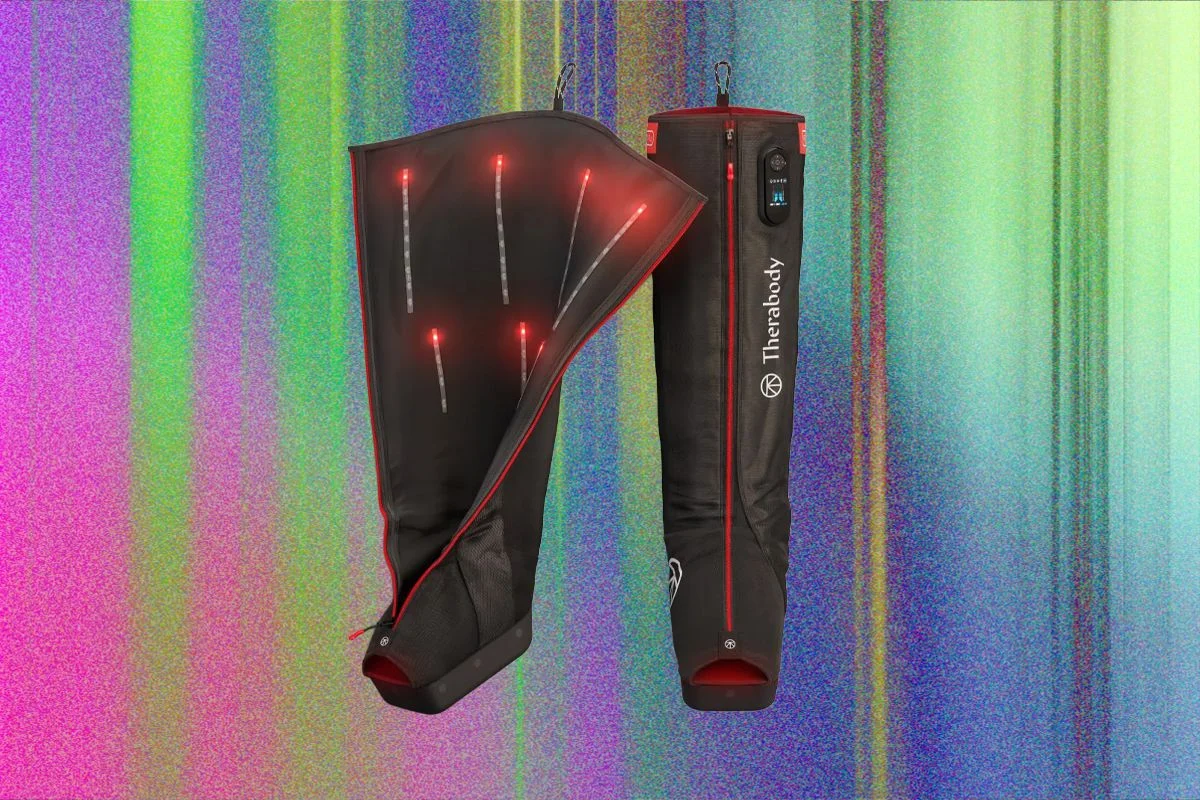
In the current market, the Therabody JetBoots Pro Plus represents the pinnacle of integrated recovery technology. Priced at approximately $1,150, these boots are an investment in a multi-modal recovery experience. Unlike traditional systems that focus solely on air pressure, the Pro Plus model incorporates three distinct therapies: pneumatic compression, vibration, and infrared LED light therapy.
The integration of these features is designed to address recovery from multiple physiological angles. While the compression handles lymphatic drainage and circulation, the vibration therapy targets sensory receptors to reduce the perception of pain, and the infrared light is intended to support cellular repair. However, industry analysts and testers note a lack of transparency regarding the specific technical specifications of the LEDs used in consumer recovery boots. While infrared therapy is a well-documented clinical tool, its efficacy in a combined-modality boot remains a point of ongoing study.
The JetBoots Pro Plus also addresses a significant pain point in the industry: the "cable mess." By integrating the control unit and the battery directly into the boots themselves, Therabody has eliminated the need for external hoses and separate control boxes. This design shift reflects a broader trend in the electronics industry toward "all-in-one" wireless solutions, prioritizing user convenience and portability.
The Entry-Level Shift: Balancing Cost and Functionality
For many consumers, the four-figure price tag of flagship models is a barrier to entry. This has led to a surge in "essential" models, such as the Therabody JetBoots Prime. At roughly $550, the Prime model strips away the "extras" like vibration and light therapy while maintaining the core IPC functionality.
Data from consumer testing suggests that the core benefits of compression—measured in millimeters of mercury (mmHg)—are largely consistent across a brand’s lineup. The Prime model offers pressure levels up to 100 mmHg, which is the industry standard for effective recovery. The shift toward these mid-tier products indicates a maturing market where consumers are becoming more discerning, opting for proven mechanical benefits over high-tech add-ons that may have less clinical backing.
Portability and Targeted Recovery: The Hyperice Normatec Strategy
While Therabody has focused on integrating multiple therapies into a single boot, Hyperice has leaned into portability and targeted recovery with products like the Normatec Go. These calf-only sleeves represent a significant departure from the full-leg boot design. By focusing on the "second heart"—the calf muscles, which play a crucial role in venous return—Hyperice has created a product that can be used during travel or while working at a desk.

The Normatec Go utilizes the same patented pulse technology as its larger counterparts but in a TSA-approved, hose-free format. This strategy targets a different segment of the population: the "active traveler" and the "corporate athlete." According to market data, the portable recovery segment is one of the fastest-growing sub-sectors in fitness tech, as users look for ways to integrate recovery into their existing daily routines rather than setting aside a dedicated hour for a stationary session.
Supporting Data and Technical Benchmarks
To understand the value proposition of these devices, one must look at the technical benchmarks that define performance:
- Pressure Range (mmHg): Most high-quality boots operate between 20 and 100 mmHg. Some brands, like Urevo, offer up to 180 mmHg, though medical professionals often warn that excessively high pressure can be counterproductive or even painful, potentially causing bruising or nerve irritation.
- Battery Life: Modern wireless systems typically offer between 180 and 240 minutes of use per charge. This allows for multiple sessions—which usually last 20 to 60 minutes—before needing a power outlet.
- Zone Customization: The number of air chambers (usually 3 to 5) determines how "fluid" the compression feels. More chambers allow for a more precise "peristaltic" wave of pressure, which is more effective at moving fluid toward the core.
Official Responses and Expert Perspectives
While manufacturers tout the benefits of these devices, the medical community maintains a stance of "cautious endorsement." Physical therapists often point out that while compression boots are excellent for recovery, they should not replace active recovery methods like light movement, proper hydration, and sleep.
"Compression boots are a fantastic tool for managing the symptoms of a heavy training load," says Dr. Elena Rossi, a sports physiotherapist. "They essentially automate the process of flushing out metabolic byproducts. However, users must be aware that they are a supplement to, not a replacement for, foundational recovery. For patients with underlying vascular issues, these devices should only be used under medical supervision."
This sentiment is echoed in the "Buy if" sections of product reviews, which increasingly include warnings for individuals with conditions like lymphedema or DVT to consult healthcare providers. The industry is moving toward a more responsible marketing tone, acknowledging that while these are "wellness gadgets," they exert significant physiological force.
Broader Impact and Future Implications
The proliferation of at-home compression therapy has broader implications for the fitness and healthcare industries. We are seeing a "democratization of the training room," where the tools once reserved for Olympic athletes are now available to the general public. This shift is driving down the cost of older technology while pushing the boundaries of what integrated systems can do.
Looking ahead, the integration of Artificial Intelligence (AI) appears to be the next frontier. Brands like Urevo are already experimenting with AI-powered recovery summaries and "smart" pressure adjustments based on user feedback. As wearable technology (like smartwatches) continues to improve in its ability to track strain and fatigue, it is likely that future compression systems will automatically adjust their intensity and duration based on the data synced from a user’s workout.
Furthermore, the rise of "recovery studios"—dedicated spaces where users can pay for sessions on high-end equipment—suggests that even as at-home devices become more common, there is still a significant market for the communal and high-end experience. This hybrid model of at-home and professional recovery is likely to define the fitness landscape for the remainder of the decade.
In conclusion, the best compression boots of 2024 are more than just expensive leg sleeves; they are sophisticated medical-adjacent devices that have been refined for the modern lifestyle. Whether it is the feature-heavy Therabody JetBoots Pro Plus or the ultra-portable Hyperice Normatec Go, these tools offer a tangible, data-backed method for managing the physical tolls of an active life. As the technology continues to evolve, the gap between professional-grade recovery and at-home wellness will only continue to shrink, making elite-level performance maintenance a reality for everyone.
