

The digital landscape, currently dominated by the high-speed algorithmic feeds of TikTok and the integrated ecosystems of Meta, may soon see the return of a familiar name from the early 2000s. Tim and Chris Vanderhook, the co-founders of Viant Technology and current owners of the Myspace brand, have signaled their intention to relaunch the platform that once defined the first era of social networking. This announcement, made during the documentary "Myspace" directed by Tommy Avalone, has sparked a wave of nostalgia among millennials while simultaneously drawing skeptical scrutiny from industry analysts who question whether a relic of the Y2K era can survive in a market characterized by short attention spans and complex regulatory hurdles.
The Vanderhook brothers acquired Myspace in 2011, long after its peak popularity had waned, and have since positioned themselves as "stewards" of the brand. Despite a previous attempt to modernize the site in 2013—an effort that resulted in a reported financial loss of over $150 million—the owners remain committed to finding the "right time" for a resurgence. Their strategy appears to lean into the growing cultural fatigue associated with modern social media, positioning a potential new Myspace as an alternative to the hyper-optimized, often overwhelming experience of current industry leaders.
The Historical Context: From Dominance to Nostalgic Relic
To understand the weight of a Myspace relaunch, one must look at its meteoric rise and subsequent fall. Founded in 2003 by Tom Anderson and Chris DeWolfe, Myspace was the undisputed king of social media in the mid-2000s. By 2006, it surpassed Google as the most visited website in the United States. At its zenith in 2008, the platform boasted approximately 115 million monthly active users, a staggering figure for the time. It was a cultural touchstone that introduced the world to the concept of a "Top 8" friend list, customizable HTML profiles, and a music discovery engine that launched the careers of numerous artists.
However, the acquisition of Myspace by News Corp for $580 million in 2005 marked the beginning of a strategic misalignment. As Facebook emerged with a cleaner interface and a more exclusive, real-identity-based approach, Myspace struggled with a cluttered user experience and an influx of spam. By the time the Vanderhook brothers took the reins in 2011, the platform had been overtaken by the rapid innovation of Silicon Valley rivals. The subsequent 2013 relaunch attempted to pivot the site toward a music-centric creative hub, but it failed to regain traction, leading to the "onslaught of losses" described by Tim Vanderhook in the recent documentary.

The Modern Competitive Landscape
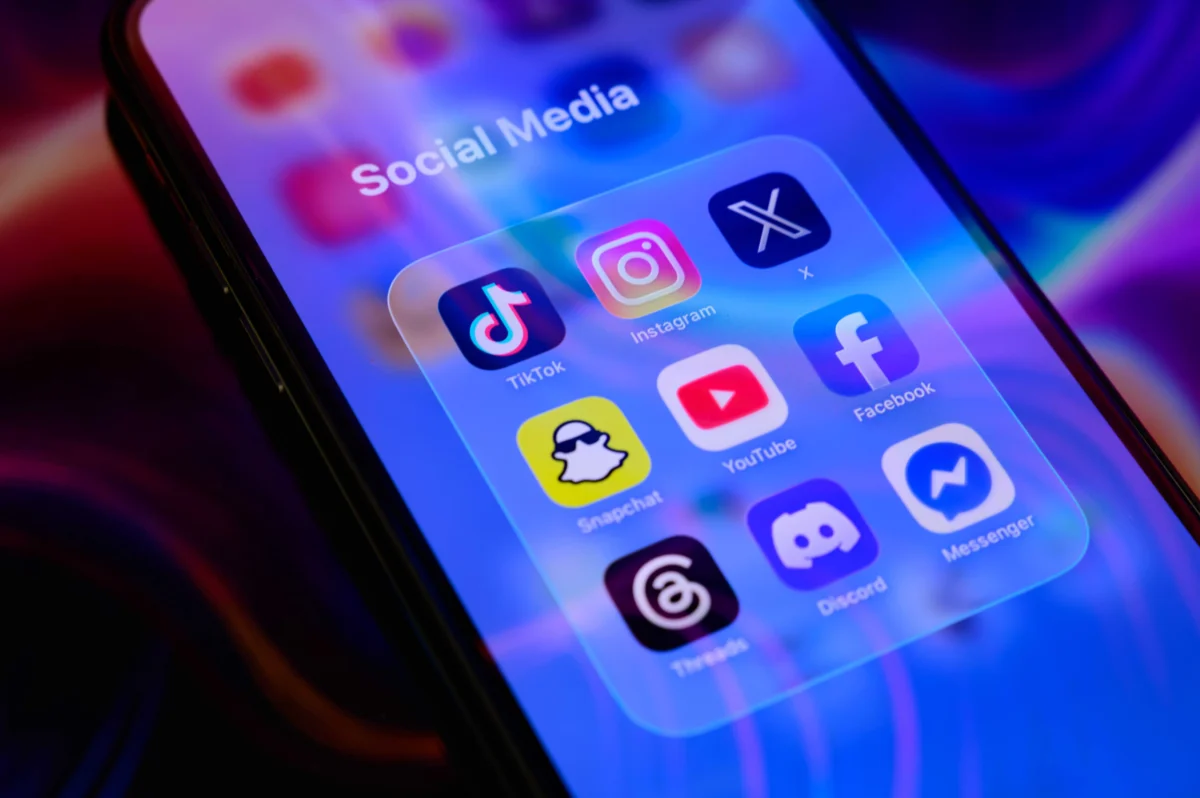
A relaunched Myspace would enter a social media environment that is fundamentally different from the one it left. Today’s market is defined by "The Big Five": Meta (Facebook and Instagram), TikTok, YouTube, Snapchat, and X (formerly Twitter). These platforms utilize sophisticated artificial intelligence to curate content, ensuring that users are constantly engaged by a stream of videos and posts tailored to their specific psychological profiles.
Furthermore, the industry is currently grappling with significant legal and social challenges. Meta, for instance, has faced numerous lawsuits regarding the impact of its platforms on the mental health of minors. In 2024 and 2025, legislative efforts to ban or strictly regulate social media use for teenagers have gained momentum globally. For Myspace to succeed, it must navigate these new regulatory waters while competing for the limited "screen time" of a global audience that is increasingly wary of digital addiction.
The Nostalgia Factor and the "Analog" Shift
Despite the competitive challenges, there is a clear appetite for a different kind of social experience. Kate Winick, a principal analyst at Forrester, notes that the excitement surrounding Myspace reflects a yearning for a "more analog time." In the early 2000s, social media felt more like a digital scrapbook and less like a commercial marketplace or a political battlefield.
We are seeing a "quiet revolution" among younger users, particularly Gen Z and Gen Alpha, who are beginning to opt out of traditional social media in favor of smaller, more private communities. Platforms like Discord and Substack have seen explosive growth by offering environments that feel less dictated by an invisible algorithm and more driven by genuine personal interests. If Myspace can successfully market itself as the "antidote" to the modern algorithm, it may find a niche among those looking to reclaim their digital autonomy.
Strategic Challenges: UI/UX and Demographic Appeal
One of the most significant hurdles for a Myspace revival is the user interface. The original Myspace was famous for its "labor-intensive" nature, where users would spend hours coding their profiles with custom backgrounds and auto-playing music. While this is a source of nostalgia for millennials, analysts argue it may not translate well to a generation raised on the seamless, swipe-based navigation of TikTok.

"If they lean too hard into old Myspace, they’ll struggle to meet the expectations of a generation who are used to a much cleaner and simpler user experience," Winick explained. The challenge lies in threading the needle between maintaining the "offline aesthetic" of the early internet and providing the modern functionality that users now take for granted.
Furthermore, Myspace must decide which demographic it is targeting. While millennials hold the brand recognition, they are now "busy midlife adults" with families and careers, making them a difficult demographic to engage consistently. To be a viable business, Myspace must attract Gen Z and Gen Alpha, many of whom have no personal memory of the original site. This requires building a "meaningfully different product" that appeals to the aesthetic sensibilities of younger users without alienating the nostalgic core.
The Business Case: Advertising and Monetization
From a commercial perspective, the path to profitability for a mid-sized social media platform is narrow. Advertisers typically flock to platforms with proven reach and granular data tracking. Jamie MacEwan, a Senior Research Analyst at Enders, points out that Myspace does not need to "eat Facebook’s lunch" to be successful, but it does need to prove it can be a profitable ads platform at a smaller scale.
The difficulty is that small and medium enterprises (SMEs) are more likely to spend their limited marketing budgets on established platforms where they already have a presence. New platforms often experience a "surge and purge" cycle. For example, the app Noplace, which featured a Myspace-style design for Gen Z, hit the top of the App Store upon launch only to see its download numbers plummet within 48 hours.
Similarly, other challengers have struggled to maintain momentum. Bluesky, which launched as a decentralized alternative to X, saw a 40% drop in daily active users within a year of its peak popularity. BeReal, the photo-sharing app that emphasized authenticity, also saw its monthly active users decline from 20 million in 2022 to approximately 16 million by late 2023. These examples serve as a cautionary tale for the Vanderhook brothers: initial curiosity does not equate to long-term sustainability.

Potential for "Counter-Programming"
Despite these risks, the Vanderhooks’ vision of "counter-programming" offers a unique value proposition. By identifying where the major platforms have "gone too far"—specifically in terms of intrusive advertising, addictive design features, and algorithmic manipulation—Myspace could position itself as a "cleaner" alternative.
This strategy would involve prioritizing user privacy and transparency over maximum engagement. While this approach might result in a smaller user base, it could create a highly loyal and engaged community. In the current economic climate, where "growth at all costs" is being replaced by a focus on sustainable revenue, a lean, well-managed Myspace could potentially carve out a profitable corner of the internet.
Implications and Future Outlook
The planned revival of Myspace is more than just a business venture; it is a test of whether the internet can return to a more decentralized, user-driven state. If the Vanderhook brothers can successfully launch a platform that balances nostalgia with modern utility, they may provide a blueprint for other legacy brands to find new life in the digital age.
However, the odds remain long. The success of the project will depend on three key factors:
- Technological Execution: Can they build a platform that feels "vintage" but operates with modern speed and security?
- Ad-Revenue Stability: Can they convince advertisers that a smaller, more focused audience is worth the investment?
- Cultural Relevance: Can they move beyond being a "Y2K relic" and become a functional tool for the next generation of internet users?
As the Vanderhooks wait for the "right time" to relaunch, the social media world continues to move at a breakneck pace. Whether Myspace can catch up—or if it is destined to remain a memory of a simpler digital time—remains one of the most intriguing questions in the tech industry. For now, the "stewards of the brand" are betting that the world is finally ready to become friends with "Tom" once again.
