

In the vast stretches of rural America, where the nearest grocery store or medical clinic can be dozens of miles away, the lack of traditional public transportation creates a significant barrier to economic stability and personal health. While urban centers benefit from dense networks of subways and frequent bus routes, rural residents have historically been left to rely almost exclusively on private vehicle ownership—a costly necessity that many cannot afford. To address this disparity, a growing number of municipalities and nonprofit organizations are turning to microtransit, a flexible, technology-driven transportation model designed to bridge the "first-mile, last-mile" gap. However, as these programs expand from Northern Vermont to the Pacific Northwest, they face a complex set of operational challenges and a high rate of fiscal attrition that necessitates a strategic reevaluation of how rural mobility is funded and managed.
The Rural Connectivity Crisis and the Rise of Microtransit
Public transportation in the United States has long been an urban-centric endeavor. According to a 2025 report by the American Public Transportation Association (APTA), less than 2 percent of all public transportation trips in the country occur in rural areas. Despite this low percentage, the impact of these rides is disproportionately high. The majority of rural transit trips are for essential services, including commuting to work, attending school, or reaching life-sustaining medical appointments.
The demographic makeup of rural America further underscores the need for specialized transit. Approximately 20 percent of the rural population is comprised of older adults, a demographic that is more likely to face mobility limitations. Furthermore, U.S. Census Bureau data indicates that disability rates are significantly higher in rural regions than in urban centers. For these populations, the absence of a car is not merely an inconvenience; it is a barrier to basic survival and social participation.
Microtransit has emerged as the primary solution to this geographical isolation. Often described as the "Uber-ization" of public transit, microtransit utilizes smaller vehicles—typically vans or shuttle buses—that operate on a demand-response basis. Unlike fixed-route buses that follow a set path and schedule regardless of ridership, microtransit allows users to book rides via a smartphone application or a traditional phone call. The service then picks up the passenger at or near their location and delivers them to a specific destination or a larger transit hub.
Regional Success Stories: Vermont, Washington, and Virginia
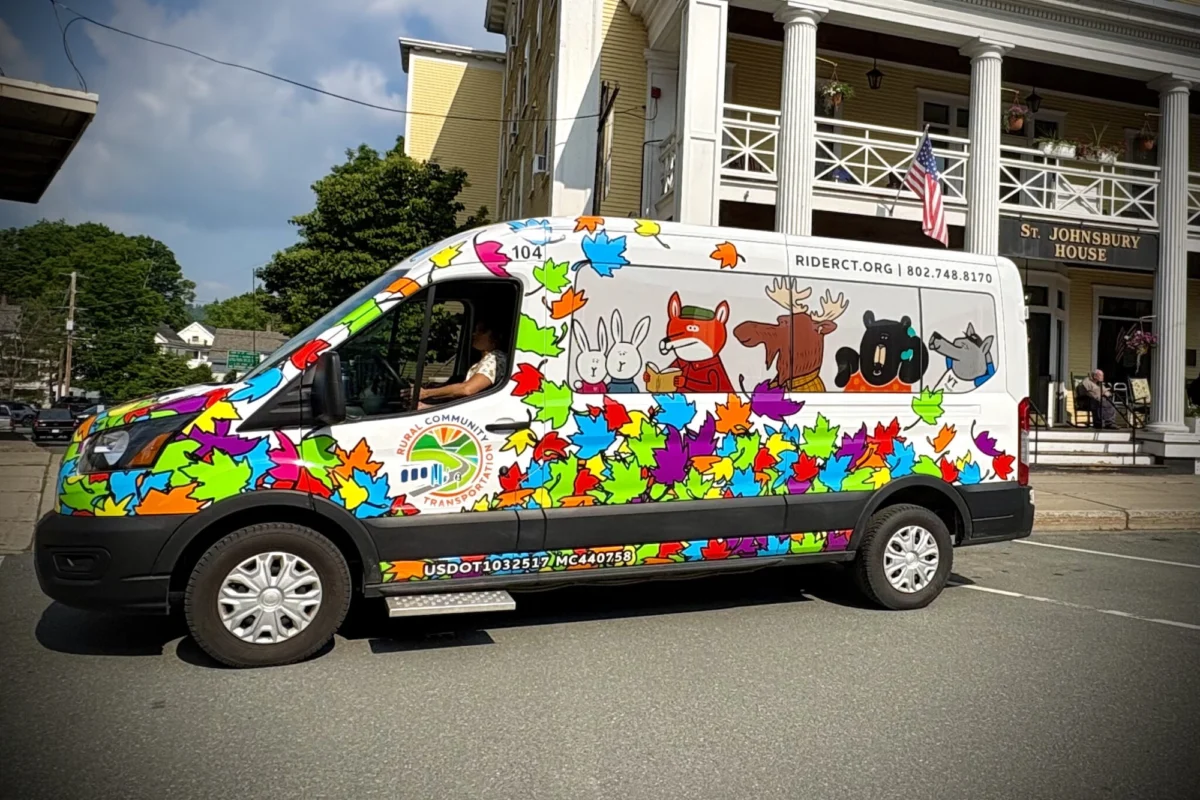
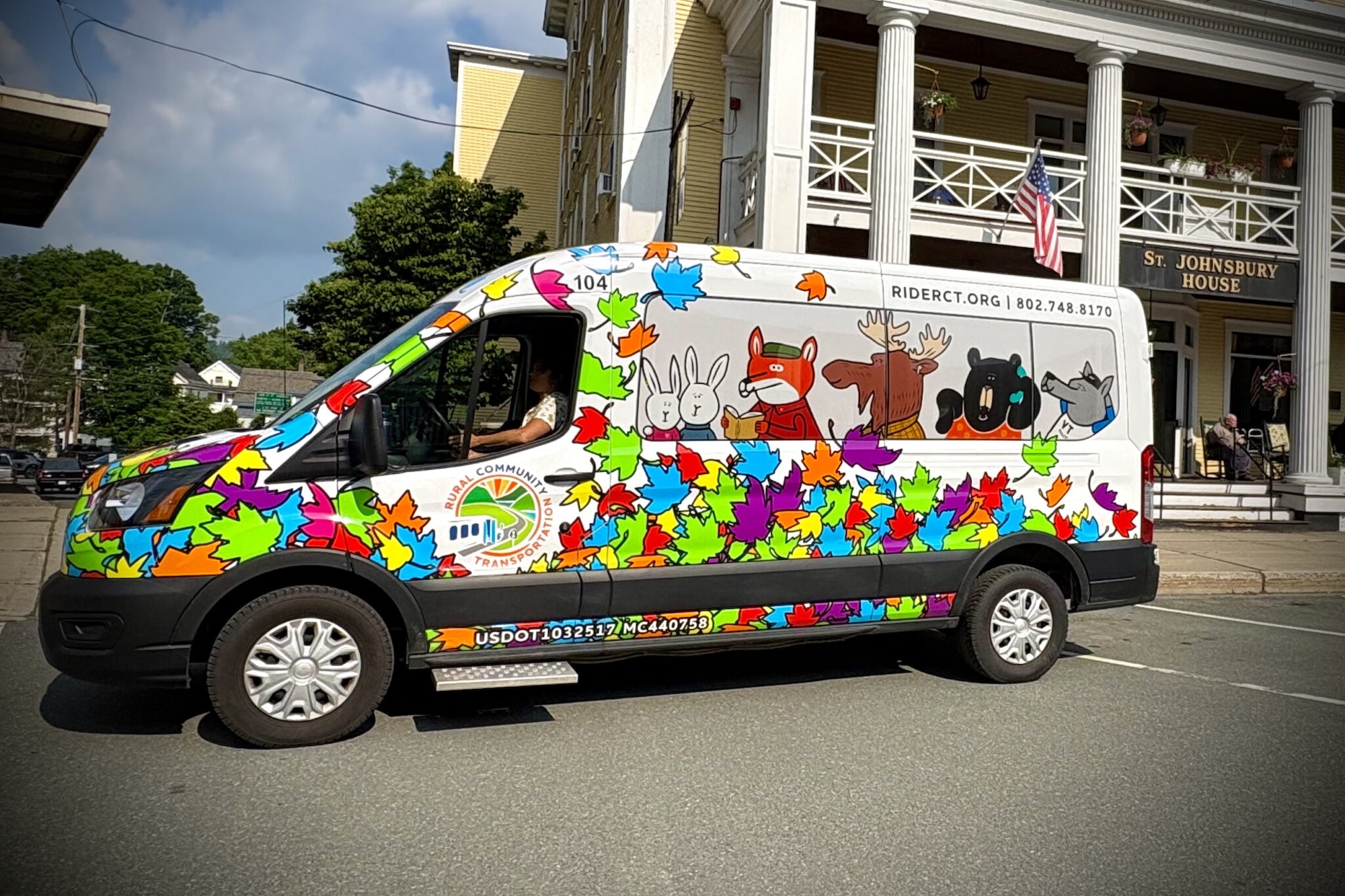
The implementation of microtransit varies significantly depending on local funding and community needs. In Northern Vermont, the private nonprofit Rural Community Transportation (RCT) has become a lifeline for residents in a region characterized by harsh winters and rugged terrain. RCT operates a fare-free microtransit service across two counties, relying on a unique blend of professional staff and volunteer drivers. By utilizing volunteers who use their own vehicles, the organization is able to keep overhead costs manageable while providing point-to-point transportation for Medicaid clients and the general public.
The expansion of RCT’s services to Newport, Vermont—a town of approximately 4,400 people—demonstrated the latent demand for such programs. Following a successful pilot phase, monthly ridership in the Newport area increased by 200 people, according to local development reports. The nonprofit’s 2025 annual report noted that microtransit and specialized medical transport now account for nearly 75 percent of the agency’s total rides, highlighting the shift away from traditional fixed-route models in sparsely populated areas.
On the West Coast, Grays Harbor County in Washington has found success with its HarborFlex program. This county-run initiative offers free on-demand rides in areas where the population density is too low to justify standard bus routes. Local officials report that the service is frequently utilized by seniors for social engagement and by residents requiring specialized medical treatments, such as dialysis or chemotherapy, which are often located in distant municipal centers.
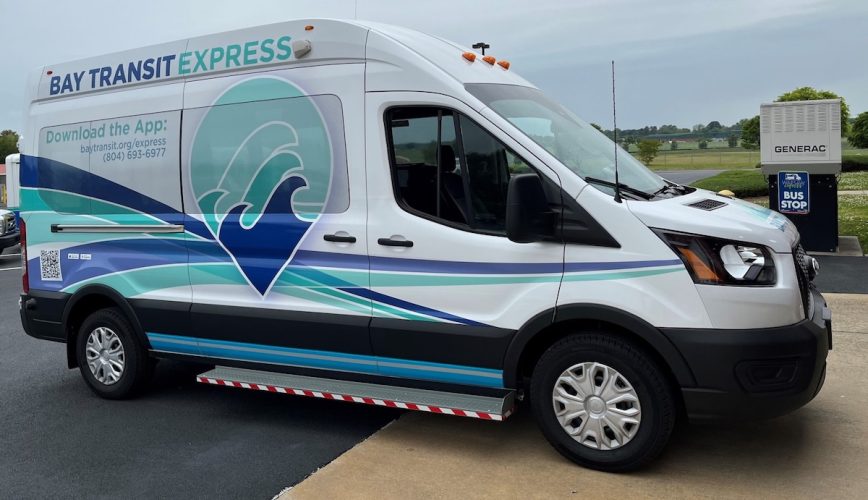
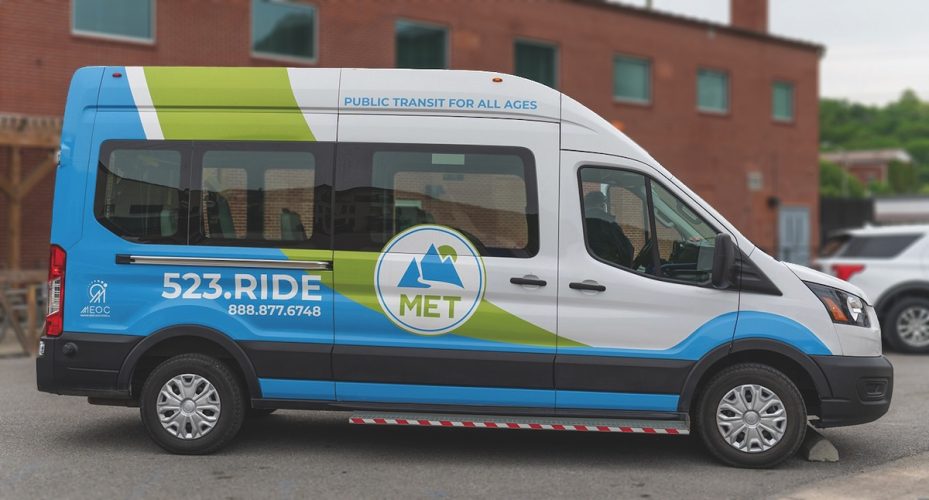
Similarly, the Virginia Department of Rail and Public Transportation (DRPT) recently transitioned a 2023 pilot program into a permanent fixture of the state’s transit landscape. The pilot provided over 48,000 trips over an 18-month period, with a high rate of passenger retention; most users hailed a van multiple times per week. Today, agencies like Bay Transit and Mountain Empire Transit provide microtransit across more than 10 rural counties in Virginia, covering an expansive service area of nearly 1,400 square miles.
The Economic Paradox: Why Microtransit Programs Fail
Despite the clear social benefits, the sustainability of microtransit is precarious. Research conducted in 2020 revealed a sobering statistic: 40 percent of microtransit programs fail within the first three years, and that number rises to 50 percent by the seven-year mark. Globally, the failure rate is even more accelerated, with half of all programs shuttering within just 24 months of launch.
The primary driver of these failures is the high cost per trip. In an urban environment, a bus can carry 40 passengers simultaneously, distributing the cost of the driver and fuel across a large group. In a rural microtransit scenario, a van may travel 15 miles to pick up a single passenger, only to return to the hub empty—a phenomenon known as "deadheading."
A 2026 study of rural microtransit in California highlighted that the flexibility of the service is often its greatest financial weakness. Programs that allow "anywhere-to-anywhere" travel within a large zone frequently result in long, inefficient trips with no secondary passengers to share the cost. When combined with the "fiscal cliff" many transit agencies are currently facing—as one-time federal pandemic relief funds dry up—the high operational costs of microtransit become difficult for local governments to justify.
Strategic Optimization: The Path to Sustainability
To combat these high failure rates, transportation experts and researchers are advocating for a more disciplined approach to microtransit design. A 2025 study from the University of California Berkeley’s Transportation Sustainability Research Center suggests that "hybrid" models may be more viable than purely on-demand services.
Instead of offering total flexibility, the study recommends that rural agencies implement services that stop at designated "virtual hubs" or follow semi-fixed schedules along high-traffic corridors. By funneling riders toward set locations at specific times, agencies can increase vehicle occupancy and reduce the number of miles driven without passengers. This shift from a "taxi-style" service to a "shuttle-style" service can significantly lower the cost per passenger mile while still providing much-needed coverage to remote areas.
Furthermore, the integration of modern routing software is becoming essential. New platforms allow dispatchers to group multiple passengers heading in the same general direction in real-time, optimizing the route to ensure that the vehicle remains as full as possible. This technological backbone is what separates modern microtransit from the dial-a-ride programs of the 1970s, allowing for a level of efficiency that was previously unattainable.
Broader Implications and the Future of Rural Mobility
The debate over the future of microtransit ultimately centers on how a society defines "success." If success is measured solely by profit or cost-recovery ratios, most rural microtransit programs would be deemed failures. However, proponents argue that these programs should be viewed through the lens of social equity and public health.
The environmental implications are also a factor. Many newer microtransit fleets, such as those used by Rural Community Transportation in Vermont, are beginning to incorporate electric vehicles (EVs). While the initial capital investment for EV vans is higher, the long-term reduction in fuel and maintenance costs—combined with the reduction in carbon emissions—aligns with broader state and federal climate goals.
The Infrastructure Investment and Jobs Act (IIJA) has provided some hope for the sector, earmarking billions of dollars for rural transit improvements. However, local agencies remain cautious. The challenge lies in securing long-term operational funding rather than one-time capital grants for new vehicles.
As rural communities continue to age and the cost of private vehicle ownership rises, the demand for flexible transit solutions will only grow. The success of microtransit will likely depend on the ability of local planners to balance the high expectations of on-demand convenience with the cold realities of municipal budgets. Whether through volunteer-led models, fare-free county programs, or optimized hub-and-spoke systems, the goal remains the same: ensuring that a person’s zip code does not determine their ability to access the essential services of modern life.
