

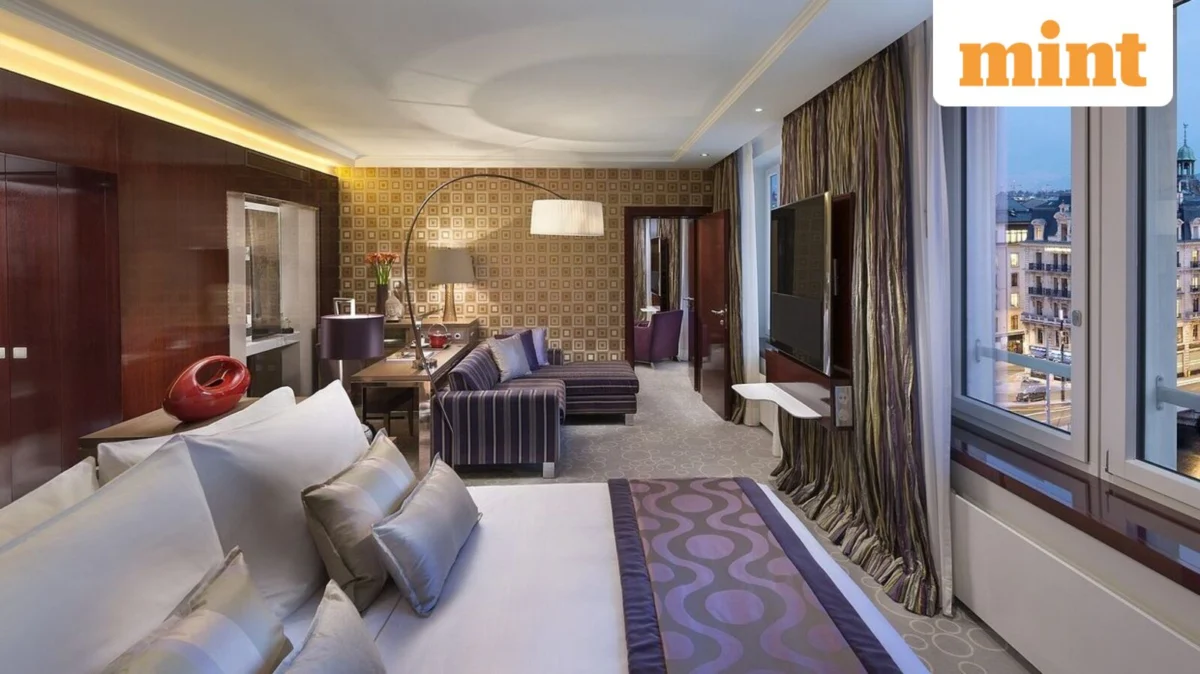
The shares of EIH Limited, the flagship company of the Oberoi Group and a premier player in the global luxury hospitality sector, faced significant selling pressure during Friday’s trading session. The stock tumbled by approximately 6%, reaching a low of ₹307 per share. This sharp decline followed the release of the company’s financial results for the first quarter of the fiscal year 2026-2027 (Q1FY27), which were presented to the exchanges after market hours on Thursday. While the headline figures showed a robust improvement on a year-over-year (YoY) basis, a closer inspection of the sequential performance revealed a notable slowdown, triggering a cautious reaction from the investor community.
A Comparative Analysis of Financial Performance
The Q1FY27 earnings report presented a dichotomy of growth and contraction. On a year-over-year basis, EIH Limited reported a consolidated net profit of ₹120.3 crore, representing a staggering threefold increase from the ₹36.9 crore reported in the same period of the previous fiscal year. This impressive YoY growth was largely attributed to a favorable base effect, as the hospitality sector continued its trajectory of recovery and premiumization compared to the early months of the prior year.
However, the sequential (quarter-on-quarter) data painted a different picture. The net profit of ₹120.3 crore marked a 52% decline from the ₹249.1 crore achieved in the preceding March-ending quarter (Q4FY26). This sharp drop-off highlights the inherent seasonality of the luxury hotel business, where the fourth quarter typically benefits from peak international tourist arrivals and the wedding season, while the first quarter (April to June) often experiences a lull due to the onset of the summer heat in the Indian subcontinent.
Revenue from operations followed a similar trend. The company clocked ₹657 crore in revenue for the June quarter, up 14.5% from ₹574 crore in the year-ago period. Yet, when compared to the March quarter’s revenue of ₹895 crore, the figure represents a 26.6% decline.
Operating Margins and EBITDA Trends
Profitability at the operating level also faced headwinds. The Earnings Before Interest, Taxes, Depreciation, and Amortization (EBITDA) stood at ₹167 crore, a modest 6% increase over the ₹160 crore recorded in Q1 of the previous year. Sequentially, however, EBITDA plunged by 24% from the ₹334 crore recorded in the March quarter.
The most concerning metric for market analysts was the contraction in EBITDA margins. The margin for the June quarter narrowed to 25.4%, down from 28.4% in the corresponding quarter of the previous year. More strikingly, the margin saw a massive compression of 1,200 basis points when compared to the 37.4% margin achieved in the final quarter of FY26. Margin pressure is often a result of fixed operating costs—such as staff salaries and property maintenance—remaining constant even as occupancy rates and Average Room Rates (ARRs) fluctuate during the off-season.
Strategic Expansion: Strengthening the Luxury Pipeline
Despite the short-term volatility in stock price and sequential earnings, EIH Limited remains aggressive in its long-term growth strategy. Alongside its financial results, the company announced the signing of management agreements for six new luxury properties, signaling a robust expansion phase aimed at capturing the growing demand for high-end travel experiences.
The new additions to the development pipeline include:
- The Oberoi, Kabini: A 60-key luxury wildlife resort situated adjacent to the Nagarhole National Park in Karnataka. This property aims to cater to the burgeoning "glamping" and eco-tourism market.
- The Oberoi, Hampi: A 60-key luxury resort located near the UNESCO World Heritage Site in Karnataka, targeting heritage travelers and international tourists interested in India’s architectural history.
- The Oberoi, Coorg: A 100-key resort in the "Scotland of India," focusing on the leisure and wellness segment in South India.
- The Oberoi, Cairo: A 147-key luxury hotel in Egypt, marking a significant step in the group’s international footprint and strengthening its presence in the Middle Eastern and North African markets.
- Trident, Amritsar: A 150-key hotel in Punjab’s spiritual capital. This property is strategically positioned to serve both pilgrims and business travelers visiting one of India’s most iconic cities.
- Trident, Pavana: A 150-key leisure hotel located near Mumbai, designed to capture the "staycation" and weekend getaway market from the financial capital.
The company has stated that these projects are part of a broader ambition to significantly expand its global portfolio by the year 2030. By focusing on management agreements, EIH is moving toward an "asset-light" model, which allows for faster scaling and higher returns on capital employed (ROCE) by reducing the need for heavy upfront capital expenditure on land and construction.

Leadership Perspective and Market Outlook
Arjun Oberoi, Executive Chairman of EIH Limited, expressed a bullish outlook on the Indian tourism landscape despite the mixed quarterly results. He noted that India is currently emerging as one of the most dynamic travel markets globally, providing a "transformational opportunity" for the hospitality industry.
"Despite an uncertain global environment, the resilience of domestic demand and the strength of India’s long-term fundamentals give us confidence to invest in growth," Oberoi stated. He emphasized that the company is currently undertaking one of the most ambitious development programs in its history, with a focus on sustainability and value creation for shareholders.
Industry analysts suggest that while the sequential drop in profit was expected due to seasonality, the extent of the margin contraction caught some investors off guard. The luxury segment, which EIH dominates through the Oberoi brand, generally commands higher loyalty and price inelasticity, but it is not entirely immune to the broader macroeconomic shifts and the rising costs of luxury service delivery.
Broader Industry Context and Implications
The performance of EIH Limited serves as a bellwether for the Indian luxury hospitality sector. Over the last two years, the industry has benefited from a "revenge travel" phenomenon and a surge in domestic tourism. However, as the market stabilizes, the focus is shifting toward sustainable RevPAR (Revenue Per Available Room) growth and operational efficiency.
The decline in EIH shares also reflects a broader market sentiment where investors are becoming increasingly sensitive to margin sustainability. While the YoY growth figures are high due to the low base of previous years, the market is now looking for consistent sequential performance to justify the premium valuations that luxury hotel stocks often command.
The hospitality sector in India is currently supported by several tailwinds, including the government’s focus on infrastructure development, the promotion of spiritual tourism, and an increase in corporate travel. EIH’s decision to sign properties in Hampi and Amritsar aligns perfectly with these national trends. Furthermore, the expansion into Cairo suggests that the group is looking to diversify its geographical risk, ensuring that it is not solely dependent on the Indian monsoon or holiday cycles.
Timeline of Recent Developments
To understand the current stock movement, it is essential to look at the recent chronology of events for EIH Limited:
- Late FY26: The company reported record-breaking numbers for the March quarter, driven by peak travel season and high-profile international events held in India.
- Early Q1 FY27: The hospitality sector entered the traditional "lean season."
- August 6, 2026: EIH Limited releases its Q1 results post-market hours, showing a 3x YoY profit jump but a 52% QoQ decline.
- August 7, 2026: The stock opens lower and continues to slide as investors digest the margin contraction and sequential revenue drop.
Conclusion and Future Projections
While the 6% drop in share price represents a short-term setback, the long-term fundamentals of EIH Limited appear anchored in its aggressive expansion strategy and the strength of the Oberoi brand. The addition of 667 keys across six new properties will provide a significant boost to the company’s top line once these hotels become operational.
Investors will likely keep a close watch on the company’s ability to manage costs during the upcoming quarters and whether the new management contracts can be executed within the projected timelines. As the industry moves into the second half of the fiscal year—typically the strongest period for Indian hotels—market participants will be looking for a rebound in margins and occupancy rates.
For now, the "mixed bag" of Q1FY27 serves as a reminder of the cyclical nature of the hospitality business. While the YoY growth validates the sector’s recovery, the sequential decline underscores the challenges of maintaining peak performance in a seasonal industry. EIH’s commitment to its 2030 roadmap suggests that the management is looking far beyond the quarterly fluctuations, focusing instead on cementing its position as a global leader in luxury hospitality.
