

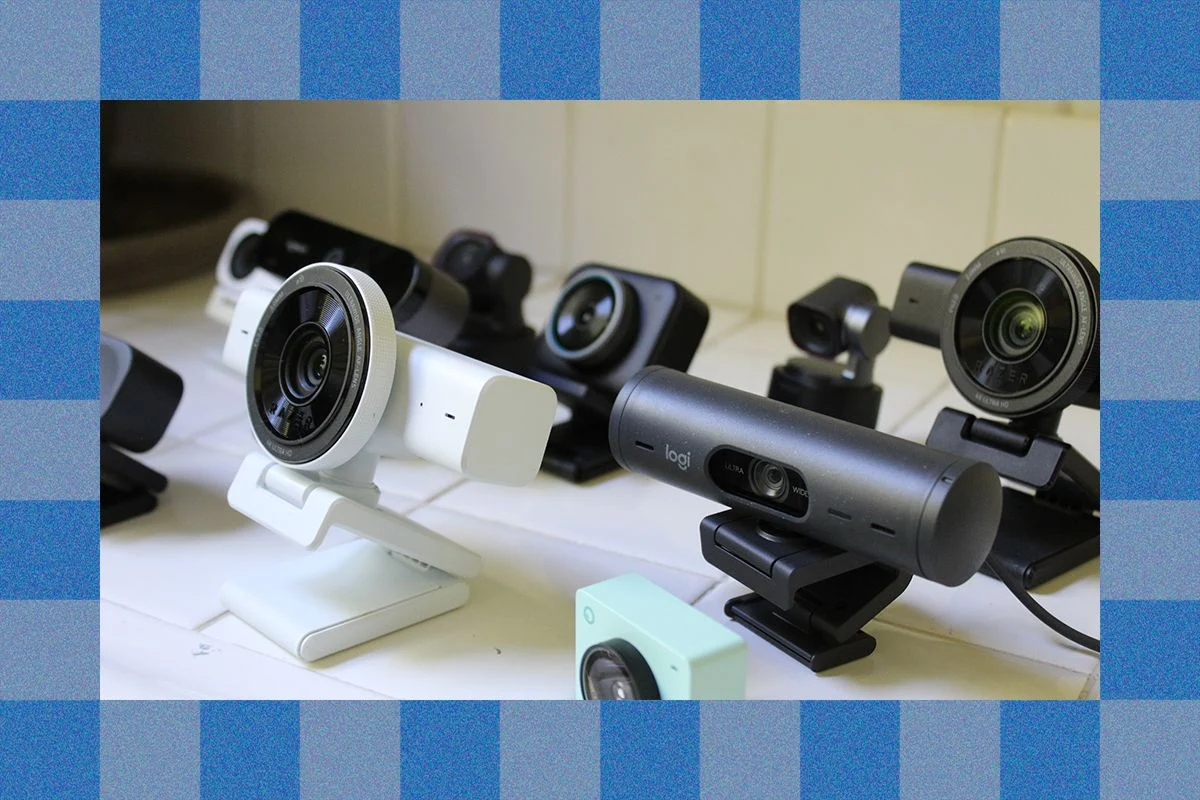
The landscape of digital communication has undergone a radical transformation over the last decade, culminating in a 2026 market where high-fidelity video is no longer a luxury but a professional necessity. As hybrid work models solidify into permanent corporate structures, the demand for hardware that can navigate diverse lighting environments and provide crystal-clear audio has reached an all-time high. Extensive industry evaluations of over 15 leading models have identified a new hierarchy in peripheral imaging, where traditional market leaders are being challenged by innovative manufacturers utilizing larger sensors and artificial intelligence-driven tracking. The current gold standard for the modern professional is defined by the Insta360 Link 2C Pro, a device that represents the convergence of compact design and high-end imaging physics.
The Evolution of Desktop Imaging: A Decade of Progress
To understand the current state of webcam technology in 2026, one must look back at the trajectory of the industry. For nearly ten years, the market was dominated by legacy hardware, most notably the Logitech C920, which debuted in 2012. While sufficient for the early era of Skype calls, these older models relied on small sensors and rudimentary image processing that struggled with the high-dynamic-range (HDR) requirements of modern home offices.

The shift toward premium webcams began in earnest during the early 2020s, driven by a global transition to remote work. By 2024, manufacturers started integrating technologies previously reserved for smartphones and mirrorless cameras, such as Phase Detection Autofocus (PDAF) and large CMOS sensors. As of August 2026, the industry has largely moved away from plastic optics in favor of high-grade glass and magnetic mounting systems that offer greater stability and flexibility. This evolution has created a market where the distinction between a $60 budget unit and a $200 professional tool is immediately apparent in both build quality and visual fidelity.
Leading the Market: The Insta360 Link 2C Pro
The Insta360 Link 2C Pro has emerged as the definitive choice for professionals seeking the best balance of image quality, audio performance, and industrial design. Retailing at approximately $200, it utilizes a 1/1.3-inch CMOS sensor—a size that matches many high-end smartphones and significantly exceeds the 1/2-inch or 1/2.8-inch sensors found in competing models. This hardware advantage allows the Link 2C Pro to capture more light, resulting in a natural bokeh effect where the background is softly blurred while the subject remains sharp, mimicking the look of a Digital Single-Lens Reflex (DSLR) camera.
Technical evaluations highlight several key advantages of this model over its primary competitor, the Logitech MX Brio. While the MX Brio has long been a staple in professional setups, its plastic-heavy construction and significant weight—nearly three times that of the Insta360—make it less ideal for modern, thin-bezel monitors and laptop lids. Furthermore, the Insta360 employs a magnetic aluminum mount that facilitates smooth panning and tilting, addressing a common failure point in plastic-hinged webcams. In low-light testing, the Link 2C Pro consistently outperformed more expensive alternatives, including the $349 Obsbot Tiny 3, by effectively managing highlights and preserving detail in shadows without the "crushed blacks" often seen in Logitech’s processing algorithms.

The Rise of AI-Powered Pan-Tilt-Zoom (PTZ) Technology
For users who require more than a static frame—such as educators, presenters, and professional streamers—the 2026 market offers highly sophisticated Pan-Tilt-Zoom (PTZ) options. These cameras are mounted on motorized gimbals and utilize artificial intelligence to track the user’s movements in real-time.
The Obsbot Tiny 3 stands at the pinnacle of this category. Despite its $349 price point, it provides unparalleled color accuracy and the ability to shoot at 120 frames per second (fps) in 1080p resolution. This high frame rate is particularly useful for content creators who may need to slow down footage in post-production. The integration of AI in the Tiny 3 allows for advanced gesture and voice controls, enabling users to zoom or switch between preset angles without touching their computer.
For those seeking PTZ capabilities at a lower price point, the Insta360 Link 2 Pro ($249) and the Obsbot Tiny 3 Lite ($199) serve as viable alternatives. These models maintain the core tracking features but often utilize slightly smaller sensors or narrower apertures. The market trend indicates that PTZ features are becoming increasingly democratized, with entry-level "robot" cameras like the Emeet Pixy ($90) attempting to bring motion tracking to the budget sector, albeit with significant compromises in low-light performance and microphone clarity.
-SOURCE-Julian-Chokkattu.jpg)
Technical Specifications and Market Standards
In 2026, the standard for professional webcams is measured across several critical metrics:
Sensor Size and Aperture
The physical size of the sensor remains the most accurate predictor of image quality. A 1/1.3-inch sensor provides a significant advantage over a 1/2-inch sensor by increasing the surface area for light collection. Coupled with wider apertures, such as the f/1.9 found on the Insta360 Link 2C Pro, these cameras can operate in poorly lit home offices without introducing excessive digital noise.
Resolution and Bandwidth
While 4K webcams are marketed as the current standard, technical limitations often persist in software. Most major videoconferencing platforms continue to cap outgoing streams at 1080p to preserve network bandwidth. However, 4K hardware remains beneficial because it allows for "digital zooming" and reframing without a loss in clarity, as the software can crop into a 4K image while still maintaining a sharp 1080p output.

Audio Integration
Microphone technology has seen incremental improvements. High-end models now feature dual-microphone beamforming arrays designed to isolate the speaker’s voice from ambient room noise. Despite these advances, professional evaluations suggest that even the best integrated webcam microphones struggle to match the depth of dedicated USB microphones like the Logitech Blue Yeti Nano.
The Budget Sector: Balancing Cost and Capability
For the consumer seeking a functional external camera without a $200 investment, the market remains competitive but fraught with outdated hardware. The Anker PowerConf C200 ($66) is currently cited as the best value in the budget category, offering a 5-megapixel sensor that provides a clear upgrade over most built-in laptop cameras.
However, industry experts caution against the continued purchase of legacy models. The Logitech C920, for instance, remains on sale in 2026 despite being 14 years old. Modern testing confirms that these older units cannot compete with the dynamic range or low-light processing of newer, albeit similarly priced, models like the Logitech Brio 300 ($60).

Smartphone Integration and the Future of Peripheral Imaging
A significant shift in the 2026 webcam market is the increasing use of smartphones as primary video sources. Software solutions like Apple’s Continuity Camera and Google’s native Android webcam support have made it possible for users to leverage the multi-thousand-dollar camera arrays in their pockets. This has forced dedicated webcam manufacturers to innovate more rapidly, focusing on specialized form factors (like the ultra-lightweight Obsbot Meet 2) or professional-grade optics that smartphones cannot easily replicate due to their thin chassis.
Broader Professional Impact and Market Analysis
The stabilization of the webcam market in 2026 reflects a broader trend in the "prosumer" electronics industry. As video calls become the primary venue for business negotiations and educational delivery, the "visual presence" of an individual is increasingly viewed as an extension of their professional brand.
Market data suggests that companies are increasingly providing hardware stipends for high-quality peripherals, recognizing that poor video and audio quality can hinder productivity and professional perception. The move toward magnetic mounts, detachable USB-C cables, and AI-assisted lighting adjustments indicates a market that is prioritizing user experience and longevity over the disposable plastic designs of the previous decade.

In conclusion, the Insta360 Link 2C Pro currently holds the title of the best overall webcam for its superior sensor technology and thoughtful design. However, the 2026 market offers a diverse range of specialized tools, from the PTZ prowess of the Obsbot Tiny 3 to the budget-friendly reliability of the Anker PowerConf C200. As imaging technology continues to advance, the gap between consumer-grade webcams and professional studio equipment continues to narrow, providing every home office with the potential for cinematic-quality communication.
