

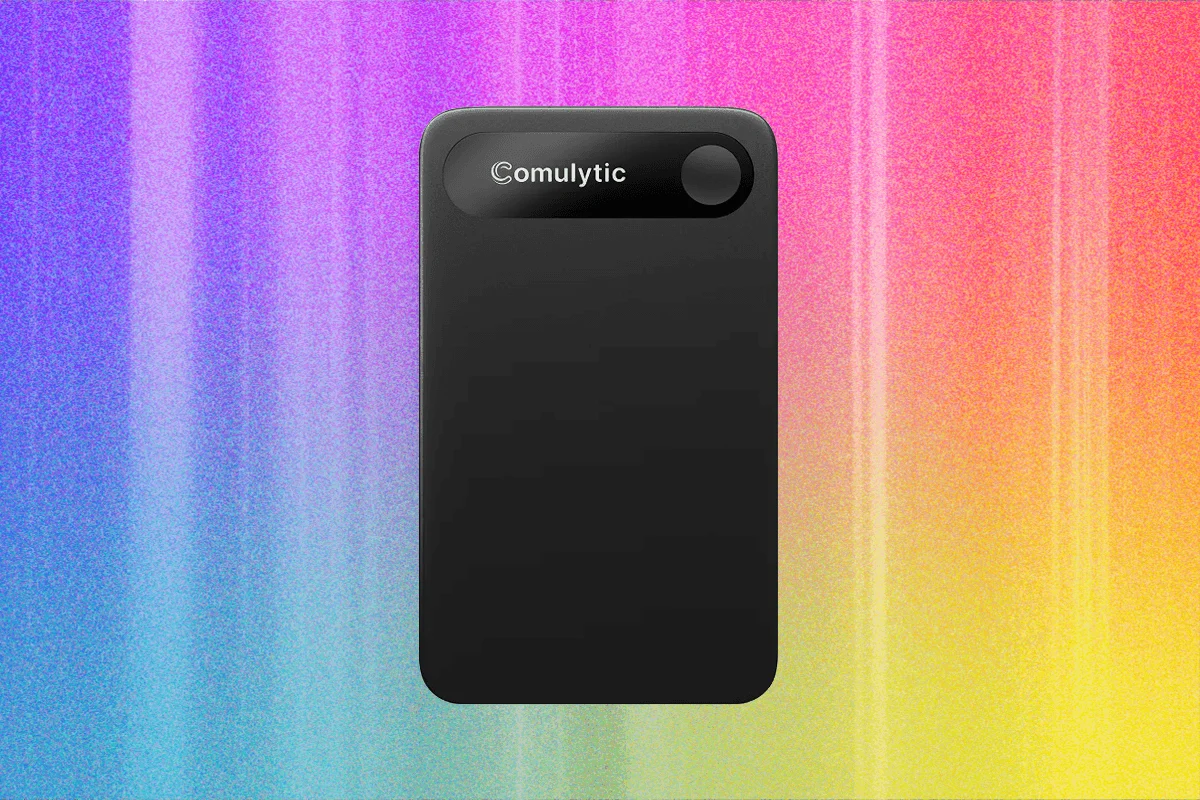
The landscape of personal productivity is currently undergoing a seismic shift as artificial intelligence moves from cloud-based software applications into dedicated, wearable, and peripheral hardware. This burgeoning market, often referred to as the "nascent category" of AI notetakers, aims to solve a perennial problem in professional and academic settings: the friction of capturing, transcribing, and synthesizing spoken information. While smartphone applications have long offered voice recording and basic transcription, a new generation of specialized devices is emerging to provide "ambient computing" solutions—tools that sit in the background of daily life, capturing data without the distractions inherent in mobile phone usage.
The development of these devices is largely a response to the rapid maturation of Large Language Models (LLMs) and speech-to-text engines such as OpenAI’s Whisper. By integrating these back-end capabilities into physical forms—ranging from pens and rings to necklaces and desktop hubs—manufacturers are attempting to carve out a permanent niche in the professional toolkit. However, as the market matures, significant variations in form factor, reliability, and subscription-based pricing models are beginning to define the winners and losers of this hardware race.

The Shift from Software to Dedicated Ambient Hardware
For years, professionals relied on digital voice recorders or, more recently, smartphone apps like Otter.ai or Rev to document meetings and interviews. The transition to dedicated AI hardware represents a desire for "single-tasking" efficiency. According to industry analysts, the global AI wearable market is projected to grow significantly over the next five years, driven by the demand for hands-free productivity tools.
The primary advantage of a dedicated device over a smartphone app is twofold: battery preservation and reduced friction. Modern smartphones, while powerful, are prone to notification fatigue and battery drain when used for continuous, high-fidelity audio recording. Dedicated devices, by contrast, are optimized for audio capture, often featuring specialized microphone arrays designed for far-field recording and noise cancellation. Furthermore, the physical presence of a device—such as a clip-on pin or a smart ring—serves as a visual reminder of the recording status, which carries implications for both social etiquette and professional compliance.
Analysis of Current Market Entrants: Portability versus Utility
As the market expands, several distinct design philosophies have emerged. These range from ultra-portable wearables to stationary desktop command centers, each catering to different professional personas.

The Wearable Vanguard: Plaud and Vocci
The Plaud NotePin S represents the minimalist approach to the AI notetaker. Weighing only 18 grams, it is designed to be worn as a pin, a lanyard, or even a wristband. Technically, it offers 20 hours of battery life and 64 GB of internal storage, positioning it as a tool for "life-logging" or long-form professional recording. However, the device highlights a growing trend in the industry: the "Hardware-as-a-Service" model. While the unit costs $179, users are limited to 300 minutes of transcription per month unless they commit to an annual subscription ranging from $100 to $240. This pricing structure suggests that for many manufacturers, the hardware is a gateway to recurring software revenue.
On the even more extreme end of miniaturization is the Vocci Ring. At a mere 3.5 grams, it is currently the smallest AI notetaker on the market. Worn on the index finger, it utilizes bone conduction and proximity to the wearer to capture audio. While the form factor is revolutionary, early technical reports indicate that such extreme miniaturization comes with trade-offs in reliability, specifically regarding magnetic charging and connectivity. Despite these hurdles, the Vocci Ring demonstrates the potential for AI tools to become truly "invisible" in daily interactions.
The Hybrid and Desktop Solutions: HiDock and Flowtica
Not all AI notetakers are designed to be worn. The HiDock P1, weighing 91 grams, serves as a bridge between traditional digital recorders and modern AI hubs. It features physical onboard controls and is optimized for desktop environments, particularly for recording video calls and in-person office meetings. Unlike its wearable counterparts, the HiDock P1 emphasizes a powerful microphone array and fast analysis when connected to a PC. It addresses the needs of the "stationary professional" who requires high-fidelity recording but does not need the device to follow them to the gym or the grocery store.

Similarly, the Flowtica Scribe attempts to integrate AI into a traditional professional tool: the pen. This 33-gram ballpoint device allows for the simultaneous capture of written and audio notes. While the concept is praised for its familiarity, the execution highlights the technical difficulties of the category. Issues such as "wall-of-text" transcriptions and language-processing errors—where non-Chinese speech is occasionally summarized in Chinese—underscore the fact that the software side of these devices is still in a state of rapid iteration.
Technical Challenges and Data Integrity
The primary value proposition of an AI notetaker is not just recording, but the subsequent "intelligent summary." This process involves three distinct steps: audio capture, transcription (speech-to-text), and summarization (LLM processing).
Data from recent field tests suggests that transcription accuracy varies wildly based on environmental noise and speaker accents. Devices like the iFLYTEK AI Recorder P1, despite the manufacturer’s pedigree in translation hardware, have faced criticism for software instability. Reports of recordings failing to save and summaries failing to generate point to a lack of robust edge-computing capabilities in cheaper models.

Furthermore, the "real-time" aspect of these devices remains elusive. Most current hardware requires the audio file to be uploaded to a cloud server for processing after the recording has ended. This latency means that while the summaries are "solid," they are not yet instantaneous, a factor that prevents these devices from being used for real-time translation or live-assist scenarios in their current iterations.
Timeline of Development and Future Outlook
The trajectory of AI notetaker hardware has moved with remarkable speed over the last 24 months:
- Early 2023: The emergence of high-accuracy, open-source transcription models (OpenAI Whisper) lowers the barrier for entry.
- Late 2023: Crowdfunding platforms see a surge in "AI Pin" and "AI Pendant" projects.
- Mid-2024: First-generation hardware reaches the hands of consumers, revealing the gap between marketing promises and technical reality.
- Late 2024 and Beyond: Established tech players like Omi, Boya, Mobvoi, and SwitchBot are slated to enter the market, likely bringing more competitive pricing and better software integration.
Industry experts anticipate that the next phase of development will focus on "on-device" processing. As mobile chips become more efficient at running small language models (SLMs), the reliance on cloud subscriptions may decrease, potentially shifting the market back toward a one-time purchase model.

Privacy, Ethics, and the Legal Landscape
The proliferation of ambient recording devices raises significant privacy and legal concerns. In many jurisdictions, "two-party consent" laws require all participants in a conversation to agree to be recorded. Wearable devices like the Looki L1, which includes an integrated camera for video capture, further complicate these issues. The ability to turn a standard meeting into a "vlog" or a digital story without explicit disclosure could lead to workplace friction and legal challenges.
Furthermore, the security of the recorded data is a paramount concern for corporate users. When a device like the Plaud NotePin or the Flowtica Scribe uploads a sensitive boardroom discussion to the cloud for summarization, the data is subject to the security protocols of the manufacturer. For industries like law, medicine, and finance, the use of these devices may be restricted until manufacturers can guarantee end-to-end encryption and compliance with standards such as HIPAA or GDPR.
Impact on Professional Productivity
Despite the technical and ethical hurdles, the impact of AI notetakers on productivity is undeniable. By automating the "drudgery" of note-taking, these devices allow professionals to be more present in conversations. A study on workplace efficiency suggests that the average professional spends up to 20% of their time on administrative tasks, including summarizing meetings and following up on action items. If an AI device can reliably reduce this burden, the return on investment (ROI) for a $150–$300 device becomes clear within months.

The market is currently in a state of "creative destruction," where dozens of startups are vying for dominance. While many current devices—like the SpeakON with its limited push-to-talk functionality or the iFLYTEK P1 with its unreliable app—may not survive the next two years, they are paving the way for a more refined generation of tools. As hardware catches up to the capabilities of the AI models powering them, the dedicated AI notetaker is likely to become as common in the briefcase as the laptop or the smartphone.
