

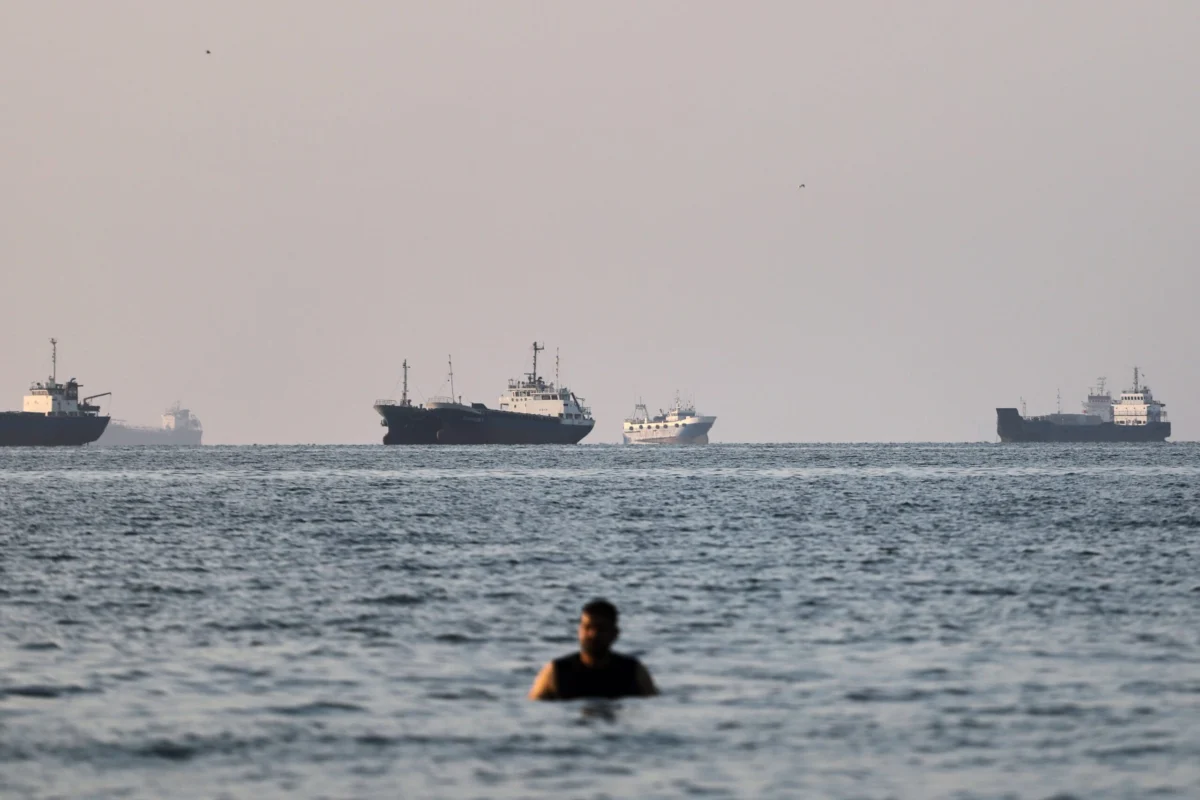
The diplomatic landscape of the Middle East shifted significantly on August 5, 2026, as Iranian officials characterized ongoing negotiations with Oman as "proceeding positively," signaling a potential end to the protracted maritime tensions in the Strait of Hormuz. This optimism was echoed by high-ranking officials in Washington, who suggested that a comprehensive deal to stabilize the region’s vital shipping lanes could be reached within the coming weeks. The developments come at a critical juncture for global energy markets, which have been volatile since the onset of the so-called "Hormuz Crisis" earlier this year.
The pivot toward a diplomatic resolution marks a departure from the escalatory rhetoric that dominated the first half of 2026. While previous months were defined by naval posturing and the seizure of commercial vessels, the current discourse has transitioned toward technical and commercial settlements. David Des Roches, a prominent regional analyst and professor at the National Defense University, noted that the core of the current friction is increasingly viewed as a commercial and legal dispute rather than a purely military confrontation. This distinction is vital for international insurers and shipping conglomerates who have been seeking clarity on the safety of the world’s most important oil chokepoint.
The Role of Omani Mediation in Regional De-escalation
For decades, the Sultanate of Oman has served as a critical intermediary between Tehran and Western capitals. The current round of talks in Muscat represents a continuation of this tradition, focusing on a framework that addresses Iranian security concerns while ensuring the unimpeded flow of commerce through the Strait of Hormuz. According to sources close to the Iranian Ministry of Foreign Affairs, the "positive" trajectory of the talks involves a reciprocal agreement regarding frozen assets and the relaxation of specific maritime sanctions that have hindered Iran’s commercial fleet.
Oman’s role as a "quiet diplomat" has allowed both the United States and Iran to bypass the domestic political pressures that often stall direct negotiations. By hosting these sessions, Muscat has provided a neutral ground where technical experts can discuss maritime law, shipping insurance, and the status of seized assets without the immediate glare of public scrutiny. The involvement of Omani mediators is seen as a stabilizing factor that prevents minor tactical misunderstandings from escalating into broader strategic conflicts.
Commercial Implications and the Strait of Hormuz
The Strait of Hormuz remains the world’s most sensitive energy corridor. Approximately 21 million barrels of oil pass through the strait daily, representing nearly 21% of global petroleum liquid consumption. Any disruption, or even the threat of disruption, has immediate and profound effects on global Brent crude prices. Throughout 2025 and early 2026, the "risk premium" added to shipping insurance for vessels transiting the strait rose by nearly 400%, forcing many companies to consider the longer, more expensive route around the Cape of Good Hope.
David Des Roches’ assessment that the crisis is a "commercial, not military problem" highlights the shift in how regional power is being exercised. Rather than seeking a direct naval engagement—which would be catastrophic for all parties involved—actors have utilized "grey zone" tactics. These include legal detentions based on alleged environmental violations or safety non-compliance. By framing the issue as one of commercial regulation and maritime law, the involved parties have created a space for negotiation that avoids the "red lines" of military doctrine.
Timeline of the 2025-2026 Maritime Standoff
To understand the significance of the current negotiations, it is necessary to examine the events leading up to the August 2026 breakthrough:
- September 2025: Tensions began to rise following the implementation of new environmental regulations by regional littoral states, leading to the first series of commercial vessel inspections in the Strait.
- December 2025: A major international insurer suspended coverage for certain classes of tankers transiting the Persian Gulf, citing "unpredictable regulatory risks."
- February 2026: Iran announced a new "Maritime Security Zone" around Bandar Abbas, requiring additional notifications for commercial traffic. The US and its allies increased their naval presence under the International Maritime Security Construct (IMSC).
- April 2026: A series of vessel detentions occurred, with Iran citing "technical failures" and "maritime collisions" as the basis for legal action.
- June 2026: The first round of secret talks began in Muscat, Oman, aimed at establishing a "Commercial Code of Conduct" for the Strait.
- July 2026: US officials signaled a willingness to review certain shipping-related sanctions in exchange for a "hotline" to prevent maritime accidents.
- August 5, 2026: Iran and the US both issue statements suggesting a deal is within reach, focusing on the commercial stabilization of the waterway.
Supporting Data: The Economic Toll of Maritime Instability
The necessity for a deal is underscored by the economic data gathered during the crisis. Global shipping costs for the route between the Persian Gulf and East Asia saw a 15% increase in the first quarter of 2026 alone. Furthermore, the uncertainty led to a 5% decrease in total throughput as some smaller shipping lines opted to avoid the region entirely.
According to data from the International Energy Agency (IEA), the volatility in the Strait contributed to a $12 per barrel "instability premium" on crude oil. For major importers such as China, India, and Japan, this represented an additional cost of billions of dollars per month. These economic pressures have created a rare alignment of interests between the East and West, with both Beijing and Washington pressuring regional actors to find a sustainable solution that guarantees freedom of navigation.
Official Responses and International Diplomatic Maneuvers
In Washington, a spokesperson for the National Security Council stated that while "challenges remain," the United States is encouraged by the progress made through Omani channels. The Biden administration has faced significant pressure to lower energy prices ahead of the upcoming mid-term cycle, making a de-escalation in the Persian Gulf a top foreign policy priority.
In Tehran, the rhetoric has been uncharacteristically measured. The Iranian Foreign Ministry released a statement noting that "respect for the sovereign rights of littoral states and the adherence to international maritime law are the foundations of any lasting agreement." This suggests that Iran is seeking a deal that recognizes its role as a regional gatekeeper while allowing it to reintegrate into the global commercial shipping market.
The European Union has also welcomed the news. The EU’s High Representative for Foreign Affairs noted that a "technical resolution to the Hormuz crisis would provide a blueprint for addressing other regional disputes through the lens of shared economic interests."
Expert Perspectives: Shifting from Military to Commercial Solutions
The analysis provided by David Des Roches points to a broader trend in international relations where economic leverage replaces traditional kinetic warfare. By categorizing the Hormuz situation as a commercial problem, the involved nations can utilize the tools of international arbitration, insurance guarantees, and trade agreements to settle disputes.
"If you treat this as a military problem, your only tools are destroyers and missiles," Des Roches explained in a recent briefing. "But if you treat it as a commercial problem, your tools are lawyers, insurance underwriters, and port authorities. It is much easier to negotiate a change in insurance premiums than it is to negotiate the withdrawal of a carrier strike group."
This shift in perspective is crucial for the long-term stability of the region. It allows for the creation of a "Maritime Regulatory Framework" that can survive fluctuations in political tension. If the current talks in Oman succeed, they could lead to the establishment of a joint maritime coordination center, where regional and international representatives monitor shipping traffic to prevent misunderstandings before they escalate.
The Economic Stakes: Energy Markets and Global Supply Chains
The potential for a deal has already begun to impact the markets. Following the reports of "positive" talks, Brent crude futures saw a 2.5% decline, as traders priced in a reduction of the geopolitical risk premium. Analysts at major financial institutions suggest that a finalized deal could lead to a sustained stabilization of oil prices between $75 and $85 per barrel, providing much-needed relief for the global economy.
Furthermore, the resolution of the Hormuz crisis would have a "trickle-down" effect on global supply chains. The Strait is not only an oil route but also a vital path for liquefied natural gas (LNG) and containerized cargo. A return to normalcy would allow for more efficient scheduling and lower operational costs for thousands of vessels, eventually reducing the cost of goods for consumers worldwide.
Looking Ahead: Potential Frameworks for a Sustainable Agreement
As the talks in Oman enter what many hope is the final phase, several key components are expected to form the basis of the agreement. First is the establishment of a "Technical Transparency Protocol," which would require all parties to provide clear, evidence-based justifications for any vessel inspections or detentions. Second is the creation of a "Multilateral Insurance Pool" backed by regional and international banks to stabilize shipping rates.
Lastly, the deal is expected to include a "De-escalation Hotline" between the Iranian Coast Guard and the international maritime task forces operating in the region. This would provide a direct line of communication to resolve technical disputes—such as a vessel drifting into territorial waters or a mechanical failure—without involving national command structures.
While the "Hormuz Crisis" of 2026 has been a period of significant anxiety for the international community, the current diplomatic momentum offers a glimmer of hope. By addressing the commercial roots of the conflict and utilizing the mediation of Oman, Iran and the United States appear to be moving toward a pragmatic solution. The coming weeks will be decisive in determining whether this "positive" progress can be codified into a lasting peace that secures the world’s most vital maritime artery.
