

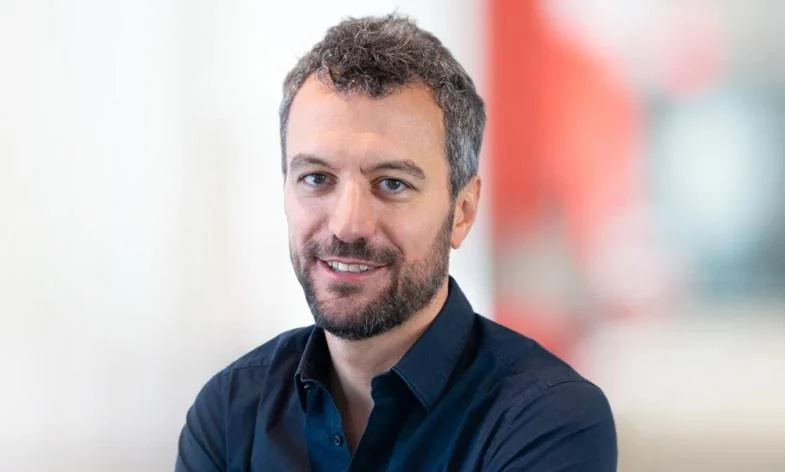
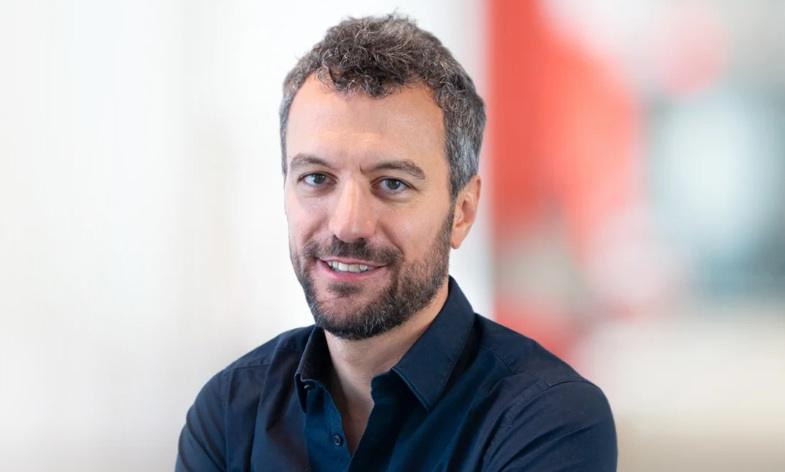
Global management consultancy Bain & Company has officially named Matteo Capellini as the Global Head of its Sustainability Value Creation Solution, a move that signals a significant reinforcement of the firm’s commitment to integrating environmental, social, and governance (ESG) factors into the core of corporate strategy. This appointment comes at a pivotal moment for the global business community, as the focus of sustainability shifts from peripheral reporting and compliance toward a more central role in long-term profitability and operational resilience. Capellini, a seasoned consultant with a deep background in retail and consumer products, will oversee a practice dedicated to helping clients transform sustainability commitments into tangible, value-creating assets rather than treating them as regulatory burdens.
The Sustainability Value Creation Solution is designed to bridge the gap between high-level ESG ambitions and day-to-day business operations. According to Bain, the appointment reflects a market environment where sustainability expectations from investors, regulators, and consumers are evolving at an unprecedented pace. In this landscape, the ability to translate abstract strategy into concrete execution is increasingly viewed as a primary competitive advantage. Capellini’s mandate will involve scaling this solution globally, ensuring that sustainability is woven into the fabric of every business unit, from supply chain management and product development to marketing and finance.
Professional Chronology and Background of Matteo Capellini
Matteo Capellini’s career trajectory illustrates a blend of high-level strategic consulting and hands-on operational leadership. His history with Bain & Company began in 2008, where he spent five years developing a foundation in management consulting, primarily focusing on organizational efficiency and market strategy. In 2013, he transitioned to the corporate sector, taking on the role of Global Product Marketing Director at Moleskine. During his five-year tenure at the iconic stationery and lifestyle brand, Capellini gained invaluable experience in product lifecycle management and brand positioning, perspectives that are often missing from purely academic or consulting backgrounds.
He returned to Bain & Company in 2018, rejoining the firm with a renewed focus on the intersection of retail and sustainability. Prior to his current appointment, Capellini led Bain’s sustainability practice in Italy and served as the global connector between the firm’s sustainability and retail teams. His work has been instrumental in helping European retailers navigate the complexities of circular economy models, decarbonization of supply chains, and the shift toward ethical sourcing. By serving as a bridge between these two critical practices, Capellini has spent the last several years refining the methodology that now defines the Sustainability Value Creation Solution: treating ESG not as an isolated department, but as a lever for growth and efficiency.
The Strategic Context of Sustainability in 2026
The timing of this appointment is reflective of a broader shift in the global economy. As of 2026, the corporate world has moved past the initial "pledge phase" of sustainability, where many companies made long-term net-zero commitments without clear roadmaps for achievement. Today, the pressure has shifted toward "execution and evidence." Regulatory frameworks such as the Corporate Sustainability Reporting Directive (CSRD) in Europe and evolving disclosure requirements from the SEC in the United States have made ESG performance as scrutinized as financial performance.
Market data suggests that companies that successfully integrate sustainability into their operations are outperforming their peers. Recent industry analyses indicate that firms with high sustainability integration scores see an average of 3% to 5% higher margins due to energy efficiencies, reduced waste, and increased brand loyalty among younger demographics. Conversely, companies that treat sustainability as a "side project" are increasingly facing higher costs of capital and greater regulatory risks. Bain’s decision to elevate Capellini to a global leadership role is a direct response to this "value gap"—the space between what companies say they will do and what they are actually equipped to deliver.
Official Perspectives on the Appointment
The leadership at Bain & Company has emphasized that Capellini’s specific industry expertise is what makes him the ideal candidate for this global role. Federica Levato, Senior Partner and Head of Talent for Italy at Bain & Company, highlighted the necessity of measurable results in the current economic climate. "At a time when sustainability priorities are being challenged by markets, uncertainty, and regulation, Matteo’s experience—gained in fashion and luxury, food, and retail, and now extending across multiple industries—is exactly what our clients need to transform sustainability commitments into measurable results," Levato stated.
Capellini himself has been vocal about the pitfalls of modern corporate sustainability programs. In a statement following his appointment, he observed that many programs fail because they are built as "side projects" that sit adjacent to the business rather than within it. "I’ve watched plenty of sustainability programs get built as side projects, sitting next to the business rather than inside it, and then disappear the moment budgets tighten or the geopolitical picture shifts," Capellini noted. He argued that the only initiatives that truly scale and survive economic volatility are those that were part of the core business strategy from the beginning. This philosophy of "embedded sustainability" will be the cornerstone of his leadership as he takes the helm of the global practice.
The "Value Creation" Framework: Beyond Compliance
The "Value Creation Solution" that Capellini will lead is built on several key pillars that differentiate it from traditional ESG consulting. While traditional consulting might focus on carbon footprinting or reporting, Bain’s approach focuses on four primary areas:
- Operational Decarbonization and Efficiency: This involves re-engineering manufacturing and logistics to reduce energy consumption and waste, which simultaneously lowers costs and carbon output.
- Sustainable Product Innovation: Helping companies design products that use recycled materials or are designed for the circular economy, thereby tapping into new revenue streams and consumer segments.
- Supply Chain Resilience: Moving beyond auditing suppliers to actively partnering with them to ensure long-term stability in the face of climate-related disruptions.
- Green Financing and Capital Markets: Assisting firms in aligning their sustainability performance with the requirements of "green bonds" and other ESG-linked financial instruments to lower the cost of debt.
By focusing on these areas, Bain aims to prove that sustainability is not a cost center but a source of competitive advantage. In the retail and luxury sectors—Capellini’s areas of expertise—this often manifests as a "premiumization" strategy, where sustainable practices justify higher price points and foster deeper brand advocacy.
Broader Industry Implications and Analysis
The appointment of a Global Head for Sustainability Value Creation at a firm of Bain’s stature suggests a maturation of the consulting industry. For years, the "Big Three" (McKinsey, BCG, and Bain) have been competing to define the ESG space. This move indicates that the "strategy" phase of ESG consulting is giving way to the "transformation" phase. Clients are no longer asking why they should be sustainable or what they should aim for; they are asking how to change their entire business model without losing profitability.

Furthermore, the focus on "Value Creation" is a tactical response to the "ESG backlash" seen in some political and financial circles over the last few years. By framing sustainability in the language of value, ROI, and competitive advantage, Bain is insulating the practice from ideological critiques. If sustainability leads to better margins, more efficient supply chains, and more loyal customers, it becomes a fiduciary duty for boards of directors rather than a discretionary "social" goal.
Capellini’s background in the Italian market is also significant. Italy has long been a hub for high-end manufacturing, fashion, and food—industries that are at the forefront of the circular economy and traceability movements. By taking the lessons learned from the sophisticated Italian luxury and retail markets and applying them globally, Capellini is positioned to lead a practice that understands the nuances of brand value and complex global supply chains.
Future Outlook for Bain’s Sustainability Practice
As Capellini steps into his new role, the focus will likely turn toward scaling digital tools and proprietary data analytics to support sustainability goals. In June 2026, just prior to this appointment, industry reports suggested that Bain was increasing its investment in AI-driven ESG tracking tools to provide clients with real-time data on their sustainability performance. These tools are expected to be a key component of the Sustainability Value Creation Solution, allowing managers to see the immediate financial impact of their ESG-related decisions.
The success of Capellini’s tenure will likely be measured by how well he can replicate his European successes in the North American and Asia-Pacific markets. While Europe has led the way in terms of regulation, the demand for value-driven sustainability is surging in Asia as manufacturing hubs face increasing pressure from global buyers to decarbonize.
In conclusion, the appointment of Matteo Capellini represents a strategic evolution for Bain & Company. It marks a transition toward a more pragmatic, results-oriented approach to corporate responsibility. By elevating a leader who views sustainability through the lens of product marketing, retail operations, and global strategy, Bain is betting that the future of business belongs to those who can treat the planet’s challenges as a roadmap for innovation and growth. As companies navigate the complexities of the late 2020s, the integration of sustainability into the core "value creation" engine of the firm will likely be the defining factor of corporate survival and leadership.
