

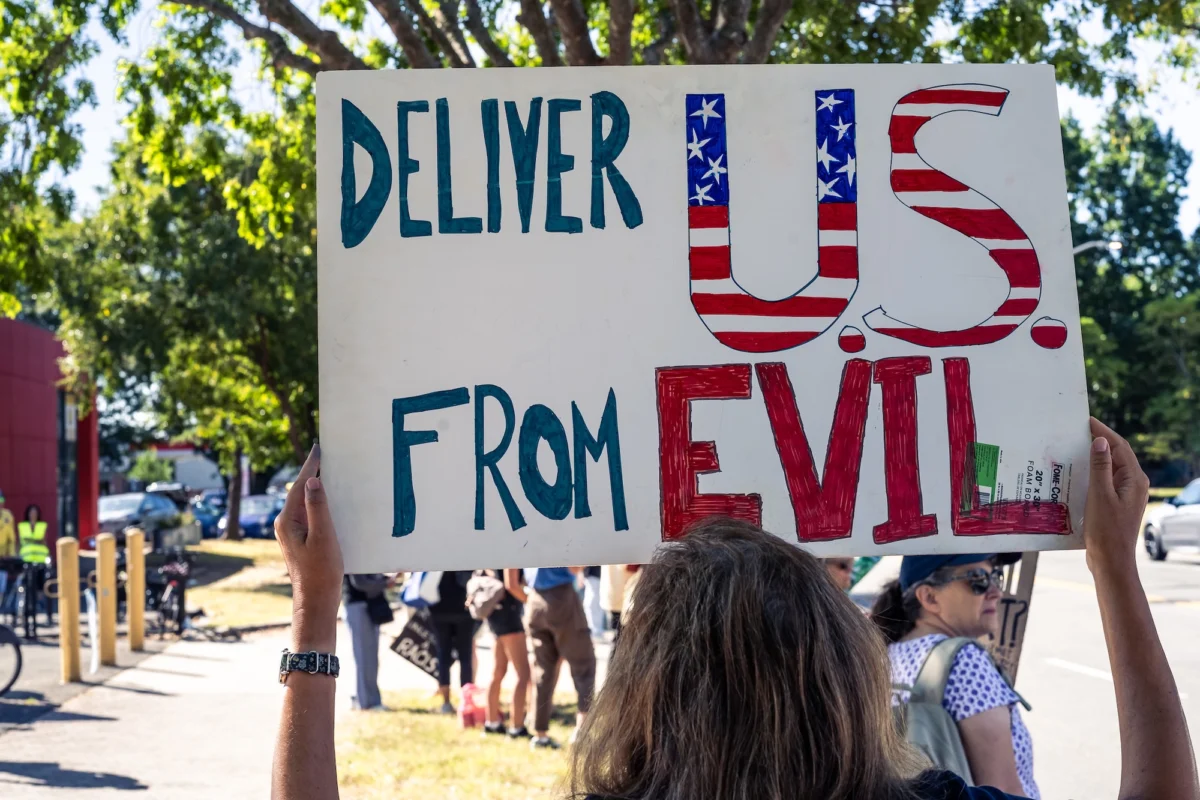
The United States is currently grappling with a profound crisis of transparency and public trust as federal immigration enforcement tactics face unprecedented scrutiny from citizen journalists and legal observers. Six months after mass protests erupted following the deaths of two unarmed U.S. citizens in Minneapolis, the national spotlight has returned to the Department of Homeland Security (DHS) and U.S. Immigration and Customs Enforcement (ICE). While the mainstream media cycle briefly shifted toward international conflicts and domestic elections, a growing network of grassroots observers has remained vigilant, documenting what they describe as an escalating campaign of violence and systemic opacity within the administration’s mass deportation efforts.
The urgency of this oversight was underscored this month by the deaths of three unarmed individuals during interactions with federal agents. These incidents, occurring in Texas, Maine, and Florida, have reignited a national debate over the use of deadly force and the reliability of official government accounts. In each instance, the administration’s initial justifications for the use of force were directly contradicted by bystander video or private security footage, highlighting a widening gap between state narratives and documented reality.
A Chronology of Escalation and Public Outcry
The current climate of tension can be traced back to January 2025, when the shooting of Renee Good and Alex Pretti by federal agents in Minneapolis sparked a summer of civil unrest. In the immediate aftermath, the administration attempted to mitigate public outrage by reshuffling top leadership at DHS. This strategic pivot appeared to succeed in lowering the agency’s profile for several months, allowing the news cycle to move on to the war in Iran and the U.S. midterm elections.
However, beneath the surface of this perceived calm, the administration was quietly scaling up its enforcement capabilities. By the spring of 2026, DHS began a massive recruitment drive, characterized by critics as a "hiring surge" of agents with expedited background checks. This buildup culminated in late June 2026, when ICE launched a coordinated enforcement operation that resulted in 10,000 arrests over a five-day period. The directive, which reportedly tasked agents with maintaining a quota of 2,000 arrests per day, has been linked by civil rights advocates to the recent spike in lethal encounters.
The timeline of the most recent fatalities reveals a pattern of rapid, violent escalations during routine stops:
- July 10, 2026: Lorenzo Salgado Araujo, a 35-year resident of Texas and father of three, was shot and killed during a traffic stop while commuting to work.
- July 13, 2026: Joan Sebastian Durán Guerrero was killed by an ICE agent in Biddeford, Maine. The shooting occurred in a residential neighborhood in front of Guerrero’s three-year-old daughter.
- July 14, 2026: An unidentified man in Florida died after being struck by a vehicle while attempting to flee an ICE traffic stop.
- July 15, 2026: Video surfaced of an ICE agent discharging a firearm in a residential neighborhood in Harrisburg, Pennsylvania, during a vehicle interception.
The Discrepancy Between Official Accounts and Video Evidence
A central theme in the current crisis is the role of digital evidence in challenging the "official version" of events. In the case of Lorenzo Salgado Araujo, federal authorities initially claimed the victim posed an immediate threat that necessitated deadly force. However, security footage obtained from a nearby business showed Araujo with his hands visible and no apparent weapon, contradicting the agency’s narrative.

In Maine, the death of Joan Sebastian Durán Guerrero has become a flashpoint for concerns regarding agent vetting and accountability. It was later revealed that the agent involved in the fatal shooting had a documented history of violent behavior prior to being hired by ICE. Neighbors and local witnesses used social media to report the shooting in real-time, providing a narrative that reached the public well before the agency issued its formal statement.
Legal experts suggest that the frequent contradictions between witness testimony and official accounts have eroded the "presumption of regularity" typically afforded to law enforcement. Minnesota Attorney General Keith Ellison has been a vocal proponent of citizen-generated evidence, urging the public to use mobile devices to document federal interactions. This sentiment has been institutionalized by organizations like the Immigrant Defense Network, which has trained nearly 30,000 "constitutional observers" in the Midwest alone to record and report ICE activity.
Systemic Issues Within the Detention Network
The violence on the streets is mirrored by reports of deteriorating conditions within the expanding network of DHS detention facilities. The "information shroud" surrounding these centers has become so dense that even members of Congress have reported being denied access.
In May 2026, the Delaney Hall immigrant detention center in Newark, New Jersey, became the site of a mass hunger strike. Approximately 300 detainees signed letters detailing systemic human rights abuses, including forced labor for as little as $1 per hour, lack of medical care during disease outbreaks, and restricted access to legal counsel. The facility, managed by the private contractor GEO Group, has been the subject of multiple lawsuits and protests.
The death of Jean Wilson Brutus at Delaney Hall in December 2025—after only twenty-four hours in custody—remains a rallying cry for activists. On Monday, a multi-faith coalition of over 100 clergy members held a vigil and protest at the facility, linking the deaths in detention to the killings in Texas and Maine. The protest resulted in clashes with ICE agents and the arrest of several demonstrators, including high-profile local officials.
Corporate Interests and the Business of Deportation
The financial dimension of the current immigration policy cannot be overlooked. The aggressive expansion of detention and enforcement has proven highly lucrative for private prison firms and logistical contractors. Analysis of federal spending shows that companies like GEO Group have seen a significant increase in contract value since the beginning of the mass deportation campaign.
Furthermore, the administration’s efforts to convert industrial warehouses into temporary detention camps—a plan dubbed "Freedom 250" by some internal documents—have faced stiff resistance from local communities. While grassroots trackers and legal challenges in New Jersey recently forced the abandonment of a warehouse conversion project in Morris County, new legal filings suggest the administration is attempting to revive the plan under different zoning classifications.

The Technological Battleground: Trackers and Censorship
As the administration intensifies its enforcement, it has also moved to suppress the digital tools used by activists to monitor ICE activity. Grassroots projects such as "The ICE List," "ICE Activity Tracker," and the "Deportation Data Project" provide real-time alerts to vulnerable communities.
In late 2025, the administration successfully pressured major tech platforms, including Apple, to remove applications like "ICEBlock" from their stores, citing concerns over agent safety. However, these tools continue to circulate through alternative means, and the "ICEBlock" app remains functional for those who previously downloaded it. The administration’s attempt to categorize these trackers as "obstruction of justice" has been met with fierce opposition from First Amendment advocates, who argue that documenting the movements of public officials in public spaces is a protected right.
Political Fragmentation and the Path Forward
The internal dynamics of the executive branch have also shown signs of strain. DHS Secretary Markwayne Mullin recently ordered a temporary suspension of most ICE traffic stops in response to the public outcry over the recent killings. This move, intended to de-escalate tensions and allow for a review of use-of-force policies, was almost immediately undermined by the President, who signaled via social media that enforcement operations should continue unabated.
This policy tug-of-war has left local law enforcement agencies in a difficult position. In cities like Houston and Seattle, local officials have expressed concern that federal tactics are making their communities less safe by discouraging residents from interacting with any form of law enforcement.
As the nation moves toward the latter half of 2026, the role of the citizen observer has evolved from a niche activist practice into a mainstream tool of civic accountability. The deaths of Lorenzo Salgado Araujo and Joan Sebastian Durán Guerrero have served as a catalyst for a new wave of organized resistance that bridges labor, faith, and legal sectors.
While the administration maintains that its policies are necessary for national security and the rule of law, the growing body of video evidence suggests a systemic failure in oversight and a disregard for the constitutional rights of those caught in the enforcement net. The persistence of citizen journalists ensures that even as the mainstream news cycle fluctuates, the actions of the state remain documented, providing a factual foundation for the ongoing struggle over the future of American immigration policy.
