

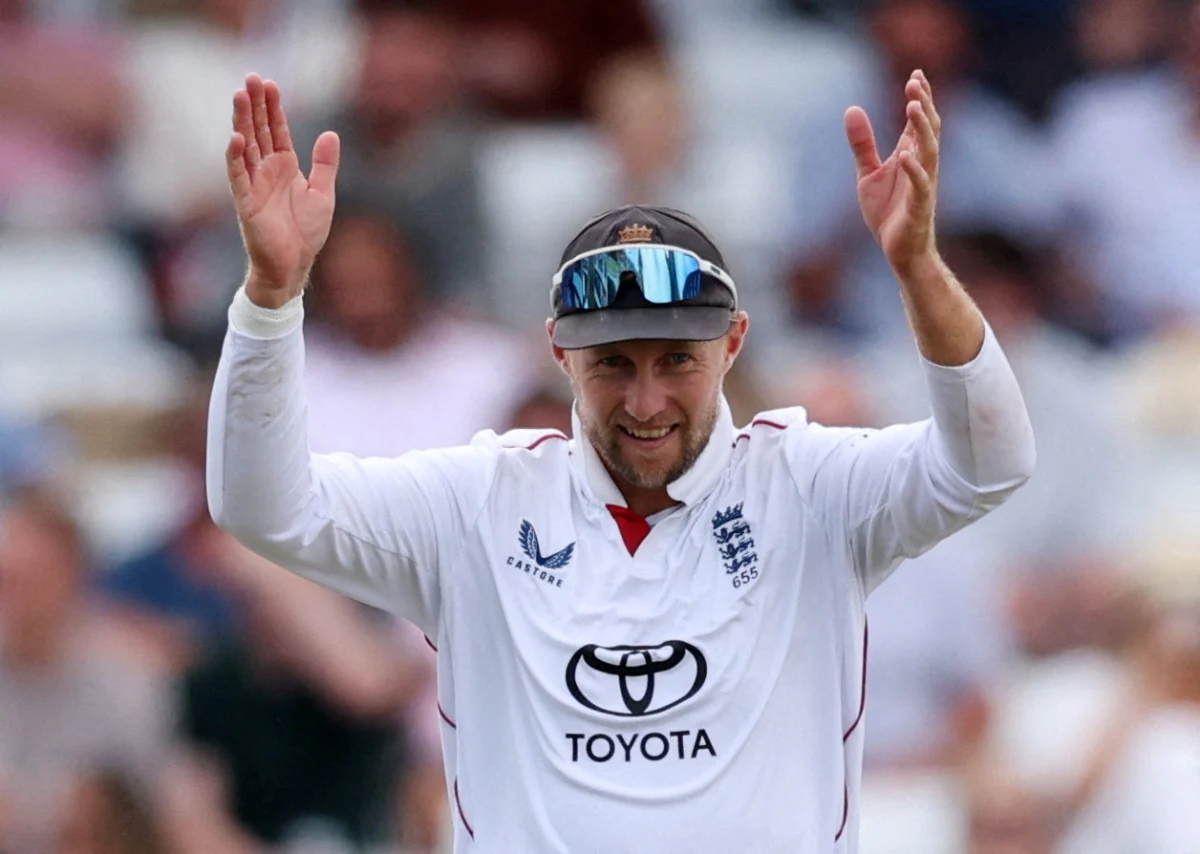
England Cricket has officially announced a pivotal restructuring of its men’s Test leadership, confirming the return of Joe Root as captain and the appointment of former New Zealand skipper Stephen Fleming as the new head coach. This dual leadership change follows a period of turbulence for the red-ball side, marked by the recent international retirement of Ben Stokes and the departure of Brendon McCullum from his role as Test coach. The appointments signal a strategic shift for England as they prepare to host Pakistan in a three-Test home series commencing on August 19.
Joe Root: A Second Stint at the Helm
Joe Root, widely regarded as England’s greatest Test batter, steps back into the captaincy role he previously held for a record 64 matches between 2017 and 2022. During his initial tenure, Root led England to 27 victories, making him the most successful Test captain in terms of wins in the nation’s history. His return comes after Ben Stokes, who had taken over the captaincy in April 2022, announced his retirement from all forms of international cricket last month, citing an unsustainable workload and a desire to focus on his well-being.
Root’s initial captaincy was a period of mixed fortunes. He inherited a team in transition and often carried the batting burden almost single-handedly. While he oversaw memorable series wins, including against India at home in 2018 and South Africa away in 2020, his tenure also included significant challenges. The most notable of these was the 4-0 Ashes defeat in Australia in 2021-22, a tour that highlighted deep-seated issues within the English Test setup, leading to widespread calls for change. Root’s personal form, however, remained exceptional for much of this period, famously scoring over 1,700 Test runs in 2021. Despite this individual brilliance, the mental and physical toll of the captaincy was palpable, often appearing to affect his otherwise sublime batting form towards the end of his first stint, prompting his decision to step down in April 2022. At the time, Root stated that the role had become "unsustainable" and that he had "lost perspective" on his own game.
However, Root’s recent statement reflects a renewed vigour and a different perspective on the role. "It is a great honour and privilege to be asked to be England men’s Test captain again," Root affirmed. He acknowledged the inherent difficulties but also the immense rewards of the job. "After enjoying a brief taste of it again working with Brendon McCullum last month, I am excited to lead this next generation of players forward." This "brief taste" refers to his unexpected captaincy during the second Test against New Zealand at The Oval this summer, when Stokes was absent due to injury. This interim period seemingly rekindled his leadership aspirations. The experience, even if temporary, provided him an opportunity to reassess his feelings about the top job without the full weight of long-term responsibility, suggesting he now believes he can balance the demands of captaincy with his batting, perhaps with the crucial support of a new coaching structure.
The cricketing world will be keenly observing how Root approaches this second stint. Having previously navigated the pressures, he now brings invaluable experience and a clear understanding of the sacrifices required. The dynamic with a new head coach, Stephen Fleming, will be crucial. Root expressed optimism about this partnership, stating, "The opportunity to do that alongside Stephen is also a huge motivator. He has proved over a long period of time that he is an exceptional leader with a great knowledge of the game, and I am looking forward to working with him and helping to build a winning environment." This emphasis on collaboration and building a cohesive environment suggests a focus on long-term stability and sustainable success rather than short-term fixes, which might have characterized some aspects of the previous era. His return is a testament to his unwavering commitment to English cricket and his belief in the potential of the current squad.
Stephen Fleming: A New Vision for English Test Cricket
The appointment of Stephen Fleming as head coach marks a significant departure from the ‘Bazball’ era championed by his predecessor, Brendon McCullum. Fleming, a highly respected figure in world cricket, brings an impressive coaching resume, most notably his phenomenal success as head coach of the Chennai Super Kings (CSK) in the Indian Premier League (IPL). Under his stewardship, CSK has become one of the most consistent and successful franchises in T20 cricket, securing five IPL titles (2010, 2011, 2018, 2021, 2023) and two Champions League T20 trophies (2010, 2014). His leadership style is often described as calm, strategic, and focused on building strong team culture and developing players over the long term, traits that stand in contrast to the more overtly aggressive and high-octane approach of ‘Bazball’.
As a player, Fleming was a formidable left-handed batter and one of New Zealand’s most successful captains. He played 111 Tests for his country, accumulating 7,172 runs, and notably led them in 80 of those matches – a record for New Zealand. His captaincy was characterized by tactical acumen, resilience, and an ability to extract the best from his players, often with limited resources. He guided New Zealand to a major ICC trophy – the 2000 ICC Knockout Trophy – showcasing his ability to succeed in high-stakes environments. This blend of extensive international playing and captaincy experience, coupled with unparalleled coaching success in a high-pressure global T20 league, positions him uniquely to address the multifaceted challenges facing England’s Test side.
Fleming takes charge of an England side that has endured a tumultuous period. While Brendon McCullum’s aggressive ‘Bazball’ philosophy initially delivered exhilarating cricket and a string of impressive victories, particularly at home, the team’s performances began to wane, especially in challenging away conditions. The original article mentions "poor results and a series of off-field incidents that led to McCullum’s dismissal." This suggests that beyond the on-field outcomes, there were broader concerns within the England and Wales Cricket Board (ECB) regarding consistency, discipline, or the sustainability of the team’s approach that necessitated a change at the top of the Test coaching structure. It’s important to note that McCullum remains the coach of England’s white-ball teams, indicating a strategic decision to separate the red-ball and white-ball coaching roles more distinctly, perhaps to allow for specialized focus on each format and to ensure optimal resource allocation.
"I’m incredibly excited to be joining England as Test Coach. It’s one of the most prestigious coaching positions in world cricket and I am honoured to be appointed," said the 53-year-old Fleming. He articulated his eagerness to work closely with Root: "I’m particularly looking forward to working with Joe Root as captain – a generational talent who has achieved so much already. There is still plenty more to come from him, and I’m excited to support him so he can enjoy and thrive in the role in what is a different context to his first stint." Fleming’s statement underscores a commitment to nurturing Root’s leadership and ensuring he flourishes in his renewed captaincy, recognizing the unique pressures and opportunities this second chance presents. His emphasis on creating an environment where Root can "enjoy and thrive" suggests a supportive and player-centric approach, potentially a contrast to the high-intensity, win-at-all-costs atmosphere that can sometimes accompany radical tactical shifts.

Fleming’s tenure will officially begin after the upcoming Test series against Pakistan. In the interim, assistant coach Marcus Trescothick will lead the side on an interim basis, providing continuity and stability during the immediate transition phase. This staggered start allows Fleming to observe the team from a distance before fully immersing himself, giving him valuable time for strategic planning and player assessment without the immediate pressure of a series. It also provides the players with a familiar face during a period of significant change.
Chronology of Recent Leadership Changes and the Path Forward
The path to these appointments has been swift and somewhat unexpected, triggered by a series of events over the past few months, highlighting the dynamic nature of high-performance sport.
- April 2022: Ben Stokes appointed Test captain, Brendon McCullum appointed Test head coach. This heralded the start of the ‘Bazball’ era, characterized by an aggressive, entertaining brand of cricket that sought to redefine Test match play.
- May 2022 – Early 2024: The Stokes-McCullum partnership achieved significant early success, particularly at home, with a high-octane brand of cricket that revitalized Test match interest. England secured impressive victories against New Zealand, India, and South Africa at home, and an away series win in Pakistan. However, away series against tougher opposition and later home performances showed inconsistencies, and the team struggled to maintain the relentless attacking approach against varied opposition and conditions, particularly in the 2023 Ashes and subsequent tours.
- Last Month (Specific Date Not Provided): Ben Stokes announces his retirement from international cricket, citing burnout and the unsustainable demands of captaincy across formats. This created an immediate and significant vacancy at the helm of the Test team, leaving a void in both leadership and all-round capabilities.
- Summer (Specific Date Not Provided): Joe Root steps in as interim captain for the second Test against New Zealand at The Oval in Stokes’ absence, providing him with a brief reacquaintance with the role and demonstrating his continued willingness to serve the team.
- Prior to Fleming’s Appointment: Brendon McCullum’s departure as Test coach, attributed to "poor results and a series of off-field incidents," signifies a clear desire from the England and Wales Cricket Board (ECB) for a fresh approach to red-ball cricket. This also confirms a strategic split in coaching responsibilities, with McCullum retaining his white-ball role, allowing specialized focus for each format.
- Present Day: Joe Root confirmed as permanent Test captain; Stephen Fleming confirmed as permanent Test head coach. The announcements come after a thorough selection process by the ECB, aimed at identifying leaders best suited to the long-term vision for English Test cricket.
- August 19: England begins a three-Test home series against Pakistan, with Marcus Trescothick serving as interim head coach. This series will be crucial for setting the tone for the new era.
- Post-Pakistan Series: Stephen Fleming will officially take over as head coach, commencing his long-term role in shaping England’s Test future, with an immediate focus on upcoming winter tours and the next World Test Championship cycle.
Broader Impact and Implications for English Cricket
The double appointment of Root and Fleming carries profound implications for the trajectory of English Test cricket. The move away from the ‘Bazball’ philosophy, at least in its most extreme form, suggests a return to a more pragmatic, results-oriented approach, while hopefully retaining some of the positive, aggressive intent that captivated fans.
For Joe Root: This second chance at captaincy offers him an opportunity for redemption and to stamp his authority on a team that he knows intimately. He is now free from the burden of a long losing streak that preceded his previous resignation and returns with the invaluable perspective gained from being an ordinary player and interim leader. With Fleming’s strategic mind, Root might find the robust support system he needed to thrive as captain without it detrimentally affecting his batting. His leadership will likely be more measured, drawing on his past experiences to avoid pitfalls, focusing on consistency, resilience, and tactical adaptability. The "next generation" of players he spoke of will look to him for guidance, and his wealth of experience will be invaluable in their development, particularly in fostering a strong dressing room culture.
For Stephen Fleming: His primary challenge will be to instill a culture of consistent performance and discipline, addressing the "off-field incidents" and "poor results" that marked the end of the previous coaching era. Fleming’s renowned ability to build a robust team environment and foster player development, honed in the high-stakes IPL, will be critical. He will need to assess the current squad, identify emerging talent from the county system, and implement strategies that not only win matches but also ensure long-term stability and success in Test cricket. His tactical flexibility and calm demeanor could provide a steady hand to a team that has seen significant churn and strategic shifts in recent years. The focus will be on marrying England’s traditional strengths with modern cricketing demands, potentially emphasizing strong defensive techniques alongside aggressive stroke play when appropriate.
For English Test Cricket: The shift signifies a clear statement of intent from the England and Wales Cricket Board (ECB). While the ‘Bazball’ era brought excitement and momentarily boosted Test cricket’s profile, it also exposed vulnerabilities, particularly in demanding conditions or against top-tier opposition, leading to a dip in results. The new leadership aims to create a more balanced and sustainable model for Test cricket, one that prioritizes consistent performance in all conditions. The challenge for Root and Fleming will be to harness the attacking instincts developed under McCullum while injecting the necessary discipline, technical solidity, and tactical nous to compete consistently at the highest level, particularly in the World Test Championship cycle. This could involve a renewed emphasis on county cricket pathways, nurturing red-ball specialists, and developing a more resilient mindset.
The void left by Ben Stokes’ retirement is substantial. His aggressive captaincy and match-winning all-round contributions will be sorely missed, both for his individual brilliance and his inspirational leadership. Root, as captain, will now need to foster new leaders within the squad and ensure that the team does not become overly reliant on a few star performers. The team composition for the Pakistan series and subsequent tours will be under intense scrutiny as Fleming begins to shape his vision for the Test side, identifying players who can consistently execute the new strategic direction.
An ECB spokesperson, in a statement released alongside the announcements, might have articulated: "We are confident that Joe Root and Stephen Fleming form a formidable leadership partnership that will guide England’s Test team into a new era of success. Joe’s unparalleled experience and renewed enthusiasm, combined with Stephen’s proven track record in building winning cultures and developing talent, provide a strong foundation for the future. We extend our sincere gratitude to Ben Stokes for his immense contributions as captain and to Brendon McCullum for his innovative approach as Test coach, both of whom have played significant roles in English cricket. We look forward to the exciting challenges ahead and believe this new leadership will bring stability and sustained excellence to our Test side."
The upcoming Pakistan series, even with an interim coach, will offer the first glimpse into the immediate direction and resilience of the Test team. However, the true impact of Root’s return and Fleming’s appointment will unfold over the coming months and years as they seek to rebuild, re-strategize, and re-establish England as a consistent and dominant force in Test cricket globally. The eyes of the cricketing world will be firmly fixed on this new chapter for English red-ball cricket.
