

In the vast stretches of rural America, where the distance between a resident’s front door and the nearest grocery store or medical clinic can span dozens of miles, the lack of traditional public transportation has long been a barrier to economic and physical well-being. While urban centers boast intricate grids of subways and high-frequency bus routes, rural communities have historically been "transit deserts." However, a burgeoning model known as microtransit is attempting to bridge this gap. By utilizing on-demand technology similar to ridesharing giants like Uber and Lyft, rural municipalities are finding new ways to connect their most isolated citizens to essential services. Yet, as these programs proliferate from the hills of Vermont to the coast of Washington, they face a precarious balance between social necessity and financial sustainability.
Defining the Microtransit Model in a Rural Context
Microtransit is an evolution of "demand-response" transit, a service category that has existed in various forms since the 1970s. Unlike traditional fixed-route buses that follow a set path regardless of passenger count, microtransit is dynamic. Using smartphone applications or dedicated call centers, residents can request a ride from their specific location to a destination within a defined service zone. These zones often encompass a single municipality, a cluster of small towns, or specific county corridors.
The primary objective of these programs is to solve the "first-mile, last-mile" problem. In many rural areas, a regional bus or train might exist, but the nearest stop is often ten miles away from the person who needs it. Microtransit acts as a shuttle, bringing residents from their homes to these transit hubs or directly to "point-of-interest" locations such as hospitals, senior centers, and employment zones. According to the 2025 American Public Transportation Association (APTA) report, while rural rides account for less than 2 percent of total U.S. public transit trips, they are disproportionately vital. The majority of these trips are for "life-sustaining" purposes, including commuting to work or attending life-saving medical appointments.
The Demographic Imperative: Aging and Disability in Rural Regions
The push for rural microtransit is driven by shifting demographics. Data from the U.S. Census Bureau and the National Institutes of Health indicates that approximately 20 percent of the rural population in the United States is aged 65 or older. Furthermore, disability rates are significantly higher in rural areas compared to urban centers. For these populations, the ability to drive a private vehicle is often limited or non-existent, making them entirely dependent on external transport for food, healthcare, and social interaction.
Without reliable transit, these residents face "transportation insecurity," which leads to delayed medical care, increased social isolation, and higher rates of depression. Microtransit programs specifically target these vulnerabilities by offering curb-to-curb service that traditional buses cannot provide. By integrating paratransit-style accessibility—such as wheelchair lifts and trained driver assistance—into a general public on-demand system, rural agencies are attempting to create a more inclusive infrastructure.
Success Stories: From Northern Vermont to the Virginia Tidewater
Several states have become laboratories for the microtransit experiment, demonstrating that when implemented correctly, these services can see rapid adoption.
Vermont’s Volunteer-Driven Innovation
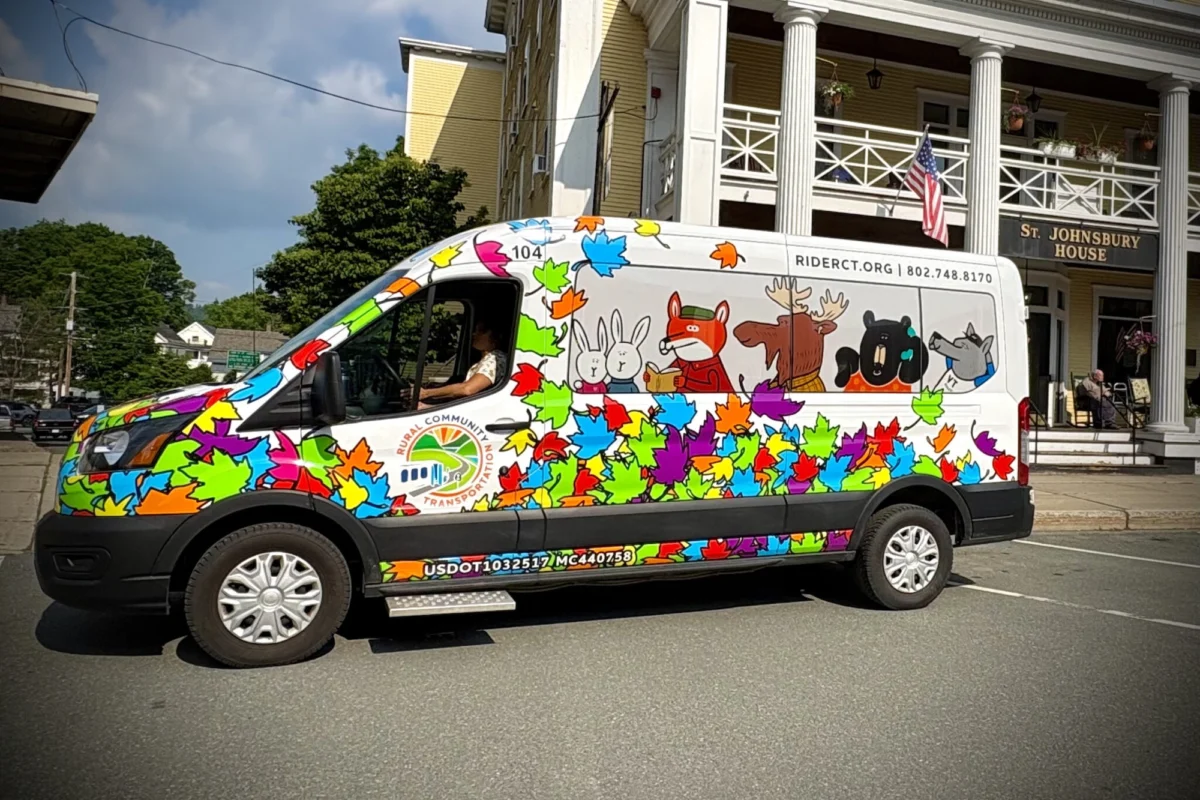
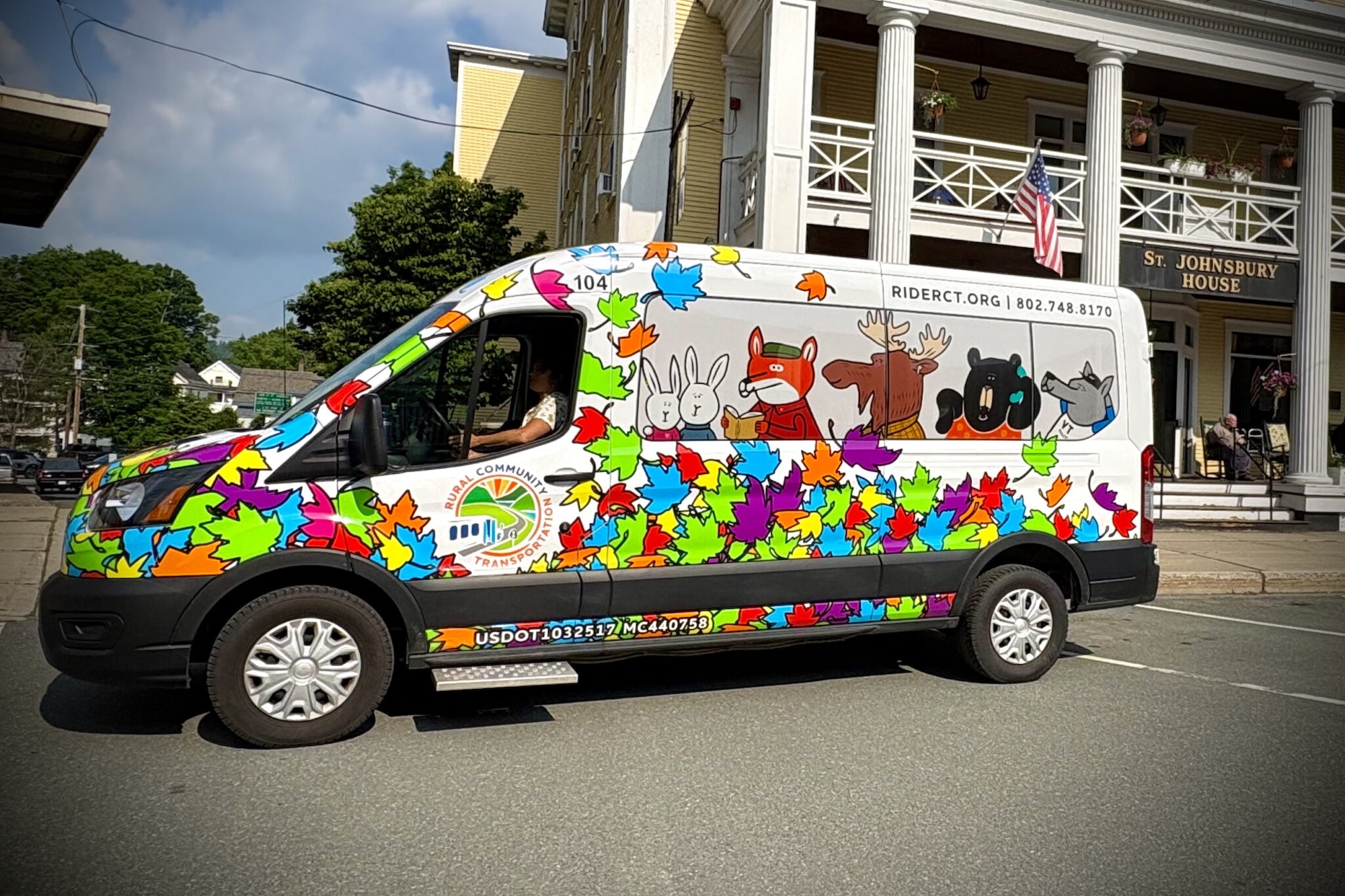
In Northern Vermont, the nonprofit Rural Community Transportation (RCT) has pioneered a fare-free microtransit model across two counties. What makes the Vermont model unique is its reliance on a hybrid workforce. While the agency operates a fleet of vans, it also utilizes volunteer drivers who use their personal vehicles to fulfill requests. This "community-powered" approach helps mitigate the high overhead costs of maintaining a full professional fleet. According to RCT’s 2025 annual report, microtransit and point-to-point medical transport now constitute nearly 75 percent of the agency’s total rides. In Newport, a town of just 4,400 people, the expansion of microtransit services led to a monthly ridership increase of 200 people, proving that demand exists even in the smallest populations.
Virginia’s Pilot-to-Permanent Transition
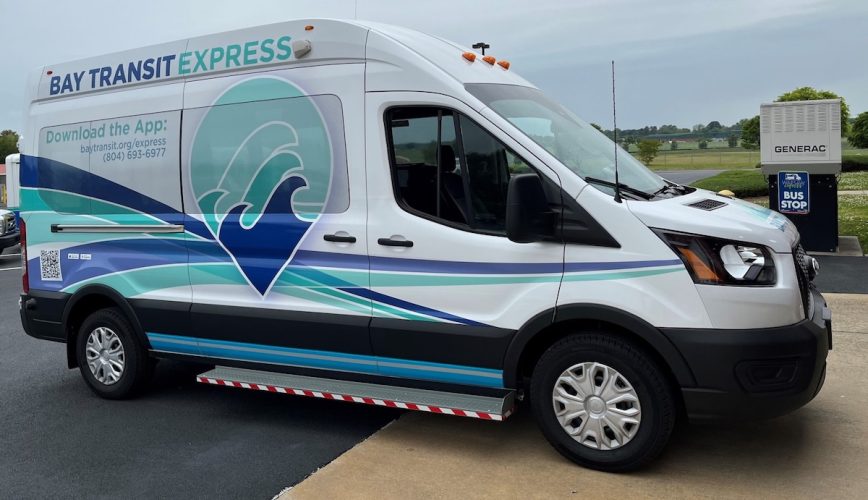
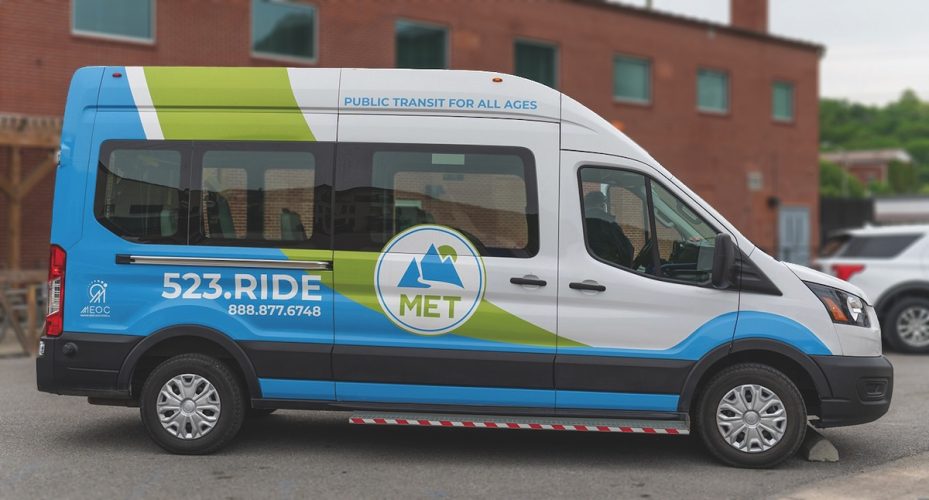
The Virginia Department of Rail and Public Transportation (DRPT) recently concluded a high-profile 18-month pilot program that has since transitioned into a permanent fixture. Agencies like Bay Transit and Mountain Empire Transit now provide on-demand rides across more than 10 rural counties. During the pilot phase alone, the service facilitated over 48,000 trips. Data suggested a high level of "power users," with the majority of riders utilizing the service multiple times per week for daily chores and employment. The success in Virginia is often attributed to the "zone-based" approach, which limits the distance a single van travels, thereby keeping wait times low and vehicle utility high.
Washington State’s HarborFlex
On the West Coast, Grays Harbor County in Washington operates HarborFlex. This program targets areas where traditional bus routes were discontinued due to low density. By offering the service for free, the county has seen a surge in usage among seniors attending community events and patients seeking specialized medical treatment that would otherwise require an expensive private taxi or a long, difficult walk to a distant bus stop.
The Economic Challenge: Why 40% of Programs Fail
Despite the social benefits, the financial reality of microtransit is sobering. Research published in ScienceDirect in 2020 and updated through 2024 reveals a high mortality rate for these programs. Approximately 40 percent of microtransit initiatives fail before their third year, and that number climbs to 50 percent by the seven-year mark.
The primary culprit is the "cost-per-trip" metric. In a dense city, a microtransit van might pick up five passengers on a single three-mile loop. In a rural setting, a van might drive 15 miles to pick up one passenger and another 15 miles to drop them off, often returning to the base empty. This phenomenon, known as "deadheading," creates an astronomical cost-per-rider that many small-town budgets cannot sustain.
A 2026 study of rural microtransit in California highlighted that the most expensive programs are those with the highest flexibility. When a service allows a rider to go "anywhere to anywhere" within a large zone, the efficiency of the vehicle plummets. In contrast, "corridor-based" microtransit, which restricts pickups and drop-offs to a specific set of high-traffic points or a narrower geographic spine, tends to be more fiscally resilient.
Strategic Analysis: The Shift Toward Hybrid Models
To combat the high failure rates, transportation experts are advocating for a shift in how microtransit is designed. A 2025 study from the University of California Berkeley’s Transportation Sustainability Research Center suggests that the future of rural transit may not be "pure" on-demand service, but rather a hybrid model.
Researchers suggest that instead of bringing riders from any point A to any point B, agencies should implement "virtual stops." These are set locations—perhaps a local post office, a specific general store, or a prominent street corner—where riders congregate. By clustering pickups, the software can optimize routes more effectively, reducing the mileage and fuel consumption per passenger.
Furthermore, the integration of electric vehicles (EVs) is becoming a critical component of the microtransit strategy. As seen in Vermont, the use of electric passenger vans can significantly lower long-term maintenance and fuel costs, though the initial capital investment remains a hurdle. Federal grants, such as those provided through the Bipartisan Infrastructure Law, have been instrumental in helping rural agencies purchase these cleaner, more cost-effective vehicles.
Redefining Success Beyond the Balance Sheet
The debate over microtransit often pits "efficiency" against "equity." If a program is judged solely on its ability to break even or show a low cost-per-trip, most rural programs would be shut down immediately. However, proponents argue that public transit should be viewed as a public utility, similar to water or electricity, rather than a profit-seeking business.
Advocates suggest that the success of a microtransit program should be measured by:
- Healthcare Savings: Does the transit program reduce the number of missed medical appointments, thereby lowering the long-term cost of emergency room visits?
- Economic Mobility: Does it allow residents without cars to hold down steady jobs, increasing the local tax base?
- Safety: Does it reduce the number of elderly drivers on the road who may no longer be fit to drive, or decrease instances of driving under the influence in areas with no other late-night options?
The Future Outlook
As transit agencies across the United States face a "fiscal cliff" due to the sunsetting of pandemic-era federal relief funds, the future of rural microtransit remains uncertain. The survival of these programs will likely depend on their ability to secure diversified funding—combining state transit grants, federal infrastructure funds, and partnerships with local healthcare providers who have a vested interest in getting patients to their clinics.
While technology has made microtransit possible, it is local community support and creative routing that will make it permanent. Each community must determine its own "threshold of value"—deciding how much they are willing to invest to ensure that no resident, regardless of how far they live from the city center, is left behind in a world that is increasingly defined by mobility. For the senior in Newport, Vermont, or the worker in Tappahannock, Virginia, these colorful vans are more than just a convenience; they are a lifeline to a broader world.
