

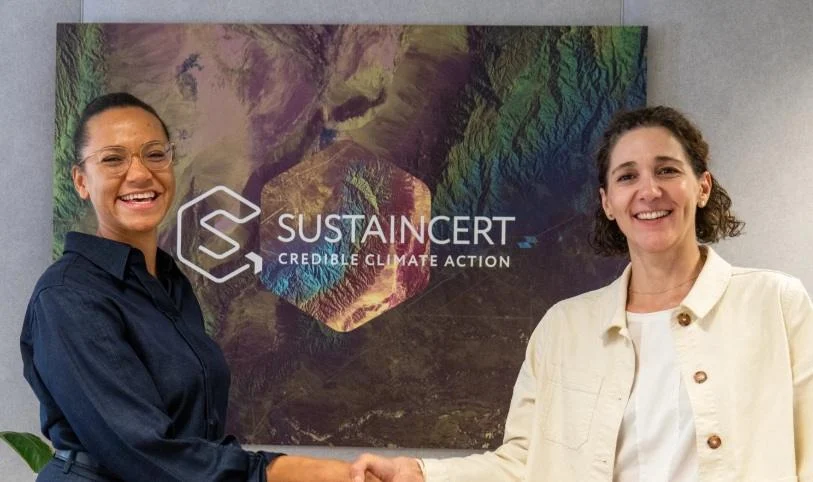
In a strategic move that signals a significant consolidation within the global environmental, social, and governance (ESG) services sector, the Germany-headquartered testing, certification, auditing, and advisory giant TÜV SÜD has officially announced the acquisition of SustainCERT, a leading climate impact verification platform based in Luxembourg. This acquisition, finalized in late July 2026, marks a pivotal expansion of TÜV SÜD’s digital capabilities, specifically targeting the burgeoning carbon market and the complex landscape of Scope 3 emission reductions. By integrating SustainCERT’s advanced digital Measurement, Reporting, and Verification (dMRV) technology, TÜV SÜD aims to address the critical industry need for transparency, speed, and scientific rigor in climate claims.
The Strategic Alignment of Two Industry Leaders
The acquisition brings together two entities with distinct but highly complementary profiles. TÜV SÜD, an organization with over 150 years of history in technical safety and quality assurance, has spent the last two decades positioning itself as a cornerstone of the global transition to a low-carbon economy. With more than 26,000 employees and a presence in over 1,000 locations worldwide, the group provides the scale and multi-sectoral expertise necessary to validate complex industrial and environmental projects.
SustainCERT, conversely, represents the new vanguard of climate technology. Founded in 2018 by the Gold Standard Foundation, SustainCERT was initially established as the official certification body for Gold Standard projects. However, it quickly evolved into an independent powerhouse, specializing in the verification of climate impacts across voluntary carbon markets and corporate value chains. SustainCERT’s primary value proposition lies in its digital-first approach, which replaces traditionally slow, manual auditing processes with automated, data-driven systems.
The integration of these two organizations is intended to create a seamless "one-stop-shop" for companies navigating the increasingly regulated waters of carbon accounting. As governments worldwide implement stricter disclosure requirements, the demand for third-party verification that is both credible and scalable has never been higher.
Background: The Rapid Evolution of Carbon Markets
To understand the significance of this acquisition, one must look at the broader context of the global carbon markets. Historically, these markets have been bifurcated into compliance markets—such as the European Union Emissions Trading System (EU ETS)—and voluntary carbon markets (VCM), where corporations purchase credits to offset their residual emissions.
In recent years, the VCM has faced intense scrutiny. Reports of "phantom credits" and over-inflated impact claims have led to a crisis of confidence, prompting the formation of bodies like the Integrity Council for the Voluntary Carbon Market (ICVCM). These organizations have called for higher standards of "additionality" and "permanence." Simultaneously, the regulatory landscape has shifted. The European Union’s Corporate Sustainability Reporting Directive (CSRD) and the Securities and Exchange Commission’s (SEC) climate disclosure rules in the United States are forcing companies to move beyond vague sustainability marketing toward audited financial-grade climate data.
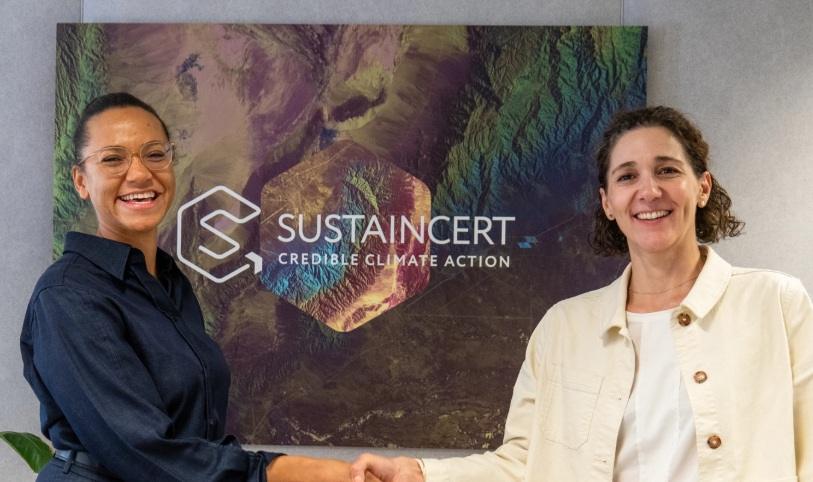
TÜV SÜD’s acquisition of SustainCERT is a direct response to these market pressures. By acquiring a platform that specializes in digital verification, TÜV SÜD is betting on a future where climate audits are continuous and data-integrated, rather than periodic and paper-based.
The Role of Digital Measurement, Reporting, and Verification (dMRV)
At the heart of SustainCERT’s technology is its dMRV platform. Traditional MRV processes often involve manual data collection, physical site visits, and months of administrative review. This lag time creates significant bottlenecks for project developers who need to issue credits to fund their operations, and for corporations that need to report their annual progress toward Net Zero.
SustainCERT’s dMRV solutions utilize satellite imagery, IoT sensors, and advanced algorithms to monitor projects in real-time. For instance, in a reforestation project, digital tools can track canopy growth and biomass accumulation with high precision, providing immediate alerts if a portion of the forest is lost to fire or logging. This level of granularity ensures that the resulting carbon credits are backed by verifiable, up-to-date evidence.
Furthermore, dMRV reduces the margin for human error and the potential for data manipulation. By creating an immutable digital trail of climate impact, TÜV SÜD and SustainCERT can offer their clients a higher level of assurance, which is essential for maintaining investor confidence and avoiding accusations of "greenwashing."
Addressing the Scope 3 Challenge in Key Sectors
One of the most complex hurdles for modern corporations is the management of Scope 3 emissions—those that occur in the value chain, including both upstream and downstream activities. For companies in the apparel, food, and agriculture sectors, Scope 3 often accounts for more than 90% of their total carbon footprint.
SustainCERT has developed specific "Value Chain Solutions" designed to tackle this complexity. These tools allow companies to verify decarbonization interventions directly within their supply chains. For example, a global food conglomerate might work with its network of thousands of smallholder farmers to implement regenerative agriculture practices. SustainCERT’s platform enables the company to track the resulting soil carbon sequestration across diverse geographies, ensuring that the impact is accurately measured and not "double-counted" by multiple actors in the supply chain.
By incorporating these solutions, TÜV SÜD expands its reach into the operational heart of its clients’ businesses. The acquisition allows TÜV SÜD to move beyond certifying a single factory or product and instead provide a holistic verification of an entire global supply chain’s climate trajectory.

Chronology of the Acquisition and Institutional Growth
The journey toward this merger began shortly after SustainCERT’s spin-off from the Gold Standard. Since 2018, SustainCERT has undergone rapid growth, fueled by the increasing corporate appetite for credible ESG data.
- 2018: SustainCERT is founded by the Gold Standard Foundation to bring technology-led scaling to the certification of carbon credits.
- 2021-2023: SustainCERT secures significant Series A and Series B funding rounds, attracting investors interested in the intersection of fintech and climate tech. During this period, the company launches its first dedicated digital platform for Scope 3 emissions.
- 2024-2025: The company expands its partnerships with major multinational corporations in the FMCG (Fast-Moving Consumer Goods) sector, proving the scalability of its dMRV approach.
- Early 2026: TÜV SÜD initiates negotiations to acquire SustainCERT as part of its "Strategy 2030" initiative, which prioritizes digitalization and sustainability as the two core pillars of its future growth.
- July 27, 2026: The official announcement of the acquisition is made, signaling the integration of SustainCERT into TÜV SÜD’s Sustainability Business Unit.
Official Responses and Leadership Vision
The leadership of both organizations has emphasized that this deal is more than a mere financial transaction; it is a merger of expertise and mission.
Dr. Céline Bilolo, Chief Sustainability Officer and Head of the Sustainability Business Unit at TÜV SÜD, highlighted the evolving nature of the sector. "Carbon markets are evolving into a globally regulated system with increasing demand for high-quality, verified emission reductions," she stated. "With more than two decades of experience in emissions verification across both regulated and voluntary markets, TÜV SÜD brings deep assurance expertise. SustainCERT complements this with a unique combination of accredited verification capabilities and advanced digital MRV technology."
Marion Verles, CEO of SustainCERT, echoed this sentiment, focusing on the need for global scale. "Digital leadership combined with global scale is essential to unlock the next chapter of climate verification," Verles said. "By joining forces with TÜV SÜD, we now have the reach, expertise and resources to bring this vision to customers around the world."
Industry Implications and Broader Impact
The acquisition is expected to have several long-term implications for the TIC (Testing, Inspection, and Certification) industry and the broader climate finance ecosystem:
- Standardization of Digital Audits: As a major player like TÜV SÜD adopts dMRV, it sets a precedent for the entire industry. Competitors are likely to follow suit, accelerating the transition away from paper-based auditing.
- Lowering the Cost of Entry: By automating parts of the verification process, the cost of certifying climate projects could decrease. This makes it more feasible for smaller-scale projects—such as community-led conservation in developing nations—to access global carbon markets.
- Enhanced Regulatory Compliance: With the EU’s CSRD requiring limited and eventually reasonable assurance on sustainability reports, the combined expertise of TÜV SÜD and SustainCERT provides a robust framework for companies to meet these legal obligations.
- Market Consolidation: This deal may trigger a wave of acquisitions in the ESG space, as traditional auditing firms seek to "buy" the technological capabilities they currently lack.
Conclusion: A New Era for Climate Assurance
The acquisition of SustainCERT by TÜV SÜD represents a maturation of the climate services market. It reflects a shift from an era of experimentation to one of institutionalized, data-driven accountability. As the world races to meet the 1.5°C target set by the Paris Agreement, the ability to accurately measure and verify every ton of carbon removed or avoided becomes the "currency" of the new economy.
By merging the heritage and global footprint of TÜV SÜD with the innovative digital spirit of SustainCERT, the combined entity is positioned to lead the charge in making climate action measurable, reportable, and, most importantly, verifiable on a global scale. For businesses, this means more reliable tools to manage their transition; for investors, it means higher quality data to assess risk; and for the planet, it means a more honest accounting of the progress being made toward a sustainable future.
