

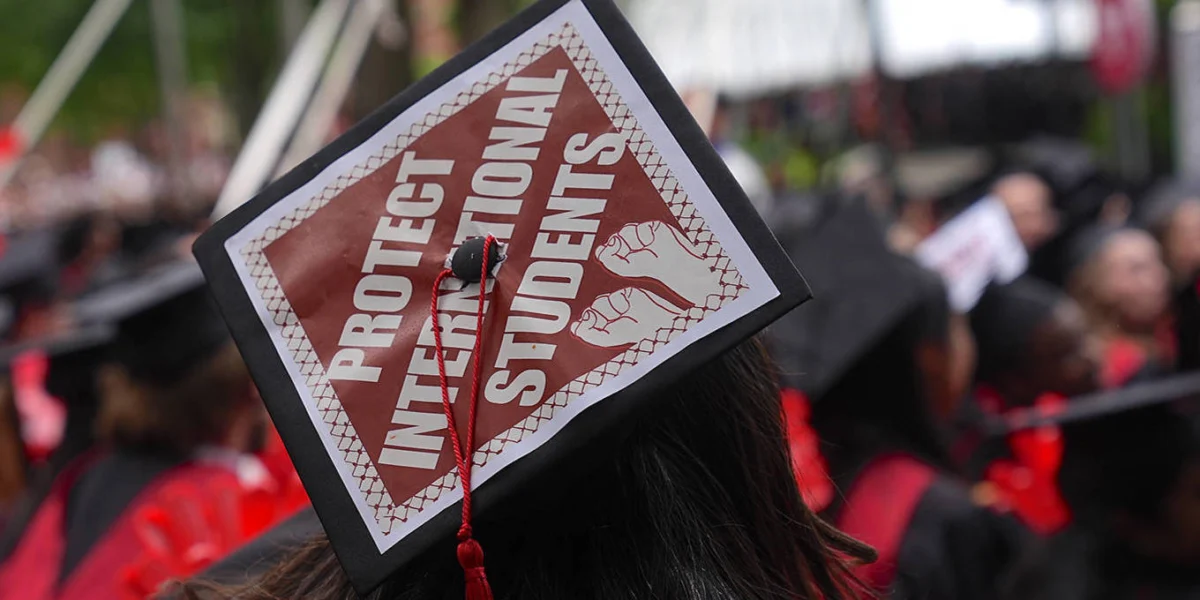
For generations, the United States distinguished itself not simply by its wealth or military power, but by offering ambitious people born in other countries the chance to overcome the birthplace lottery. Unfortunately, the Trump administration’s new visa policy for international students, though billed as merely a technical administrative change, signals a gradual retreat from this defining ideal. Viewed in isolation, this more restrictive student-visa policy may seem modest. But as part of a broader retreat from openness, it signals that the country once known for offering ambitious outsiders a chance to transform their lives is less willing to do so.
Background: The Shifting Landscape of International Education in the U.S.
The United States has long been a premier destination for international students, attracting talent and fostering innovation through its world-class educational institutions. These students, in turn, contribute significantly to the American economy and academic landscape. They fill critical roles in research and development, often leading to the creation of new businesses and technologies. Furthermore, their presence enriches the cultural fabric of university campuses and communities across the nation.
The F-1 visa, the primary visa category for academic students, has historically been a gateway for individuals seeking higher education in the U.S. The regulations governing these visas have evolved over time, often in response to perceived national security concerns, economic conditions, and shifts in immigration policy. The current policy change by the Trump administration represents a notable departure from a more welcoming stance, reflecting a broader nationalistic sentiment that prioritizes domestic interests and security above the traditional embrace of global talent.
The New Policy: A Closer Examination
The final rule issued by the Department of Homeland Security (DHS) on July 16, 2026, introduces a series of changes aimed at tightening the oversight of foreign student visas. While officially framed as measures to "end foreign student visa abuse" and protect national security, critics argue that the new regulations create significant hurdles for legitimate international students and scholars. Key provisions of the policy include:
- Increased Scrutiny of Academic Programs: The policy introduces stricter requirements for verifying the academic rigor and bona fide nature of educational programs that admit international students. This includes a more intensive review of curriculum, faculty qualifications, and student progress. Institutions found to be non-compliant face potential sanctions, including the loss of their ability to admit foreign students.
- Enhanced Enforcement of Visa Terms: The rule strengthens the enforcement mechanisms for ensuring that international students adhere to the terms of their visas. This includes more frequent and rigorous monitoring of student status, academic performance, and any authorized work or internships. Unauthorized employment or a significant drop in academic standing can lead to immediate visa revocation.
- Restrictions on Optional Practical Training (OPT): The Optional Practical Training program, which allows international students to gain work experience in their field of study after graduation, is subject to new limitations. The policy introduces stricter eligibility criteria and a more competitive application process, potentially reducing the number of students who can benefit from this crucial post-graduation opportunity.
- Expanded Definition of "Abuse": The definition of what constitutes "visa abuse" has been broadened, encompassing a wider range of activities that could be deemed violations of visa terms. This includes more aggressive interpretations of academic irregularities and unauthorized employment.
Timeline of Developments
The announcement of the final rule on July 16, 2026, is the culmination of a period of heightened debate and policy review concerning international student visas. While the specific details of the rule were released recently, the underlying sentiment and policy direction have been developing over several years.
- Early 2020s: Initial discussions and internal reviews within DHS regarding the integrity of the F-1 visa program gain momentum. Reports of potential misuse and concerns about national security begin to surface in policy circles.
- Mid-2020s: The Trump administration signals an intent to revise immigration policies broadly, with a particular focus on areas perceived to be exploited by foreign nationals. The student visa program becomes a target for closer examination.
- Late 2025: A Notice of Proposed Rulemaking (NPRM) is published, outlining the administration’s intentions to modify the F-1 visa regulations. This sparks widespread concern and a surge of public comments from educational institutions, student advocacy groups, and international students themselves.
- Early 2026: The public comment period for the NPRM concludes. DHS reviews the feedback, leading to revisions and the finalization of the rule.
- July 16, 2026: The Department of Homeland Security officially publishes the final rule on its website, with an effective date to be announced.
Supporting Data and Economic Impact
The economic contribution of international students to the U.S. economy is substantial. According to data from the U.S. Department of Commerce and the Institute of International Education (IIE), international students and their dependents supported an estimated 500,000 jobs in the United States during the 2022-2023 academic year and contributed more than $40 billion to the U.S. economy.
- Tuition Revenue: International students often pay full tuition, which can be a vital revenue stream for many U.S. universities, particularly for graduate programs and research initiatives. This revenue helps subsidize educational opportunities for domestic students and supports faculty salaries and infrastructure development.
- Consumer Spending: Beyond tuition, international students contribute to the economy through their spending on housing, food, transportation, and retail goods and services in their local communities.
- Innovation and Entrepreneurship: A significant percentage of U.S. patents and start-up companies have been founded by immigrants and international graduates. The new visa policy could potentially limit the pipeline of these future innovators and entrepreneurs. For example, a study by the National Foundation for American Policy found that a majority of the top 100 U.S. tech companies were founded by immigrants or their children.
The restrictive nature of the new policy risks diminishing these economic benefits. If fewer international students choose the U.S. for their studies, universities could face financial strains, and communities could see a reduction in consumer spending and economic activity.
Reactions from Stakeholders
The announcement of the new policy has elicited strong reactions from various stakeholders:
- University Leaders: Many university presidents and administrators have expressed deep concern. They argue that the policy will harm academic institutions by reducing enrollment, particularly in specialized graduate programs that rely on international talent. Dr. Evelyn Reed, President of the Association of American Universities, stated, "This policy threatens to undermine the very foundations of American academic excellence and global leadership. Our universities thrive on diversity of thought and talent, and these new regulations erect unnecessary barriers."
- Student Advocacy Groups: Organizations representing international students and their allies have condemned the policy as discriminatory and counterproductive. "This is not about visa abuse; it’s about an administration that is actively working to close America’s doors to the world," said Maria Sanchez, spokesperson for the International Students United advocacy group. "We are seeing talented individuals reconsidering the U.S. as a destination, opting instead for countries with more welcoming immigration policies."
- Business and Technology Sectors: Leaders in the technology and innovation sectors have also voiced their opposition, warning that the policy could stifle American competitiveness. "Our ability to attract and retain the brightest minds from around the globe is crucial for our continued leadership in innovation," commented John Chen, CEO of a prominent Silicon Valley firm. "This policy sends the wrong signal and could drive vital talent to our global competitors."
- Government Officials: While the Department of Homeland Security maintains that the policy is a necessary measure to protect national security and the integrity of the immigration system, some lawmakers have also raised questions. Senator Anya Sharma, a member of the Senate Judiciary Committee, commented, "While we must ensure the security of our borders and the integrity of our visa programs, we must also be mindful of the immense contributions international students make to our economy and our intellectual landscape. A balance must be struck."
Broader Implications and Analysis
The restrictive student visa policy is more than just an administrative change; it is a symbolic shift that signals a broader ideological departure from the traditional American ethos of openness and opportunity.
- Impact on Global Competitiveness: By making it more difficult for international students to study and potentially work in the U.S., the country risks ceding its position as a global hub for talent and innovation. Countries like Canada, the United Kingdom, and Australia have been actively working to attract international students and skilled workers, and this policy could accelerate that trend.
- Erosion of Soft Power: The U.S. has historically leveraged its educational institutions as a powerful tool of "soft power," fostering goodwill and positive perceptions abroad. Restricting access to these institutions can diminish this influence and potentially lead to increased anti-American sentiment.
- Human Capital Development: International students often return to their home countries with advanced degrees and valuable skills, contributing to the development of their nations. By limiting their presence, the U.S. may be limiting its long-term influence and potential for collaboration with these emerging economies.
- Symbolic Retreat: The policy represents a retreat from the idea that the U.S. is a land of opportunity for ambitious individuals worldwide. This could have a chilling effect on aspiring scholars and entrepreneurs, leading them to seek opportunities elsewhere. The narrative of America as a beacon of hope and a place where individuals can overcome the limitations of their birth circumstances is being subtly undermined.
The long-term consequences of this policy will likely unfold over years, impacting not only the American educational landscape but also its global standing in science, technology, and economic development. The debate over national security and immigration control is a complex one, but the current policy appears to prioritize perceived risks over the demonstrable benefits of a diverse and globally connected academic community. The United States has long prided itself on being a nation that welcomes talent and fosters ingenuity, and this new policy marks a significant departure from that legacy, raising questions about the country’s future role in the global arena.
