

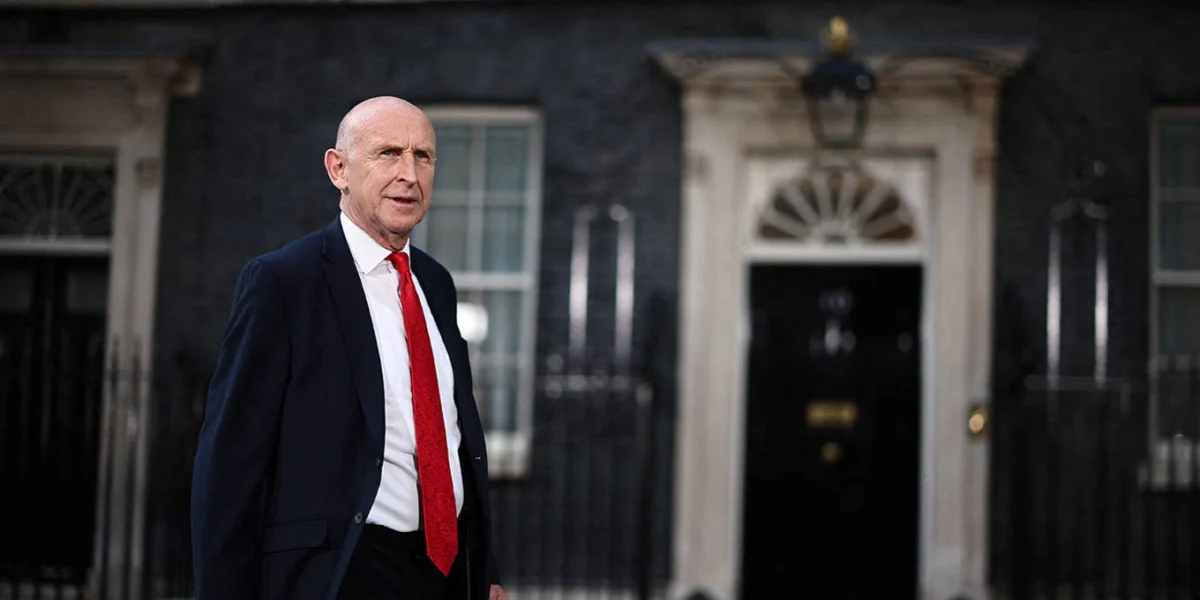
The United Kingdom’s new Prime Minister, Andy Burnham, has initiated his tenure with a bold and unexpected decision, appointing John Healey, a former Secretary of State for Defence, as the new Chancellor of the Exchequer. This move, defying prevailing political forecasts and market expectations, signals a potentially significant shift in the UK’s economic strategy. Healey’s appointment, according to analyst Mohamed A. El-Erian, represents a calculated risk, contingent on his ability to harness his insider Treasury knowledge, champion a pro-growth agenda, and effectively manage his past inclinations towards defense spending. The success of this appointment could prove pivotal in delivering the structural economic reform the nation urgently requires.
The Unexpected Appointment and its Immediate Repercussions
Prime Minister Andy Burnham’s decision to place John Healey at the helm of the Treasury has sent ripples of surprise through Westminster and financial markets alike. Healey, known for his tenure at the Ministry of Defence, brings a different profile to the economic leadership than typically expected for the Chancellor’s office. This unconventional choice has immediately ignited debate about the government’s economic priorities and its approach to navigating the complex fiscal landscape facing the UK.
The immediate aftermath of the announcement saw a muted reaction from financial markets, largely due to the unexpected nature of the appointment and the absence of detailed policy pronouncements from the new Chancellor. However, analysts are keenly observing for any signals of Healey’s economic philosophy. His past roles suggest a familiarity with large-scale budgetary allocations and strategic planning, but the specific nuances of fiscal and monetary policy will be under intense scrutiny.
Background: The Economic Landscape of the UK
The United Kingdom is currently grappling with a multifaceted economic challenge. Persistent inflation, though showing signs of moderation, continues to erode purchasing power. Growth forecasts for the coming years remain subdued, with many international bodies predicting a period of slower expansion compared to pre-pandemic levels. Key concerns include:
- Inflationary Pressures: While the Bank of England has implemented interest rate hikes to combat rising prices, inflation remains a significant concern for households and businesses. The Consumer Price Index (CPI) has fluctuated, with recent data indicating a slight dip from its peak but still above the 2% target.
- Productivity Growth: The UK has historically faced challenges with productivity growth, a critical determinant of long-term economic prosperity and wage increases. Addressing this requires structural reforms in areas such as skills development, innovation, and infrastructure investment.
- Public Finances: The national debt has risen significantly in recent years, exacerbated by pandemic-related spending. The new government faces the delicate task of balancing fiscal consolidation with the need for public investment and support for vital services.
- Global Economic Uncertainty: The UK economy is not isolated from global headwinds, including geopolitical tensions, supply chain disruptions, and the economic slowdown in major trading partners.
John Healey’s Career Trajectory and Potential Economic Impact
John Healey’s political career has been marked by significant roles within the Labour Party. Prior to his appointment as Chancellor, his most prominent position was as Secretary of State for Defence. This experience, while not directly economic in nature, would have provided him with an intimate understanding of government budgeting, strategic resource allocation, and the complexities of managing large public sector departments.
His potential to leverage "insider knowledge of the Treasury" suggests that he may have a deep understanding of its operational mechanisms, its historical policy decisions, and the expertise within its civil service. This could enable him to navigate bureaucratic hurdles and implement policy changes more efficiently.
The emphasis on a "bold, pro-growth agenda" is particularly noteworthy. This implies a departure from potentially more cautious fiscal approaches and a focus on stimulating economic activity. Such an agenda could encompass a range of policies, including:
- Tax Incentives for Investment: Lowering corporate tax rates or offering targeted tax credits to encourage business investment in research and development, capital expenditure, and job creation.
- Infrastructure Projects: Accelerating investment in critical infrastructure, such as transportation networks, digital connectivity, and green energy projects, which can boost productivity and create employment.
- Skills and Education Reform: Investing in vocational training, apprenticeships, and higher education to equip the workforce with the skills demanded by a modern economy.
- Trade and Export Promotion: Implementing policies to support UK businesses in accessing international markets and increasing export volumes.
The mention of "managing his defense-spending instincts" is a crucial caveat. During his tenure as Defence Secretary, Healey would have been responsible for overseeing a substantial budget. The challenge for him as Chancellor will be to balance necessary defense expenditures with the broader economic needs of the nation, ensuring that defense spending is efficient and does not unduly crowd out other vital public investments. A significant reallocation of resources away from defense towards economic stimulus or public services could be a hallmark of his Chancellorship.
Chronology of Key Events
- Recent Past: Previous government faced persistent economic challenges including high inflation and slow growth.
- Recent Election: Andy Burnham’s Labour Party secured a significant victory in the general election.
- Appointment of Chancellor: Prime Minister Andy Burnham names John Healey as the new Chancellor of the Exchequer, a surprise move.
- Market Reaction: Initial cautious observation from financial markets pending further policy details.
- Upcoming Period: The new Chancellor is expected to outline his economic vision and policy priorities in the coming weeks, likely with a significant fiscal statement or budget.
Supporting Data and Economic Indicators
To understand the context of Healey’s appointment, examining recent economic data provides crucial insight:
- GDP Growth: Recent ONS data indicates that UK GDP growth has been sluggish, hovering around 0.2% quarter-on-quarter in the latest available figures. Projections from the Office for Budget Responsibility (OBR) suggest a modest upward trend but remain below historical averages.
- Inflation: The CPI rate, while having fallen from its peak of over 11%, remains above the Bank of England’s 2% target, currently reported at approximately 3.5%. Core inflation, excluding volatile energy and food prices, has shown more persistence.
- Unemployment Rate: The UK unemployment rate has remained relatively low, currently around 4.3%, indicating a tight labor market, though this can contribute to wage pressures.
- Public Debt: The UK’s national debt-to-GDP ratio stands at approximately 98%, a level that necessitates careful fiscal management.
- Interest Rates: The Bank of England’s base interest rate has been elevated to curb inflation, currently at 5.25%, impacting borrowing costs for businesses and individuals.
Potential Reactions and Analyses
From the Opposition: The Conservative Party, now in opposition, is likely to scrutinize Healey’s every move. They may question his economic credentials and the wisdom of appointing a former Defence Secretary to such a critical economic role. Expect pronouncements emphasizing fiscal responsibility and warnings against excessive spending.
From Business Leaders: The Confederation of British Industry (CBI) and other business groups will be looking for clarity on the government’s plans to foster investment and growth. They will likely call for policies that reduce regulatory burdens, support innovation, and ensure a stable economic environment. Their statements will be crucial in gauging the immediate business sentiment.
From Trade Unions: Unions will be keen to see policies that support workers, such as measures to address the cost of living crisis, improve real wages, and invest in public services. Their response will likely be contingent on the government’s stance on issues like minimum wage, public sector pay, and employment rights.
From Economic Think Tanks: Independent think tanks like the Institute for Fiscal Studies (IFS) and the Resolution Foundation will provide objective analyses of Healey’s proposed policies, assessing their impact on public finances, income inequality, and economic growth. Their reports will be vital for informed public debate.
Broader Impact and Implications
John Healey’s appointment as Chancellor of the Exchequer carries significant implications for the UK’s economic future. If he successfully implements a robust pro-growth strategy, it could lead to:
- Renewed Economic Confidence: A clear and effective economic plan could boost investor confidence, encouraging both domestic and foreign investment.
- Job Creation and Wage Growth: Policies aimed at stimulating growth and productivity are likely to translate into more job opportunities and potentially higher real wages for workers.
- Fiscal Stability: A successful strategy that balances growth with fiscal prudence could help to manage the national debt and ensure long-term economic sustainability.
- Structural Reforms: Healey’s tenure offers an opportunity to implement deep-seated structural reforms that address the UK’s long-standing economic challenges, such as the productivity puzzle.
Conversely, if the "calculated risk" does not pay off, the UK could face:
- Stagnant Growth and Persistent Inflation: A failure to ignite growth could leave the country vulnerable to ongoing inflationary pressures and a prolonged period of economic malaise.
- Fiscal Difficulties: Ineffective fiscal management could exacerbate the national debt and limit the government’s ability to fund essential public services.
- Loss of Investor Confidence: A perception of economic mismanagement could deter investment and further weaken the pound.
The success of John Healey’s Chancellorship will undoubtedly be a defining factor in Prime Minister Andy Burnham’s premiership and the UK’s economic trajectory in the coming years. The nation watches with anticipation as the new administration embarks on its mission to reshape the economic landscape.
