

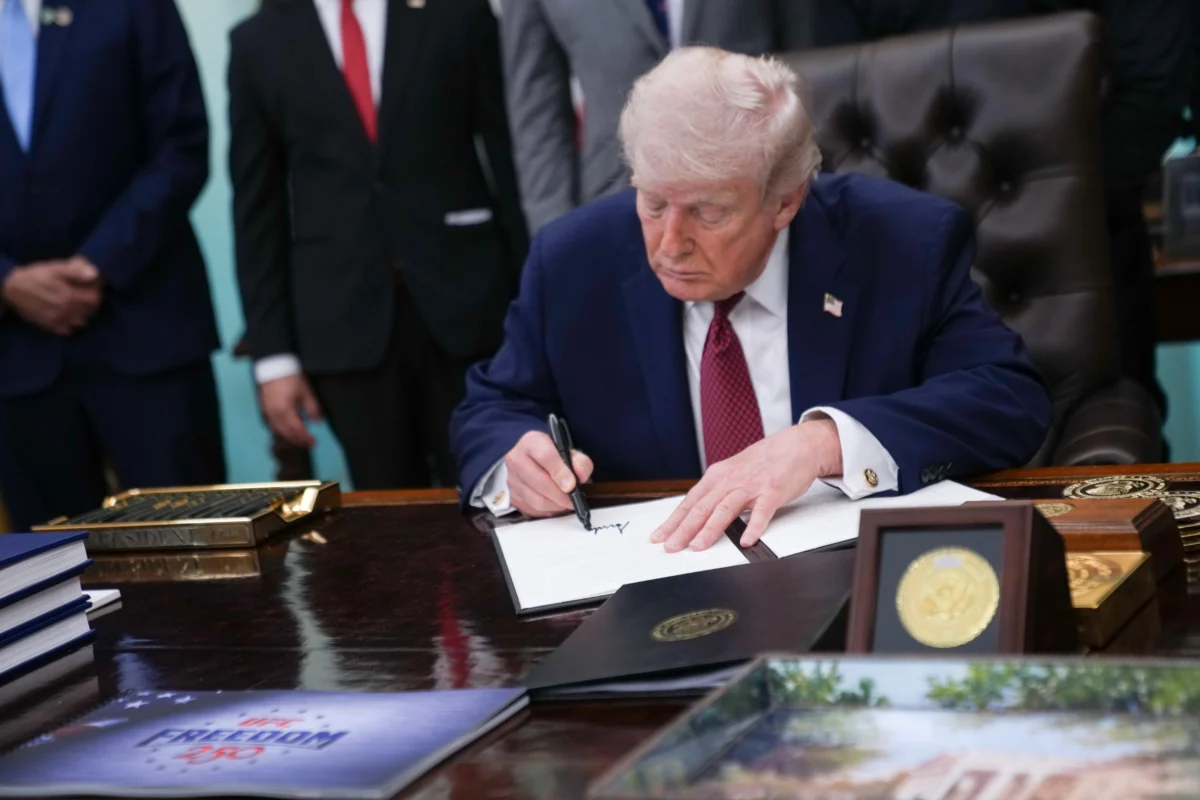
Washington D.C. – President Donald Trump has signed an executive order mandating research into the potential medical applications of psychedelic drugs for veterans, a significant step towards exploring alternative treatments for conditions such as post-traumatic stress disorder (PTSD) and depression. The order, signed on Saturday, April 18, 2026, in the Oval Office, directs federal agencies to investigate the efficacy and safety of substances like psilocybin, MDMA, and ketamine in therapeutic settings. This initiative marks a notable shift in federal policy, acknowledging growing scientific interest and anecdotal evidence surrounding the therapeutic benefits of these compounds.
The executive order, a product of increasing pressure from veteran advocacy groups and a growing body of scientific research, aims to bridge the gap between emerging clinical findings and established treatment protocols. For years, veterans have grappled with the psychological toll of service, with traditional therapies and medications often yielding limited success for severe cases of PTSD, traumatic brain injury (TBI), and related mental health challenges. The administration’s move signals a willingness to consider unconventional approaches that could offer new hope to those suffering from invisible wounds.
A Growing Body of Evidence Spurs Policy Shift
The scientific community has witnessed a resurgence of interest in psychedelics since the mid-2010s, moving beyond the counterculture associations of the 1960s and 70s. Rigorous clinical trials, particularly those funded by private institutions and some academic centers, have demonstrated promising results. Studies have indicated that psychedelic-assisted therapy, often involving carefully controlled doses administered in a therapeutic environment with trained facilitators, can lead to significant and lasting reductions in symptoms of PTSD, anxiety, and depression.
For instance, ongoing research has shown that MDMA-assisted therapy can help individuals process traumatic memories in a less emotionally overwhelming way, leading to profound healing. Similarly, psilocybin, the active compound in magic mushrooms, has shown potential in treating depression and end-of-life anxiety by promoting neuroplasticity and fostering new perspectives. Ketamine, already an approved anesthetic, has been repurposed in low doses as an antidepressant, demonstrating rapid relief for many patients.
The executive order directs the Department of Veterans Affairs (VA) to collaborate with the National Institutes of Health (NIH) and other relevant federal bodies to:
- Establish research protocols: Develop standardized guidelines for conducting clinical trials on psychedelic substances for veteran populations.
- Fund research initiatives: Allocate resources to support studies investigating the therapeutic potential, optimal dosages, administration methods, and long-term effects of these compounds.
- Assess safety and efficacy: Evaluate the risks and benefits associated with psychedelic-assisted therapy for various mental health conditions prevalent among veterans.
- Explore regulatory pathways: Examine the potential for future approval and integration of these treatments within the VA healthcare system, should research prove conclusive.
This comprehensive approach underscores the administration’s commitment to a science-driven evaluation of these novel therapeutic avenues.
Background: The Long Road to Treatment for Veterans
The challenges faced by veterans in accessing effective mental healthcare are well-documented. The aftermath of prolonged conflicts, particularly in Iraq and Afghanistan, has led to an epidemic of PTSD, with estimates suggesting that as many as 20% of veterans who served in these regions experience PTSD. Many struggle with co-occurring conditions such as depression, anxiety, substance abuse, and TBI.
Traditional treatments, including psychotherapy (like Cognitive Behavioral Therapy and Prolonged Exposure Therapy) and pharmacotherapy (antidepressants and anti-anxiety medications), have been the cornerstone of care. However, these interventions are not universally effective, and a significant portion of veterans do not achieve full remission or experience severe side effects. This has created an urgent need for innovative and more effective treatment options.
The movement towards exploring psychedelics for therapeutic purposes gained momentum in recent years. Advocacy groups, such as the Multidisciplinary Association for Psychedelic Studies (MAPS), have been instrumental in pushing for research and regulatory reform. Their work, alongside that of other non-profit organizations and academic researchers, has helped to destigmatize the study of these compounds and build a compelling case for their clinical utility.
President Trump’s executive order represents a significant political endorsement of these efforts, signaling a willingness to move beyond conventional approaches and embrace potentially groundbreaking therapies for a population that has sacrificed so much.
Broader Implications: A Shift in Pharmaceutical Policy
This executive order on psychedelic research for veterans is set against a backdrop of broader policy initiatives by the Trump administration aimed at reshaping the pharmaceutical landscape in the United States. Notably, the administration has been actively pursuing measures to reduce drug prices and bolster domestic pharmaceutical manufacturing.
In a significant policy announcement earlier this week, President Trump declared that generic drugs imported into the U.S. would be subject to a phased tariff schedule. Starting August 1, these imports will face zero tariffs for two years. However, this grace period will be followed by a substantial 100% levy in August 2028, escalating to 200% a year later. The stated objective of this strategy is to incentivize generic drug manufacturers to establish production facilities within the United States.

Trump articulated this policy on social media, describing the escalating tariffs as a "penalty" for companies that fail to onshore their manufacturing operations within the stipulated grace period. This move directly addresses concerns about the U.S. reliance on overseas pharmaceutical production, particularly for generic medications, which constitute the vast majority of prescriptions filled in the country.
According to Legis1, a congressional intelligence platform, nearly all prescriptions in the U.S. are filled with generic drugs, a significant portion of which originate from overseas manufacturing and involve complex ownership structures. This reliance raises questions about supply chain security and the nation’s capacity to ensure consistent access to essential medicines.
Deborah Elms, head of trade policy at the Hinrich Foundation, commented on this tariff strategy, stating that it underscores President Trump’s goal to reshore low-cost drug production to the U.S. However, Elms also pointed out the inherent complexities and costs associated with establishing pharmaceutical manufacturing in the U.S., noting that a substantial portion of raw materials would still need to be sourced internationally. She expressed skepticism about whether even a 200% tariff would fundamentally alter the economic calculus for many manufacturers.
This tariff initiative on generics complements earlier actions taken by the administration. On April 2, President Trump imposed a 100% tariff on patented pharmaceutical products and their ingredients under Section 232, citing national security concerns. At that time, generic drugs, biosimilars, and related ingredients were exempted. Larger drugmakers were given a 120-day window before the tariff took effect, while smaller manufacturers relying on contract manufacturing had 180 days.
Furthermore, the administration has pursued its "most favored nation" (MFN) pricing policy, which aims to align U.S. drug prices with those in other high-income countries. This policy has led to agreements with over a dozen major pharmaceutical companies, including Eli Lilly, Pfizer, and Novo Nordisk, to lower prices on new and existing medicines. Companies that strike such deals are typically granted tariff exemptions for a specified period, often three years.
Global Impact: India and China in the Crosshairs
The implications of these trade policies extend far beyond U.S. borders, particularly impacting major global pharmaceutical suppliers like India and China. India is a critical supplier of generic medicines to the U.S., with its companies providing nearly 50% of all generic drugs consumed in America. The U.S. market accounts for approximately one-third of India’s pharmaceutical exports.
Chinese firms, meanwhile, dominate the upstream supply of active pharmaceutical ingredients (APIs) – the key chemical components of drugs – such as amoxicillin and heparin. This dual reliance highlights the intricate global web of pharmaceutical production and the potential for significant disruption.
Arpit Chaturvedi, South Asia advisor at Teneo, noted that the newly announced tariffs on generics, even with a two-year reprieve, pose a substantial long-term risk for Indian drugmakers. The pharmaceutical sector is a significant contributor to India’s export earnings, and the full implementation of these tariffs could severely impact the nation’s trade balance.
Chaturvedi also observed that Washington would face considerable challenges in simply replacing India as a supplier. The economics of generic drug manufacturing are often characterized by razor-thin margins. If wholesalers refuse to absorb or pass on the increased costs imposed by tariffs, some manufacturers might find it economically unviable to continue producing certain products, potentially leading to their exit from the market.
The two-year grace period offers a crucial window for diplomatic engagement. New Delhi could leverage these discussions to seek tariff relief, potentially by making corporate investment commitments in the U.S. or other reciprocal trade concessions. With the tariffs scheduled to take effect in 2028, an election year in the U.S., Chaturvedi suggested that India might be hoping for a change in administration or a policy reversal.
In the interim, Chaturvedi anticipates that Indian pharmaceutical companies will intensify their lobbying efforts in Washington, seek approvals from the U.S. Food and Drug Administration (FDA) for expanded manufacturing capabilities, explore contract manufacturing partnerships, and diversify their export markets to mitigate risks associated with over-reliance on the U.S.
Future Outlook and Research Priorities
The executive order on psychedelic research for veterans is a landmark development, opening new avenues for treating debilitating mental health conditions. The success of this initiative will depend on several factors:
- Robust Scientific Research: The quality and rigor of the research conducted will be paramount. Comprehensive studies are needed to establish clear efficacy, identify optimal treatment protocols, and thoroughly assess potential risks and side effects.
- Adequate Funding: The administration’s commitment to allocating sufficient financial resources to support these research endeavors will be critical.
- Interagency Collaboration: Effective coordination between the VA, NIH, FDA, and other relevant agencies will be essential for streamlined research and potential future regulatory approvals.
- Addressing Stigma and Public Perception: Continued efforts will be needed to educate the public and healthcare providers about the therapeutic potential of psychedelics, moving beyond outdated perceptions.
The concurrent focus on pharmaceutical tariffs and domestic production highlights a broader administration strategy to rebalance global trade and strengthen U.S. industrial capacity. The impact of these policies on global supply chains, drug affordability, and international trade relationships will continue to unfold in the coming years. For veterans seeking relief, this executive order represents a tangible step towards exploring novel and potentially life-changing therapeutic options. The coming years will reveal whether these promising research initiatives translate into accessible and effective treatments for those who have served.
