

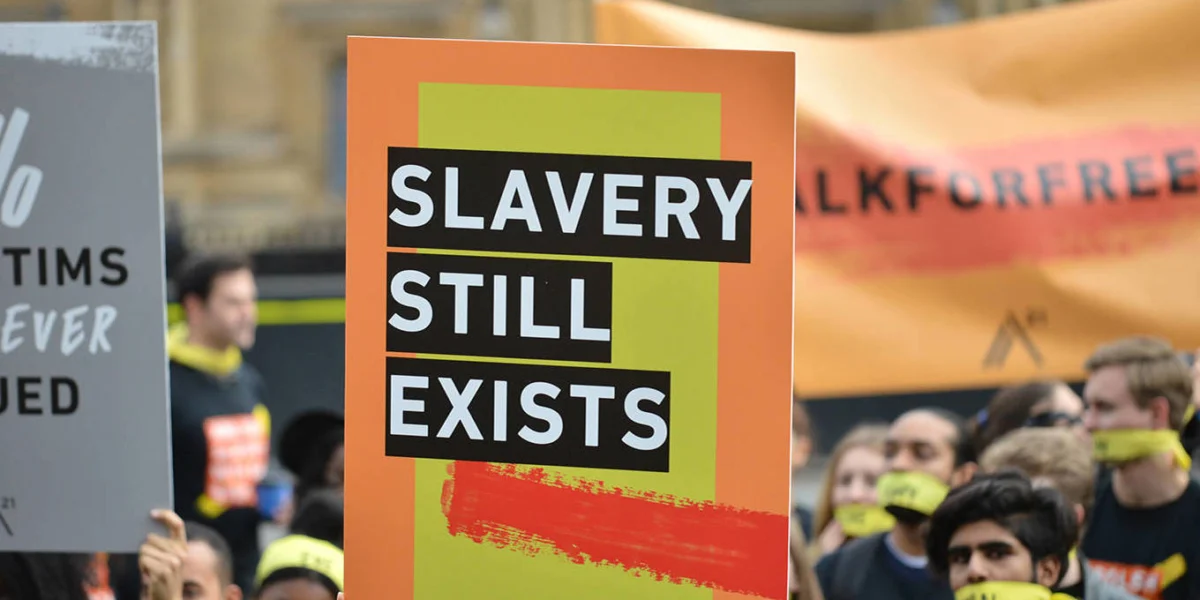
The fight against human trafficking, often conceptualized as a vast, international problem, is being redefined by a nuanced understanding of its operational mechanics. Rather than solely focusing on macro-level statistics and broad national strategies, a more effective approach recognizes the intricate web of "trafficking corridors" that link specific source and destination localities. This micro-level perspective, pioneered in research conducted in the United Kingdom and Romania, offers a stronger foundation for policy development than purely national or isolated interventions, as highlighted by the United Kingdom’s landmark Modern Slavery Act.
The Genesis of the "Twinned Towns" Concept
The initial impetus for this focused approach emerged in 2016, coinciding with the first anniversary of the UK’s Modern Slavery Act. Then-Prime Minister Theresa May, in a public commentary, lauded research that had illuminated "criminal gangs creating twinned towns of modern slavery." This statement underscored a critical shift in understanding: human trafficking was not merely an abstract issue of numbers, but a tangible phenomenon rooted in specific geographic connections. The uniqueness of this research lay in its methodology, which treated paired source and destination localities as a singular unit of analysis. This allowed for a deeper examination of the dynamics that facilitate exploitation, from the initial recruitment in one community to the forced labor or sexual exploitation in another.
Unpacking the Mechanics of Trafficking Corridors
Human trafficking networks, like any sophisticated criminal enterprise, rely on logistical efficiency and established routes. These "trafficking corridors" are not random but are meticulously constructed pathways that exploit existing social, economic, and infrastructural vulnerabilities. Source localities often suffer from high unemployment, poverty, lack of educational opportunities, and social instability, making individuals, particularly vulnerable youth and marginalized groups, susceptible to false promises of employment, education, or a better life. Destination localities, conversely, are typically characterized by high demand for cheap labor in sectors such as agriculture, construction, manufacturing, or domestic work, as well as demand in the sex industry.
The pairing of these localities creates a symbiotic relationship for traffickers. They can leverage the desperation in source towns to recruit individuals and then transport them to destination areas where their exploitation can be maximized with minimal risk of detection. This "twinned towns" model allows for a granular understanding of:
- Recruitment Tactics: Identifying common recruitment methods employed in specific source areas, such as online advertisements, fake job agencies, or the exploitation of familial or community ties.
- Transportation Networks: Mapping the routes and methods used to move victims, which could involve clandestine travel, public transportation, or even the use of legitimate businesses as fronts.
- Exploitation Modalities: Understanding the specific forms of exploitation prevalent in destination areas, whether forced labor in factories, agricultural fields, or households, or sexual exploitation in brothels or illicit establishments.
- Financial Flows: Tracing the money generated through exploitation and how it is laundered or reinvested by the criminal networks.
Supporting Data and Evidence
While specific data points were not detailed in the initial commentary, the implications of this research are supported by broader trends in human trafficking statistics. Global estimates from organizations like the International Labour Organization (ILO) and the United Nations Office on Drugs and Crime (UNODC) consistently highlight the pervasive nature of modern slavery.
- Global Prevalence: The ILO’s 2022 report estimated that 50 million people were living in modern slavery on any given day in 2021, an increase from previous estimates. Of these, 28 million were in forced labor, and 22 million were in forced marriage.
- Economic Impact: The same ILO report estimated that forced labor generated $236 billion in illicit profits in 2021. This substantial economic incentive underscores the sophistication and profitability of trafficking networks, necessitating equally sophisticated countermeasures.
- Geographic Concentration: While trafficking is a global issue, research often points to specific regions and countries as major sources and destinations for victims. For instance, data from the Global Slavery Index has identified certain countries with high prevalence rates of modern slavery, often linked to underlying socio-economic factors that can fuel trafficking.
The "twinned towns" approach provides a vital lens through which to understand how these global figures manifest at the ground level. For example, research might reveal that a particular rural region in Eastern Europe, characterized by high youth unemployment and limited economic prospects, consistently supplies victims to specific industrial towns in Western Europe facing labor shortages. Similarly, a district in Southeast Asia with widespread poverty might be a source for victims trafficked into domestic servitude in wealthier urban centers.
Chronology of Development and Policy Impact
The concept of "twinned towns" is not a static one but has evolved through ongoing research and policy adaptation.
- Early Research (Pre-2016): Initial studies likely laid the groundwork by identifying patterns of victim movement and exploitation, often on a national or regional scale. However, the explicit framing of distinct, paired localities as a unit of analysis represented a methodological advancement.
- The Modern Slavery Act (2015, UK): This landmark legislation provided a legal framework to combat modern slavery in the UK. Its first anniversary in 2016 saw a public affirmation of research methodologies that informed its implementation, including the "twinned towns" concept. The Act mandated supply chain transparency and introduced measures to protect victims.
- Post-2016 Advancements: Following the initial articulation of the "twinned towns" concept, subsequent research would have focused on refining the identification of these corridors, developing more sophisticated mapping tools, and evaluating the effectiveness of interventions tailored to these specific linkages. This might include targeted outreach in source communities and specialized support services for victims upon arrival in destination areas.
- International Collaboration: The nature of trafficking corridors often transcends national borders. Therefore, the development of this approach would necessitate increasing international cooperation between law enforcement agencies, non-governmental organizations, and governments to disrupt these transnational networks. This could involve information sharing, joint investigations, and the harmonization of legal frameworks.
- Ongoing Evaluation: The effectiveness of anti-trafficking policies is continuously assessed. The "twinned towns" approach allows for localized evaluations of interventions, providing data on what works best in specific source-destination pairings and informing iterative improvements in strategy.
Official Responses and Strategic Implications
The acknowledgment of "twinned towns" by a former Prime Minister signifies a high-level recognition of the importance of this micro-level analysis. This has several strategic implications for policy and law enforcement:
- Targeted Interventions: Instead of broad, often resource-intensive, national campaigns, resources can be more effectively deployed to address the specific vulnerabilities and dynamics of identified trafficking corridors. This could involve localized prevention programs in source towns, targeted enforcement operations along specific routes, and specialized victim support services at known destination points.
- Enhanced Intelligence Gathering: The "twinned towns" model encourages a more granular approach to intelligence gathering. Law enforcement and anti-trafficking organizations can focus on understanding the specific actors, methods, and logistics within each corridor, leading to more precise and impactful operations.
- Cross-Border Cooperation: Since many trafficking corridors are international, this approach inherently necessitates and strengthens cross-border collaboration. Joint investigations, intelligence sharing agreements, and coordinated law enforcement operations between countries are crucial for dismantling these networks effectively.
- Victim-Centered Support: Understanding the specific journey of a victim from their source locality to their destination allows for more tailored and effective support services. This includes addressing the trauma associated with their specific exploitation experience and facilitating their reintegration into a safe environment, potentially in a location different from both the source and initial destination.
- Deterrence: By disrupting these established routes and networks, the risk and profitability for traffickers can be significantly increased, acting as a deterrent to future exploitation.
Broader Impact and Future Directions
The "twinned towns" paradigm represents a significant evolution in the fight against human trafficking. It moves beyond abstract statistics to a grounded, operational understanding of how these criminal networks function. The implications are far-reaching:
- Empowering Local Communities: By focusing on specific localities, prevention efforts can be tailored to address the unique socio-economic drivers of vulnerability in those areas. This can involve working with local leaders, schools, and community organizations to raise awareness, provide alternative opportunities, and build resilience against trafficking.
- Improving Law Enforcement Efficiency: Law enforcement agencies can dedicate resources more effectively by concentrating on identified trafficking routes and hotspots, leading to a higher probability of arrests and successful prosecutions.
- Strengthening International Partnerships: The inherent transnational nature of many trafficking corridors fosters stronger diplomatic and operational ties between nations, creating a more unified global front against modern slavery.
- Research and Innovation: This approach encourages continued research into the evolving tactics of traffickers and the development of innovative technologies and methodologies for identifying and disrupting trafficking networks. This could include the use of big data analytics, artificial intelligence for pattern recognition, and advanced surveillance techniques.
However, challenges remain. Trafficking networks are adaptable and can shift their routes and methods in response to enforcement efforts. Continuous monitoring, intelligence sharing, and a commitment to long-term, multi-faceted strategies are essential. Furthermore, addressing the root causes of vulnerability in source communities – poverty, lack of education, and social inequality – remains a critical, albeit long-term, component of a comprehensive anti-trafficking agenda.
The "twinned towns" concept, therefore, is not merely an academic observation but a practical framework that has the potential to significantly enhance the effectiveness of anti-trafficking efforts worldwide. By understanding the intricate links between specific places, policymakers and practitioners can develop more targeted, efficient, and ultimately, more successful strategies to dismantle criminal networks and protect vulnerable populations from the scourge of modern slavery. The commitment shown by the UK government in acknowledging and acting upon such research underscores a growing global recognition that a detailed, ground-level understanding is paramount to winning this complex and devastating fight.
