

NEW DELHI, INDIA – July 9, 2026 – India’s battle against rising prices has intensified as consumer price inflation climbed to 4.38% in June, a notable uptick from May’s 3.93%. This escalation, exceeding economists’ consensus forecast of 4.30% according to a Reuters poll, is being driven by a confluence of factors including renewed geopolitical friction between the U.S. and Iran, and anxieties surrounding the trajectory of the current monsoon season, both of which are exerting upward pressure on food and fuel costs.
The Ministry of Statistics and Programme Implementation (MoSPI) confirmed these figures in a release on Monday, highlighting that the year-on-year inflation rate for the All India Consumer Food Price Index (CFPI) reached 5.32% in June. This surge in food prices is a significant contributor to the overall inflation basket. Complementing this, transport inflation also accelerated, registering a 4.3% increase in June, a substantial leap from the 1.75% recorded in May. This jump in transportation costs is directly linked to the volatile global energy market.
This inflationary pressure arrives at a critical juncture for the Indian economy. The Reserve Bank of India (RBI), in its recent monetary policy review last month, opted to maintain its key interest rates. However, the central bank concurrently signaled its expectation of an impending rise in inflation and a tempering of economic growth for the financial year concluding in March 2027. This cautious outlook underscores the delicate balancing act policymakers face as they navigate domestic economic challenges against a backdrop of global instability.
RBI’s Inflation Projections and Underlying Concerns
The RBI’s latest projections paint a concerning picture, forecasting inflation to potentially surge to 5.1% in the fiscal year ending March 2027. This upward revision is predicated on several key risks. Consumers are bracing for higher fuel prices, a direct consequence of escalating global crude oil rates. Furthermore, the country faces a persistent risk of crop shortages, exacerbated by weather-related disruptions anticipated from the El Niño phenomenon this year. The central bank has pegged core inflation – which excludes volatile food and fuel prices – at 4.7% for the same period, indicating that underlying price pressures remain a significant consideration.
The renewed hostilities between the U.S. and Iran, following a brief ceasefire in June, have significantly impacted global oil markets. Last week witnessed a resumption of tensions, contributing to a spike in global oil prices. The strategic Strait of Hormuz, a critical chokepoint for global energy supplies, has become a focal point of contestation between the two nations. This heightened geopolitical risk directly translates into increased uncertainty and volatility in crude oil prices, a commodity India heavily relies on.
India’s Vulnerability to Global Energy Shocks
As the world’s fastest-growing major economy, India’s robust growth trajectory is intrinsically linked to its energy security. The nation is particularly vulnerable to supply disruptions stemming from the ongoing Iran conflict. India imports nearly 85% of its fuel requirements, making it highly susceptible to fluctuations in international oil prices. The Strait of Hormuz plays an indispensable role in India’s energy import chain, facilitating approximately 50% of its crude oil imports, 60% of its liquefied natural gas (LNG) supplies, and almost all of its liquefied petroleum gas (LPG) requirements. Any disruption or significant price escalation in this vital shipping lane has immediate and far-reaching implications for India’s economy, impacting everything from industrial production to household budgets.
The economic ramifications of rising fuel costs are manifold. Higher energy prices translate directly into increased operational costs for businesses across sectors, from manufacturing and logistics to services. This can lead to higher product prices for consumers, further fueling inflation. For households, increased fuel expenses, coupled with rising food prices, can erode purchasing power and potentially lead to a slowdown in consumer demand, a crucial engine of India’s economic growth. The transportation inflation figure of 4.3% is a clear indicator of these pressures already beginning to manifest.
The Dual Threat of Monsoon Variability and El Niño
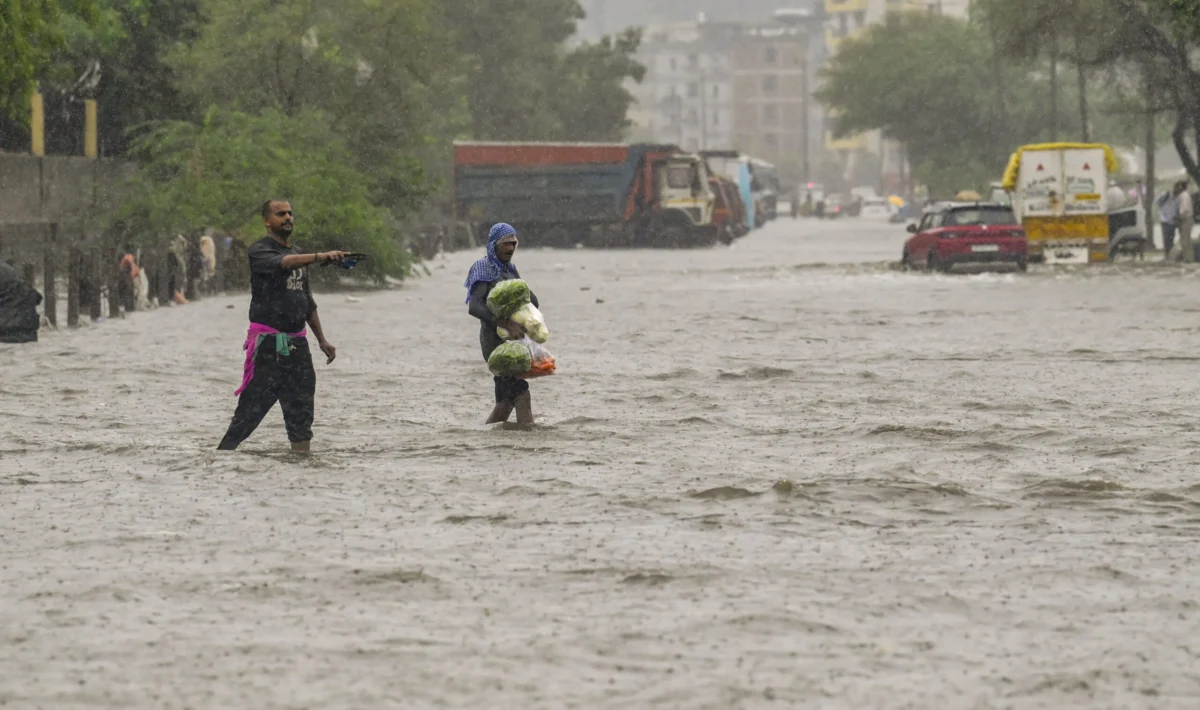
Adding to the complex economic landscape is the looming threat posed by the monsoon season. Despite recent heavy rainfall in various parts of the country, which has led to localized flooding, the India Meteorological Department (IMD) has forecast a potential deficit in July rainfall, predicting it to be 6% below the long-period average. This forecast comes against the backdrop of the potential onset of El Niño, a weather pattern known for its disruptive impact on rainfall across Asia.
The interplay between excessive rainfall and potential deficits creates a precarious situation for India’s agrarian economy. S&P Global-owned Indian research and rating firm Crisil, in a report released on Friday, noted that "Following a parched June, the monsoon advanced rapidly, reducing the all-India rainfall deficit from 40% to 15% as of July 8." While this suggests an improvement from earlier concerns, the IMD’s forecast for July indicates that the overall deficit might persist.
Crisil further elaborated on the disruptive nature of these weather swings. "These swings between rainfall scarcity and surplus can be as disruptive to agriculture as a weak monsoon itself," the report stated. Such variability directly influences critical agricultural decisions, including sowing patterns, crop health, and ultimately, the incomes of millions of farmers. A deficient monsoon can lead to crop failures and reduced agricultural output, driving up food prices. Conversely, excessive rainfall and flooding can damage standing crops, disrupt harvesting, and impact soil health, also leading to supply shortages and price increases.
Impact on Food Prices and Agricultural Sector
The food price inflation of 5.32% in June is a direct reflection of these agricultural vulnerabilities. A combination of supply-side shocks, including potential impacts from a less-than-ideal monsoon and the rising cost of agricultural inputs (which are often linked to energy prices and global commodity markets), contributes to this surge. The government’s ability to manage food inflation will be crucial in mitigating the overall impact on consumers, particularly the lower-income strata.
Historically, India’s agricultural sector is highly dependent on the timely and adequate arrival of the monsoon. The country’s food security and the livelihoods of a significant portion of its population are tied to the success of this annual weather event. The erratic nature of monsoons, exacerbated by climate change and phenomena like El Niño, poses a recurring challenge to the stability of food prices and agricultural production.
Core Inflation and Policy Response
While the headline inflation figure has risen, the Reserve Bank of India’s primary focus has often been on core inflation. This metric, which excludes the more volatile food and energy components, provides a clearer picture of underlying price pressures. Although core inflation has not yet become a primary source of alarm, the sustained elevated levels of energy and food prices carry the risk of gradually feeding into core inflation. This can occur through increased input costs for businesses, higher transportation expenses for goods, and the general rise in operational costs, eventually impacting the prices of a wider range of goods and services.
The RBI’s stance of keeping interest rates unchanged suggests a belief that the current inflationary pressures, while concerning, may be transient or manageable through other policy levers. However, the central bank remains vigilant. Should inflationary pressures persist or accelerate, the RBI may be compelled to reconsider its monetary policy stance to anchor inflation expectations and safeguard price stability. This could involve a potential rate hike in future policy reviews, which would, in turn, have implications for economic growth by increasing borrowing costs for businesses and consumers.
Broader Economic Implications and Outlook
The confluence of geopolitical instability, volatile energy prices, and monsoon uncertainty creates a complex and challenging environment for India’s economic management. The government and the RBI will need to employ a multi-pronged strategy to address these challenges. This might include measures to bolster food supply chains, manage energy import strategies to mitigate price shocks, and implement targeted support for vulnerable sections of the population.
The resilience of the Indian economy will be tested in the coming months. The ability to navigate these headwinds will depend on effective policy responses, the actual impact of the monsoon, and the evolution of the geopolitical situation in the Middle East. While India’s economic growth remains robust compared to many global peers, the rising inflationary pressures present a significant headwind that requires careful and proactive management to ensure sustained and inclusive development. The coming weeks and months will be crucial in determining whether the current inflationary surge is a temporary blip or the beginning of a more prolonged period of price instability.
