

Colombia finds itself at a critical juncture, grappling with a widening chasm between the populace’s yearning for a robust welfare state and a political establishment seemingly incapable of fulfilling this aspiration without confronting entrenched, detrimental influences. The recent presidential election, which saw a candidate with deep ties to powerful and ethically questionable interests prevail over a human rights advocate whose family history is tragically entwined with state-sanctioned violence, underscores this deeply unsettling dynamic. The incoming administration’s alignment with many of these very interests portends continued disappointment for Colombians seeking genuine social progress and a more equitable society.
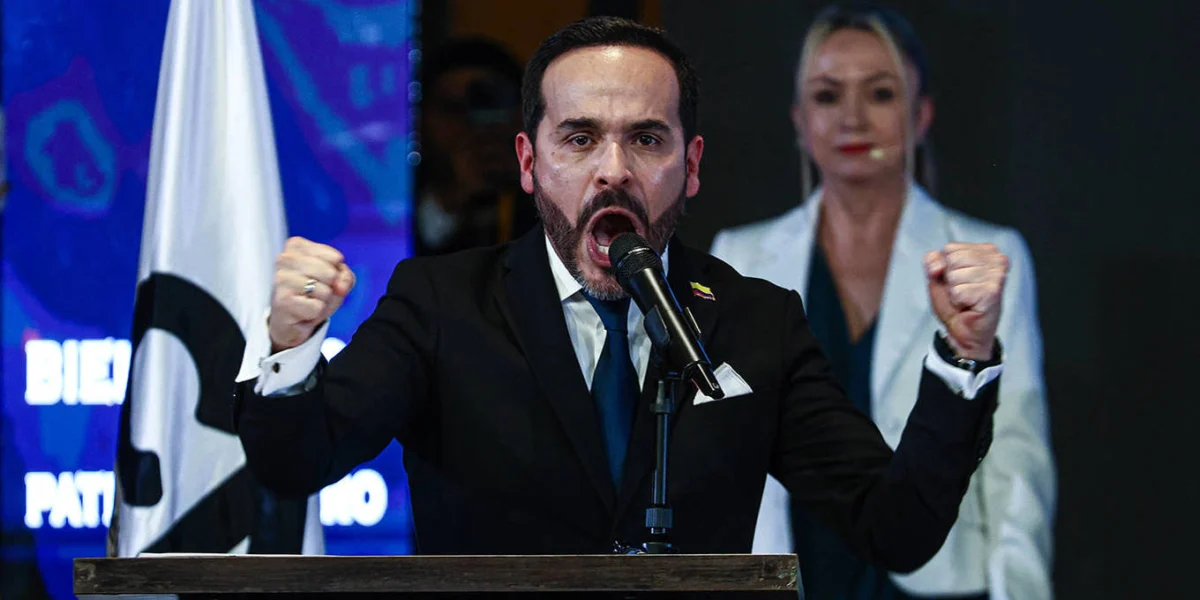
The sobering outcome of last month’s presidential election, where Senator Iván Cepeda, a staunch human rights advocate, was defeated by Abelardo de la Espriella, a prominent criminal defense lawyer, offers a stark illustration of the challenges confronting Colombia’s democratic ideals. Cepeda’s father, a respected political figure and activist, was tragically murdered in 1994 by paramilitary groups, an act widely understood to have involved complicity from state actors. This personal history imbues Cepeda’s platform with a profound commitment to justice and accountability. In stark contrast, de la Espriella has built a considerable fortune representing clients whose backgrounds are deeply problematic, including paramilitary leaders, individuals implicated in corruption scandals, and those accused of money laundering. His clientele list reads like a who’s who of figures associated with some of Colombia’s most pervasive and damaging illicit activities, raising significant questions about his ability to govern with impartiality and a genuine commitment to the rule of law.
The Legacy of Violence and the Rise of a New Political Order
The political landscape in Colombia has long been shaped by the shadows of its violent past. The era of paramilitary groups, often operating with tacit or explicit state support, left an indelible mark on the nation’s social and political fabric. The murder of Iván Cepeda’s father, Jesús María Cepeda, is not an isolated incident but rather a symptom of a broader pattern of repression and violence that targeted activists, journalists, and anyone perceived as a threat to the established order. The subsequent revelations of the "parapolitics" scandal, which exposed deep links between politicians and paramilitary organizations, further eroded public trust in state institutions.
Abelardo de la Espriella’s success, therefore, can be viewed not only as a personal victory but also as a reflection of a complex political environment where individuals with controversial pasts and questionable associations can gain significant traction. His legal practice has often involved defending individuals accused of severe crimes, including those linked to drug trafficking, corruption, and human rights abuses. For instance, de la Espriella has been notably associated with the defense of figures implicated in the Odebrecht corruption scandal, a vast bribery scheme that rocked Latin America, and has also represented individuals connected to the regime of Nicolás Maduro in Venezuela, a country facing its own severe humanitarian and political crisis. This association with figures entangled in international corruption and authoritarianism raises serious concerns about the potential implications for Colombia’s foreign policy and its commitment to democratic norms.
The Promise of a Welfare State: Unfulfilled Aspirations
Despite these deeply ingrained challenges, a significant segment of the Colombian population continues to advocate for a more comprehensive welfare state. This desire is rooted in a recognition of persistent inequalities, inadequate access to essential services like healthcare and education, and the need for greater social safety nets. The economic disparities in Colombia are stark, with a significant portion of the population living in poverty or on the brink of it. According to World Bank data, while Colombia has made strides in poverty reduction, a substantial number of its citizens still face significant economic hardship. For example, in recent years, a considerable percentage of the population has remained below the national poverty line, and a significant portion of the workforce operates in the informal sector, lacking access to social security benefits and stable employment.
The popular demand for a stronger welfare state is therefore a direct response to these socio-economic realities. Citizens are looking for government interventions that can provide universal access to quality healthcare, affordable housing, robust social security programs, and equitable educational opportunities. This aspiration is not merely about economic redistribution; it is also about fostering a more inclusive and just society where every citizen has the opportunity to thrive.
The Roadblocks: "Malign Influences" and Political Compromise
The article’s assertion that Colombia’s political system "cannot deliver on that promise unless it breaks free from malign influences" points to a fundamental dilemma. The "malign influences" can be interpreted as a confluence of factors, including:
- Entrenched Economic Elites: Powerful business interests, often with historical ties to land ownership and resource extraction, have traditionally wielded significant influence over political decision-making. Their priorities may not always align with the broader public interest in social welfare.
- Corruption and Illicit Economies: The pervasive nature of corruption, fueled by illicit economies such as drug trafficking and illegal mining, creates a powerful incentive for political actors to engage in patronage networks and prioritize personal gain over public service. These networks can distort policy outcomes and divert resources intended for social programs.
- Paramilitary Legacies and Organized Crime: The lingering presence and influence of groups with origins in paramilitary structures, even if their forms have evolved, continue to pose a threat. Their involvement in various illicit activities can create an environment of fear and intimidation, undermining democratic processes and the rule of law.
- Weak Institutions and Lack of Oversight: Inadequate institutional capacity, coupled with insufficient checks and balances, can create fertile ground for these malign influences to thrive. When regulatory bodies are underfunded or compromised, and when accountability mechanisms are weak, it becomes easier for special interests to capture the policy-making process.
The election of a figure like Abelardo de la Espriella, whose career has been marked by representing individuals and entities associated with these very influences, raises profound concerns about the incoming administration’s ability to enact policies that would genuinely advance the welfare state. If the administration is "aligned with many of those interests," as the article suggests, then the prospects for meaningful reform and for fulfilling the popular demand for social progress appear significantly diminished.
A Timeline of Disappointment: Historical Context
To understand the current predicament, it is crucial to consider a historical context:
- Late 20th Century: The rise of powerful paramilitary groups, often intertwined with state actors and drug cartels, led to widespread violence, displacement, and human rights abuses. This era saw the consolidation of power by certain economic and political elites who benefited from or tolerated these illicit structures.
- Early 2000s: The "parapolitics" scandal exposed the extent of collusion between politicians and paramilitary groups, leading to numerous arrests and convictions. This period marked a significant, albeit incomplete, attempt to address the deep-seated corruption within the political system.
- Recent Decades: Despite efforts at reform, challenges related to corruption, inequality, and the influence of illicit economies have persisted. Different administrations have attempted various social programs and economic policies, but the structural issues have proven difficult to overcome.
- The Present Election Cycle: The recent presidential election, culminating in the victory of a candidate with a controversial background, signals a potential regression or stagnation in the efforts to build a more just and equitable society. The electorate’s choice, while democratic, highlights the complex interplay of factors that shape political outcomes, including public fatigue, economic anxieties, and the appeal of populist rhetoric.
Broader Implications and Future Outlook
The implications of this political alignment are far-reaching. If the incoming administration is indeed beholden to the interests that have historically hampered social progress, Colombians can anticipate:
- Stagnation in Social Spending: Budgetary priorities may continue to favor established economic interests over investments in public services like healthcare, education, and poverty reduction programs.
- Weakened Rule of Law: Efforts to combat corruption and hold powerful actors accountable may be undermined. The justice system could face increased pressure to accommodate the interests of those with illicit connections.
- Continued Inequality: The gap between the rich and the poor may widen or persist, as policies fail to address the structural drivers of inequality.
- Erosion of Public Trust: If the promise of a better future remains unfulfilled, public disillusionment with democratic institutions could deepen, potentially leading to social unrest or further political instability.
The article’s concluding sentiment – that "Colombians will continue to be disappointed" – serves as a somber forecast. The challenge for Colombia lies in its ability to foster a political environment where the pursuit of a robust welfare state is not a utopian dream but a tangible reality, achievable through genuine commitment to transparency, accountability, and the dismantling of the "malign influences" that have long held the nation captive. The recent election, rather than signaling a new dawn, may have instead illuminated the enduring power of these deeply entrenched forces, casting a long shadow over Colombia’s aspirations for a more equitable and prosperous future. The coming years will be a crucial test of Colombia’s democratic resilience and its capacity to forge a path toward genuine social progress, one that prioritizes the well-being of its citizens over the interests of a select few.
