

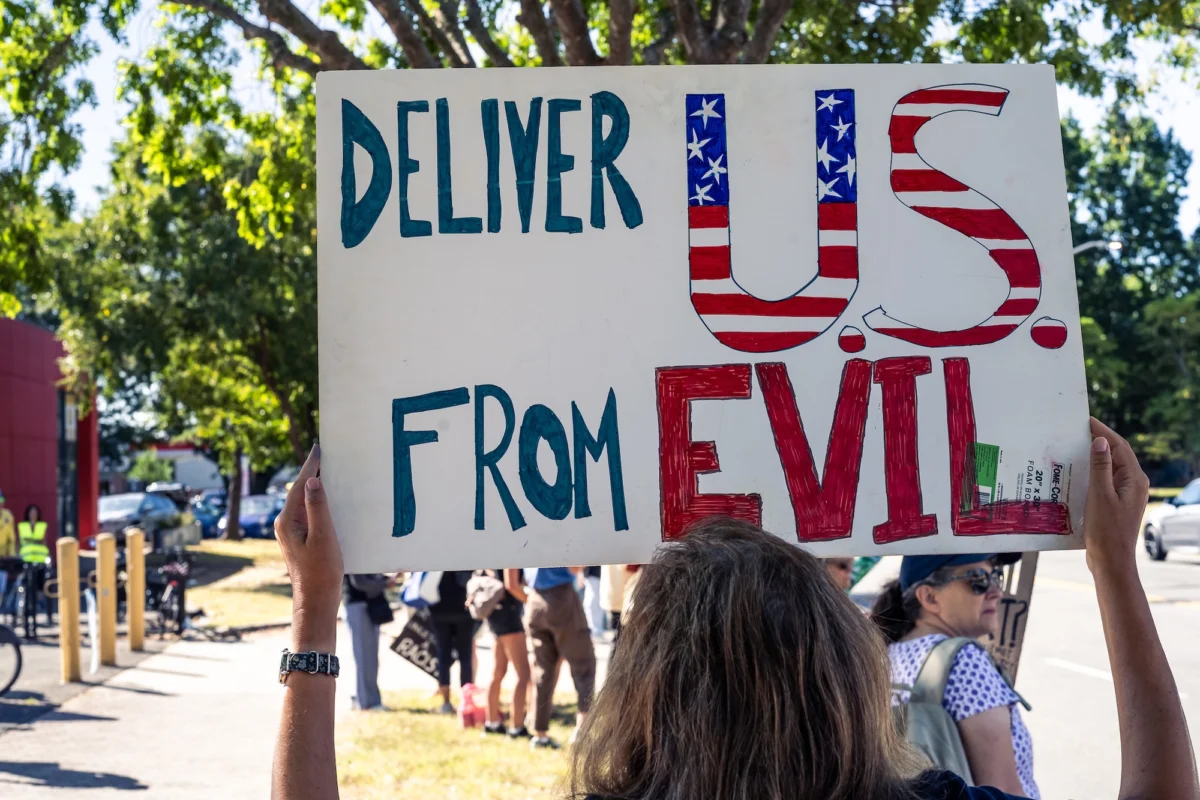
The landscape of American immigration enforcement has reached a volatile inflection point as a series of fatal encounters between federal agents and civilians has reignited a national debate over transparency, accountability, and the human cost of mass deportation. Six months after the deaths of two unarmed U.S. citizens in Minneapolis sparked a summer of unrest, a new wave of violence involving Immigration and Customs Enforcement (ICE) has surfaced, documented not by traditional media outlets, but by an increasingly organized network of citizen journalists and constitutional observers. As the federal government ramps up its efforts to remove millions of undocumented residents, the discrepancy between official agency statements and bystander video evidence has created a deepening crisis of trust in federal law enforcement.
A Resurgence of Lethal Encounters
The current cycle of scrutiny follows a brief period of relative quiet in the national headlines. After the January killings of Renee Good and Alex Pretti by federal agents—an event that led to widespread protests and a reshuffling of top leadership at the Department of Homeland Security (DHS)—public attention was largely diverted by international conflicts, extreme weather events, and the upcoming midterm elections. However, beneath the surface of the news cycle, the administration’s deportation machinery has continued to accelerate.
In late June, ICE executed a coordinated surge, resulting in the arrest of 10,000 individuals over a mere five-day period. This unprecedented operational tempo was fueled by the rapid hiring of thousands of new agents, many of whom, critics argue, received abbreviated training before being deployed into high-stakes environments. The results of this escalation became tragically clear in July, with three unarmed men killed during interactions with federal agents in a single week.
The victims represent a cross-section of the immigrant experience in America. In Texas, Lorenzo Salgado Araujo, a father of three and a 35-year resident of the United States with no criminal record, was shot dead during a routine traffic stop while commuting to work. In Maine, 26-year-old Joan Sebastian Durán Guerrero was killed under similar circumstances. Neighbors in Biddeford, Maine, reported that Guerrero’s three-year-old daughter witnessed the immediate aftermath of the shooting. Investigations into the background of the involved agent in Maine revealed a prior history of violent behavior, raising questions about the vetting processes used during ICE’s recent hiring blitz.
A third unidentified man was killed in Florida after being struck by a vehicle while attempting to flee a traffic stop initiated by federal agents. Meanwhile, in Harrisburg, Pennsylvania, residents were left shaken after an ICE agent discharged a firearm in a residential neighborhood during an enforcement action, an incident captured on private security footage that appeared to contradict the agent’s initial report of the threat level.
The Chronology of Escalation: 2025-2026
To understand the current state of tension, one must look at the timeline of the administration’s "Operation Restoration" campaign.

- January 2026: The deaths of Renee Good and Alex Pretti in Minneapolis lead to the largest civil rights protests in a generation. DHS Secretary personnel changes are made to "allay public outrage."
- February – May 2026: While national media attention fades, DHS quietly increases the quota for daily arrests to 2,000. Grassroots organizations begin nationwide "Constitutional Observer" training sessions.
- May 2026: Detainees at Delaney Hall in Newark, New Jersey, launch a massive hunger strike, smuggling out letters detailing "squalid conditions" and forced labor.
- June 2026: ICE conducts a "five-day surge," arresting 10,000 people. Reports of aggressive tactics in "sanctuary cities" become frequent on social media.
- July 2026: Three unarmed men are killed by ICE agents in Texas, Maine, and Florida within eight days. Video evidence surfaces in multiple cases, contradicting official DHS press releases.
The Rise of the Citizen Journalist
In the absence of consistent federal oversight, the burden of documentation has shifted to the public. The Immigrant Defense Network, a coalition of labor and faith-based organizations, has reported training nearly 30,000 people in the Midwest alone to serve as legal observers. These individuals are taught to maintain a safe distance while recording interactions, documenting badge numbers, and noting the presence of warrants.
The impact of this movement is measurable. In the cases of Araujo and Guerrero, the initial ICE statements claimed that the agents "responded to an imminent threat." However, bystander cell phone footage and doorbell camera recordings have frequently told a different story. In the Harrisburg incident, the video showed the agent firing into a vehicle that appeared to be moving away from him, rather than toward him as initially claimed.
Minnesota Attorney General Keith Ellison has been a vocal proponent of this "democratized oversight," stating that citizen-generated evidence is now a cornerstone of legal challenges against federal overreach. This trend has not gone unnoticed by the administration, which has pressured technology companies to remove "ICE tracker" apps from digital storefronts, citing agent safety. Despite these efforts, decentralized platforms continue to provide real-time updates on enforcement activity, allowing communities to activate rapid-response legal teams.
Transparency Shrouded: The Detention Crisis
The violence on the streets is mirrored by a growing crisis within the network of immigrant detention facilities. As the number of detainees swells, the administration has increasingly relied on private prison contractors, such as the GEO Group, to manage the overflow. Facilities like Delaney Hall in Newark have become flashpoints for conflict.
The May hunger strike at Delaney Hall brought to light allegations of human rights abuses that had previously been hidden from public view. Detainees described a system of "voluntary work programs" that functioned as forced labor for $1 an hour, alongside a lack of basic medical care that contributed to the death of Jean Wilson Brutus in December 2025.
The lack of transparency is exacerbated by the fact that attorneys, family members, and even sitting members of Congress have been denied access to these facilities under the guise of "operational security." When Senator Andy Kim and other officials attempted to inspect Delaney Hall following reports of violence, they were met with a phalanx of federal agents, resulting in a physical confrontation that further polarized the political discourse.
Political and Institutional Friction
The escalating violence has created a rift within the federal government itself. Following the July killings, DHS Secretary Markwayne Mullin issued a memorandum ordering a temporary "operational pause" on most vehicle stops to review use-of-force protocols. This move was almost immediately undermined by the White House. In a series of social media posts, President Trump signaled that the "mass deportation mission" would continue without delay, characterizing any pause as "weakness" that emboldens "criminal aliens."

This internal friction has left field agents in a precarious position, operating under conflicting mandates while facing a public that is increasingly armed with cameras and legal knowledge. For the administration, the "surge" is a fulfillment of a central campaign promise; for civil rights advocates, it is a systematic dismantling of due process.
Economic and Social Implications
The broader implications of this enforcement climate extend beyond the immigrant community. Economists have begun to track the "chilling effect" in cities with high ICE activity, noting a decline in local consumer spending and labor shortages in the construction and agricultural sectors. The fear of being caught in a "collateral" arrest or a violent enforcement action has led many families—including those with legal status—to avoid public spaces, schools, and healthcare clinics.
Furthermore, the cost of the mass deportation campaign is staggering. With the federal government paying private contractors billions of dollars to maintain detention beds and transport flights, the fiscal burden of the operation has become a point of contention for fiscal conservatives and progressives alike.
Conclusion: A Community in Mourning and Action
As the families of Lorenzo Salgado Araujo and Joan Sebastian Durán Guerrero prepare for funerals, the communities they left behind are transforming grief into organized resistance. In Houston, hundreds gathered at City Hall to demand an independent investigation into Araujo’s death, while in Maine, a vigil for Guerrero drew supporters from across New England.
The narrative of these events is no longer controlled solely by government press offices. The "truth" of what occurs during a 5:00 AM traffic stop or behind the walls of a New Jersey warehouse is now being shaped by the people who live there. As long as the administration maintains its current trajectory of mass enforcement, the clash between state power and citizen observation is likely to intensify, leaving the nation to grapple with the fundamental question of what constitutes safety and justice in a divided society.
