

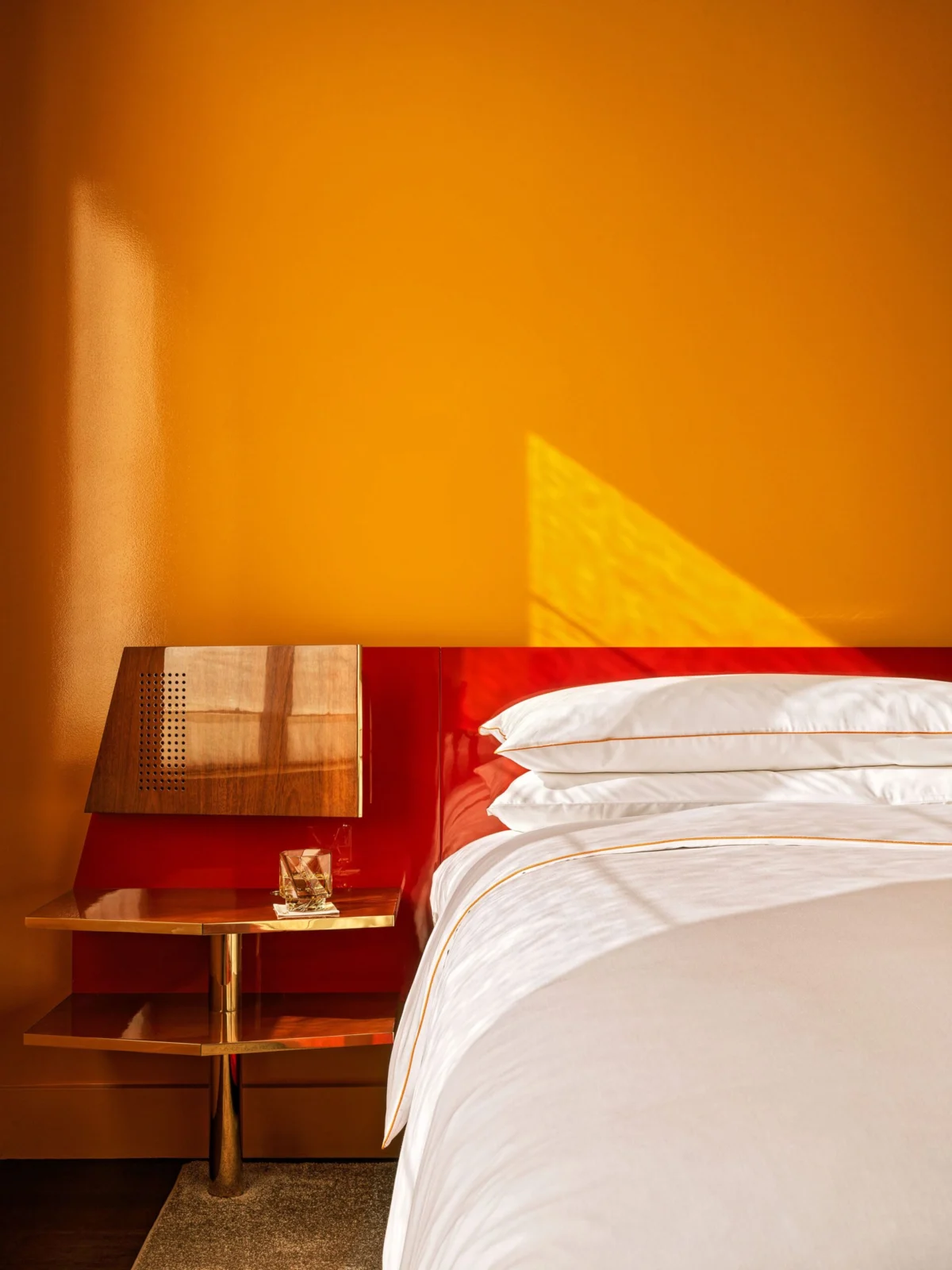
The pursuit of optimal sleep hygiene has transformed the global bedding market into a multi-billion-dollar industry, with consumers increasingly prioritizing tactile comfort and material integrity over brand name alone. As the "self-care" movement continues to permeate the home decor sector, the demand for high-quality linens has led to a surge in textile innovation, ranging from traditional long-staple Egyptian cottons to bio-engineered bamboo fibers and protein-infused silks. Architectural Digest’s editorial team, following an exhaustive multi-year testing period, has identified a definitive list of the softest bed sheets currently available, evaluating them based on durability, breathability, and long-term performance after repeated laundering.
The Evolution of the Luxury Bedding Market
To understand the current landscape of premium bedding, it is necessary to look at the shift in consumer behavior over the last decade. Historically, the "thread count" metric was the primary—and often misleading—indicator of quality. However, textile experts and industry analysts now emphasize fiber length and weave type as more accurate markers of a sheet’s "hand-feel." The rise of direct-to-consumer (DTC) brands like Brooklinen, Quince, and Boll & Branch has disrupted the traditional retail model, offering high-end materials at more accessible price points by bypassing middleman markups.
According to market research, the global home bedding market is projected to grow significantly through 2030, driven by an increasing awareness of sleep’s role in physical and mental health. This growth is accompanied by a shift toward sustainable materials, such as GOTS-certified organic cotton and Tencel, as consumers become more conscious of the environmental footprint of their household goods.
Methodology: The 30-Day Testing Protocol
The selection process for the "softest sheets" involves a rigorous methodology that extends beyond initial impressions. Architectural Digest editors and contributors, located across various climates in the United States, subjected dozens of sheet sets to a minimum 30-day trial. This period is critical for assessing how fabrics react to body heat, moisture, and environmental humidity.
Following the initial trial, the products underwent multiple machine wash and dryer cycles to test for color-fastness, structural integrity, and the development of pilling. The editors specifically looked for "staple length"—the length of the individual fibers used to spin the yarn. Longer staples result in a smoother, stronger thread, which translates to a softer feel against the skin and a reduced likelihood of fraying over time.
Top Performers in the Cotton Category
Wamsutta Supreme Egyptian Cotton
The Wamsutta Supreme set, featuring a 600-thread-count weave, remains a benchmark for traditional luxury. Utilizing long-staple Egyptian cotton, these sheets are noted for a texture that avoids the "hair-pulling" sensation often associated with lower-quality percale. Editorial testing highlighted that this specific set is particularly suitable for individuals with sensitive skin, providing a smooth surface that maintains its integrity over months of use.

Boll & Branch Signature Hemmed Sateen
Boll & Branch has positioned itself as a leader in organic luxury. Their Signature Hemmed set utilizes a sateen weave, which is characterized by a four-over-one thread pattern. This technique exposes more thread surface, creating a buttery, "whipped" texture. Testing reports indicate that these sheets actually improve with age, becoming softer after each laundering cycle. The brand’s commitment to fair-trade practices and organic certification adds a layer of ethical value to the physical comfort of the product.
Matouk Bergamo
For those seeking the "cream-of-the-crop," the Matouk Bergamo set represents the pinnacle of cotton engineering. It utilizes a blend of Giza 87 and 92 Egyptian cotton yarns. Giza cotton is grown in the fertile delta of the Nile River, where the unique climatic conditions produce fibers of extraordinary length and fineness. The resulting percale weave is lightweight and crisp yet possesses a silk-like softness that distinguishes it from standard cotton offerings.
Innovations in Alternative Materials
Cozy Earth Bamboo Viscose
The rise of bamboo-derived fabrics has introduced a new dimension to temperature regulation in bedding. Cozy Earth’s bamboo sheet set utilizes hollow fibers that facilitate superior airflow compared to traditional cotton. This material is particularly effective for "hot sleepers" who require moisture-wicking properties without sacrificing softness. The editorial consensus described the feel as "decadent" and "barely perceptible," lulling the sleeper into a deeper rest through advanced thermal management.
Clementine Atelier Medica Silk
Silk has long been the standard for luxury, but Clementine has introduced a bio-functional element to the material. Their silk sheets are infused with hydrating ingredients such as hyaluronic acid and squalane. This integration aims to provide a "self-care" experience, reducing friction on the skin and hair while maintaining a rich, soothing texture. While the price point is significantly higher than cotton or bamboo, the specialized organic silk construction offers a unique value proposition for beauty-conscious consumers.
Brooklinen Heathered Cashmere
To bridge the gap between summer linens and heavy winter flannels, Brooklinen developed a blend of 95% cotton and 5% Himalayan cashmere. This combination creates a "fluffy" weave that provides warmth without the suffocating weight of traditional flannel. Testing showed that the heathered detailing provides a textural dimension that appeals to those who prefer a more substantial feel to their bedding during transitional seasons.
The Percale vs. Sateen Debate
A significant portion of the testing process was dedicated to distinguishing between the two primary weave types: percale and sateen.

- Percale is a plain-weave fabric known for its matte finish and crisp, breathable feel. It is often compared to a high-end hotel sheet or a freshly pressed button-down shirt. Brands like Quince and Bed Threads have refined this weave to ensure it remains soft rather than starchy.
- Sateen uses a different weaving structure to produce a lustrous sheen and a heavier, silkier drape. It is naturally more wrinkle-resistant than percale but can trap more heat, making it ideal for cooler environments.
The editorial analysis suggests that "softness" is subjective; those who equate softness with a smooth, cool surface tend to prefer percale, while those who prefer a plush, warm sensation lean toward sateen.
Supporting Data and Industry Implications
The shift toward premium bedding is not merely an aesthetic choice but a response to the growing body of scientific research linking sleep quality to cognitive function and longevity. Data from the National Sleep Foundation indicates that the tactile environment of a bedroom—including the texture of bed linens—significantly impacts the time it takes to fall asleep (sleep latency).
Furthermore, the environmental impact of the textile industry has led to increased scrutiny of production methods. The preference for "long-staple" cotton is not just about softness; it is about longevity. A set of high-quality Egyptian or Supima cotton sheets can last five to ten years, whereas cheaper, short-staple sets may fail within eighteen months. This durability factor is increasingly being framed as a form of "sustainable consumption," where buying better leads to buying less.
Chronology of Market Availability
The availability of these high-end materials has followed a distinct timeline over the last five years:
- 2019-2020: The "Home Sanctuary" trend accelerates during global lockdowns, leading to record sales for DTC bedding brands.
- 2021: A surge in interest for bamboo and eucalyptus-derived Tencel as consumers seek sustainable alternatives to water-intensive cotton.
- 2022-2023: The introduction of "performance bedding," incorporating copper infusions, hyaluronic acid, and advanced moisture-wicking technologies.
- 2024: A return to "quiet luxury," with a renewed focus on heritage materials like Giza cotton and stonewashed linens that offer a lived-in softness from the first use.
Conclusion: The Broader Impact of Bedding Choices
The selection of bed sheets has evolved from a utilitarian purchase into a strategic investment in personal well-being. The findings by the Architectural Digest team underscore that the "softest" sheets are those that balance material science with ethical production and long-term durability. Whether through the cooling properties of bamboo, the crisp reliability of organic percale, or the innovative hydration of infused silk, the modern bedding market offers a solution for every physiological need.
As the industry moves forward, the focus is expected to remain on transparency—ensuring that "Egyptian cotton" labels are authentic and that "organic" claims are backed by rigorous certifications like GOTS or OEKO-TEX. For the consumer, this means that the path to a better night’s sleep is increasingly paved with data, expert testing, and a deeper understanding of the fibers that make up our most intimate domestic environment.
