

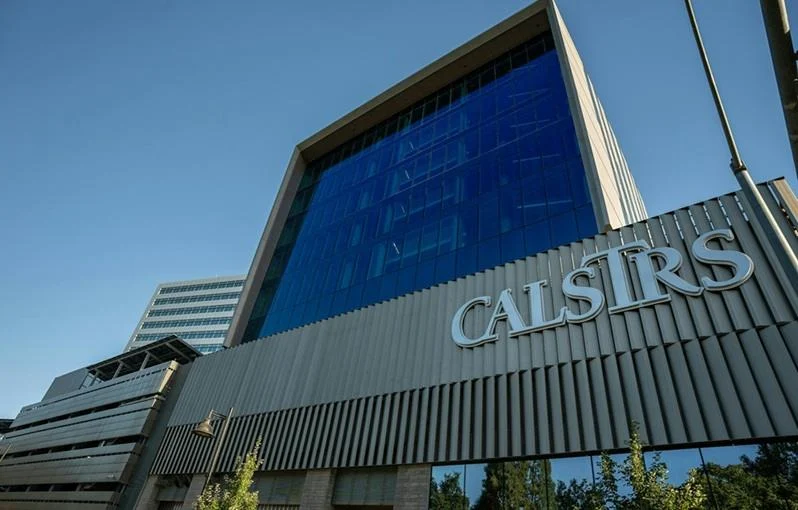
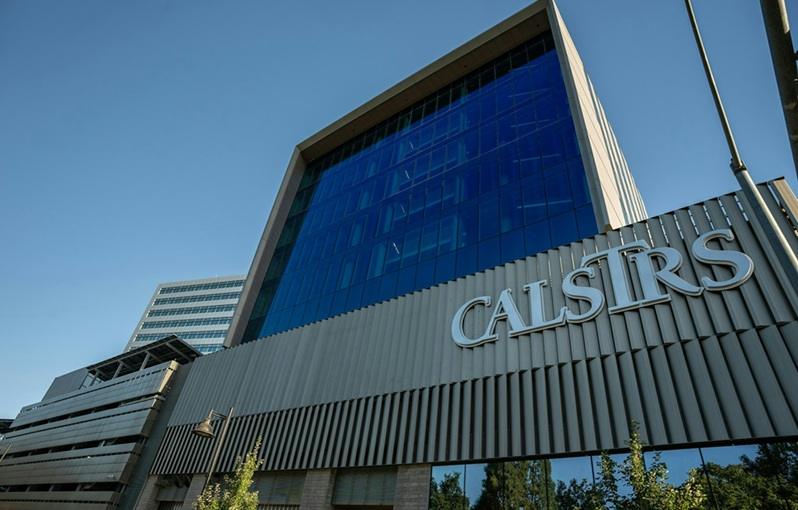
The California State Teachers’ Retirement System (CalSTRS), the world’s largest educator-only pension fund, has formally entered into a strategic partnership with global investment manager Nuveen, committing up to $2 billion to anchor a series of sustainable infrastructure initiatives. This landmark commitment is headlined by CalSTRS’ role as the anchor investor for Nuveen’s Energy & Power Infrastructure Credit Fund II (EPIC II), a vehicle designed to address the burgeoning capital needs of the global energy transition. Beyond the immediate scope of EPIC II, the partnership establishes a long-term framework for CalSTRS to support future investment strategies aimed at fortifying the critical infrastructure necessary for a modern, clean-energy economy.
This partnership arrives at a pivotal moment for global energy markets, as the intersection of technological advancement and climate policy creates an unprecedented demand for capital. The collaboration between CalSTRS and Nuveen is specifically designed to target a diverse array of sectors, including renewable power generation, energy storage, industrial decarbonization, and energy efficiency. Furthermore, the investment mandate extends to the "circular economy"—focusing on waste reduction and resource recovery—as well as the onshoring of infrastructure supply chains and the expansion of digital infrastructure required to sustain the rapid growth of artificial intelligence (AI).
The Strategic Architecture of EPIC II and Infrastructure Credit
Nuveen’s Energy & Power Infrastructure Credit Fund II (EPIC II) represents a sophisticated approach to infrastructure investing, prioritizing private credit as a primary tool for financing. As the global economy shifts away from fossil fuel reliance, the "hard assets" of the energy transition—such as solar farms, wind arrays, and battery storage facilities—require massive amounts of debt financing that traditional commercial banks are often unable to provide alone due to regulatory constraints or risk appetite.
Private credit has emerged as a vital alternative, offering bespoke capital solutions that are more flexible than traditional bank loans but more secure than pure equity investments. For an institutional giant like CalSTRS, the credit-focused nature of EPIC II provides a compelling risk-return profile. Infrastructure credit typically offers stable, predictable cash flows and strong downside protection, as the loans are often backed by physical assets and long-term power purchase agreements (PPAs).
Don Dimitrievich, Global Head of Nuveen Energy Infrastructure Credit, highlighted that the current economic landscape is characterized by a "generational need" for new infrastructure. He noted that the simultaneous expansion of AI, the reshoring of manufacturing to North America, and the broader electrification of transport and heating have converged to create a massive supply-gap in energy availability. By utilizing private credit, Nuveen aims to bridge this gap while delivering positive environmental and social outcomes.
Driving the Digital Economy: The AI and Power Nexus
One of the most significant drivers behind this $2 billion commitment is the explosive growth of the digital economy, specifically the energy requirements of artificial intelligence. Current projections suggest that U.S. power demand related to AI and data center operations could double or even triple over the next decade. High-performance computing requires vast amounts of electricity, and the tech companies leading the AI revolution are under increasing pressure to ensure that their operations are powered by carbon-free energy sources.
The CalSTRS-Nuveen partnership is strategically positioned to capitalize on this trend. By investing in renewable generation and energy storage, the partnership provides the underlying power infrastructure that allows the digital economy to scale sustainably. This "digital-energy nexus" represents a new frontier for infrastructure investors, where the reliability of the grid is directly tied to the advancement of global technology sectors.
Furthermore, the partnership’s focus on onshoring manufacturing and industrial supply chains reflects a broader shift toward economic nationalism and supply chain resilience. As the U.S. seeks to reduce its dependence on overseas manufacturing for critical components like semiconductors and battery cells, the domestic infrastructure required to support these factories must be built from the ground up. The $2 billion commitment will play a role in financing the domestic facilities that will produce the hardware of the clean energy future.
CalSTRS: Fiduciary Duty and the Path to Net Zero
For CalSTRS, which manages a portfolio valued at hundreds of billions of dollars on behalf of more than one million California public school educators and their beneficiaries, the investment is a reflection of its dual mandate: achieving long-term financial returns while managing systemic risks like climate change. The pension fund has been a vocal proponent of integrating environmental, social, and governance (ESG) factors into its investment process, viewing sustainability not as a peripheral concern but as a core component of risk management.

Nick Abel, Investment Director at CalSTRS, emphasized that sustainable infrastructure credit is an essential allocation for the fund. He noted that the complexity of these projects requires specialized expertise to originate and structure capital solutions that work for both the borrower and the lender. By partnering with Nuveen, CalSTRS gains access to a team with a proven track record in energy credit markets.
The investment also aligns with CalSTRS’ broader pledge to achieve a net-zero investment portfolio by 2050 or sooner. By directing billions of dollars into industrial decarbonization and circular economy projects, CalSTRS is actively participating in the reduction of global emissions. These investments help "de-risk" the transition for the broader economy by providing the necessary liquidity for green technologies to reach commercial scale.
Nuveen’s Evolving Role in Responsible Investing
Nuveen, the investment management arm of TIAA, has long been a pioneer in the field of responsible investing. With over $1 trillion in assets under management, the firm has leveraged its scale to influence how capital is deployed in the transition to a low-carbon economy. The EPIC II fund is the latest iteration of Nuveen’s commitment to real assets and alternative credit.
The partnership with CalSTRS reinforces Nuveen’s position as a preferred partner for large-scale institutional capital. By securing an anchor investment of this magnitude, Nuveen can execute larger, more complex deals that might be out of reach for smaller funds. This scale is crucial in the infrastructure sector, where individual projects—such as utility-scale battery storage hubs or carbon capture facilities—can require hundreds of millions of dollars in upfront capital.
The "sustainable" label of the fund is backed by rigorous underwriting standards. Nuveen’s approach involves not just looking at the carbon footprint of an investment, but also its impact on local communities and its contribution to energy security. As energy prices remain volatile globally, the development of affordable, domestic clean energy is increasingly viewed through the lens of national security and economic stability.

Chronology of the Commitment and Future Outlook
The announcement of this partnership on July 15, 2026, marks the culmination of extensive due diligence and strategic planning between the two organizations. While the initial $2 billion is a massive sum, both parties have signaled that this is merely the beginning of a broader collaborative effort. The "anchor" status of CalSTRS suggests that as EPIC II reaches its final close, other institutional investors—such as sovereign wealth funds and other global pension schemes—are likely to follow suit, further amplifying the impact of the fund.
Looking ahead, the partnership is expected to roll out capital across several phases:
- Deployment of EPIC II: Immediate focus on high-yield credit opportunities in renewable power and storage.
- Expansion into Industrial Decarbonization: Identifying "hard-to-abate" sectors like steel, cement, and chemicals where credit solutions can facilitate the adoption of green hydrogen or carbon capture technology.
- Digital Infrastructure Scaling: Financing the power-dense data centers required for the next generation of AI models.
- Supply Chain Resiliency: Supporting the build-out of domestic manufacturing plants for solar wafers, wind turbines, and EV components.
Broader Implications for the Global Investment Landscape
The CalSTRS-Nuveen deal is indicative of a broader trend where institutional "megafunds" are moving away from passive ESG indexing and toward active, direct investment in the energy transition. As the physical realities of climate change become more apparent and the economic incentives for green energy become more robust—bolstered by legislative frameworks like the Inflation Reduction Act—the "green premium" is vanishing, replaced by a competitive search for yield in the transition economy.
Industry analysts suggest that this $2 billion commitment will serve as a bellwether for other public pension funds. As fiduciaries, these funds are increasingly recognizing that the transition to a clean energy economy is an inevitable structural shift. Those who move early to secure partnerships with specialized managers like Nuveen are likely to capture the most attractive risk-adjusted returns while helping to build the resilient infrastructure of the 21st century.
In conclusion, the partnership between CalSTRS and Nuveen represents a sophisticated fusion of retirement security and environmental stewardship. By targeting the critical intersection of energy, technology, and manufacturing, the $2 billion commitment provides a roadmap for how large-scale capital can be deployed to solve the dual challenges of meeting rising power demand and achieving global climate goals. The success of this partnership will likely be measured not just in the returns delivered to California’s teachers, but in the stability and sustainability of the energy grid they helped to finance.
