

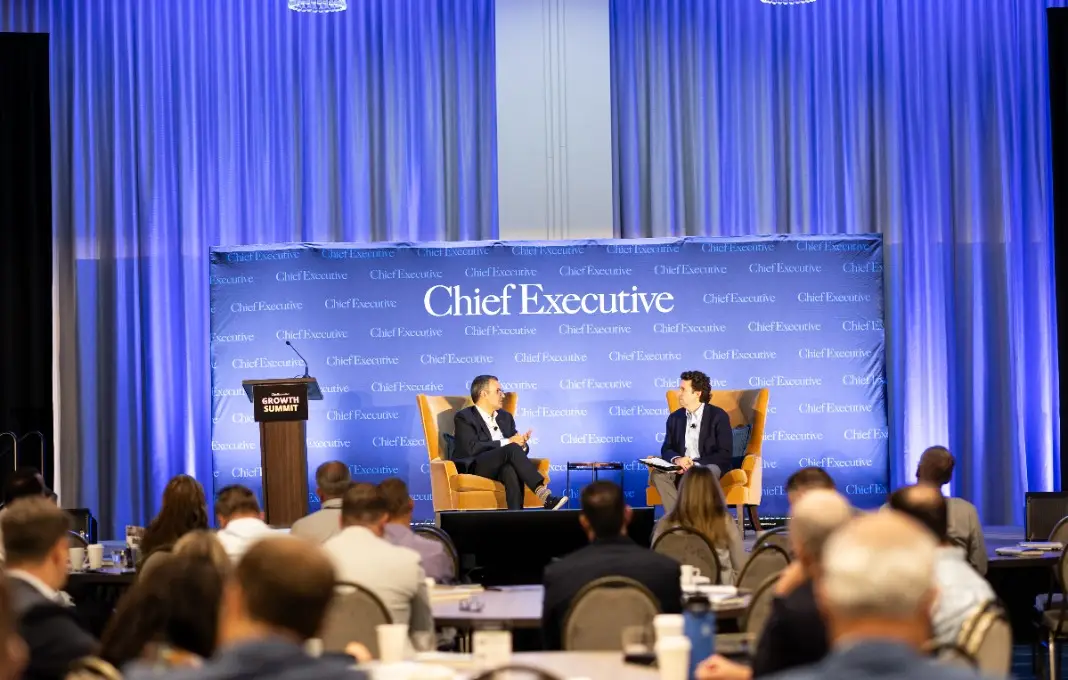
The Chief Executive Group recently concluded an intensive four-month period encompassing a significant series of live and virtual events, spanning nine cities and featuring fourteen distinct programs. This extensive engagement brought together leaders from across various executive functions, including CEOs, CFOs, CHROs, and public company directors, fostering hundreds of critical conversations and idea exchanges. As the dust settles from this whirlwind of activity, several potent insights and strategic imperatives have emerged, offering a roadmap for navigating the complexities of modern business leadership.
The Evolving Landscape of Work: Embracing the Human Element in the Age of AI
A particularly striking observation that resonated throughout the spring events, distilled from a candid discussion within the CEO100 community, highlights the profound impact of Artificial Intelligence on the workforce. One mid-market CEO articulated a prescient perspective on AI’s transformative power: "AI will eliminate a lot of work except for hand work and heart work." This simple yet profound statement cuts to the core of what distinguishes human contribution in an increasingly automated world.
The "hand work" aspect is readily understood; AI and robotics are demonstrably adept at tasks requiring physical precision and repetitive labor, augmenting or replacing human capabilities in manufacturing, logistics, and data processing. However, the emphasis on "heart work" offers a more nuanced and crucial insight. This refers to the uniquely human capacities for empathy, authentic connection, deep listening, and genuine care. These are the elements that build trust, foster collaboration, and drive organizational culture.
The implication for business leaders is clear: as AI handles the transactional and the automatable, the true competitive advantage will lie in cultivating and investing in these human-centric skills. This necessitates a strategic re-evaluation of talent development, leadership training, and organizational design. Companies that proactively invest in nurturing empathy, emotional intelligence, and interpersonal communication within their teams will be better positioned to thrive. The challenge lies in identifying where and how to strategically deploy AI to augment, rather than diminish, these vital human capabilities. The question leaders must ask is not just how to implement AI, but how to strategically harness it to amplify the "hand work" and "heart work" that will define future success.
Growth by Design: Shifting Focus from Product to Customer Engagement
A recurring theme, particularly at the Growth Summit held in Nashville, underscored the critical distinction between designing products and designing customer engagements. Lior Arussy, a prominent writer and speaker, challenged attendees to consider this fundamental strategic pivot. While a focus on product excellence can certainly drive sales and contribute to top-line growth, it is the deliberate design of customer engagements that cultivates lasting loyalty and sustainable bottom-line growth.
This principle is vividly illustrated by the success of companies like Delta Air Lines and Best Buy. Delta generates approximately 70 percent of its profits not solely from ticket sales, but from loyalty programs and credit card partnerships – both direct manifestations of strong customer engagement. Similarly, Best Buy derives around 40 percent of its profits from extended warranties, a testament to building customer confidence and fostering repeat business through dedicated post-purchase engagement.
Arussy’s analysis posits that these companies, while operating in distinct industries (airline services and electronics retail), achieve their growth not by simply selling their core offerings, but by strategically planning for customer loyalty. This represents a fundamental shift in strategic thinking, moving beyond a transactional model to one that prioritizes long-term relationship building. As Arussy articulates, "They fly airplanes or sell electronics, but their growth by design is achieved from planning for loyalty, not for product consumption. It is a completely different approach." This approach demands a deep understanding of the customer journey, proactive identification of pain points, and the development of seamless, value-added experiences at every touchpoint. The implication is that companies must invest in customer success teams, robust CRM systems, and loyalty-building initiatives to secure enduring financial health.
Mastering Healthcare Costs: The Imperative of Owning Claims Data
The escalating cost of healthcare for both employers and employees remains a persistent challenge, often described by Warren Buffett as "the tapeworm of the American economy." A significant hurdle in addressing this issue is the lack of transparency and control over crucial data. Many companies and their leaders operate with insufficient insight into their healthcare expenditures, making effective cost management an uphill battle.
Sandra Clarke, former CFO of Blue Shield of California, shared critical insights at the CFO Leadership Conference in Boston, emphasizing the necessity for organizations to actively pursue and own their healthcare claims data. Clarke stated, "You are budgeting blind if you don’t own that claims data or at least own access to it." This assertion highlights a fundamental management principle: effective control requires accurate measurement. Without access to detailed claims data, CFOs and leadership teams are unable to identify patterns, pinpoint areas of overspending, or negotiate effectively with insurance providers.
The ramifications of this data deficit are substantial. It hinders the ability to implement targeted wellness programs, negotiate more favorable insurance contracts, or even explore alternative healthcare models. The act of "demanding" this data from insurers, as suggested by Clarke, is not merely a suggestion but a strategic imperative. It signifies a shift from a passive recipient of healthcare services to an active, data-driven steward of employee well-being and corporate financial health. The ability to analyze claims data allows for informed decision-making, proactive intervention, and ultimately, a more sustainable approach to managing healthcare costs. This ownership of data empowers organizations to move beyond reactive measures and embrace a proactive, strategic stance in navigating the complexities of employee healthcare.
Navigating Life’s Transitions: Embracing "Cliffs" and "Fog" with Mindfulness
In April, renowned author and management thinker Jim Collins released his latest book, What to Make of a Life. Developed through extensive original research, the book delves into the critical junctures of personal and professional development, exploring how individuals navigate their formative years, chart their paths, and confront significant life changes. Chief Executive Group communities were among the first to engage with Collins’s groundbreaking work.
A particularly profound concept introduced by Collins is the idea of "cliffs." These represent the inevitable, often abrupt, transitions and pivotal moments that punctuate a life’s journey. What Collins further elucidates is that these "cliffs" are invariably followed by periods of disorientation, what he terms "fog." This disorienting phase, however, is not a passive state but one that must be navigated mindfully. The recognition that these periods of uncertainty are not only unavoidable but also opportunities for deliberate introspection and strategic recalibration offers a sense of freedom and empowerment. Collins argues that by acknowledging and engaging with these periods of "fog" with conscious intent, individuals can emerge stronger and more aligned with their life’s purpose. This perspective shifts the narrative from simply enduring change to actively shaping one’s response to it, fostering resilience and personal growth.
The Power of Present Responsibility: De-emphasizing Legacy in Favor of Action
Echoing the themes explored in What to Make of a Life, Collins also offered a compelling perspective on the concept of legacy. Through his extensive study of remarkable individuals, Collins observed a consistent pattern: preoccupation with how one would be remembered was notably absent among those who achieved profound impact. Instead, these individuals were deeply engrossed in their present responsibilities and the tasks at hand.
Collins characterized life as "the ultimate punch card," emphasizing the finite nature of time and the irreversible passage of moments. He questioned the utility of expending one’s "final punches" worrying about posthumous remembrance. This perspective offers a powerful antidote to the often-anxiety-inducing pursuit of legacy. By focusing on present responsibilities and the immediate impact of one’s actions, leaders can cultivate a more authentic and productive existence. This shift in focus from future acclaim to present duty encourages a more grounded and purposeful approach to leadership and life itself. It underscores the value of diligent work, ethical conduct, and unwavering commitment to current objectives as the true foundation of a meaningful and impactful life, rather than an abstract concern for how one might be perceived after their contributions have ceased.
The culmination of Chief Executive Group’s spring event series has provided a rich tapestry of insights. From the imperative to cultivate human connection in the face of AI, to the strategic advantage of designing for customer loyalty, and the critical need for data ownership in managing healthcare costs, to the profound wisdom of mindfully navigating life’s transitions and prioritizing present responsibility, these takeaways offer actionable guidance for leaders seeking to thrive in an increasingly dynamic and complex business environment.
