

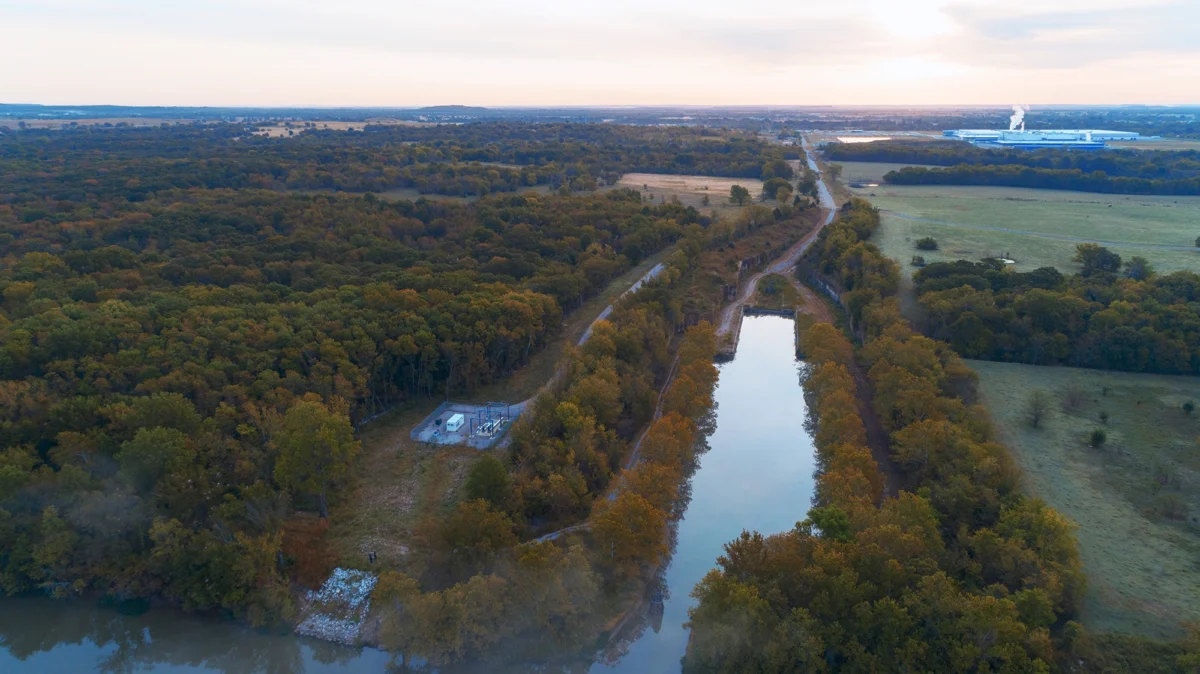
The small town of Inola, Oklahoma, has become the unexpected epicenter of a national debate regarding the resurgence of American heavy industry, environmental preservation, and the complexities of foreign investment. At the heart of the controversy is a proposed $4 billion aluminum smelter, slated for construction at the Tulsa Port of Inola. While the project is hailed by state officials as a landmark achievement for domestic manufacturing—the first of its kind in nearly half a century—it has ignited a fierce backlash among local residents and triggered a high-stakes legal and political battle that reaches the highest levels of state and national government.
The facility, known as the Oklahoma Primary Aluminum plant, represents a significant move toward reshoring critical industrial capacity. If completed, the plant is expected to produce approximately 826,000 tons of primary aluminum annually. This output would not only double the current production capacity of the entire United States but also position Oklahoma as a global leader in the metals industry. However, as the project moves from the drawing board toward reality, the tension between economic progress and community safety has created a divide that threatens the project’s future.
A Massive Undertaking: Project Scope and Economic Stakes
The proposal for the Oklahoma Primary Aluminum plant first emerged in early 2025, spearheaded by Emirates Global Aluminium (EGA), a state-owned firm from the United Arab Emirates. The initial vision was ambitious, but the project gained even greater scale in January 2026 when Chicago-based Century Aluminum, a subsidiary of the Swiss multinational Glencore, joined as a 40 percent partner.
The economic arguments for the plant are substantial. Governor Kevin Stitt has been a vocal proponent, emphasizing the creation of thousands of permanent and construction-related jobs. From a national security perspective, the project addresses a glaring vulnerability in the American supply chain. The United States currently imports roughly half of the aluminum it consumes, with the majority sourced from Canada. By doubling domestic production, proponents argue the Inola facility would stabilize prices and ensure a reliable supply of a metal essential for the aerospace, automotive, construction, and defense sectors.
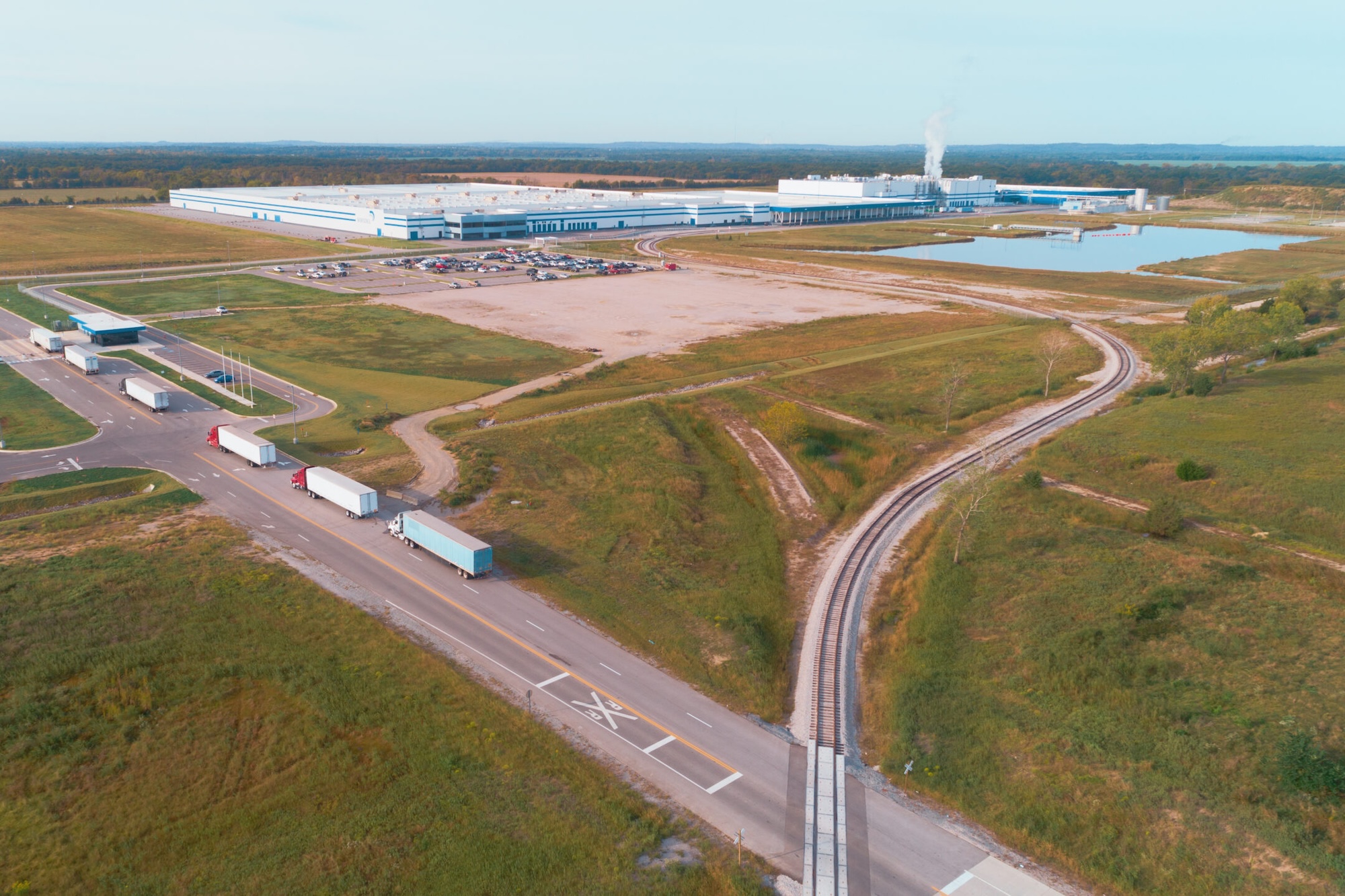
To support this industrial expansion, the project is backed by significant public funding. This includes approximately $255 million in state-level incentives and a potential grant of up to $500 million from the U.S. Department of Energy (DOE), part of a broader federal push to modernize the American industrial base and reduce reliance on foreign competitors.
A Chronology of Growing Resistance
The timeline of the Inola smelter project reveals a rapid shift from celebration to skepticism.
- Spring 2025: Emirates Global Aluminium announces plans for a primary aluminum production plant at the Tulsa Port of Inola, the first new U.S. smelter since 1980.
- October 2025: A survey conducted by Industrious Labs reveals that while 60 percent of Oklahomans support the economic potential of the plant, 75 percent harbor significant environmental concerns.
- January 2026: Century Aluminum joins the project, announcing that the plant will be "larger than previously envisioned," increasing planned production to 826,000 tons.
- February 2026: Local residents begin attending Inola City Council meetings, citing a lack of transparency and fears regarding air quality.
- March 2026: A community meeting draws 75 attendees, and a Change.org petition titled "Stop the Inola Smelter" begins circulating, eventually gathering over 3,400 signatures.
- June 2026: Oklahoma Attorney General Gentner Drummond files a petition in Rogers County District Court to block the project, citing public nuisance and environmental risks.
- June 2026: The Inola City Council establishes the Inola Community Accountability Review and Engagement (ICARE) committee to provide residents with a formal platform for oversight.
Environmental and Public Health Concerns
The primary driver of local opposition is the potential for toxic emissions. Aluminum smelting is an energy-intensive process that historically involves the release of various pollutants. Of particular concern to Inola residents is hydrogen fluoride gas.
Independent reviews of the project’s public records, conducted by local residents with expertise in industrial regulations, suggest that the plant could be permitted to release double the amount of hydrogen fluoride emissions compared to modern smelters in Norway, which are often cited as the industry gold standard for environmental safety.
According to the U.S. Centers for Disease Control and Prevention (CDC), hydrogen fluoride is highly corrosive. Even at low levels, it can cause severe irritation to the eyes, skin, and respiratory tract. At higher concentrations, inhalation can lead to pulmonary edema (fluid buildup in the lungs) and fatal cardiac arrhythmias. Furthermore, hydrogen fluoride is known to settle on vegetation; livestock that consume contaminated foliage can suffer from fluorosis, a condition that weakens bones and teeth, posing a direct threat to Oklahoma’s robust agricultural and cattle sectors.
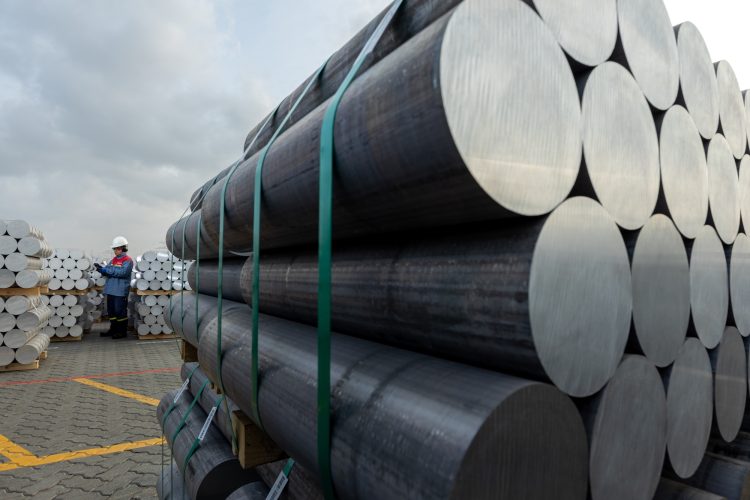
Century Aluminum’s involvement has further exacerbated these fears. The company has a documented history of air pollution violations and legal challenges at its other facilities. Although the partners claim the Inola plant will utilize "state-of-the-art" technology from EGA to minimize its footprint, residents remain unconvinced, arguing that the sheer scale of the 350-acre facility makes "clean smelting" an oxymoron in a rural setting.
The Political and Geopolitical Dimension
The controversy has also become entangled in a complex web of partisan politics and international relations. The project sits at the intersection of former President Donald Trump’s "America First" industrial policy and his personal diplomatic ties. Trump championed the project during a 2025 visit to the UAE, viewing it as a way to bolster American manufacturing while distancing the U.S. from Canadian imports following trade disputes.
However, in Oklahoma, the project has caused a rift within the Republican party. Governor Stitt continues to support the development as an economic engine. Conversely, Attorney General Gentner Drummond has positioned himself as the defender of local sovereignty. In his June 2026 legal filing, Drummond used pointed language to highlight the foreign ownership of the project, noting that the "controlling hand" behind the smelter belongs to a "foreign sovereign more than 7,000 miles away."
This legal maneuver coincided with a heated primary race for the Oklahoma governorship. After Trump endorsed Mike Mazzei over Drummond, the Attorney General’s lawsuit was viewed by some analysts as both a legitimate environmental action and a strategic political countermove. The lawsuit alleges that the smelter constitutes an "anticipatory public nuisance" and raises alarms about the massive strain the facility would place on Oklahoma’s electrical grid and water resources.
Broader Implications for Industrial Policy
The battle in Inola is a microcosm of the challenges facing the United States as it attempts to rebuild its industrial core. For decades, the U.S. aluminum industry has been in decline; in 2000, there were 24 active smelters in the country, but by 2025, that number had dwindled to just six. This decline has made the U.S. vulnerable to price volatility and supply chain disruptions.
The "Inola Conflict" highlights a fundamental paradox of modern industrialization: while there is broad national consensus on the need for domestic manufacturing, there is intense local resistance to the "heavy" nature of that manufacturing. The era when industries could set up shop in rural areas with little oversight has passed. Today’s rural residents are digitally connected, environmentally conscious, and legally proactive.
The success or failure of the Oklahoma Primary Aluminum plant will likely set a precedent for how future large-scale industrial projects are handled in the U.S. If the project proceeds, it must find a way to reconcile its massive resource requirements and emission profiles with the health and lifestyle of the local population. If it is blocked, it may signal that the "industrial renaissance" promised by policymakers will face insurmountable hurdles at the community level.
As of late June 2026, the project remains in a state of uncertainty. With a court case pending and a local moratorium under discussion, the future of the Tulsa Port of Inola—and the first new American smelter in 50 years—hangs in the balance. The outcome will depend on whether the promises of jobs and national security can outweigh the deeply held fears of a community determined to protect its air, its land, and its future.
