

Dividend stocks continue to stand as a cornerstone for investors prioritizing steady income streams and enhanced portfolio resilience, particularly in dynamic market conditions. The vast universe of dividend-paying companies, however, presents a formidable challenge in identifying those with robust fundamentals and promising upside potential. In this complex landscape, the rigorous analysis and recommendations from leading Wall Street analysts serve as invaluable guides, offering informed perspectives on companies poised for sustained performance. Their insights, often derived from deep industry knowledge, direct management engagement, and sophisticated financial modeling, can illuminate opportunities backed by solid operational strength and strategic positioning.
The energy sector, a perennial source of dividend-paying companies, is currently undergoing significant transformation, driven by evolving global demand patterns, geopolitical shifts, and the ongoing energy transition. Fluctuations in crude oil and natural gas prices, influenced by factors such as the geopolitical landscape in the Middle East, U.S. shale production dynamics, and global economic growth forecasts, directly impact the profitability and cash flow generation of exploration and production (E&P) companies, as well as refiners. In this context, selecting energy stocks for their dividend appeal requires a careful evaluation of their operational efficiencies, balance sheet strength, and strategic adaptability. This article delves into three prominent dividend-paying energy stocks that have recently garnered positive attention from Wall Street’s top professionals, as meticulously tracked and ranked by TipRanks, a platform renowned for assessing analyst performance based on historical success rates and average returns. These companies – Permian Resources, Valero Energy, and Ovintiv – represent diverse segments of the energy value chain, each presenting a compelling investment thesis according to their respective expert proponents.
The Enduring Appeal of Dividend Stocks Amidst Market Volatility
Dividend stocks are a favored instrument for many investors, particularly those seeking to generate regular income or mitigate portfolio volatility. In an environment characterized by inflation concerns, fluctuating interest rates, and geopolitical uncertainties, the tangible returns offered by dividends can provide a crucial buffer. Beyond the immediate income, dividends are often seen as a signal of a company’s financial health and management’s confidence in future earnings. Companies that consistently pay and grow their dividends typically possess stable business models, strong cash flow generation, and a disciplined approach to capital allocation.
However, the sheer volume of dividend-paying entities necessitates a discerning approach. This is where the expertise of top-tier Wall Street analysts becomes critical. These analysts, armed with comprehensive research methodologies and direct access to company leadership, perform extensive due diligence to unearth stocks that are not only capable of sustaining their payouts but also offer capital appreciation potential. Their recommendations are often based on a confluence of factors including industry outlook, competitive positioning, management quality, and valuation metrics, providing investors with a curated list of opportunities that have undergone rigorous scrutiny. The following sections explore the specific merits of three such companies within the energy sector, as championed by highly-rated analysts.
Permian Resources: Capitalizing on Shale Dynamics with an Acquisitive Edge
Permian Resources (PR), an independent oil and natural gas company, stands out as a prime example of a U.S. shale producer focused on strategic growth and shareholder returns. The company recently distributed a quarterly base cash dividend of 16 cents per share, translating to an annualized dividend of 64 cents per share and an attractive dividend yield of 3.5%. This yield surpasses the average dividend yield of the S&P 500, making it particularly appealing for income-focused investors. The Permian Basin, where Permian Resources primarily operates, is the most prolific oil-producing region in the United States, characterized by extensive, multi-stacked pay zones and robust infrastructure, offering significant potential for long-term production.
Analyst Insight and Strategic Positioning
Recently, Evercore analyst Chris Baker, a highly-rated 5-star analyst ranked among the top 862 out of over 12,300 analysts tracked by TipRanks, initiated coverage on Permian Resources with a "buy" rating and a price target of $25. Baker’s track record is notable, with a 75% success rate and an average return of 48.3% on his ratings. His bullish stance on PR is predicated on several key factors, most notably the company’s strong positioning to benefit from improving U.S. shale demand, especially in the wake of global energy market shifts and geopolitical considerations such as the Iran conflict. Such events often underscore the importance of reliable domestic energy supplies, favoring efficient U.S. producers.
Baker emphasizes Permian Resources’ low-breakeven inventory, which is crucial for generating robust free cash flow even in periods of moderate commodity prices. This operational efficiency provides a substantial competitive advantage, allowing the company to sustain its dividend and fund growth initiatives without excessive reliance on external financing. Furthermore, Baker highlighted PR’s disciplined consolidation strategy within the highly fragmented Permian Basin. This approach involves strategically acquiring acreage and assets, which can lead to economies of scale, enhanced operational synergies, and a deeper inventory of drillable locations. The company’s focus on a single, high-potential basin allows for specialized expertise and optimized capital deployment.
The "Acquire and Exploit" Model and Capital Allocation
A core tenet of Baker’s thesis revolves around Permian Resources’ distinctive "acquire and exploit" model. Unlike companies solely relying on a finite existing inventory, PR actively seeks to continually acquire and develop new high-quality assets. This strategy ensures a sustainable growth trajectory and mitigates the risk of inventory depletion, a common concern in the E&P sector. Baker argues that the market currently underappreciates this continuous asset replenishment strategy, suggesting that Permian Resources deserves a premium valuation compared to peers with less flexible or more finite resource bases.
Management’s efficient capital allocation across expansion efforts, strategic acquisitions, and share buybacks further bolsters the investment case. By concentrating investments on the higher-return Northern Delaware Basin, a sub-basin within the Permian known for its rich hydrocarbon potential, Permian Resources maximizes profitability and accelerates cash flow generation. This disciplined capital management, combined with a clear focus on shareholder returns through dividends and buybacks, paints a picture of a company well-managed for long-term value creation. The strategic importance of the Permian Basin, with its vast proven reserves and advanced drilling technologies like horizontal drilling and hydraulic fracturing, provides a solid foundation for Permian Resources’ growth ambitions, making it a compelling option for investors seeking exposure to a dynamic and critical energy region.
Valero Energy: A Refining Powerhouse Poised for Strong Returns
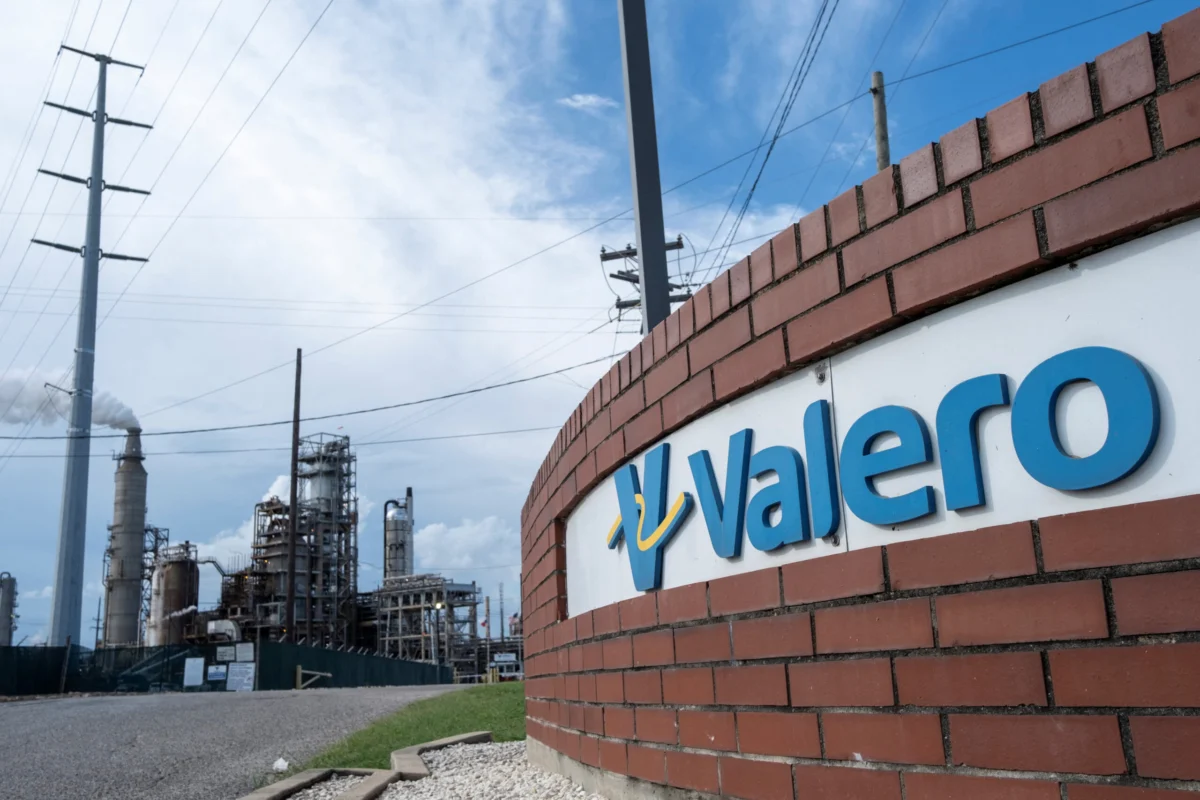
Valero Energy (VLO) is a significant player in the global energy landscape, operating as a leading manufacturer and marketer of petroleum-based and low-carbon liquid transportation fuels and petrochemical products. With a quarterly dividend of $1.20 per share, amounting to an annualized dividend of $4.80 per share, VLO stock currently offers a yield of approximately 2%. This consistent dividend payout underscores Valero’s robust financial health and its ability to generate substantial free cash flow from its extensive refining operations. Valero’s asset portfolio is strategically positioned, with a strong concentration along the U.S. Gulf Coast, providing access to diverse crude feedstocks and facilitating exports of refined products to international markets.
Anticipating Strong Q2 Earnings and Analyst Optimism
As Valero approaches its second-quarter earnings report on July 30, Goldman Sachs analyst Neil Mehta, another highly-regarded 5-star analyst ranked 742nd among over 12,300 analysts, reiterated a "buy" rating on VLO stock. Mehta’s ratings boast a 59% profitability rate, delivering an average return of 10.2%. He recently increased his price target for Valero to $286 from $283, reflecting updated estimates and a more optimistic outlook for the refining sector. Specifically, Mehta raised his earnings per share (EPS) estimates for 2026 and 2027 to $31.42 and $23.07, respectively, up from previous estimates of $29.42 and $21.06, while maintaining his 2028 EPS estimate at $20.37. These revisions are primarily driven by updated commodity price assumptions and adjustments to refining capture rates, which reflect the margins Valero can achieve on its refined products.
Refining Outlook and Strategic Advantages
Despite a notable year-to-date rally in VLO stock, Mehta continues to find the company compelling due to his overall positive refining outlook. The refining industry’s profitability is heavily influenced by factors such as crude oil differentials (the price difference between various crude types), global product demand, and refinery utilization rates. A strong global demand recovery, coupled with constrained refining capacity in certain regions, often leads to higher crack spreads (the difference between the price of crude oil and petroleum products), benefiting refiners like Valero. Mehta foresees the possibility of solid estimate revisions further driving the stock higher, signaling confidence in the company’s earnings power.
Valero’s strong position in the U.S. Gulf Coast is a critical competitive advantage. This region offers access to cost-advantaged domestic crude oils, well-developed infrastructure for product distribution, and export capabilities that allow Valero to serve international markets. The company’s solid balance sheet provides financial flexibility to navigate market cycles, invest in strategic projects, and return capital to shareholders. Furthermore, Valero’s low-cost operations underscore its efficiency and ability to maintain profitability even during periods of tighter margins.
Premium Assets and Future Growth
Mehta also highlighted Valero’s "premium asset portfolio and crude slate optionality." This refers to Valero’s network of sophisticated refineries capable of processing a wide range of crude oils, including heavier, cheaper varieties. This flexibility allows the company to optimize its crude inputs based on market prices, thereby maximizing refining margins and cash flow generation. The ability to switch between different crude types and produce a diverse range of high-value products ensures strong capture rates and ultimately supports shareholder returns. Beyond traditional refining, Valero is also making strategic inroads into low-carbon fuels, including renewable diesel and ethanol, positioning itself for future growth in the evolving energy landscape. These initiatives contribute to a diversified business model and align with global efforts towards decarbonization, offering another layer of long-term value creation.
Ovintiv: Streamlined Portfolio and Enhanced Shareholder Returns
Ovintiv (OVV) is a prominent North American oil and natural gas producer, strategically focused on some of the continent’s most productive basins. The company offers a quarterly dividend of 30 cents per share, which equates to an annualized dividend of $1.20 per share, implying a yield of approximately 2.3%. This consistent dividend, alongside other capital return initiatives, reflects Ovintiv’s commitment to delivering shareholder value. Ovintiv’s core assets are concentrated in the Permian Basin in the U.S. and the Montney Basin in Canada, both recognized for their extensive resource potential and economic drilling opportunities. The Montney, in particular, is a vast unconventional play rich in natural gas, condensate, and natural gas liquids, providing Ovintiv with a diversified production profile.
Analyst Confidence and Strategic Transformation
Following recent meetings with Ovintiv’s management, RBC Capital analyst Gregory Pardy, a highly-rated 5-star analyst ranked 169th among over 12,300 analysts, reaffirmed a "buy" rating on OVV stock and maintained a price target of $70. Pardy’s strong track record includes a 64% success rate and an impressive average return of 22.3% on his ratings. His confidence in Ovintiv is further underscored by the stock’s inclusion on RBC’s prestigious Global Energy Best Ideas List, signifying a high-conviction recommendation.
Pardy’s discussions with management reinforced his positive outlook, particularly regarding the company’s transformative journey. Ovintiv has strategically streamlined its portfolio, moving from operating in six basins (including the Uinta, Bakken, and Anadarko) to concentrating its efforts on just two premier plays: the Permian and the Montney. This strategic shift is designed to enhance operational focus, improve capital efficiency, and deepen the company’s inventory in its most productive assets. Such rationalization typically leads to lower operating costs, optimized resource allocation, and a clearer investment narrative.
Improved Balance Sheet and Valuation Re-rating Potential
A significant driver of Pardy’s optimism is Ovintiv’s improved balance sheet and enhanced shareholder returns. The company recently completed the sale of its assets in the Anadarko Basin for approximately $3 billion. This substantial divestiture provided a significant cash infusion, which Ovintiv has utilized to reduce debt, strengthen its financial position, and fund capital return programs. A stronger balance sheet provides greater financial flexibility, enabling the company to weather commodity price volatility and pursue future growth opportunities more effectively.
Pardy believes that Ovintiv’s "depth of Montney position," combined with its streamlined portfolio, robust balance sheet, and commitment to shareholder returns, affords investors an "attractive valuation re-rating opportunity over time." A re-rating implies that the market may begin to assign a higher valuation multiple to Ovintiv’s earnings and cash flow, reflecting the improved quality and stability of its business. The focus on high-quality, long-life assets in the Permian and Montney basins, coupled with a disciplined approach to capital management and a clear strategy for returning capital to shareholders, positions Ovintiv favorably for sustained performance. The company’s diversified production mix, encompassing both oil and natural gas, also provides a degree of natural hedge against price fluctuations in either commodity, contributing to more stable cash flow generation.
Broader Implications and Investment Considerations in the Energy Sector
The recommendations for Permian Resources, Valero Energy, and Ovintiv by top Wall Street analysts underscore several common themes prevalent in the contemporary energy market. These include the strategic importance of high-quality, low-cost asset bases, disciplined capital allocation strategies, a strong focus on generating free cash flow, and a commitment to returning capital to shareholders through dividends and share buybacks. These attributes are particularly vital in an energy sector characterized by cyclical commodity prices, increasing environmental scrutiny, and the ongoing global transition towards lower-carbon energy sources.
For investors, the insights from highly-rated analysts provide a robust starting point for further due diligence. While analyst recommendations offer valuable guidance, it is crucial for individual investors to conduct their own research, assess their risk tolerance, and consider their investment objectives. The energy sector, by its very nature, is exposed to inherent risks, including:
- Commodity Price Volatility: Oil and natural gas prices are influenced by global supply and demand dynamics, geopolitical events, and macroeconomic conditions, leading to significant fluctuations that directly impact profitability.
- Regulatory Changes: Environmental regulations, carbon pricing mechanisms, and permitting processes can affect operational costs and investment decisions for energy companies.
- Geopolitical Risks: Conflicts, trade disputes, and policy shifts in major producing or consuming nations can disrupt supply chains and impact global energy markets.
- Energy Transition Risks: The long-term shift towards renewable energy sources could pose challenges for companies heavily invested in fossil fuels, although many are adapting by investing in lower-carbon initiatives or focusing on highly efficient, low-cost production.
Despite these risks, the energy sector remains indispensable to the global economy, providing essential fuels and products. Companies like Permian Resources, Valero Energy, and Ovintiv, with their strong operational foundations, strategic growth initiatives, and commitment to shareholder returns, are positioned to navigate these complexities. Their ability to generate consistent cash flow and pay dividends makes them attractive options for investors seeking both income and potential capital appreciation within the energy space. The focus on efficiency, strategic consolidation, and financial prudence highlighted by the analysts suggests these companies are well-equipped to thrive in a evolving and challenging market environment, offering a compelling case for inclusion in a diversified investment portfolio.
