


The global effort to mitigate the effects of climate change has increasingly turned its focus toward the very ground beneath our feet. As the Intergovernmental Panel on Climate Change (IPCC) highlights in its Sixth Assessment Report, sustainable land management practices—including regenerative agriculture and responsible forestry—hold the potential to provide more than 25 percent of the emissions reductions necessary to meet the targets set by the Paris Agreement. This realization has sparked a fundamental shift in how major consumer goods companies, land managers, and farmers approach production. By prioritizing soil health, biodiversity, and ecosystem restoration, industry leaders such as Lundberg Family Farms, Oatly, and Procter & Gamble (P&G) are moving beyond traditional sustainability metrics toward a model that actively restores the environment.
Regenerative agriculture is defined by a suite of practices designed to protect and restore soil health. These methods, which include cover-cropping, crop rotation, and the avoidance of synthetic fertilizers, aim to transform soil into a living ecosystem. Healthy soil, rich in microbes, fungi, and organic matter, acts as a massive carbon sink, pulling carbon dioxide from the atmosphere and storing it underground. For companies whose business models depend on the long-term viability of land, these practices are no longer optional; they are a prerequisite for survival in an increasingly volatile climate.
The Historical Context of Regenerative Roots
The shift toward regenerative practices is, for some, a return to ancestral wisdom. Lundberg Family Farms, a prominent producer of regenerative organic rice, traces its philosophy back to the environmental catastrophe of the 1930s. In 1937, the company’s founders left Nebraska in the wake of the Dust Bowl—a period of severe dust storms that greatly damaged the ecology and agriculture of the American and Canadian prairies. Witnessing firsthand the consequences of soil mismanagement, the Lundbergs moved to California with a foundational mandate: "leave the land better than you found it."
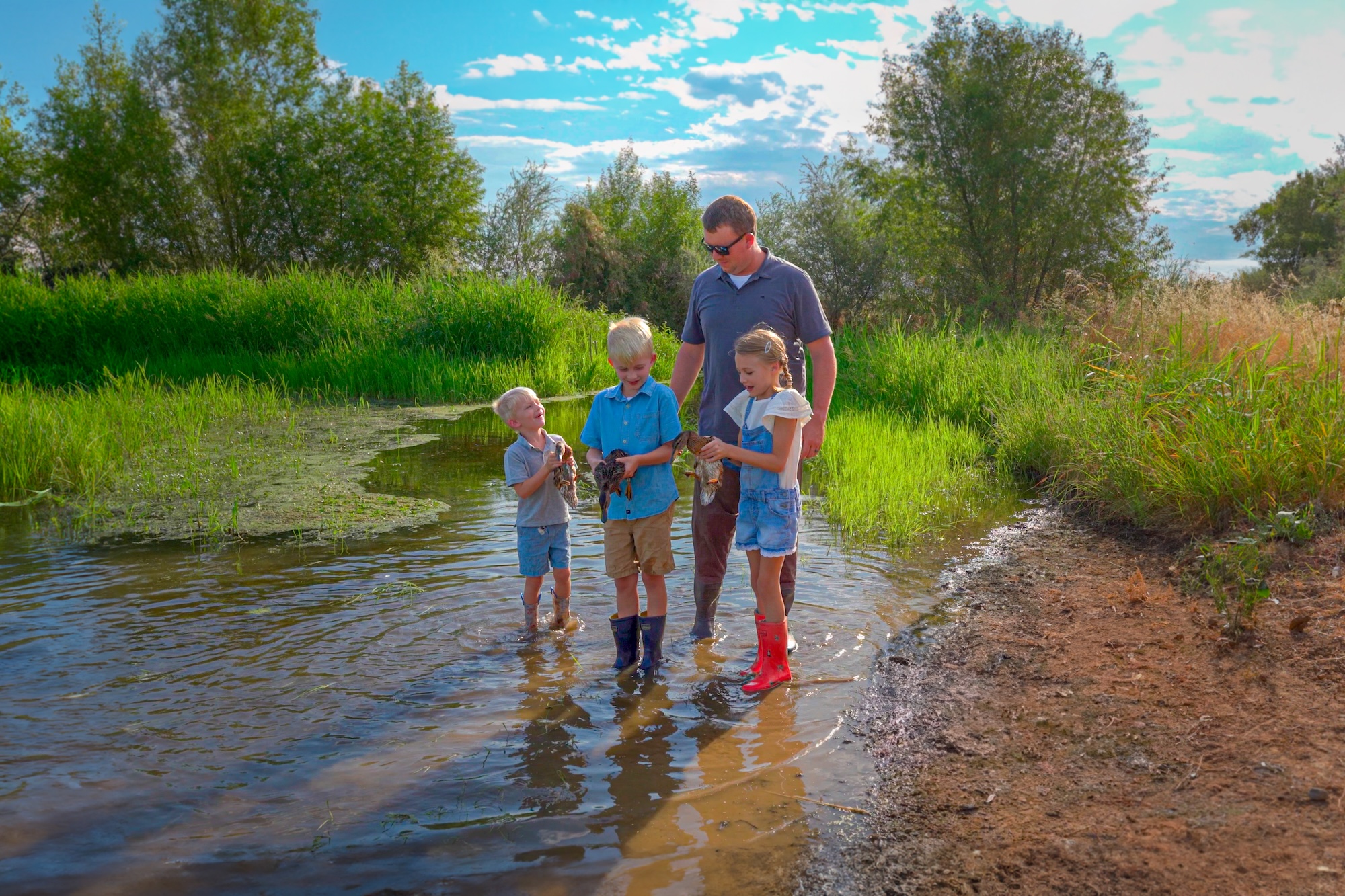
Decades before "regenerative" became a corporate buzzword, the Lundbergs were implementing practices that prioritized the ecosystem. Today, this legacy has evolved into a sophisticated operation that integrates modern science with historical conservation. Gabrielle Katanic, farm operations business manager at Lundberg Family Farms, notes that the industry is finally catching up to these long-held values. "It’s the way we’ve always done things," Katanic says. "Now there’s a word for what we’re doing that goes beyond organic."
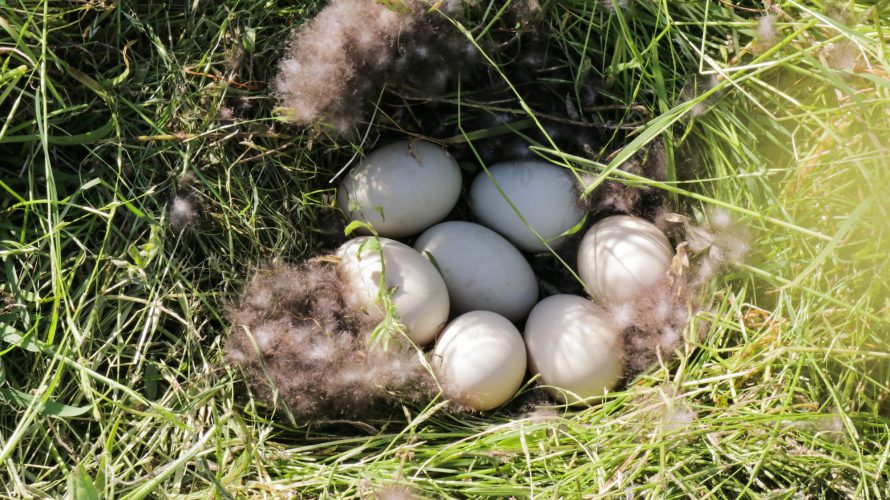
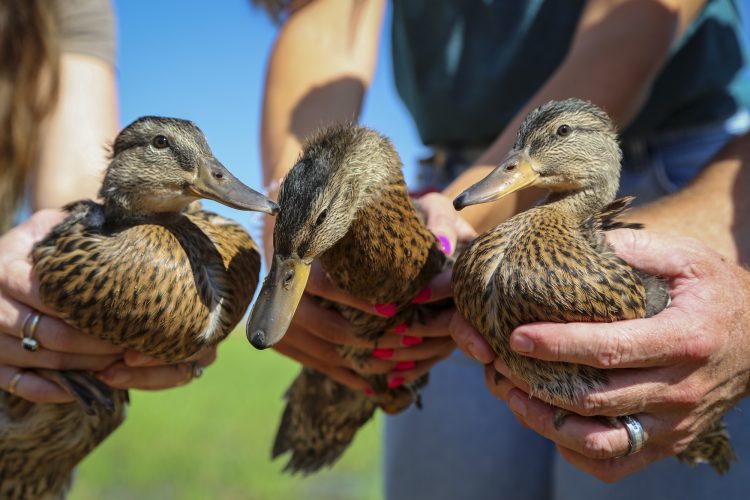
A primary example of this philosophy in action is the company’s duck rescue initiative. During the preparation of fields for rice planting, farmers often discover wild duck nests tucked into winter cover crops. Rather than proceeding with heavy machinery, Lundberg Family Farms collaborates with the California Department of Fish and Game, the California Waterfowl Association, and local hatcheries to save the eggs. To date, this program has rescued an estimated 30,000 ducklings, which are later released back into the wild. This effort underscores a critical tenet of regenerative agriculture: farming is not an isolated activity but part of a broader, interconnected biological system.
Scaling Through Corporate Collaboration
While individual farm initiatives are vital, the scale of the climate crisis requires systemic change across entire supply chains. This is the focus of Oatly, the Swedish oat drink producer, which has integrated regenerative agriculture into its core "climate solutions" framework. For a product to be classified as a climate solution under Oatly’s internal metrics, it must have at least 50 percent less climate impact than the average cow’s milk equivalent.
To achieve this, Oatly must address its Scope 3 emissions—those that occur in its supply chain, primarily during the cultivation of oats. However, regenerative farming presents a unique challenge: oats are rarely grown in isolation. They are typically part of a multi-year crop rotation that includes wheat, legumes, or other commodities.
"It’s unfair for Oatly to come to a farmer and say, ‘I’d like you to grow your oats in this way,’ while ignoring that oats are being grown in rotation with several other commodities," explains Erin Augustine, vice president of global sustainability at Oatly.
To solve this, Oatly has championed a collaborative model, seeking out other brands that purchase the various crops in a farmer’s rotation. By aligning regenerative requirements across different commodities, companies can reduce the financial and administrative burden on growers. This collaborative spirit is evidenced by Oatly’s involvement in the "Wilding Project," led by the NGO Mad Agriculture. This initiative brings together 20 food companies, including Whole Foods, to restore wildlife habitats on working farms. Similarly, the Trusted Advisor Partnership in Canada provides soil health training to agronomists, helping brands like Grain Millers and Bob’s Red Mill implement better soil management across the Canadian Prairies.
Oatly’s goal is ambitious: to source 100 percent of its oat supply from regeneratively managed land by 2050. The company estimates this shift could result in a 94 percent reduction in greenhouse gas emissions from its ingredient sourcing. Early results are promising, with the company’s Canadian program reaching 20 percent of its supply goal within just three years.
Responsible Forestry and the Industrial Value Chain
The principles of regeneration extend from the fields into the world’s forests. For Procter & Gamble, the manufacturer of iconic paper brands such as Bounty, Puffs, and Charmin, the health of forest ecosystems is a direct business imperative. Chris Reeves, a Certified Forester and director of scientific communications for P&G Paper, emphasizes that responsible forest management is the only way to ensure the long-term availability of wood pulp.
P&G operates under a "Protect, Grow, Restore" framework, which aims to improve priority landscapes through partnerships with conservation organizations and small landowners. Unlike industrial agriculture, where a single season can show results, forestry operates on a timeline of decades. This long-term horizon requires a different approach to collaboration.
Because wood pulp is only one of many products derived from a harvested tree—alongside lumber, mulch, and biomass for energy—P&G must work with the entire forest value chain. Systematic change cannot occur if only one player in the chain demands sustainability. "If you just show up as the only one asking for something, you’re really not going to make that systematic change," Reeves notes.
A significant portion of P&G’s strategy involves empowering small landowners. In the United States, a large percentage of timberland is owned by individuals rather than corporations—people like doctors, truck drivers, or retirees who may own 40 to 100 acres. These owners often lack the resources to implement complex management plans or achieve expensive certifications. P&G addresses this through the Four States Timberland Association (FSTO) in Arkansas and Louisiana. By bundling small parcels together, the FSTO provides these landowners with access to natural resource professionals and group certification, ensuring that small-scale forestry meets global sustainability standards.
Third-Party Verification as a Catalyst for Trust
As regenerative and sustainable claims become more common in the marketplace, third-party verification has emerged as a crucial tool for building credibility. Consumers are increasingly wary of "greenwashing," making transparent, audited standards essential for brand loyalty.

P&G has committed to a policy where 100 percent of the wood pulp it sources is certified by recognized bodies such as the Forest Stewardship Council (FSC), the Sustainable Forestry Initiative (SFI), or the Program for the Endorsement of Forest Certification (PEFC). Currently, 86 percent of the company’s raw materials are FSC-certified, with a target of 100 percent by 2030. Reeves acknowledges that the final 14 percent represents the greatest challenge, as it requires bringing the most remote and fragmented supply chains into compliance.
In the agricultural sector, the Regenerative Organic Certified (ROC) standard is becoming the gold standard for brands like Lundberg. Unlike standard organic certification, ROC requires specific benchmarks for soil health, animal welfare, and social fairness for farmers and workers. These certifications provide a roadmap for growers and a guarantee for consumers that the environmental benefits of their purchases are being measured and verified.
Broader Implications for Global Food and Forest Systems
The transition to regenerative land management represents a fundamental shift in the "macro mindset" of the corporate world. It acknowledges a "catch-22" identified by Oatly’s Erin Augustine: the food system is simultaneously a major contributor to climate change and one of the sectors most vulnerable to its impacts.
The implications of this shift are far-reaching. Fact-based analysis suggests that if regenerative practices are scaled globally, the agricultural sector could move from being a net carbon emitter to a net carbon sequester. Beyond carbon, these practices increase the resilience of the food supply. Soils with higher organic matter retain more water, making crops more resistant to droughts and floods—weather extremes that are becoming more frequent as the planet warms.

Furthermore, the focus on biodiversity—exemplified by Lundberg’s duck rescue and Oatly’s Wilding Project—addresses a secondary environmental crisis: the rapid loss of species. By integrating wildlife corridors and natural habitats into working lands, corporations are demonstrating that economic production and ecological health are not mutually exclusive.
The success of these initiatives depends on continued investment and the willingness of competitors to collaborate on pre-competitive environmental goals. As P&G, Oatly, and Lundberg Family Farms have shown, the path to a sustainable future is paved with healthy soil, protected forests, and a commitment to restoring the natural systems that sustain human industry. The movement toward regenerative land management is more than a corporate social responsibility initiative; it is a comprehensive redesign of the global supply chain for a climate-uncertain era.
